
MSc in Extreme Medicine
in Partnership with Exeter University
Where academic study meets operational medicine
The MSc in Extreme Medicine is delivered in partnership between World Extreme Medicine and the University of Exeter , combining academic rigour with expedition-proven expertise.
It’s designed for doctors, paramedics, nurses, military medics, scientists, and healthcare professionals who want to take their clinical skills into jungles, deserts, disaster zones, and beyond.
Study remotely, train in real-world extremes. Start your postgraduate journey in September 2026.
More InformationWhy choose this MSc?
Study around your life
Study full-time over 1 year, or part-time over 2 or 3 years, with a distance-learning structure designed to fit around work, study, and clinical commitments.
Residential learning in real environments
Complete 6 residentials across the full MSc, combining online learning with practical courses in the UK and overseas.
Shape the MSc around your interests
Choose from environment-specific residentials including mountain, ocean, desert, jungle, alpine, polar, space, humanitarian, conservation, and hostile environment medicine.
Choose the pathway that fits your professional goals and availability
Each option includes a mix of online learning and residential courses, delivered across the UK and internationally.
 180 Credits
MSc in Extreme Medicine
1 year full-time / 2–3 years part-time
This is the full postgraduate degree, combining academic learning, practical skills, and independent research.
Includes:
- Core Concepts of Extreme Medicine
- Human Factors in Medicine
- Extreme Physiology
- Evidence-Based Wilderness Medicine
- Clinical Practice in Austere Environments or Humanitarian & Disaster Relief Medicine
- Research Project
You’ll attend six unique residentials as part of this pathway.
 120 Credits
Postgraduate Diploma
2 years part-time
Ideal for those wanting a deep academic and practical grounding, without the final research project.
Includes:
- Core Concepts of Extreme Medicine
- Human Factors in Medicine
- Extreme Physiology
- Evidence-Based Wilderness Medicine
- Clinical Practice in Austere Environments or Humanitarian & Disaster Relief Medicine
Total: five residential modules.
 60 Credits
Postgraduate Certificate
1 year part-time
Designed to build essential capabilities in remote and expedition healthcare.
Includes:
- Core Concepts of Extreme Medicine
- Human Factors in Medicine
- Extreme Physiology
Total: four residential modules.
Residential learning in real extreme environments
The MSc combines online learning with residential courses in the UK and overseas, giving you the opportunity to develop practical skills across a range of remote, austere, and challenging environments.
Shape your MSc around the environments that matter to you
Cold & Mountain Environments
Choose from options including mountain, alpine, polar, and winter medicine residentials.
Hot, Ocean & Remote Environments
Explore areas such as desert, jungle, dive, ocean, conservation, and space medicine.
Humanitarian & Austere Practice
Focus your learning through humanitarian and disaster relief medicine, clinical practice in austere environments, search and rescue, or hostile environment medicine.
How residentials fit into your MSc
The full MSc is made up of 3 stages. Stage 1 can be taken as a stand-alone PGCert, Stage 2 builds toward the PGDip, and Stage 3 completes the full MSc through the compulsory research project.
Across the full MSc, students complete 6 residentials. Some are compulsory, including Core Concepts of Extreme Medicine and Human Factors, while others are selected from the available residential options according to your interests, career goals, and module pathway.
Some optional residential courses may carry a supplementary cost. View the fees breakdown here .
What can you do with this MSc?
Graduates go on to work in:
Humanitarian medicine and disaster response
Expedition and wilderness healthcare
Film and TV location medicine
Conflict-zone and remote industry support
Search and rescue, polar voyages, and jungle research
And they bring leadership, resilience, and operational skills back into everyday clinical roles.
What you need to apply
Review the entry requirements, tuition fees, and funding options for the MSc in Extreme Medicine.
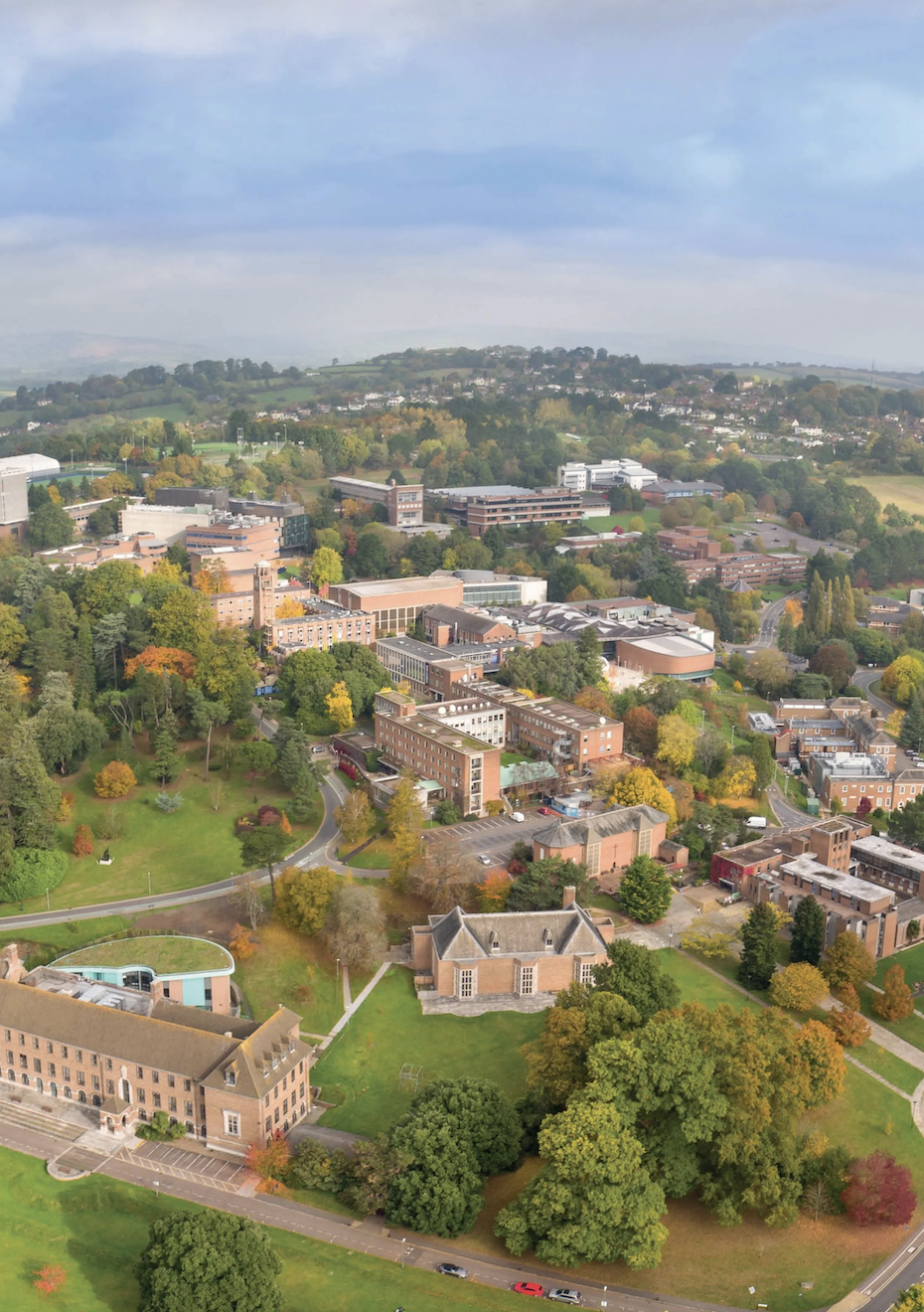
Entry Requirements
To be eligible for the MSc, you’ll usually need a 2:2 Honours degree, or equivalent, in a relevant discipline such as medicine, nursing, or paramedic science.
Individuals who don’t meet these criteria but have relevant professional experience may also be welcomed onto the MSc programme. Qualifications and experience will be assessed on application.
Informal enquiries to Exeter University are welcome before the formal application stage, where you can discuss which areas of the course may need particular attention or receive advice on pre-course study to maximise your learning engagement.
To discuss this, please contact the Student Recruitment and Admissions Team: [email protected]
Tuition Fees
Fees are subject to an annual increment each academic year. UK and International fees vary depending on whether you study the MSc, PgDip, or PgCert route.
Scholarships
The University of Exeter invests heavily in scholarships for talented prospective Masters students.
Tuition Fees 2025/26
- MSc £28,900 full-time, £14,300pa part-time 2 years, £12,500 year 1 and 2, £3,600 year 3 part-time 3 years
- PgDip £10,000pa part-time 2 years
- PgCert £10,000
Already taken a WEM course?
If you’ve completed relevant WEM residential courses within the last three years, you may be eligible to:
- Skip re-attending up to two residentials already completed with WEM
- Still complete the online learning and assessments for those courses
- Receive a tuition fee discount, applied internally by Exeter
- Avoid supplementary residential fees for those courses
Eligibility is assessed by Exeter at the time of application. Residentials must match current MSc content.
Hospital halls to Himalayan peaks
“We realised that we definitely didn’t want to be in hospital medicine…”
Liesel and Celeste Geertsema traded hospital corridors for mountain trails.
The twin sisters left conventional medicine to pursue adventure, finding fulfilment and an unexpected retirement plan along the way. Their journey proves it’s never too late to change course.
Read Their Story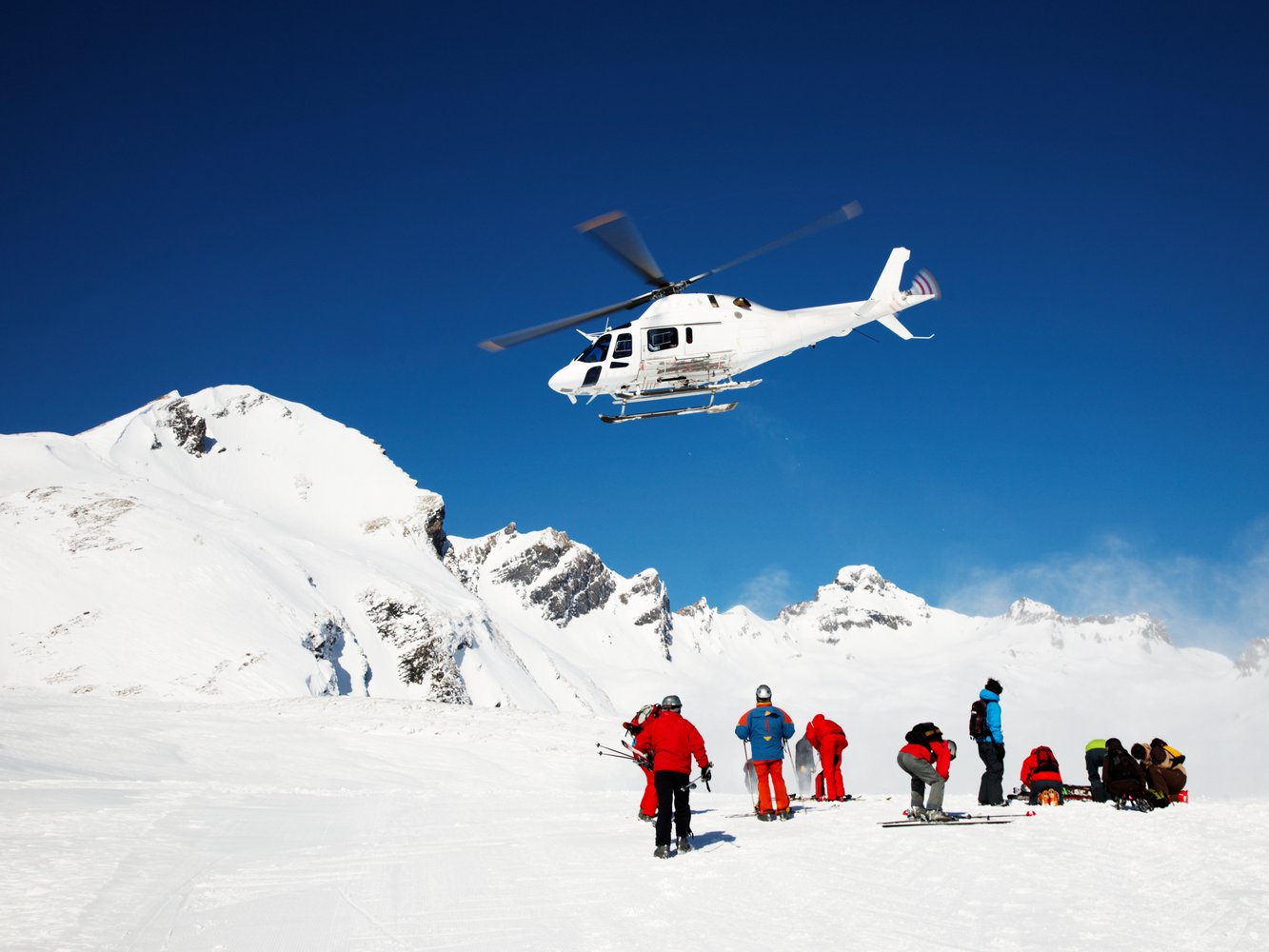
Apply now
Start your application today and take your medical career further than it’s ever gone.