Humanitarian Medicine Course
Blue Mountains, Sydney, Australia
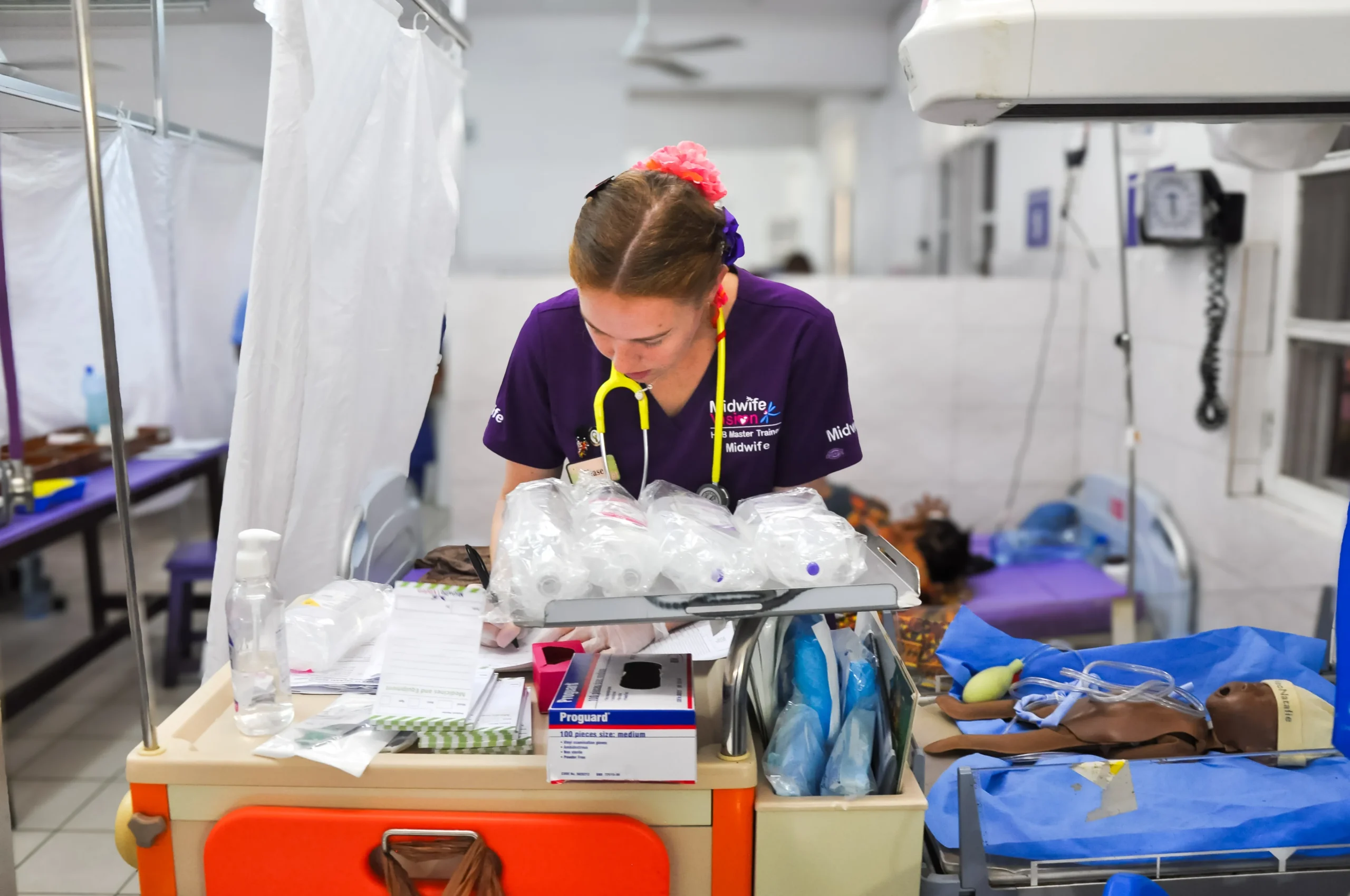
Intensive 4-day training in humanitarian and disaster medicine, designed to prepare healthcare professionals for the realities of delivering care when resources are limited and needs are high.
Humanitarian medicine is about far more than clinical knowledge. It requires adaptability, sound judgement, cultural awareness, and the ability to make effective decisions in complex and often unpredictable environments.
Over four days, you’ll explore the clinical, public health, and operational challenges of working in humanitarian settings, from disaster response and refugee health to camp management, maternal health, security, and disease outbreaks. Drawing on the real-world experience of faculty who have worked across humanitarian and global health programmes worldwide, you’ll gain practical insights that extend far beyond the classroom.
Whether you’re considering future humanitarian deployments, interested in global health, or simply looking to broaden your perspective as a healthcare professional, this course will equip you with skills and understanding that are relevant wherever healthcare is delivered under pressure.
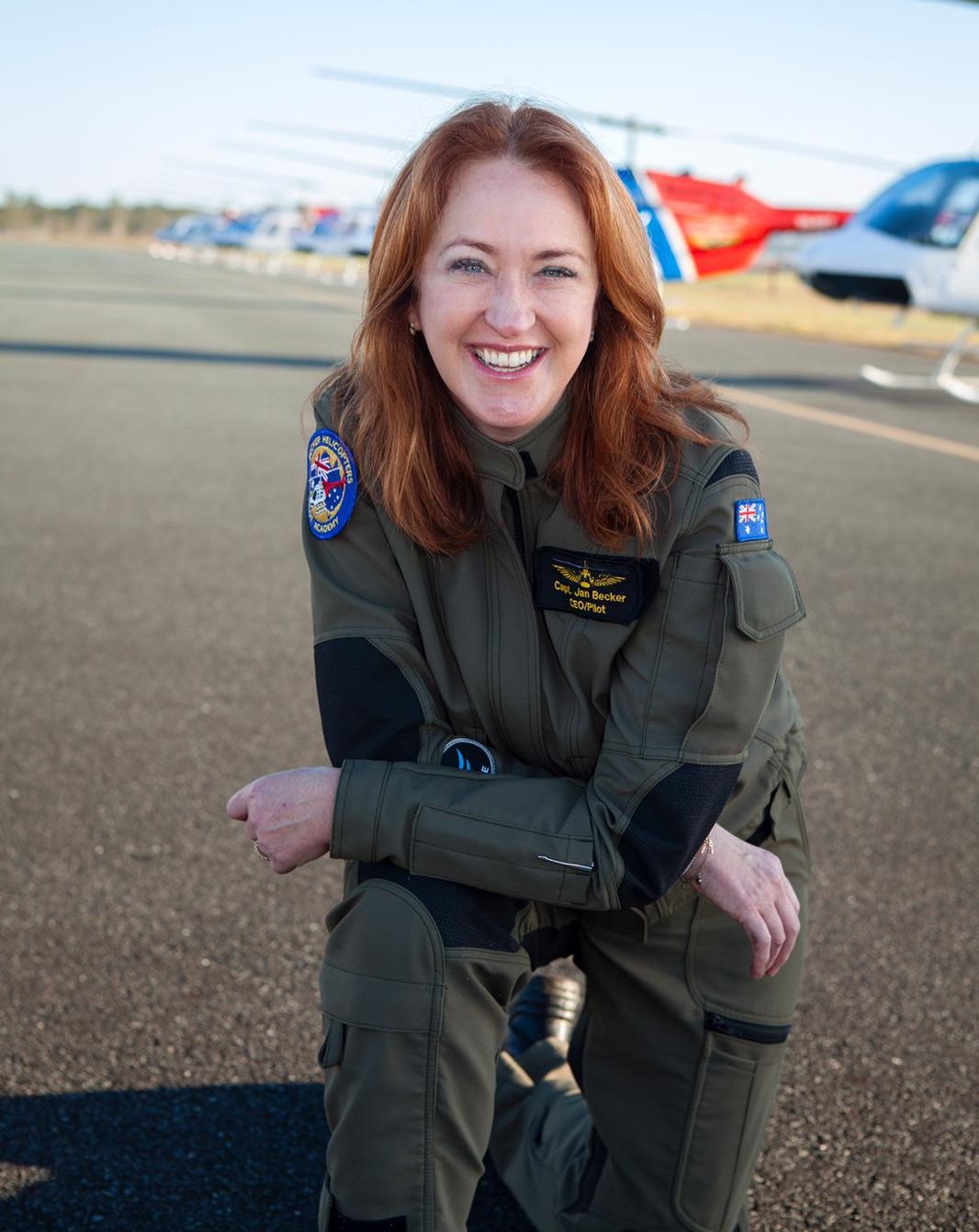
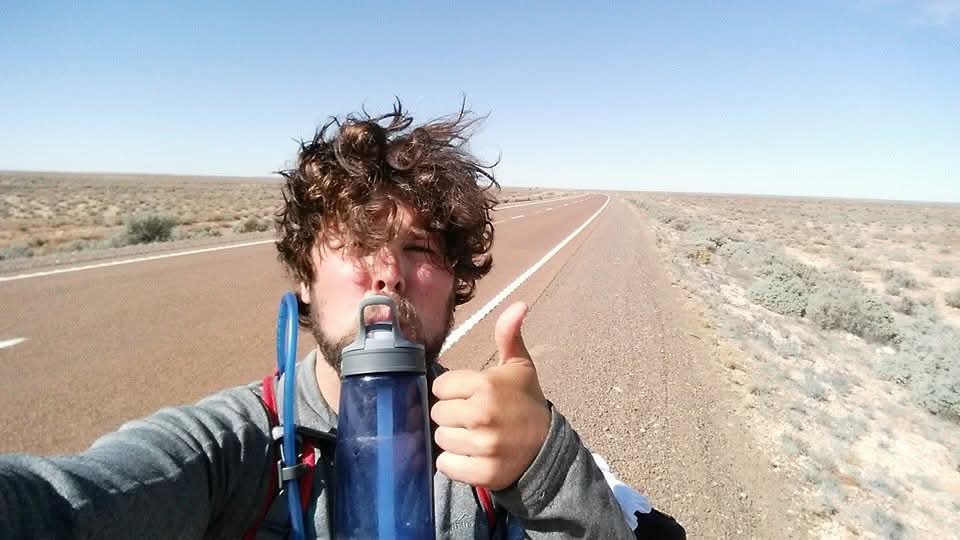
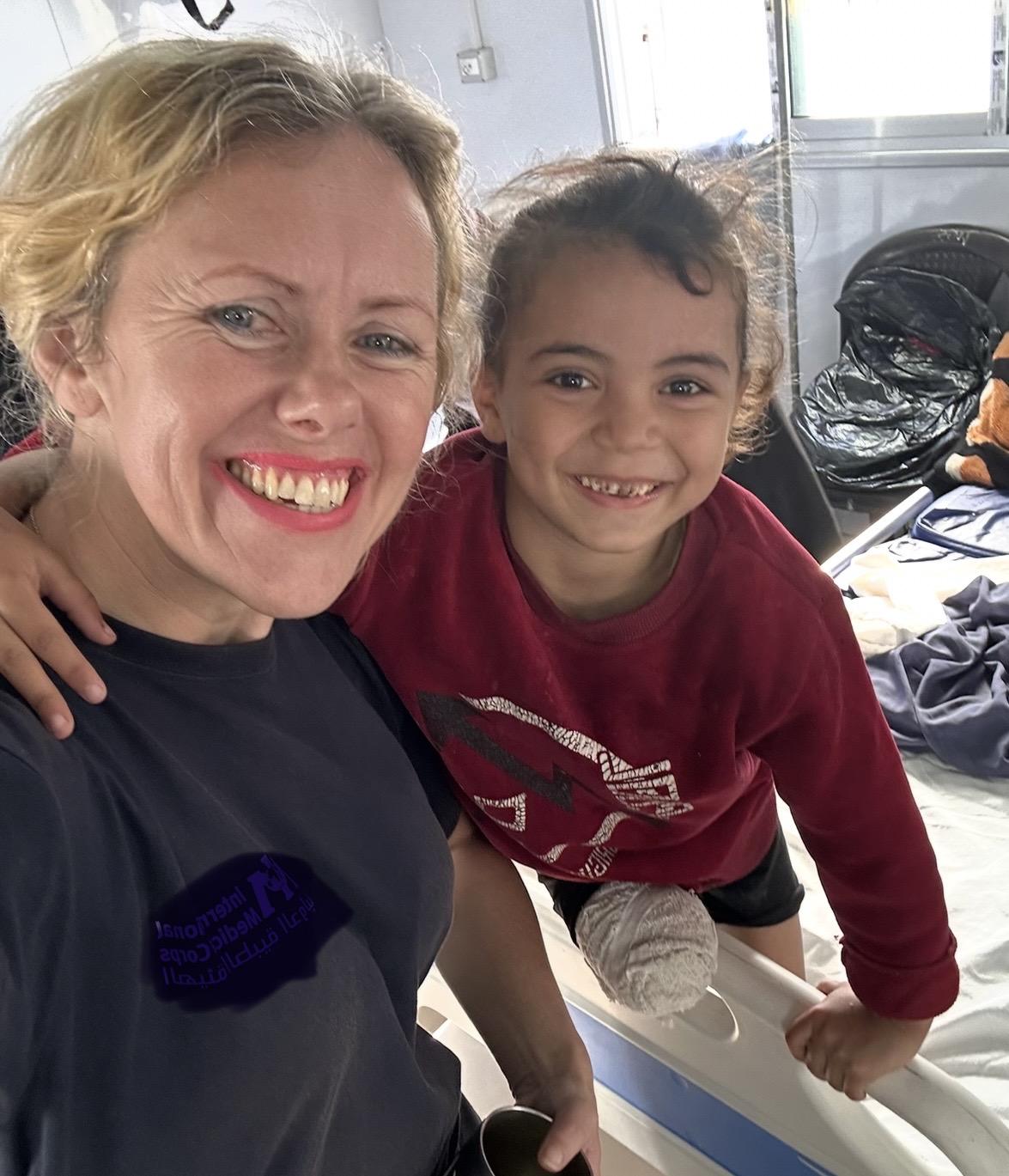
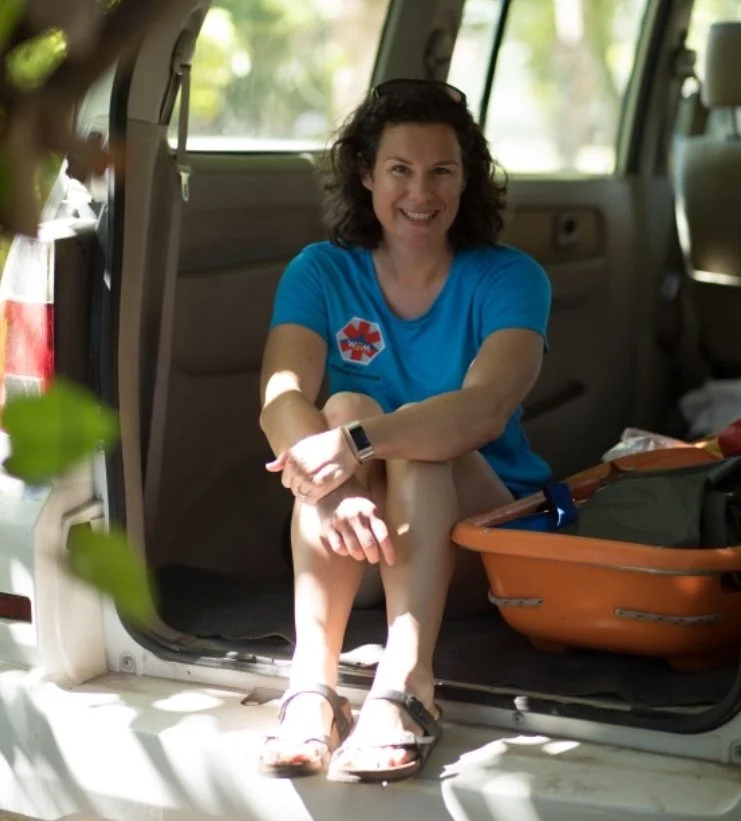
Your Teaching Faculty
Modules
Rebecca

I really enjoyed this course. Thanks so much to the faculty
Isabell
Fantastic course! I learnt so much and can’t recommend this course enough
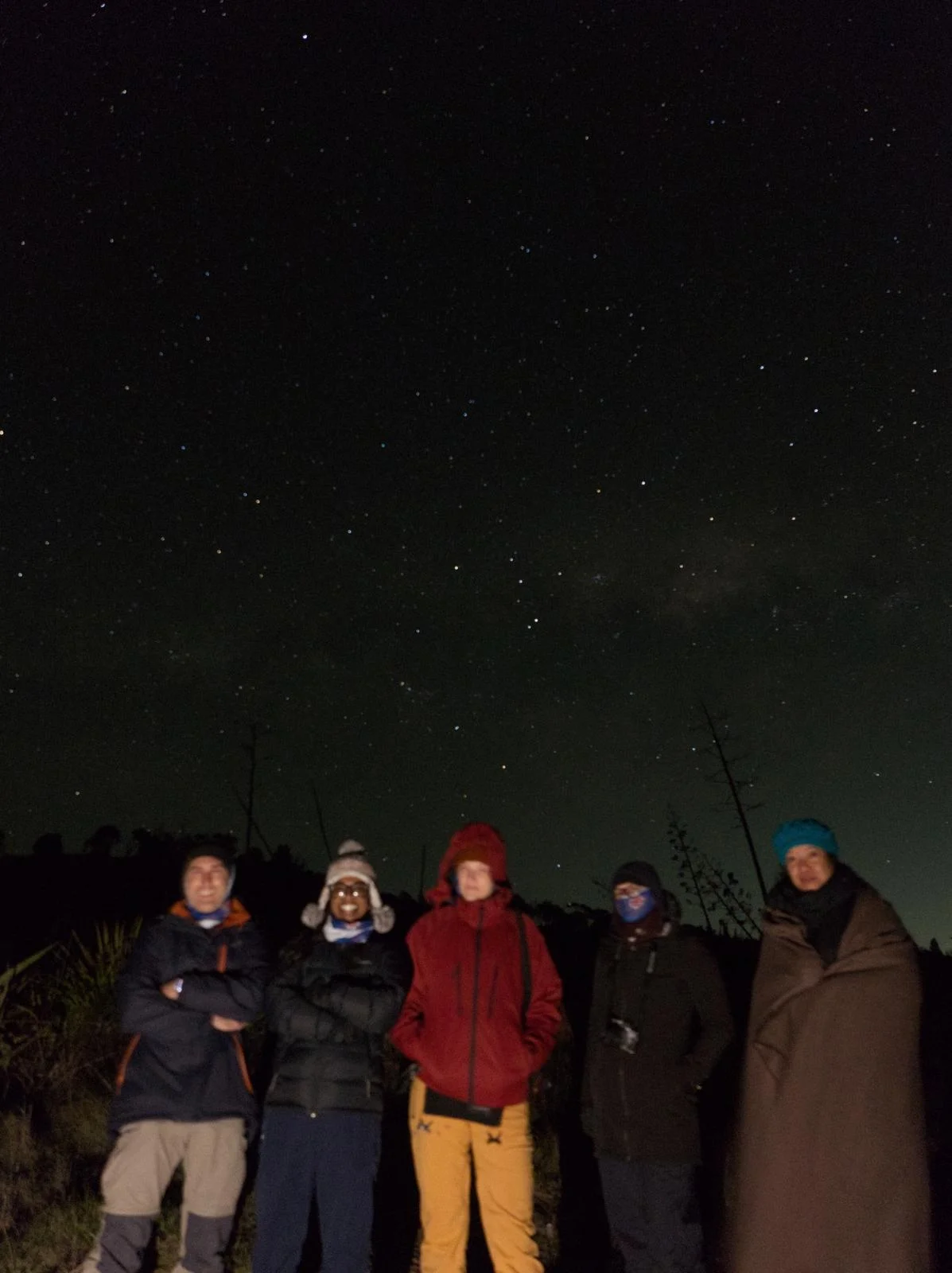
Narguess
Huge thank you to the facilitators. It was inspirational and incredible and they really made the course. Would love a follow up “post course” zoom catch up in a few months with the group
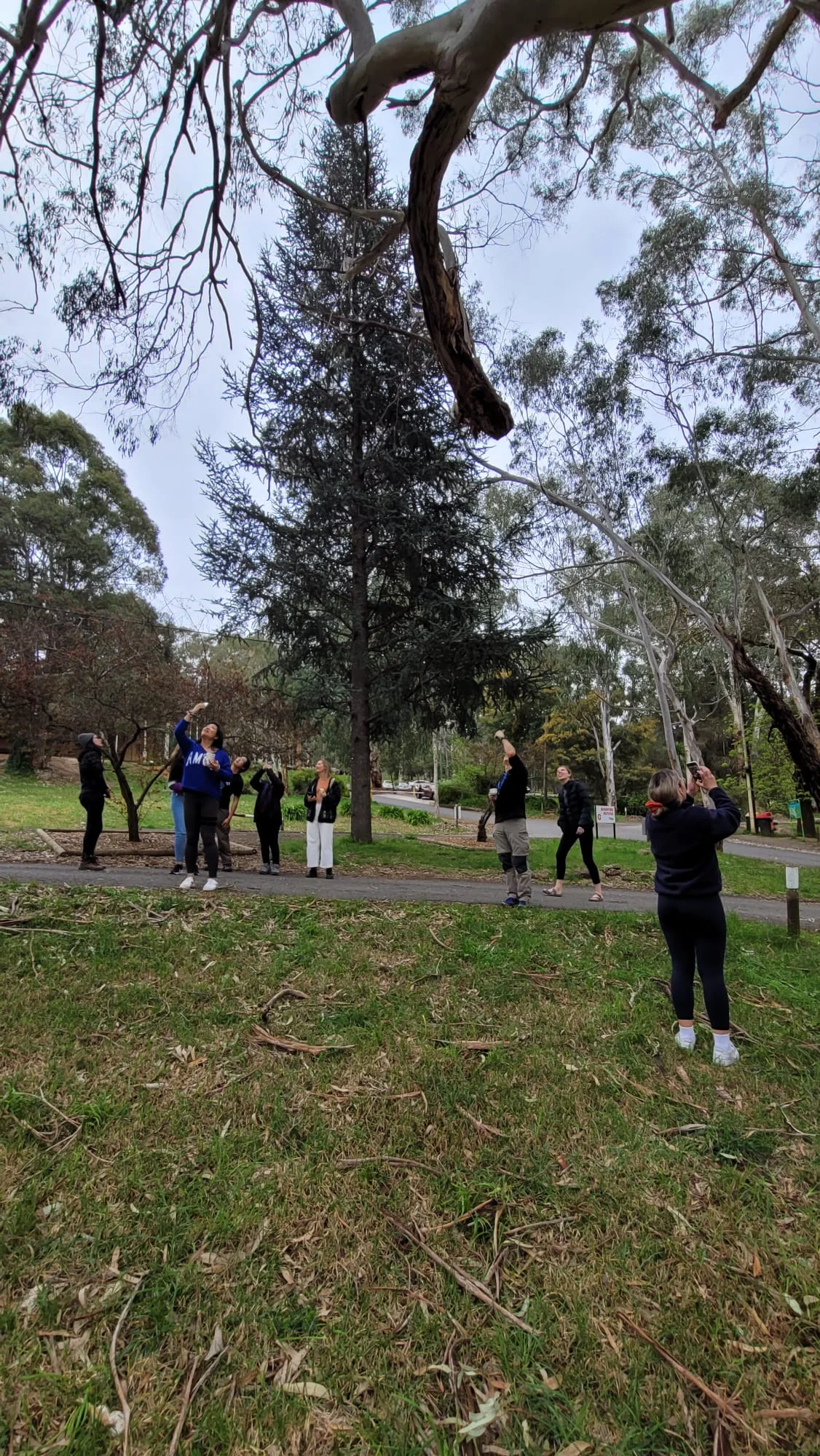
Sheela
Very good facilitators who brought along varied experiences and perspectives. Overall excellent course.
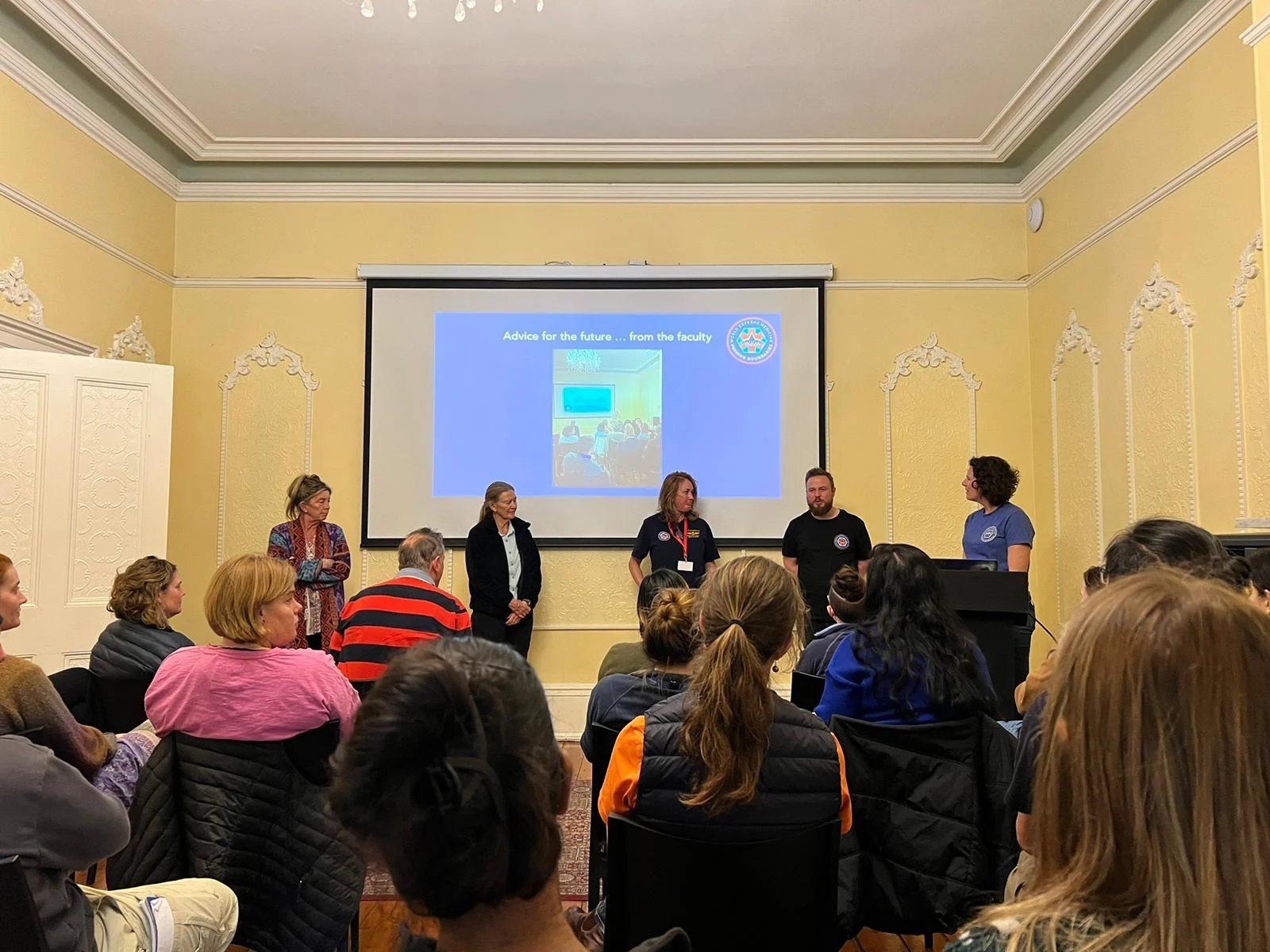
What's Included?
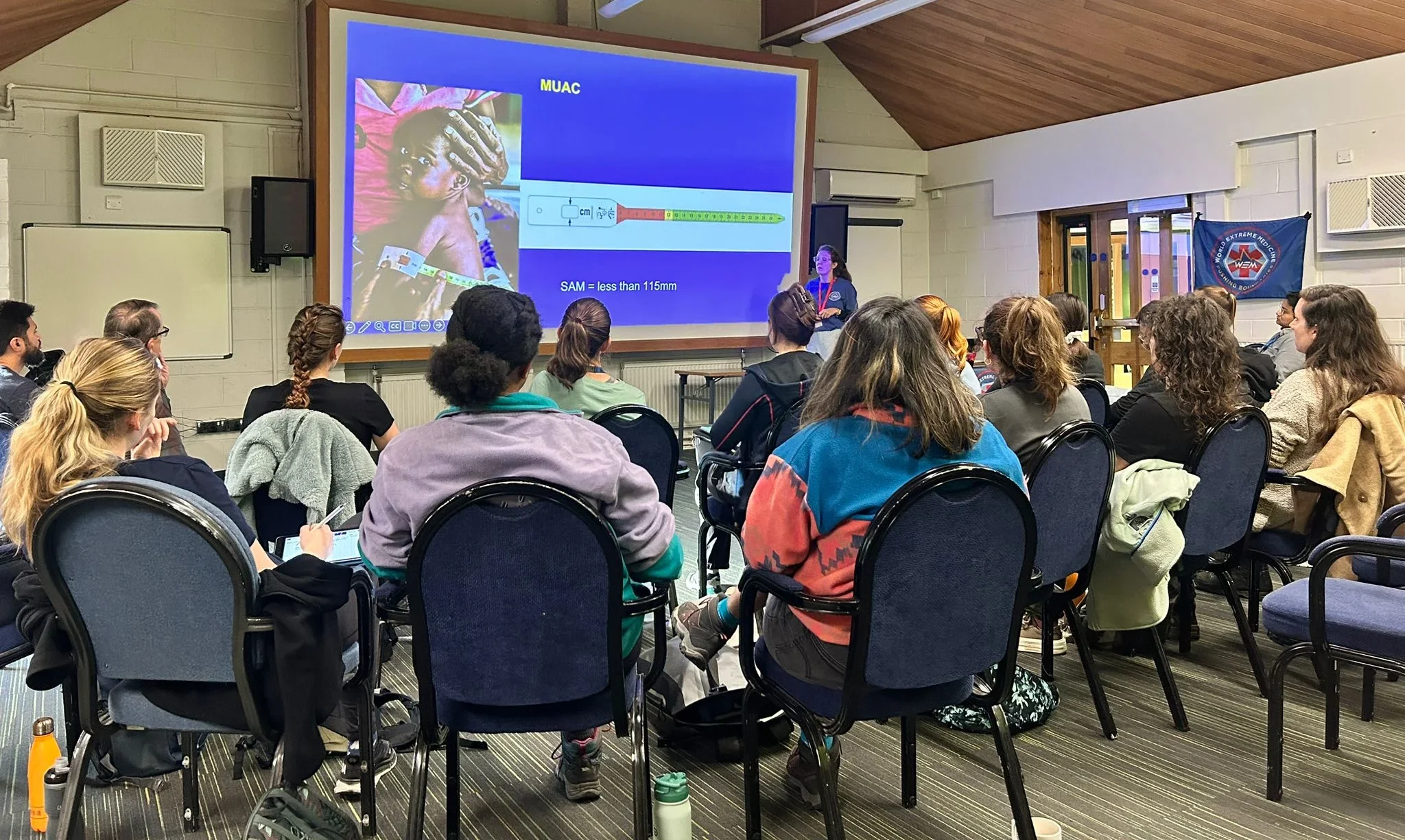
Expert Faculty Teaching
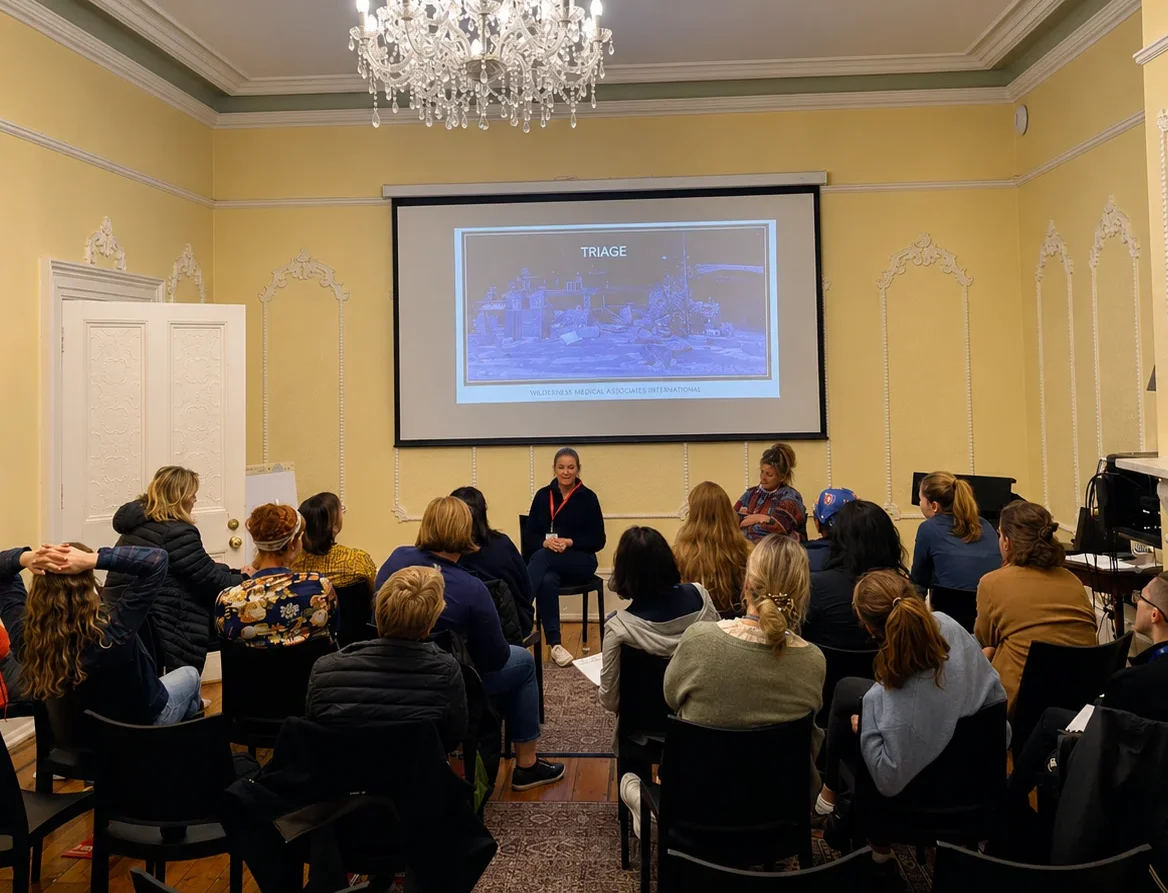
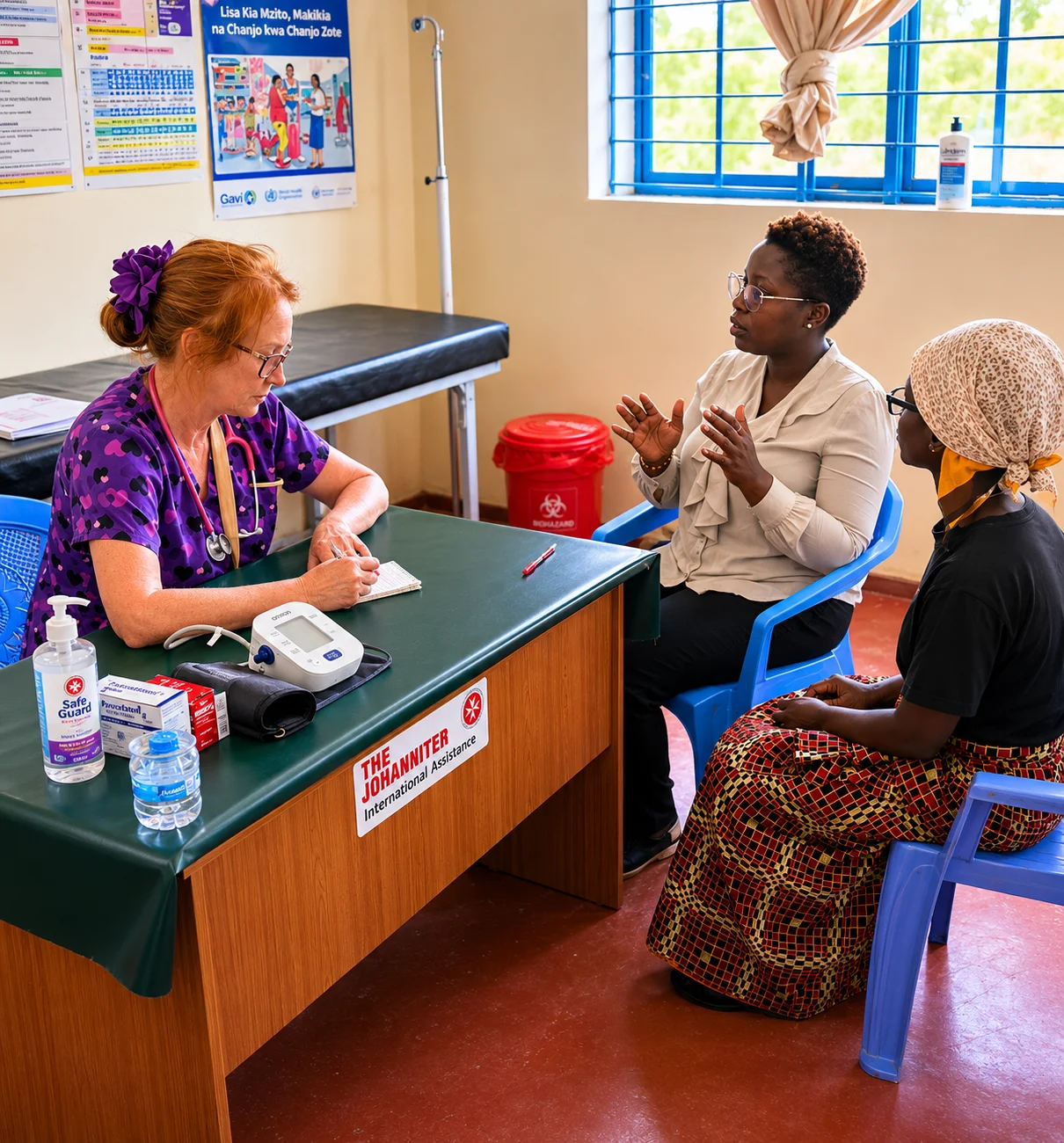
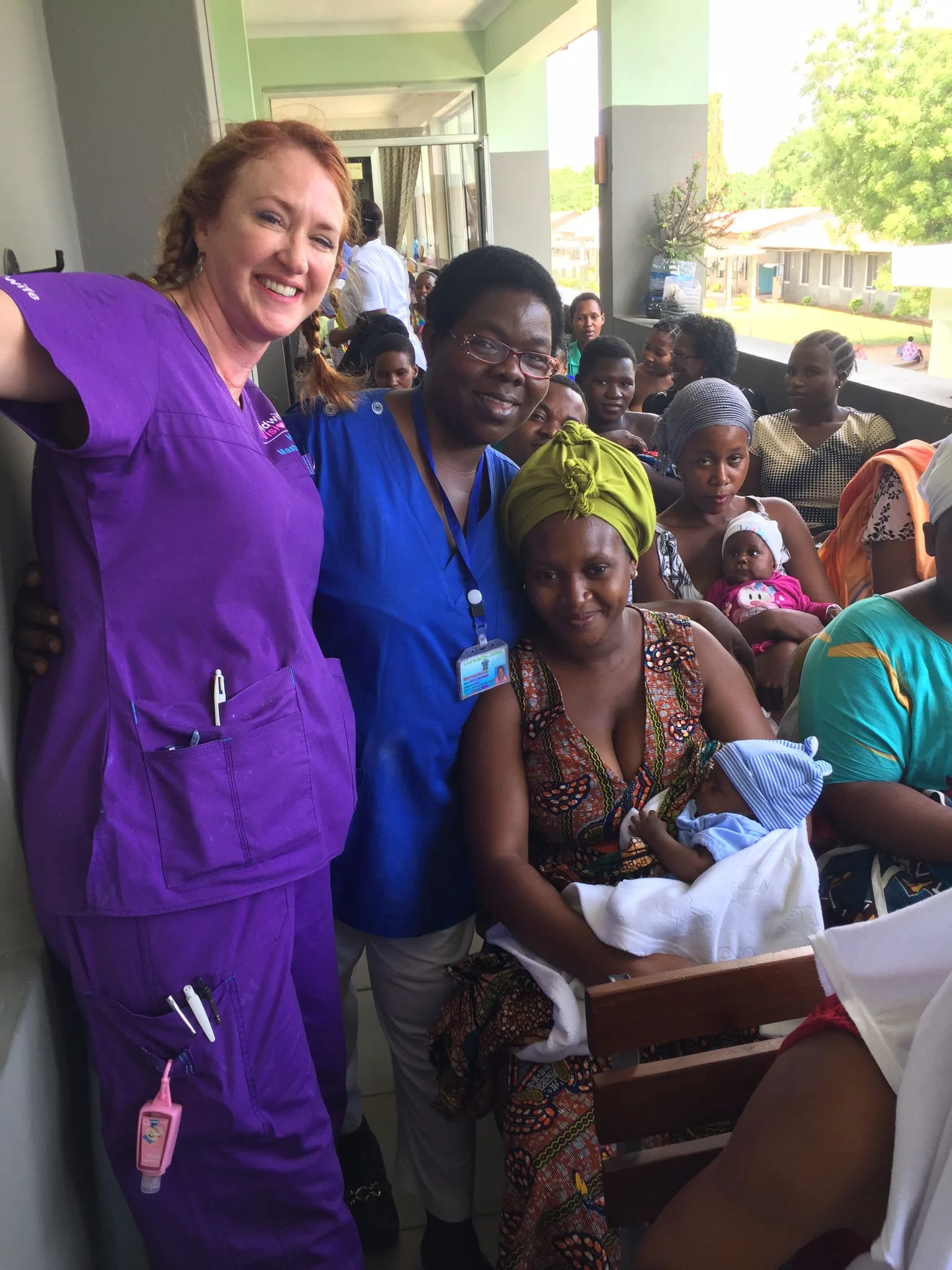
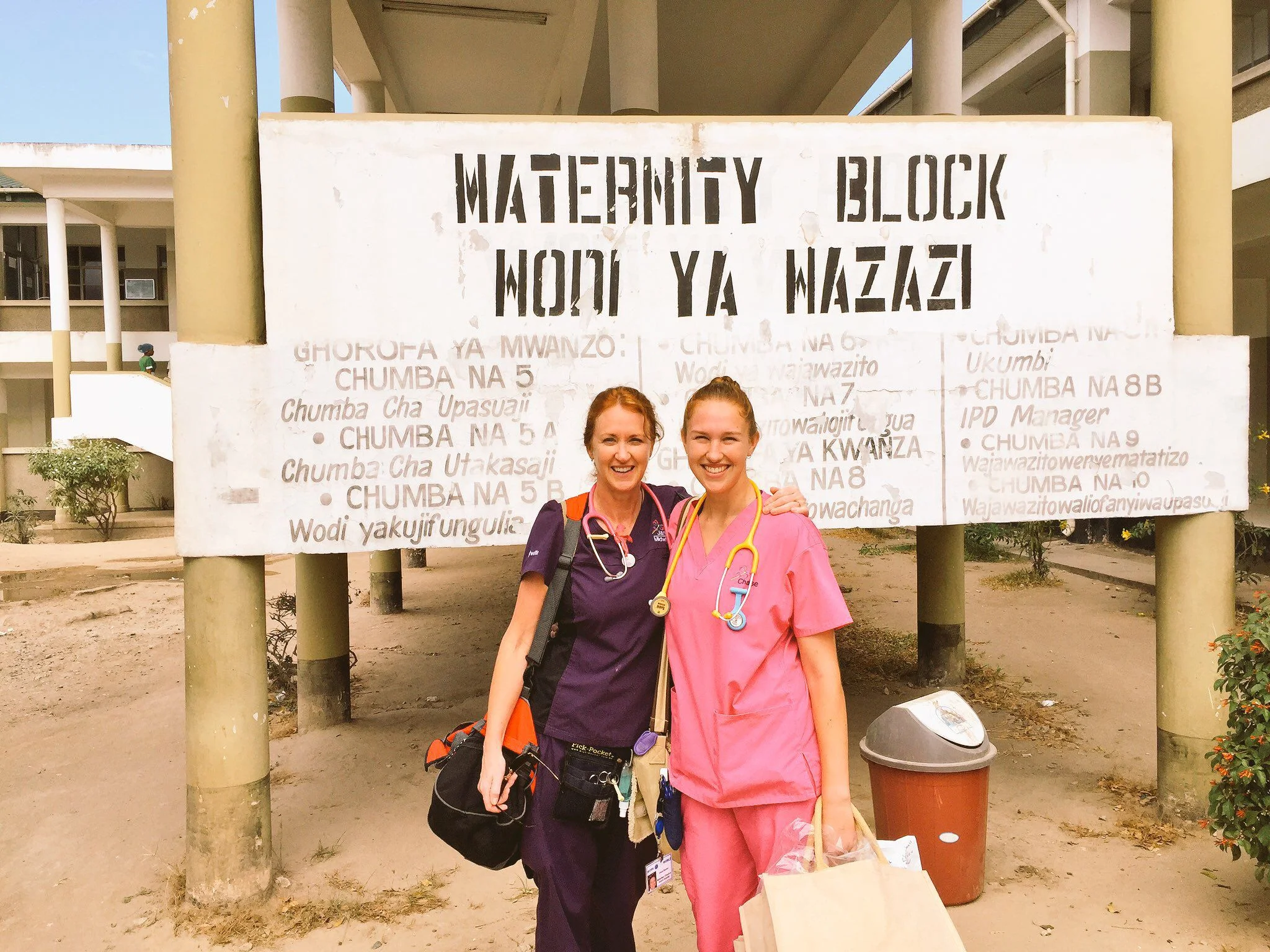
Learn from experienced humanitarian clinicians, public health practitioners, and field professionals who have worked in disaster responses, refugee health, remote healthcare, and resource-limited environments around the world. Drawing on real deployments and practical experience, teaching focuses on the realities of delivering healthcare when resources are stretched and conditions are far from ideal.
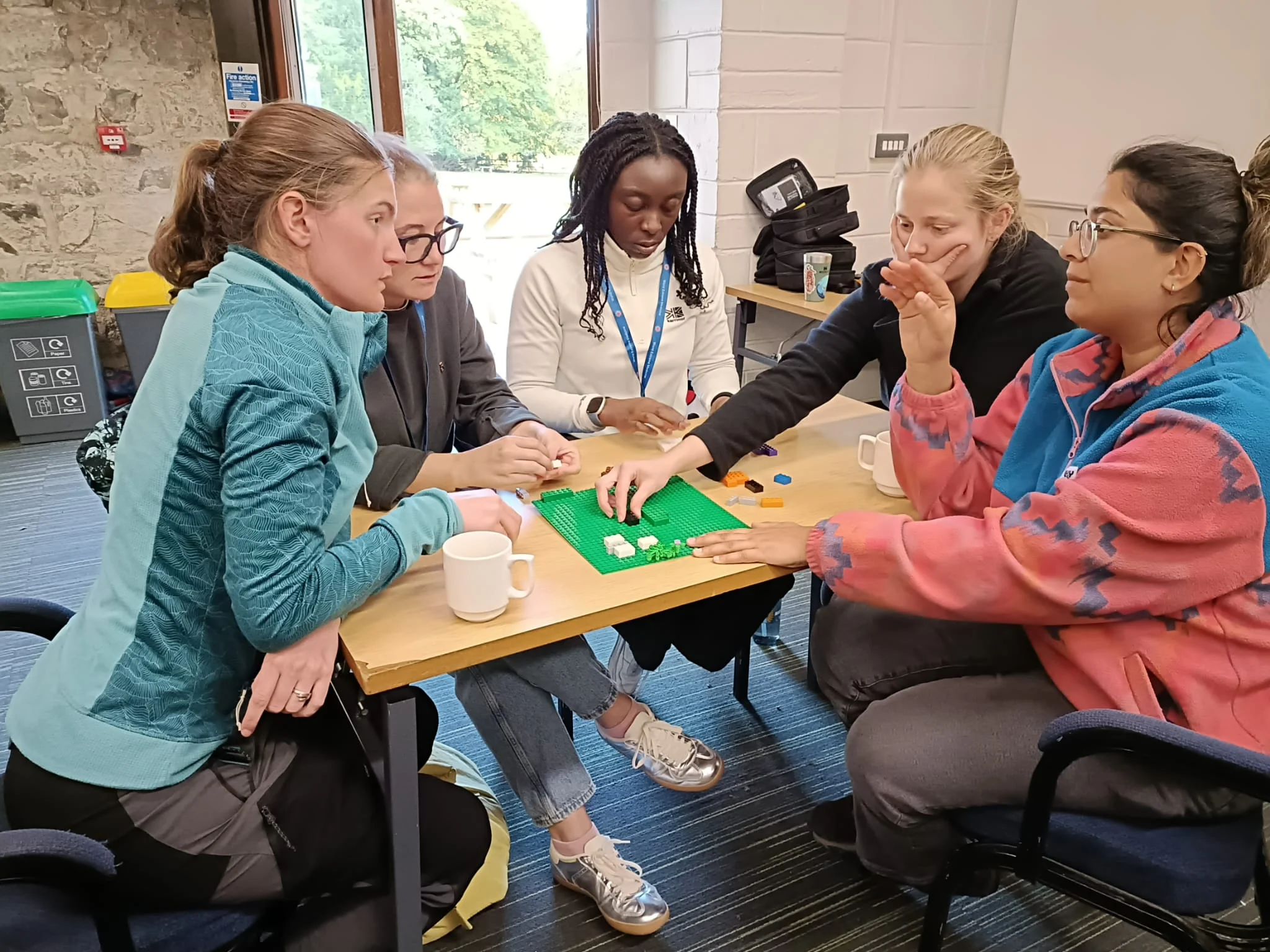
Workshops, Group Learning, and Case Discussions
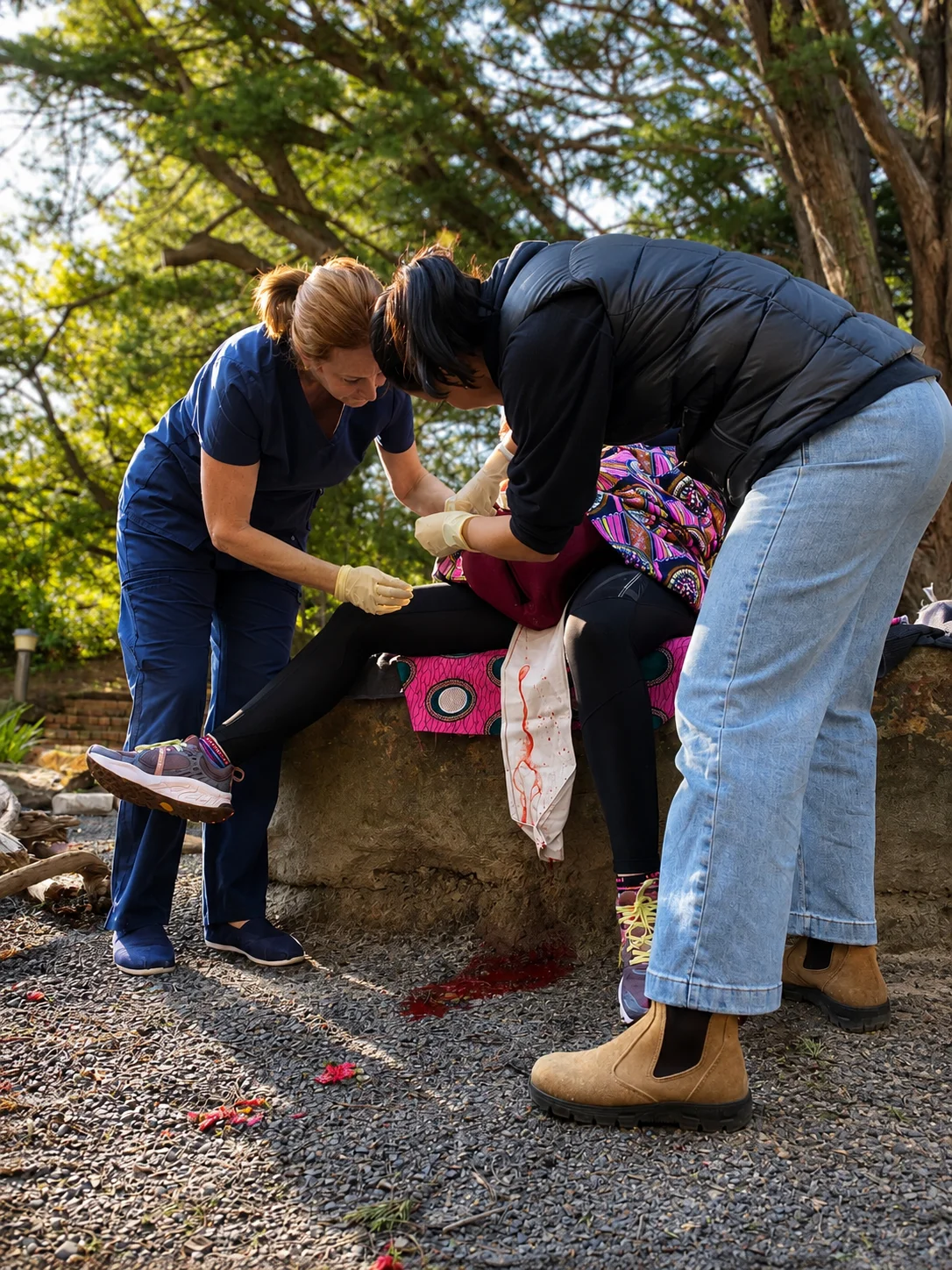
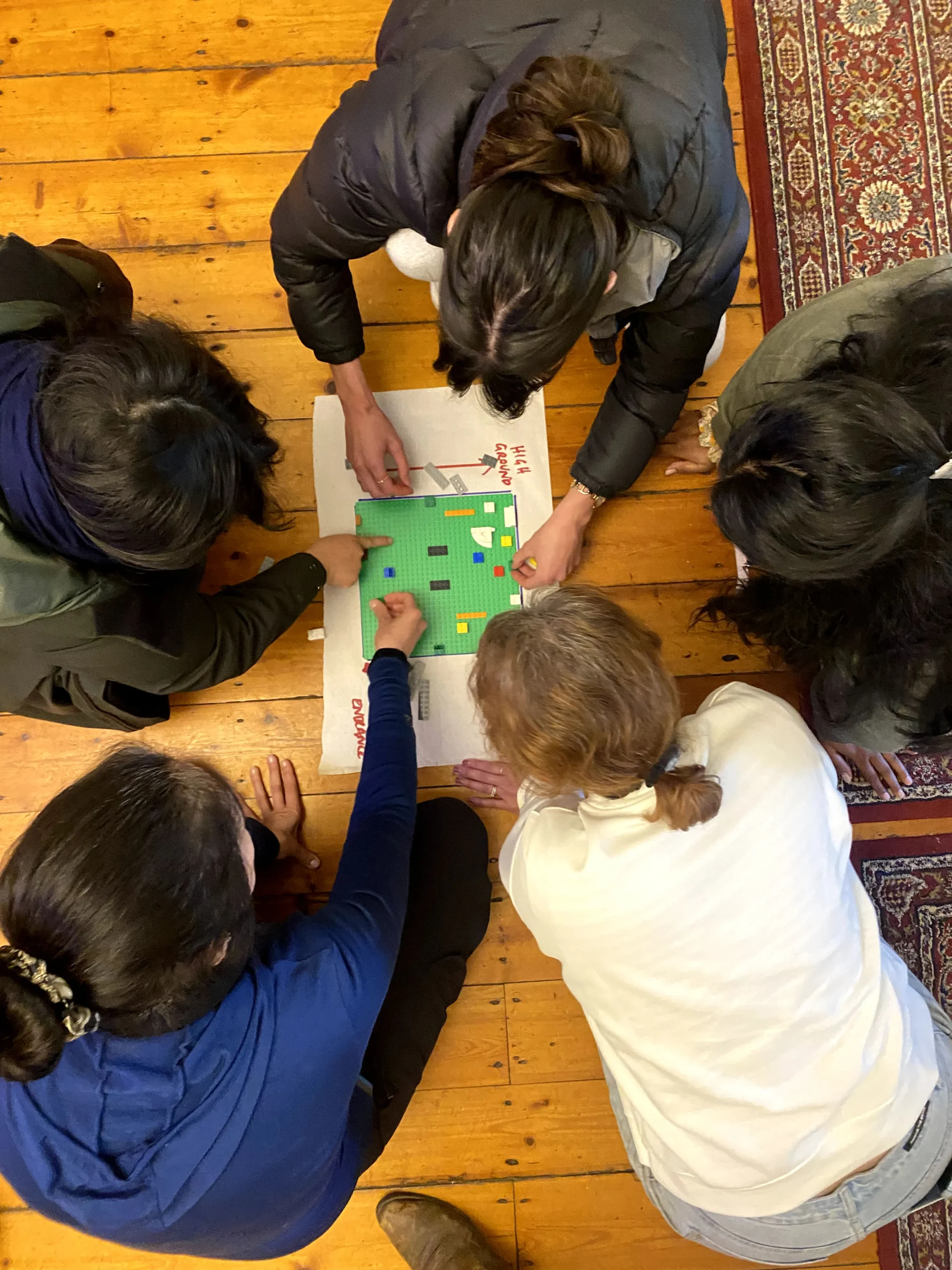
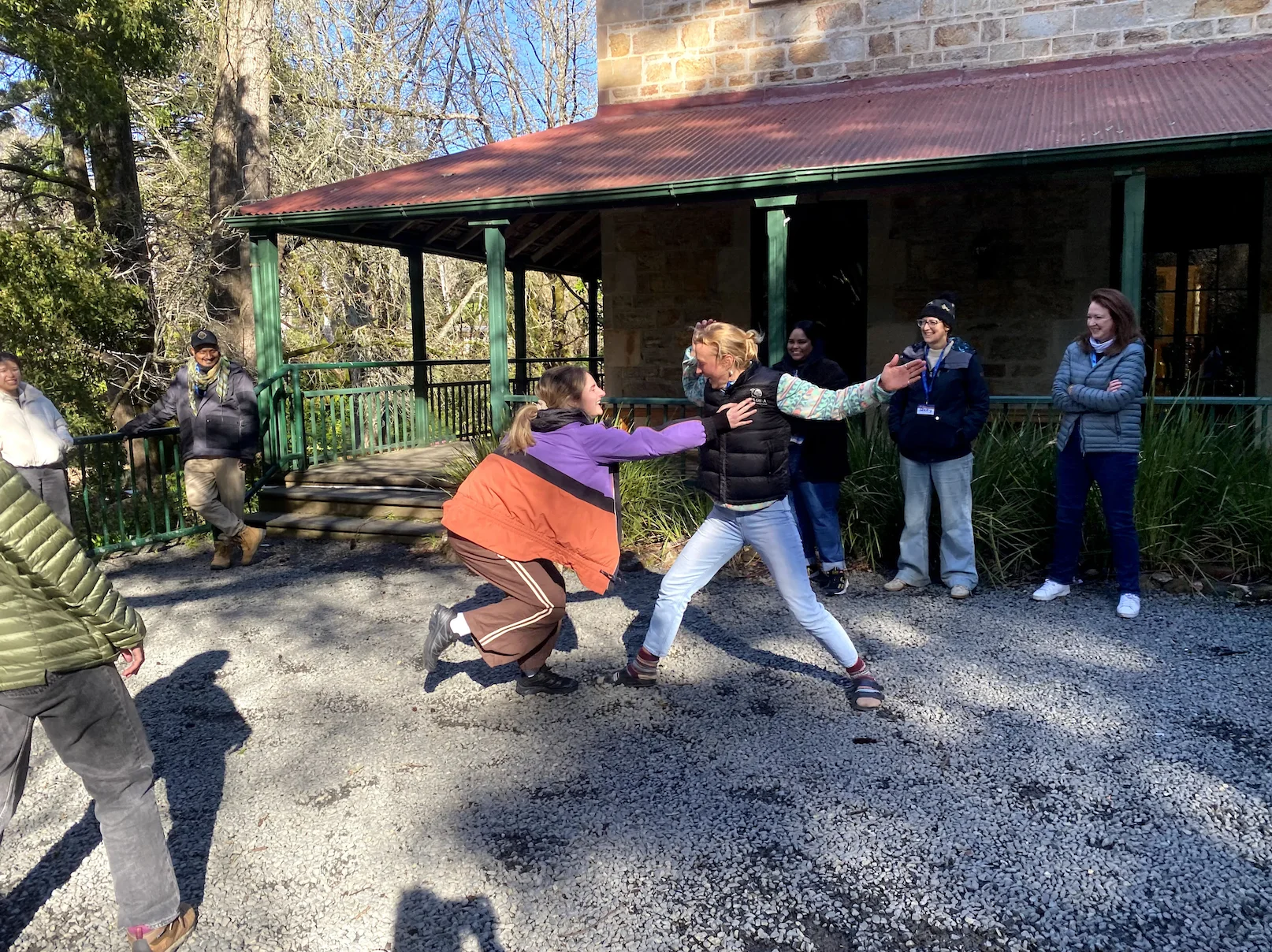
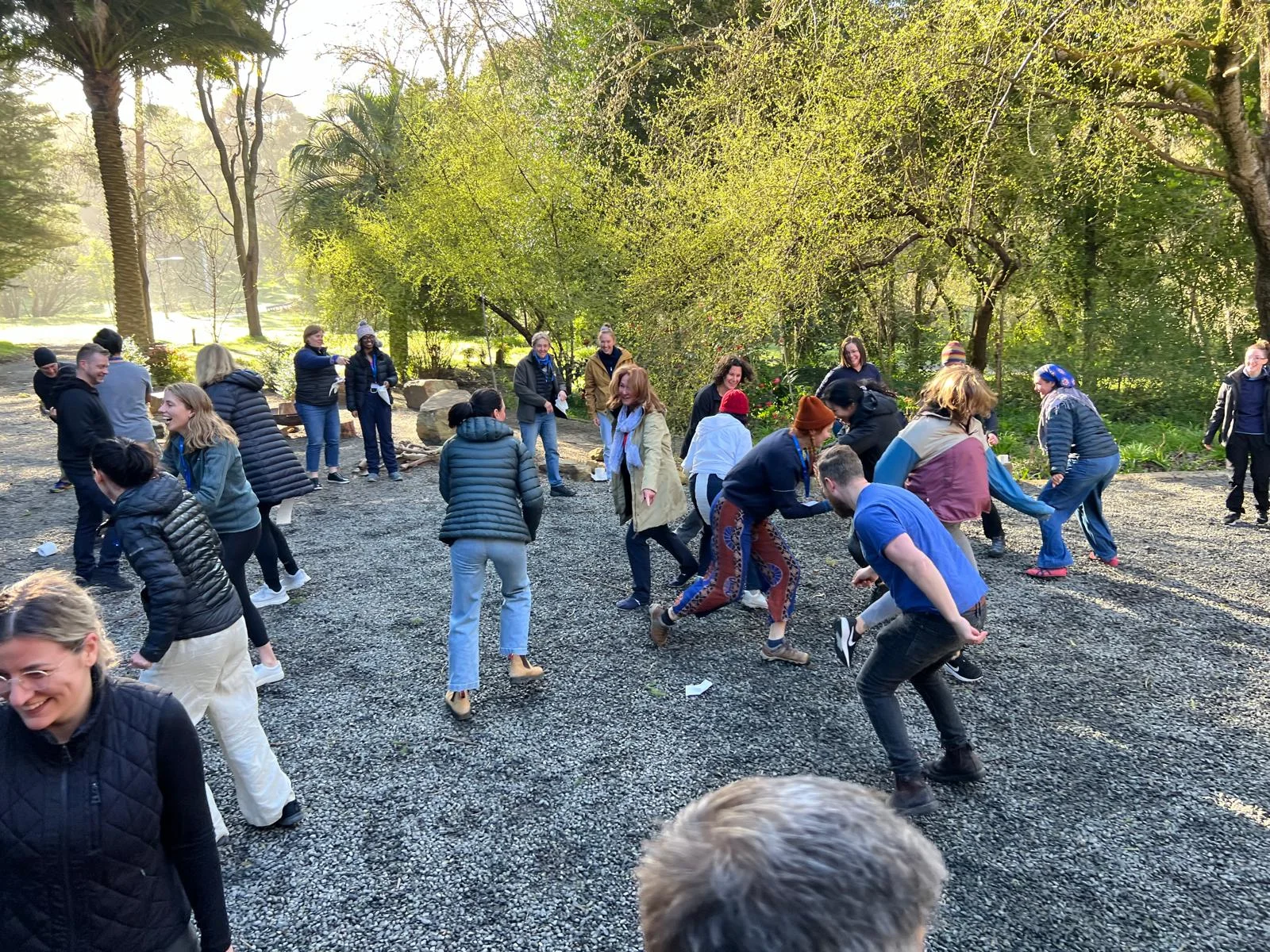
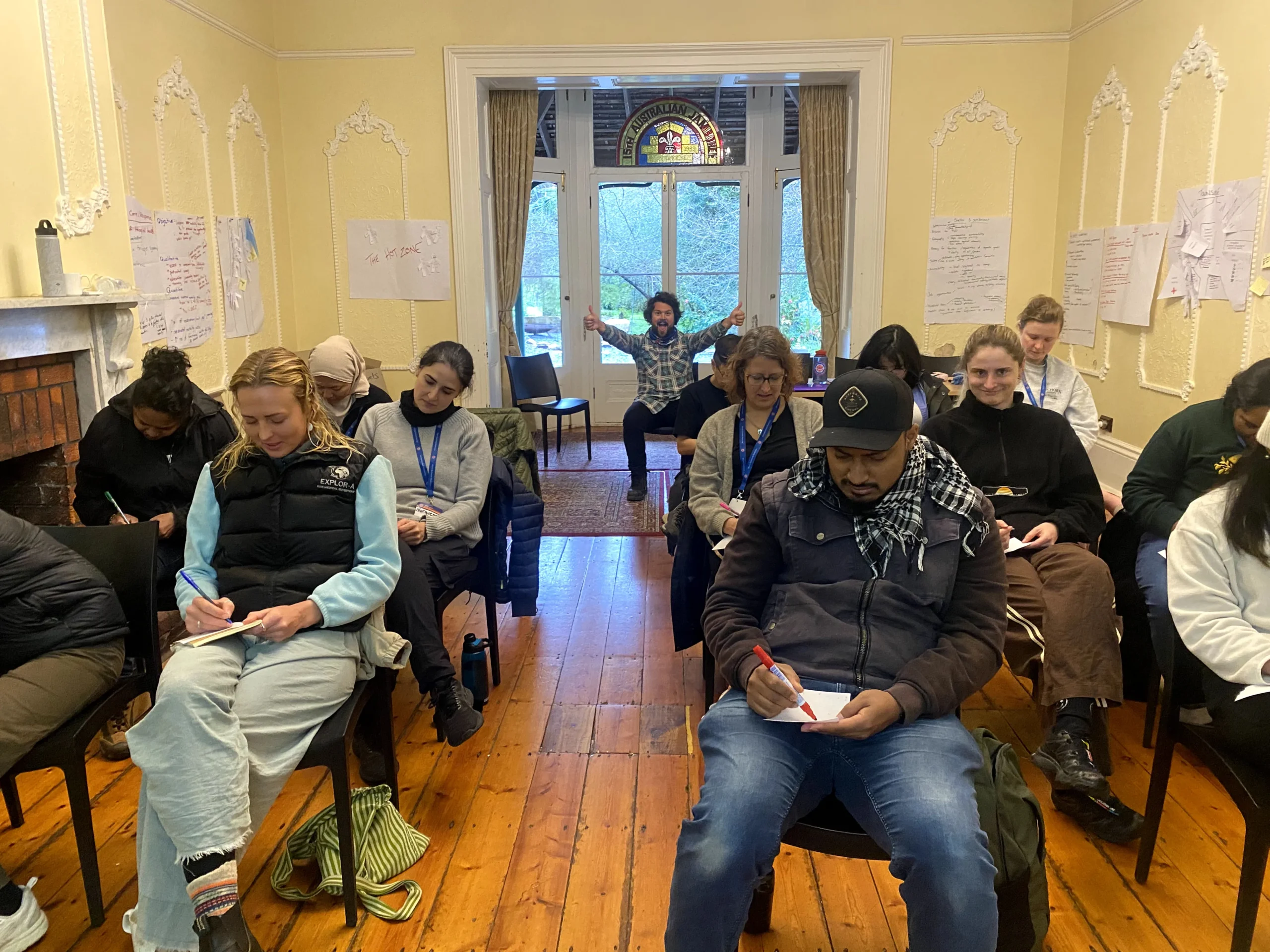
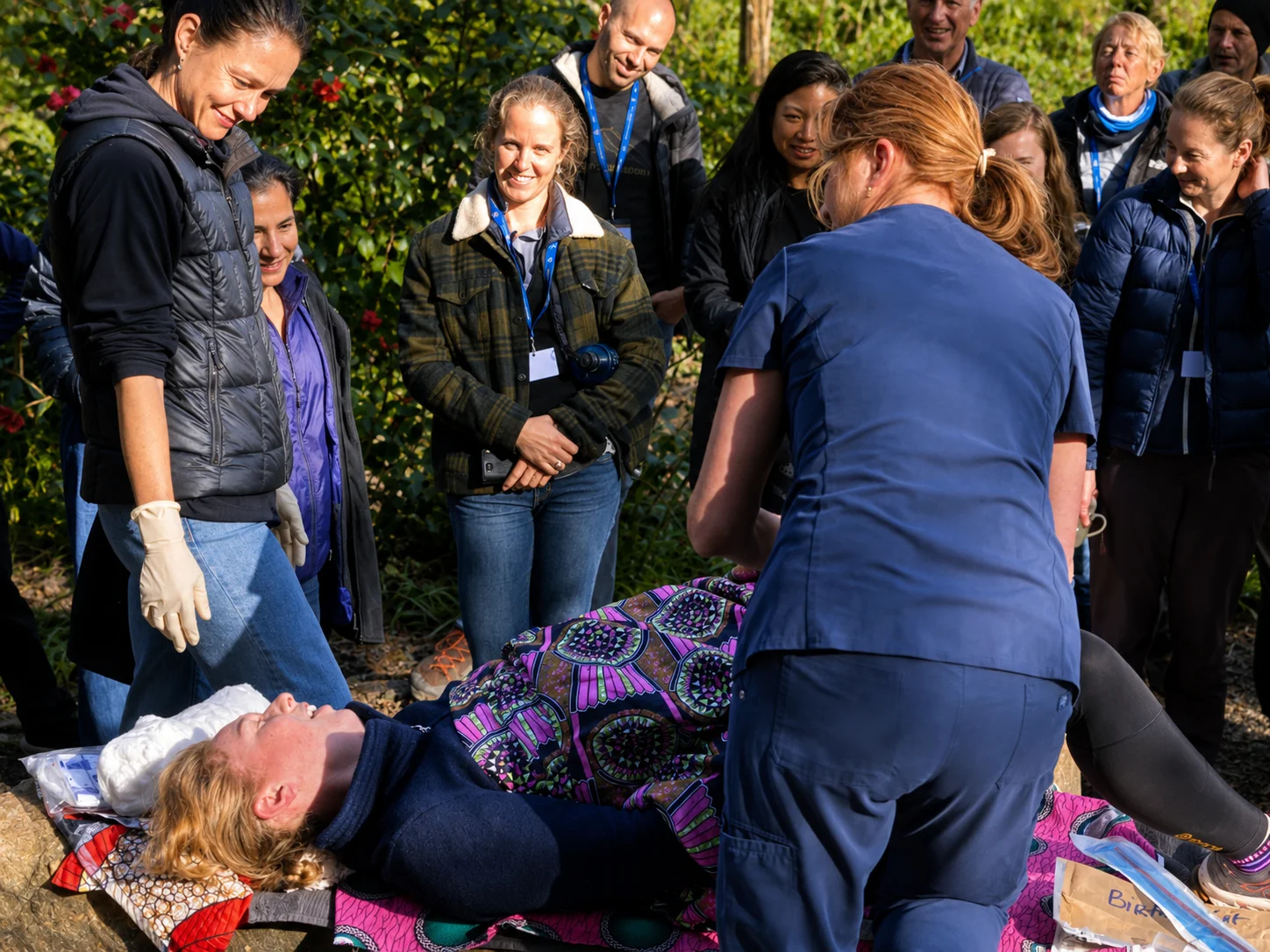
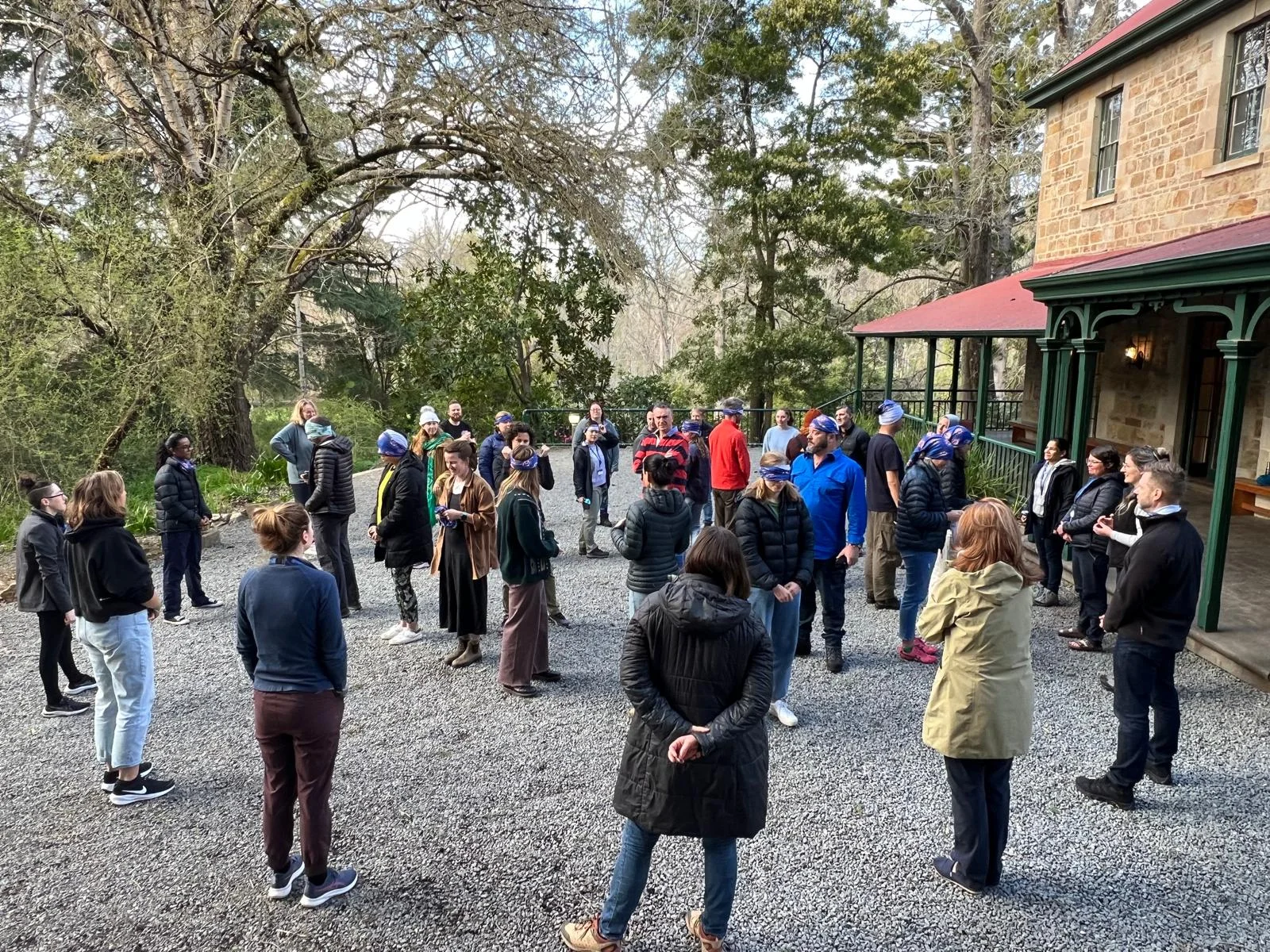
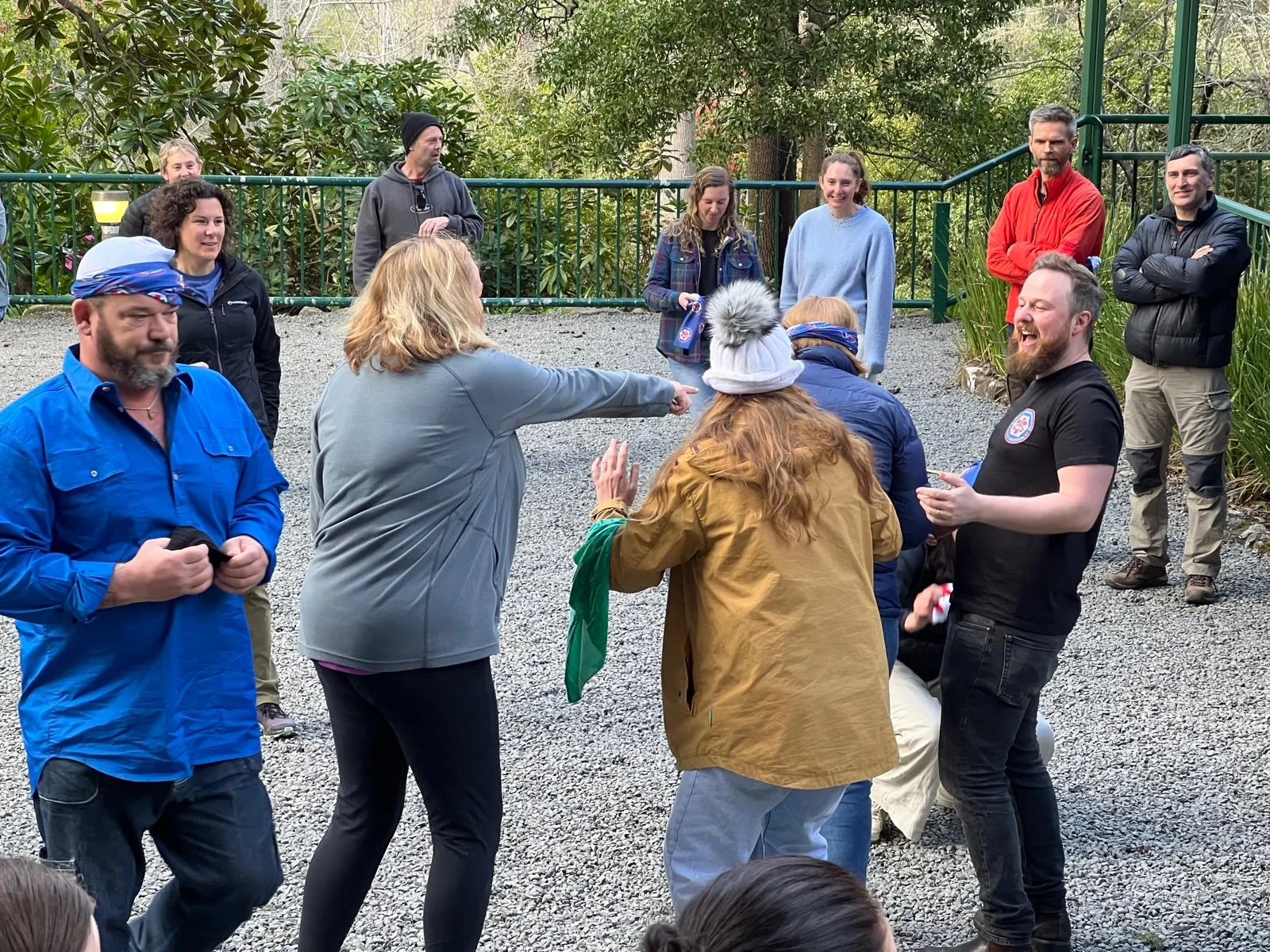
Humanitarian medicine is rarely straightforward. Throughout the course, you’ll take part in interactive workshops, case-based discussions, and group exercises designed to strengthen clinical reasoning, decision-making, and problem-solving in complex environments. Explore real-world challenges, debate difficult decisions, and develop a deeper understanding of humanitarian practice beyond the textbook.
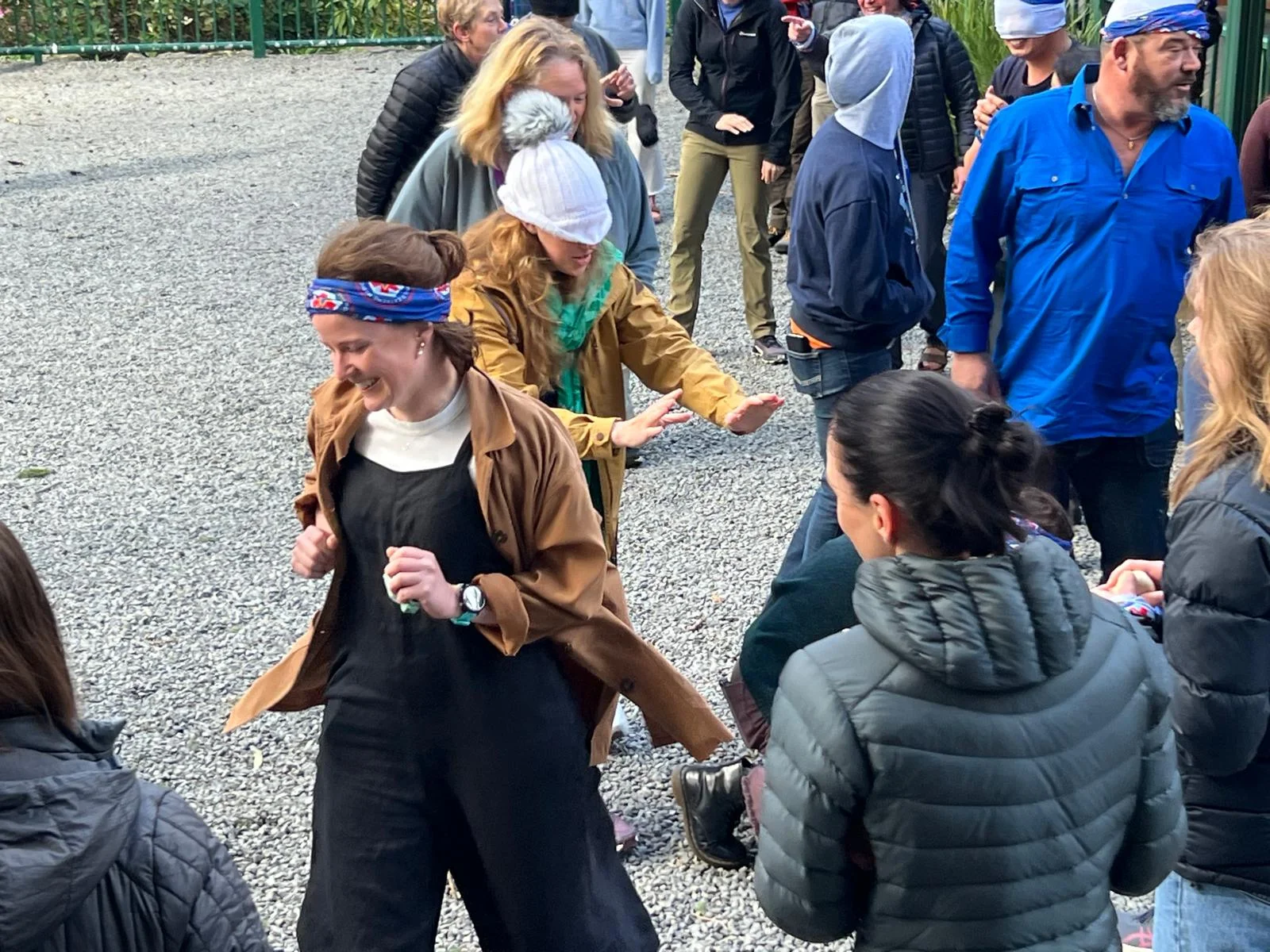
Accommodation and Meals
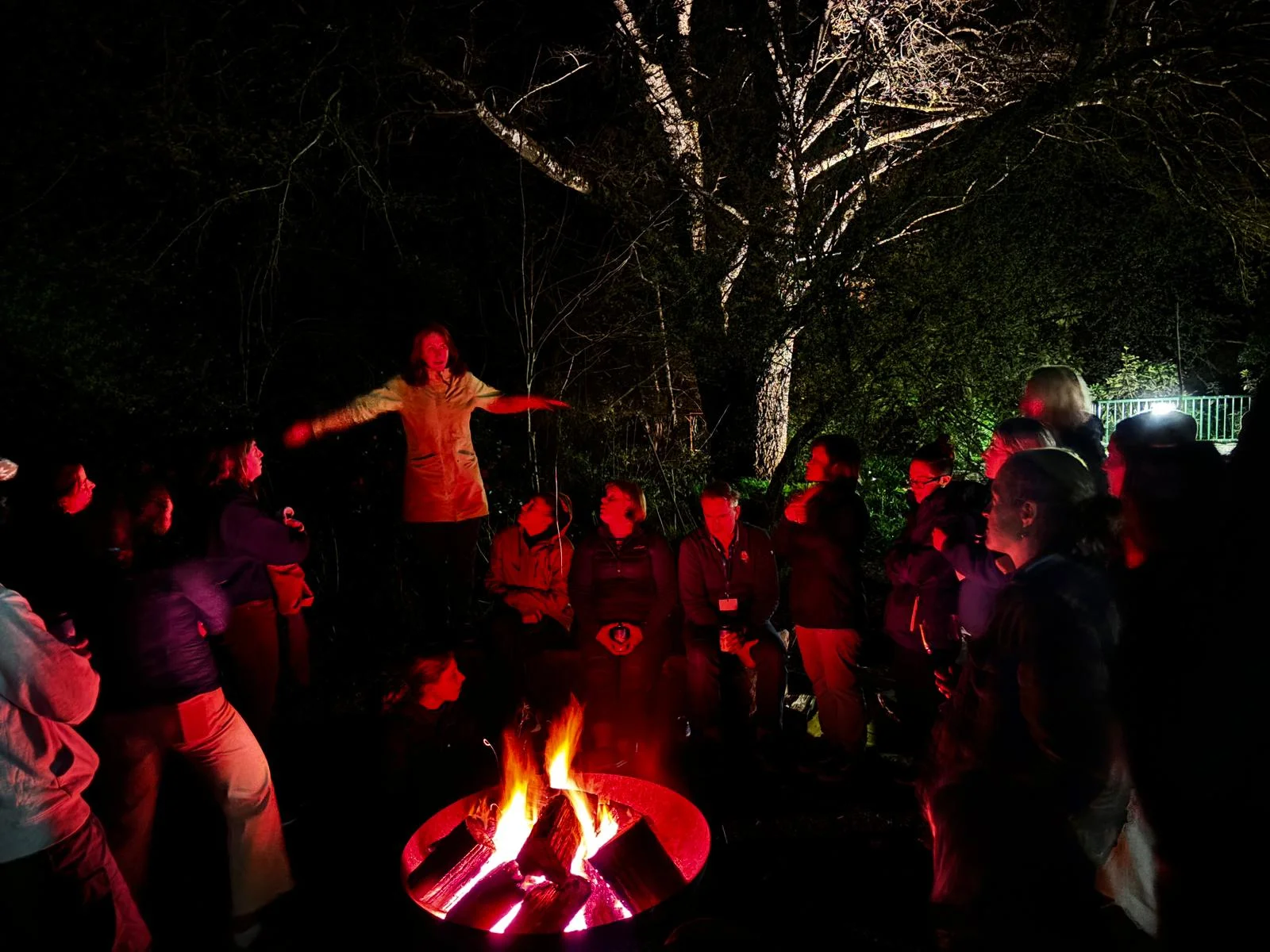
Your course fee includes on-site accommodation and meals throughout the programme at StayKCC in the Blue Mountains. Staying together creates opportunities for informal discussions, networking, and shared learning beyond the classroom, helping you make the most of your time on the course.
Please note that food and beverages purchased from the bar are not included in your course fee.
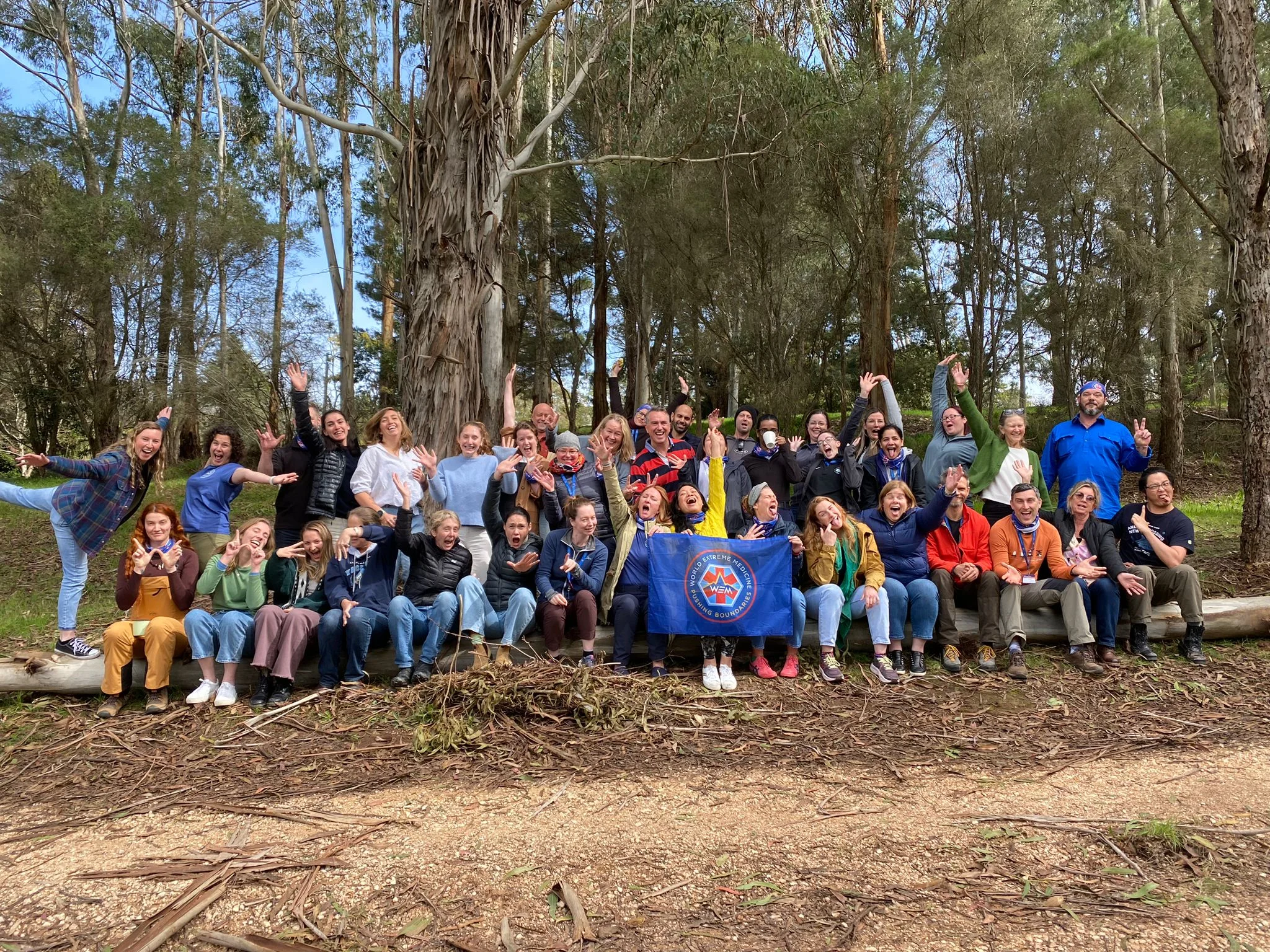
CPD Hours and Course Certification
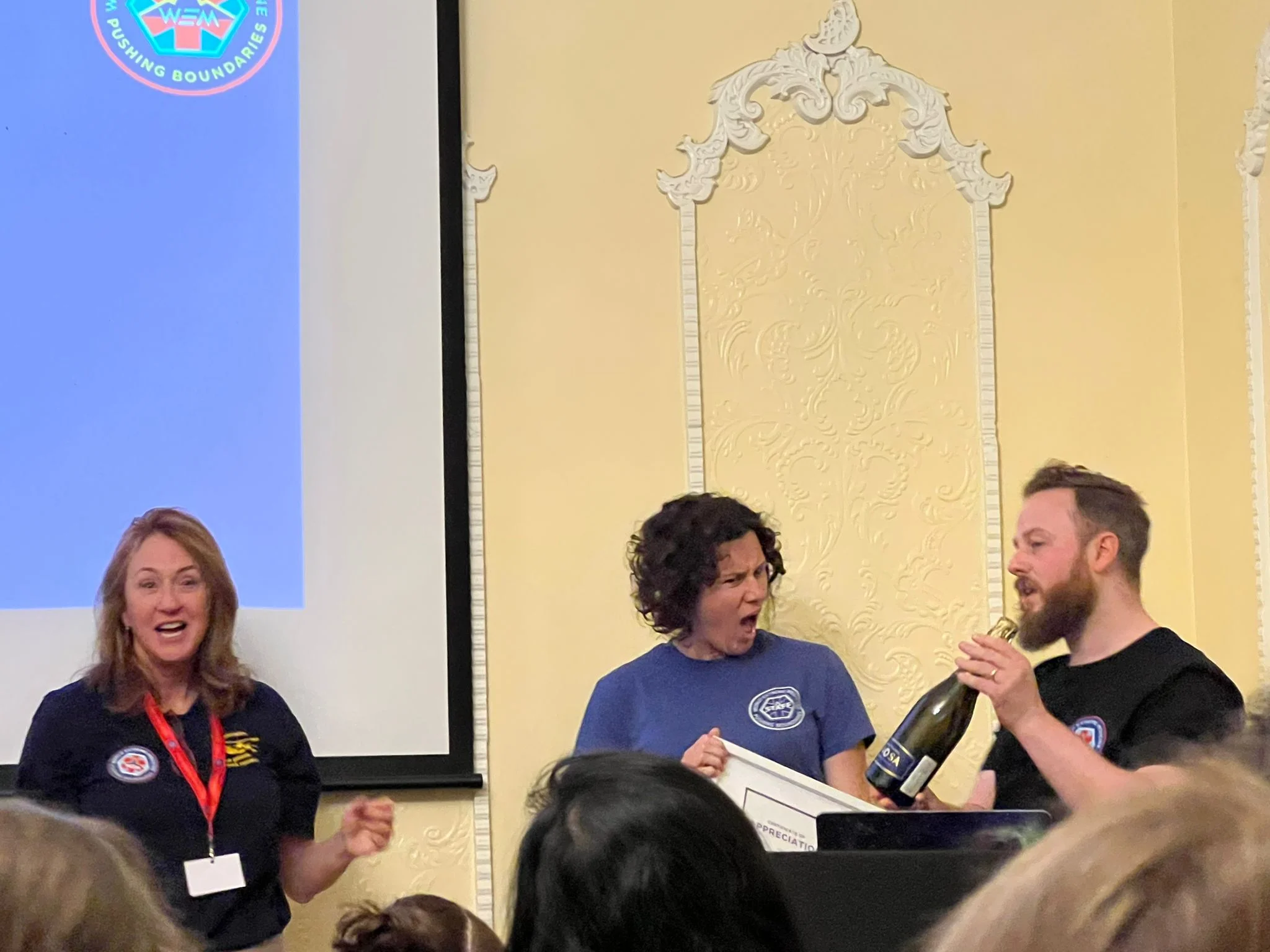
This course has been awarded 27 CPD hours by The Australian College of Rural and Remote Medicine (ACRRM). Upon completion, you’ll receive a certificate of attendance recognising your training in humanitarian medicine and your commitment to continuing professional development in this growing field.
Book Now
AUD $2,395.00
Sold Out
Frequently Asked Questions
Intended Learning Outcomes
By the end of this course, participants will be able to:
- Explain the key principles, structures, and challenges that underpin humanitarian healthcare and disaster response.
- Assess health priorities in humanitarian settings and understand how healthcare systems are designed and adapted during crises.
- Apply practical approaches to delivering healthcare in resource-limited environments where equipment, personnel, and infrastructure may be constrained.
- Demonstrate an understanding of water, sanitation, hygiene (WASH), camp design, and public health measures used to protect vulnerable populations.
- Recognise and manage common clinical presentations encountered in humanitarian settings, including maternal health emergencies, malnutrition, communicable diseases, and neglected tropical diseases.
- Describe the principles of disease surveillance, outbreak recognition, and population health monitoring in humanitarian contexts.
- Apply humanitarian security principles and demonstrate an understanding of personal safety, team safety, and risk management in complex environments.
- Understand the legal, ethical, and operational frameworks that guide humanitarian action, including key principles of humanitarian law.
- Demonstrate effective communication, teamwork, and decision-making skills through practical workshops and scenario-based exercises.
- Recognise the importance of psychological first aid, mental health support, and safeguarding considerations when working with vulnerable populations.
- Evaluate the challenges of delivering healthcare across cultures, healthcare systems, and humanitarian organisations while maintaining patient-centred care.
- Develop greater confidence in applying clinical judgement, adaptability, and leadership skills in uncertain and rapidly changing environments.
What course content is covered?
This Humanitarian Medicine course covers the clinical, public health, operational, and security considerations of delivering healthcare in humanitarian and disaster settings.
Content includes:
- Introduction to Humanitarian Medicine
- Humanitarian Principles & Standards
- Health Priorities in Disaster Zones
- Health System Design & Humanitarian Response
- Adapting Clinical Practice to Resource-Limited Environments
- Working with National Staff & Local Health Systems
- Humanitarian Communications & Radio Skills
- Logistics & Supply Chain Management
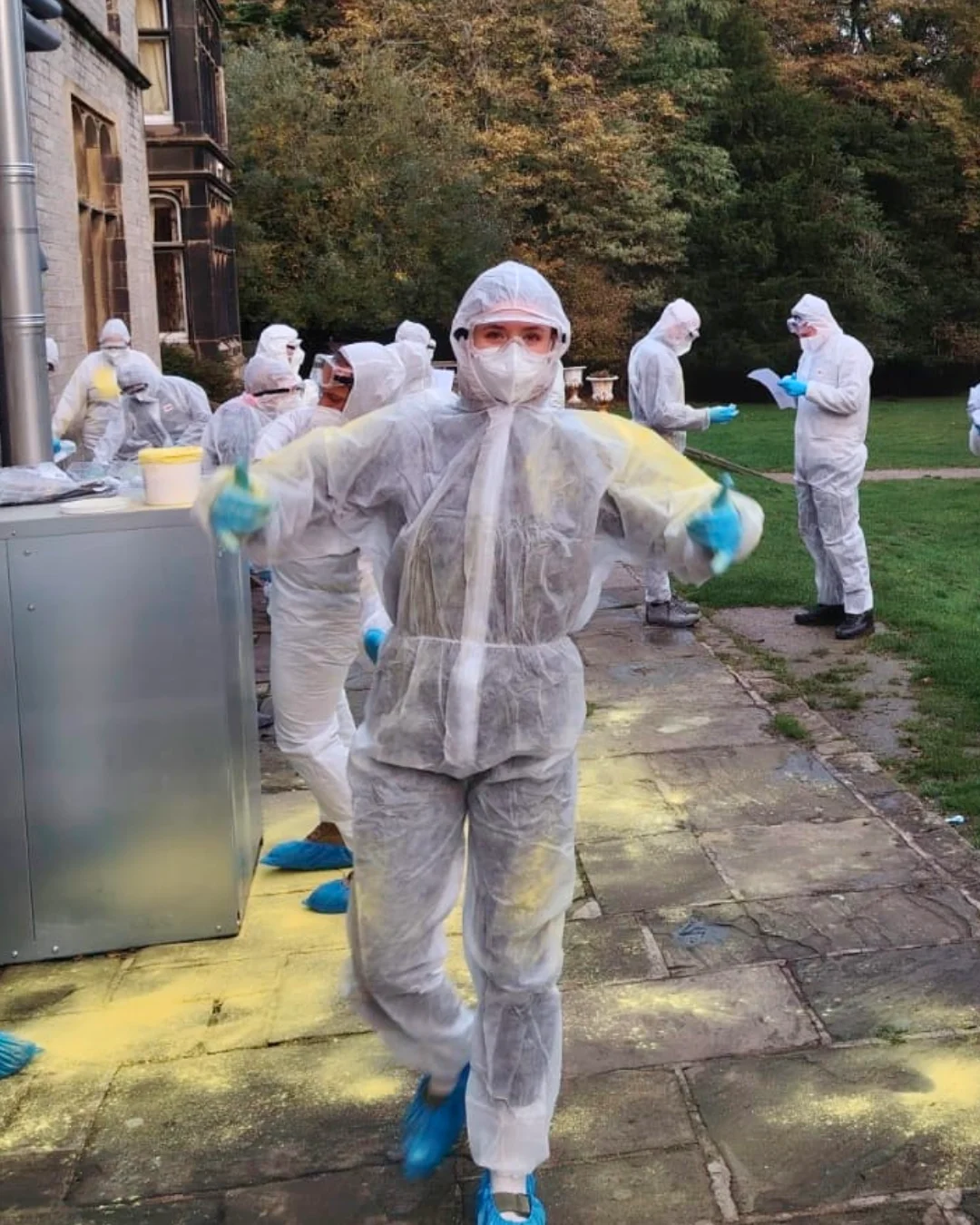
- Chemical, Biological, Radiological & Nuclear (CBRN) Awareness
- Maternal & Obstetric Emergencies in Low-Resource Settings
- Child Health in Humanitarian Contexts
- Camp Management & Sphere Standards
- Water, Sanitation & Hygiene (WASH)
- Humanitarian Camp Design
- Malnutrition Assessment & Management
- Public Health & Disease Surveillance
- Women’s Health in Humanitarian Settings
- Female Genital Mutilation & Its Impact on Care
- Personal & Team Security
- Humanitarian Law & Ethical Practice
- Communicable Diseases
- Neglected Tropical Diseases
- Mass Casualty Management
- Humanitarian Security & Roadblock Scenarios
- Non-Communicable Disease in Humanitarian Settings
- Health Indicators & Needs Assessments
- Psychological First Aid
- Mental Health in Humanitarian Contexts
- Leadership, Decision-Making & Clinical Judgement in Complex Environments
- Care of Vulnerable Populations
- Humanitarian Careers & Deployment Pathways
Teaching is delivered through a mix of lectures, practical workshops, case discussions, field exercises, and scenario-based learning.
Is this course right for me?
This course is designed for healthcare professionals and students who want to understand and apply humanitarian medicine principles in real-world settings. It’s well suited to those exploring humanitarian deployments, global health work, disaster response, or anyone wanting to strengthen their ability to deliver care in disrupted, resource-limited environments.
You don’t need previous humanitarian experience — just curiosity, professionalism, and a willingness to engage with complex decision-making.
Do I need previous humanitarian medicine training?
No. This course is structured as a clear, supported introduction to humanitarian medicine. If you’ve completed Expedition & Wilderness Medicine (or similar), you may recognise some resource-limited thinking, but it’s not a requirement.
If you’re unsure whether this is the right next step, we recommend using the Course Fit Checker or booking a discovery call.
What level of fitness is required?
You don’t need to be an elite athlete. This is a venue-based course with classroom teaching and workshops. A good level of general fitness is helpful, particularly for short outdoor elements, but the focus is on learning, judgement, and application — not physical performance.
What kit do I need to bring?
While this is primarily a classroom-based course, you should be prepared for short outdoor sessions and variable mountain weather.
We recommend as a minimum you bring:
- Waterproof jacket and trousers
- Outdoor footwear
- Spare clothing in case you get wet
- 1L Water bottle
- Small rucksack
More information will be provided within your joining instructions.
I have another question
If you wish to learn more or have any additional questions, we invite you to book a 20-minute discovery call with our team.
→ Click here to book a discovery call.
The call will be with the team who organise our courses and work closely with our medical teaching faculty. They’re best placed to explain what our attendees really get out of attending a course with us.
You can choose between a video or voice call — whatever suits you best.
Register for a time that works for you, and we look forward to speaking with you soon.
Prefer email? Then feel free to contact us.
Your Safety
The comprehensive curriculum and field scenarios are carefully designed to push your limits while mitigating risks.
We take every precaution to keep participants safe by:
- Rigorous gear checks before all expedition days
- Mandatory evacuation insurance policies
- Close coordination with local emergency responders
Resources