It’s not breaking news to say that Australia doesn’t lack wild places, but it can lack immediate help when things go wrong.
If you’re working, travelling, or adventuring in remote environments, whether that’s on expedition, in remote healthcare, humanitarian response, or adventure guiding, the skills you need change the moment the ambulance is hours away.
That’s exactly why our four-day Expedition & Wilderness Medicine Course in the Blue Mountains near Sydney exists: to prepare healthcare professionals and students to operate confidently in austere, remote, and unpredictable environments.
Why Expedition & Wilderness Medicine Matters in Australia
Delivering medical care in the wild is rarely straightforward. The environment, the delay to evacuation, the kit you have (or don’t), and the dynamics of your team all affect patient outcomes.
This course goes far beyond standard first aid. Over four days, you’ll train in:
- Clinical decision-making when you have limited resources
- Human factors and team communication under pressure
- Trauma management and patient movement
- Environmental and expedition-specific conditions
- Public health, logistics, and planning
- Realistic search & rescue and casualty evacuation scenarios
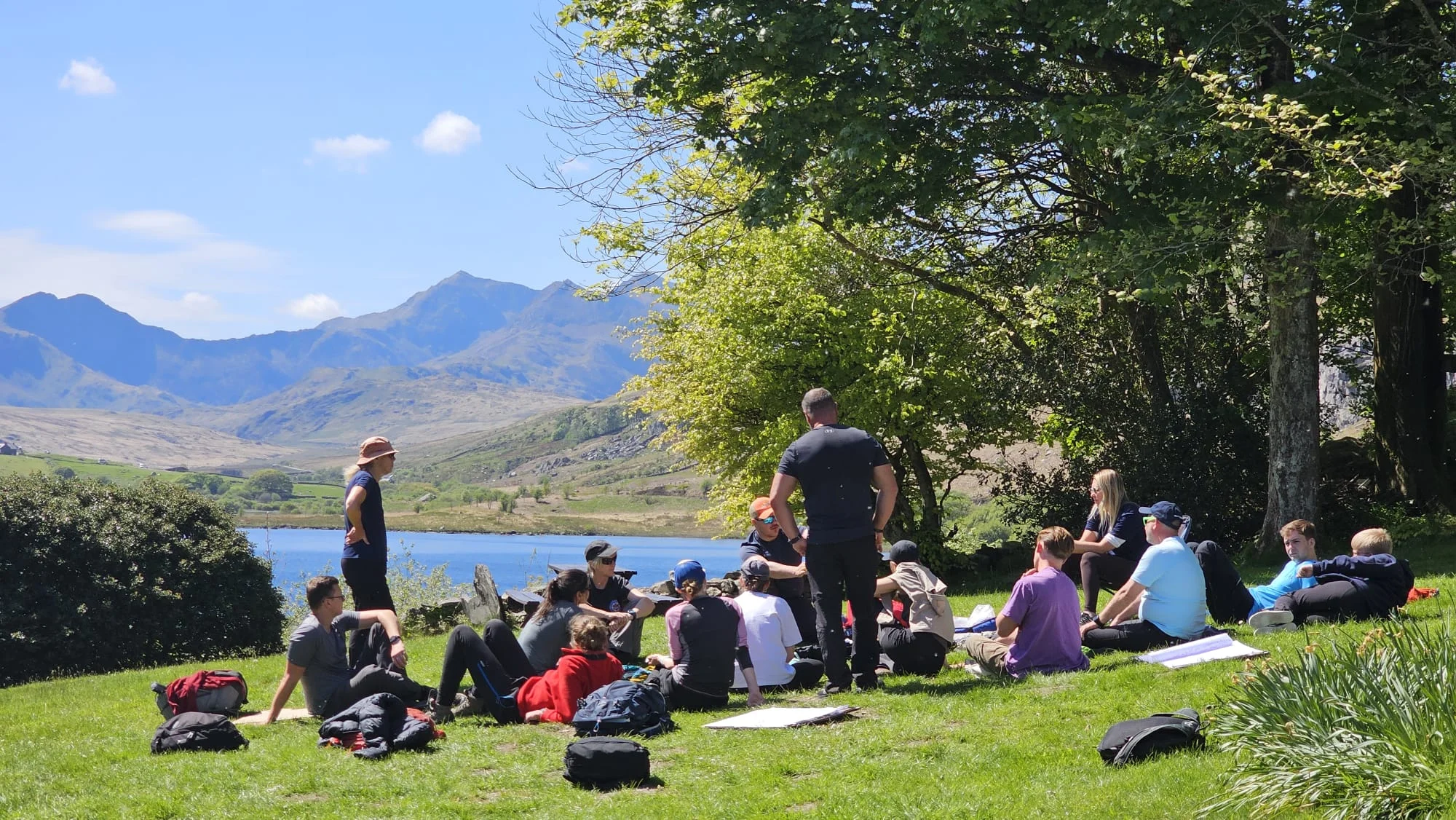
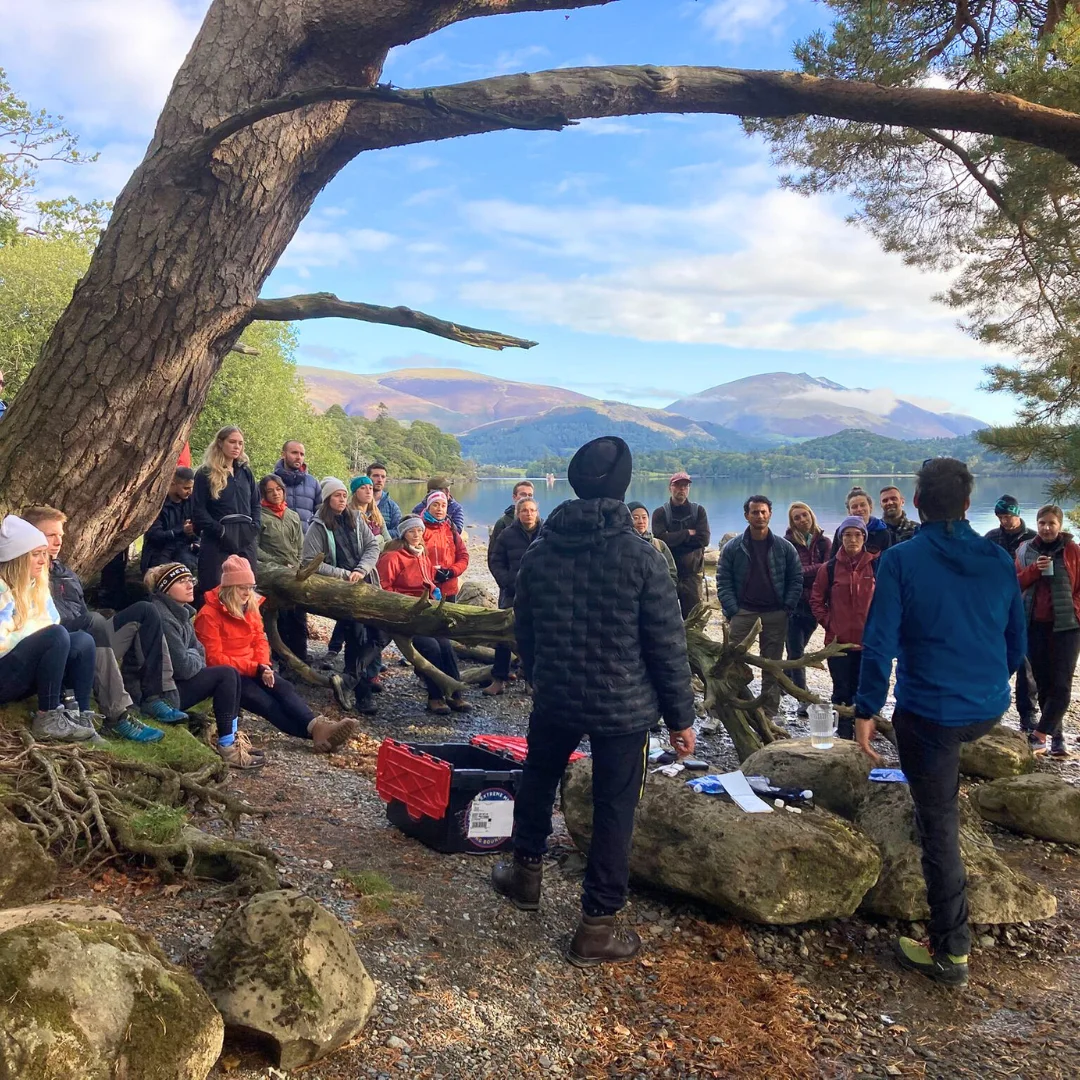
It’s hands-on, outdoors, and scenario-driven from start to finish.
Course Overview: What’s Included
Dates: 19th – 22nd October 2026
Location: Blue Mountains, NSW (near Sydney)
Price: AUD $2,739 (deposit option available: $400)
CPD: 26.25 hours awarded by the Australian College of Rural & Remote Medicine (ACRRM)
Who it’s for: Healthcare professionals and students, no previous wilderness medicine experience required.
Accommodation & Meals Included!
Your course fee includes accommodation and meals for the duration of the course. You’ll be based at StayKCC in Katoomba, in shared bunk-style accommodation, creating a proper team environment and making logistics simple.
Arriving the day before is recommended to settle in and meet your course mates.
More Than a Course: The People You’ll Meet
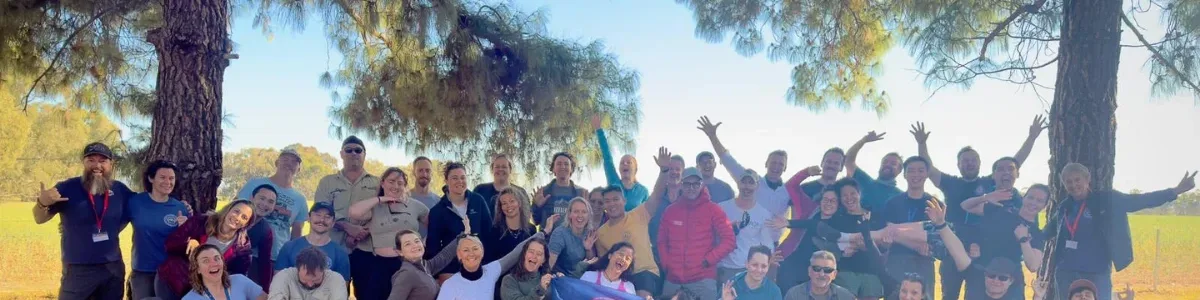
One of the biggest takeaways from this course isn’t just what you learn, it’s who you learn it with. You’ll be joining a group of like-minded individuals, from clinicians exploring expedition work for the first time to those already working in remote and challenging environments. That mix creates a space where conversations don’t stop when the scenarios end.
Before the course even begins, you’ll be added to a dedicated WhatsApp group. It’s a simple but powerful way to:
- Connect with other participants ahead of time
- Ask questions about kit, travel, and preparation
- Get to know the faculty and the people you’ll be learning alongside
During the course, those connections deepen quickly. Working together in real-world scenarios builds trust, communication, and shared experience in a way that’s hard to replicate in a classroom.
And it doesn’t end when you leave the Blue Mountains, after the course, you’ll have access to the wider World Extreme Medicine community, including dedicated groups where opportunities are regularly shared. That could be:
- Job vacancies in expedition and remote medicine
- Opportunities to join projects or deployments
- Further training and course recommendations
- Ongoing conversations with people working in the field
For many, this becomes just as valuable as the course itself, a network of people who understand the environments you want to work in, and who are actively part of that world.
What You’ll Learn Over Four Days
Day One: Foundations & Decision-Making
You’ll cover expedition medicine principles, human factors, risk management, communication, and how to approach patient care when resources are limited.
Day Two: Trauma & Movement Skills
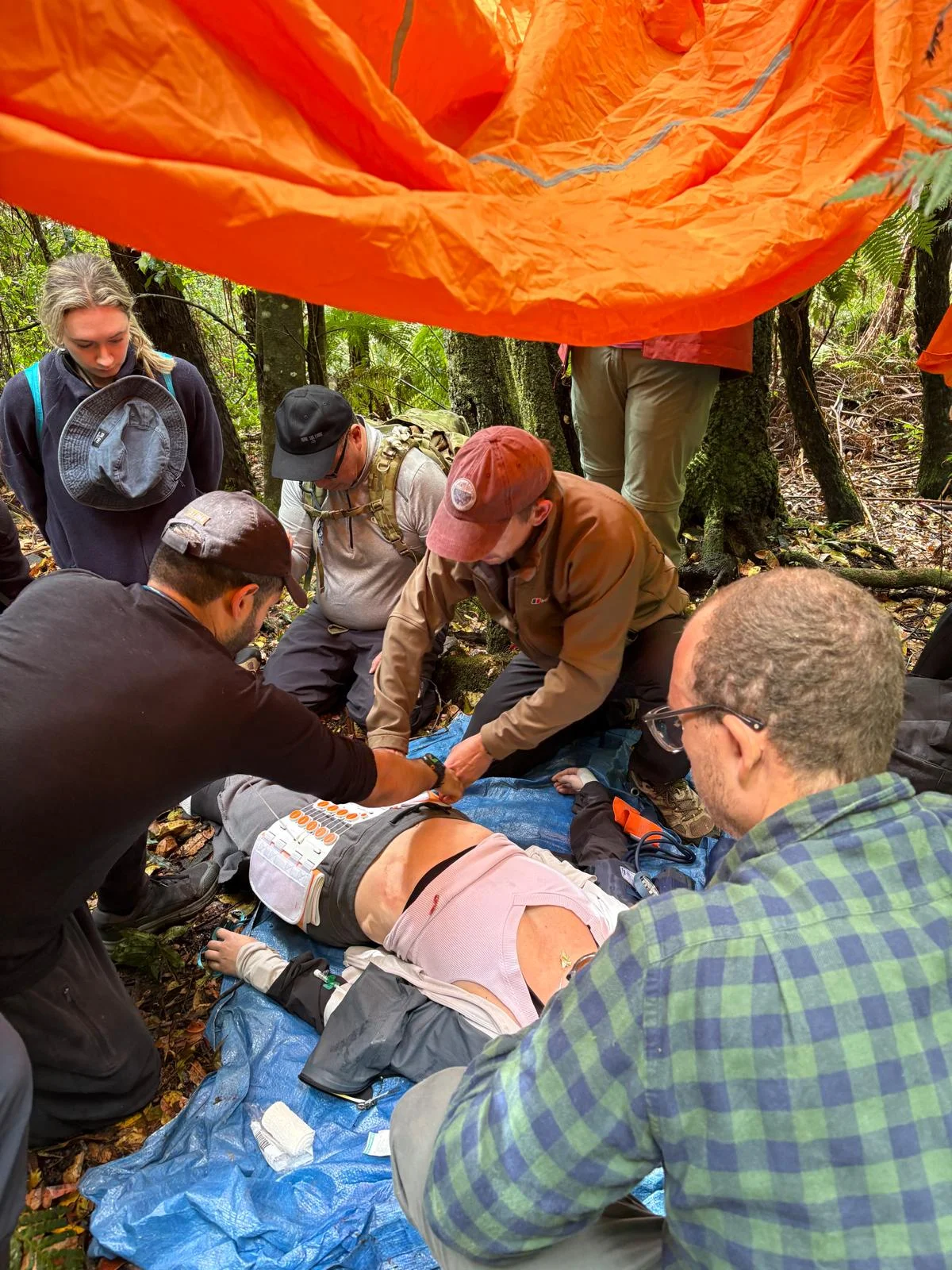
Practical sessions focus on primary survey, bleeding control, fracture management, patient movement, and scenario-based learning outdoors.
Day Three: Environmental & Expedition Medicine
This includes environmental illness, altitude considerations, water safety, public health, wound care, mental health, expedition planning, communications, and medical kits.
Day Four: Realistic Search & Rescue Scenario
The final day integrates everything you’ve learned: locating, treating, and evacuating a casualty using clinical skill, teamwork, and leadership under pressure.
How This Course Compares to Other Options in Australia
If you’ve started researching wilderness or expedition medicine in Australia, you’ll likely find:
- University expedition programmes that are longer, more academic, and significantly more expensive.
- Premium wilderness rescue courses that are highly specialised and boutique, often with small cohorts and higher price points.
- Remote first aid or AWLS/WLS-style courses that are excellent foundations, but don’t provide the same depth across expedition planning, medical kits, logistics, public health, and leadership.
Our course sits squarely in the sweet spot: practical, clinically relevant, scenario-based, and designed to reflect real-world expedition medicine.
Getting to the Blue Mountains
One of the biggest advantages for Australian participants is the location. The Blue Mountains are easily accessible from Sydney, with regular trains taking around two hours to reach Katoomba. This makes it easy to attend without the need for complex travel logistics.
Kit, Conditions & Preparation
Blue Mountains weather is unpredictable. You’ll be outdoors for long periods, on uneven terrain, often in rain, wind, or cold. Proper kit is essential.
Waterproofs and ankle-support boots are mandatory. You’ll receive a full kit list before the course, and there’s a WhatsApp group ahead of time so you can ask questions and coordinate travel.
Frequently Asked Questions
Do I need previous wilderness medicine experience?
No. This course is suitable for those new to expedition medicine, as well as clinicians looking to formalise or expand their skills.
Where will I stay?
Accommodation is included at StayKCC in the Blue Mountains for the duration of the course.
Is there support before the course?
Yes. A pre-course WhatsApp group allows you to connect with faculty and participants, ask questions, and coordinate logistics.
Ready to Build Confidence in Remote & Expedition Medicine?
If you want training that goes beyond the textbook and prepares you for real-world expedition and remote medicine scenarios, this course is designed for you.