Search and Rescue Course


Are you ready to push your boundaries and hone your skills in search and rescue?
This four-day Search and Rescue (SAR) Course is designed for those looking to develop practical rescue, casualty management, and decision-making skills in challenging outdoor environments.
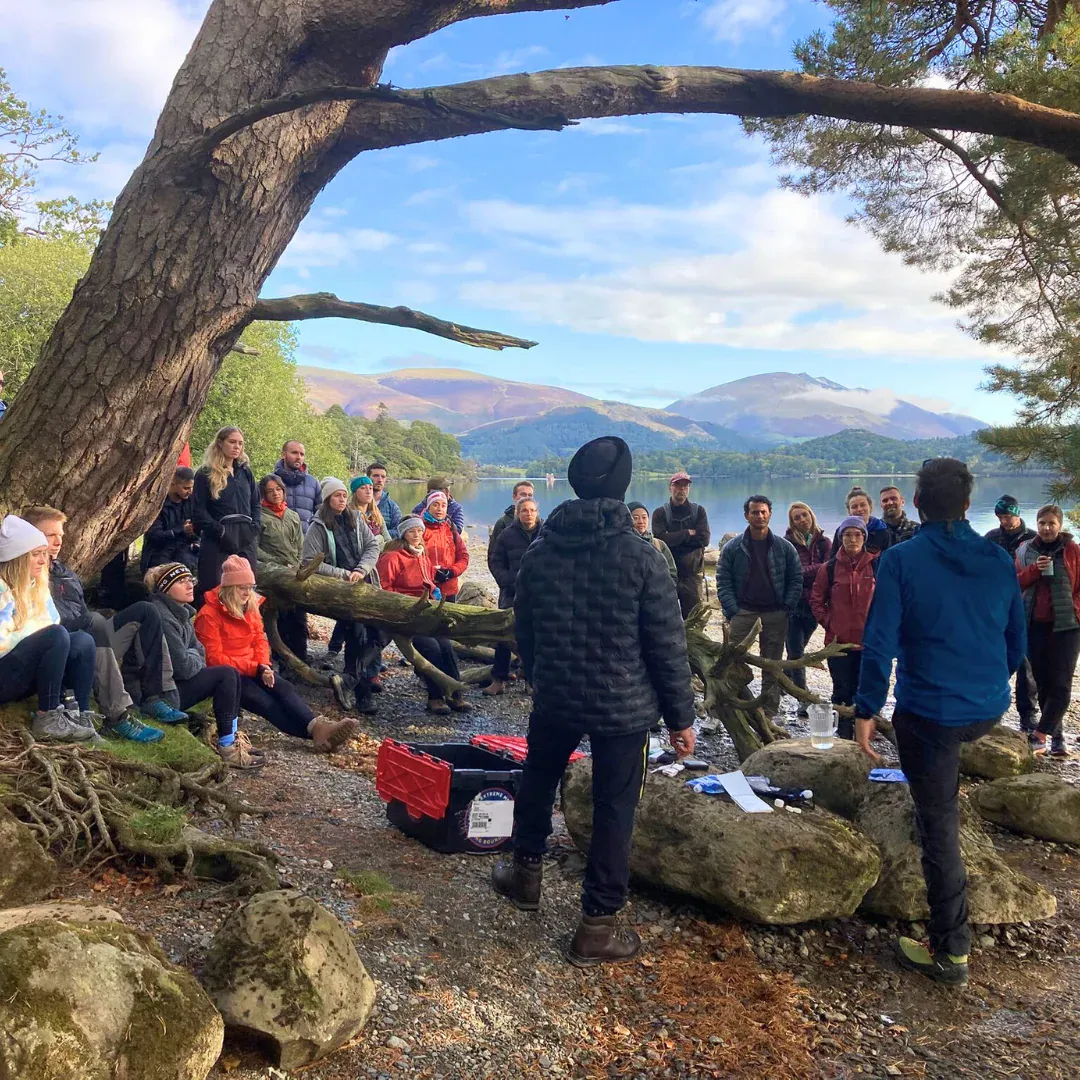
Set in the rugged landscapes of the Lake District National Park, the course combines technical rescue training, medical care in austere settings, and realistic scenario-based exercises. You’ll move beyond theory and apply learning directly in rivers, on steep ground, and across complex terrain.
Delivered by experienced SAR professionals, this course develops the skills, confidence, and teamwork required to operate effectively during search and rescue incidents — skills that translate directly to expedition, pre-hospital, and clinical environments.


Search and Rescue Course
Course Content
Foundations of Search and Rescue
You’ll begin by covering the core principles that underpin effective search and rescue operations. This includes an overview of SAR structures, personal equipment, safety considerations, communications, navigation, and decision-making in dynamic environments. Teaching focuses on situational awareness, risk assessment, and teamwork.
Medical Care in Remote & Austere Environments
This section focuses on the assessment and management of casualties when access to definitive care is delayed. You’ll practise primary survey, trauma management, casualty monitoring, and medical decision-making in mountain and wilderness settings, bridging the gap between pre-hospital care and expedition medicine.
Technical Rescue Skills
You’ll develop hands-on technical skills across a range of rescue environments. Sessions include swift water rescue, managing casualties in water, crag rescue, technical ground casualty management, casualty packaging, extrication, and evacuation techniques, using specialist SAR equipment and systems.
Integrated Rescue Scenarios
The course culminates in immersive, multi-stage rescue scenarios that bring together technical, medical, and leadership skills. Working as part of a team, you’ll apply learning under realistic operational pressures, followed by structured debrief and reflection.
Your Teaching Faculty

Ben Cooper

Jamie Pattison

Jenny Dart

Karthi Suresh
Grasmere, Lake District, UK
What's Included?

Field-Based Training & Scenario Learning
A practical, hands-on programme delivered through technical workshops, rescue exercises, and realistic scenarios.

Expert Faculty & Instruction
Teaching delivered by experienced search and rescue professionals with operational backgrounds in mountain and technical rescue.

Accommodation & Meals
Accommodation and meals* are included for the duration of the course at YHA Grasmere Butharlyp Howe.
*please note that food and drink from the bar is not included in your course fee.

CPD & Course Certification
This course has been awarded 24 CPD hours by RCSEd, and 32 CPD hours by The Australian College of Rural and Remote Medicine (ACRRM) On completion, you’ll receive a certificate recognising your training in polar and extreme cold-environment medicine.
What past attendees say
“I was expecting more lectures during the course, but I was pleasantly surprised by how hands-on the course was. The course was very engaging and challenging without making me feel overwhelmed. ”
“Jamie and the whole staff were amazing, they facilitated every learning point for every participant and went so far above and beyond what should be expected. They are absolute heroes ”
“Loved the course. Looking forward to my next WEM adventure. ”
“I felt really supported and encouraged and had so much more fun than I was expecting, and now I want to pursue mountain rescue and pre hospital medicine! ”
This course is designed for healthcare professionals and students who want to apply their clinical skills in search and rescue, expedition, and remote environments. It’s particularly suited to those interested in search and rescue operations, expedition work, pre-hospital care, or outdoor emergency response.
The course focuses on casualty management, teamwork, leadership, and operating safely in challenging outdoor environments, with skills that transfer directly to both field and clinical settings.