Poster Competition Entries
Poster Submissions
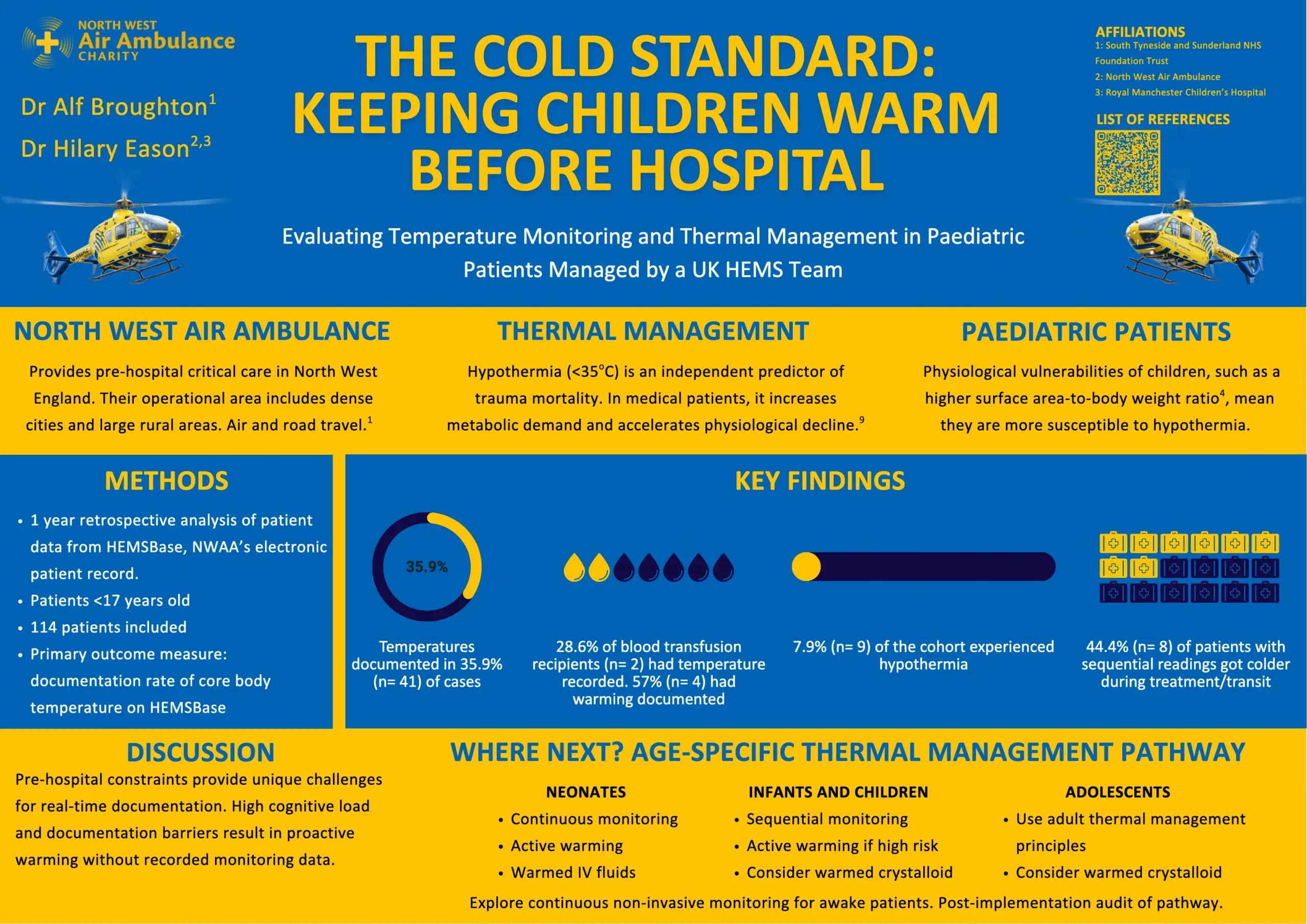
The Cold Standard: Keeping Children Warm Before Hospital | Alf Broughton and Hilary Eason
A retrospective review of 114 children treated by North West Air Ambulance found that temperature was documented in just 35.9% of cases. Nine children experienced hypothermia, and 44.4% of those with sequential readings became colder during care or transport. The project identifies gaps in monitoring and documentation and proposes an age-specific thermal management pathway, with further evaluation planned after implementation.
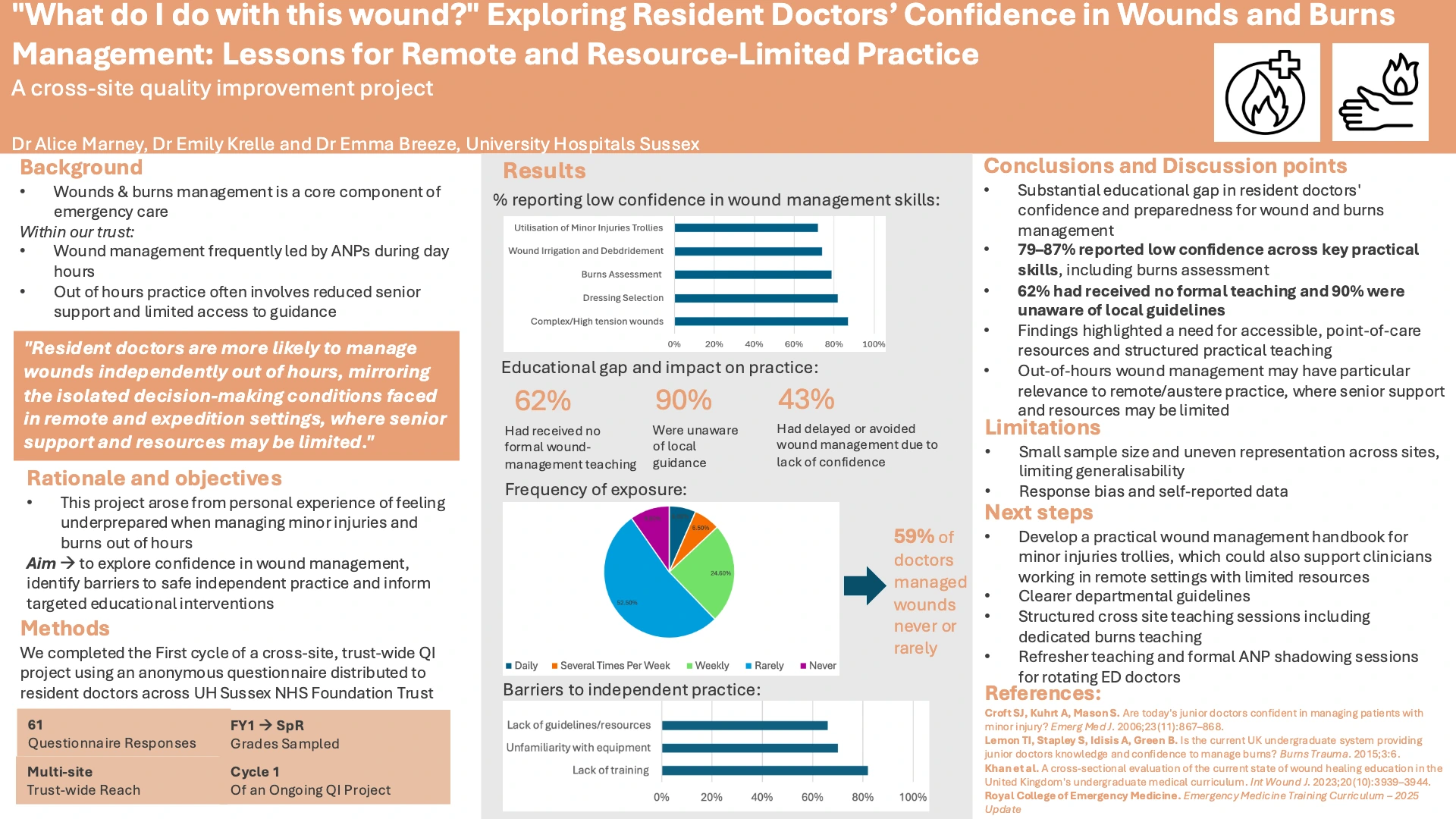
“What Do I Do with This Wound?” Exploring Resident Doctors’ Confidence in Wounds and Burns Management: Lessons for Remote and Resource-Limited Practice | Alice Marney, Emily Krelle and Emma Breeze
An initial quality improvement survey of 61 resident doctors across University Hospitals Sussex identified low confidence in key wound and burns management skills. Sixty-two per cent reported no formal wound-management teaching, while 90% were unaware of local guidance. The findings support practical teaching and accessible point-of-care resources, particularly for clinicians making independent decisions out of hours or in remote settings.
When the World Goes Up in Smoke: A Scoping Review of Emergency Medical Approaches to Wildfire Crisis Management | Amelia Meredith and Shona Reid
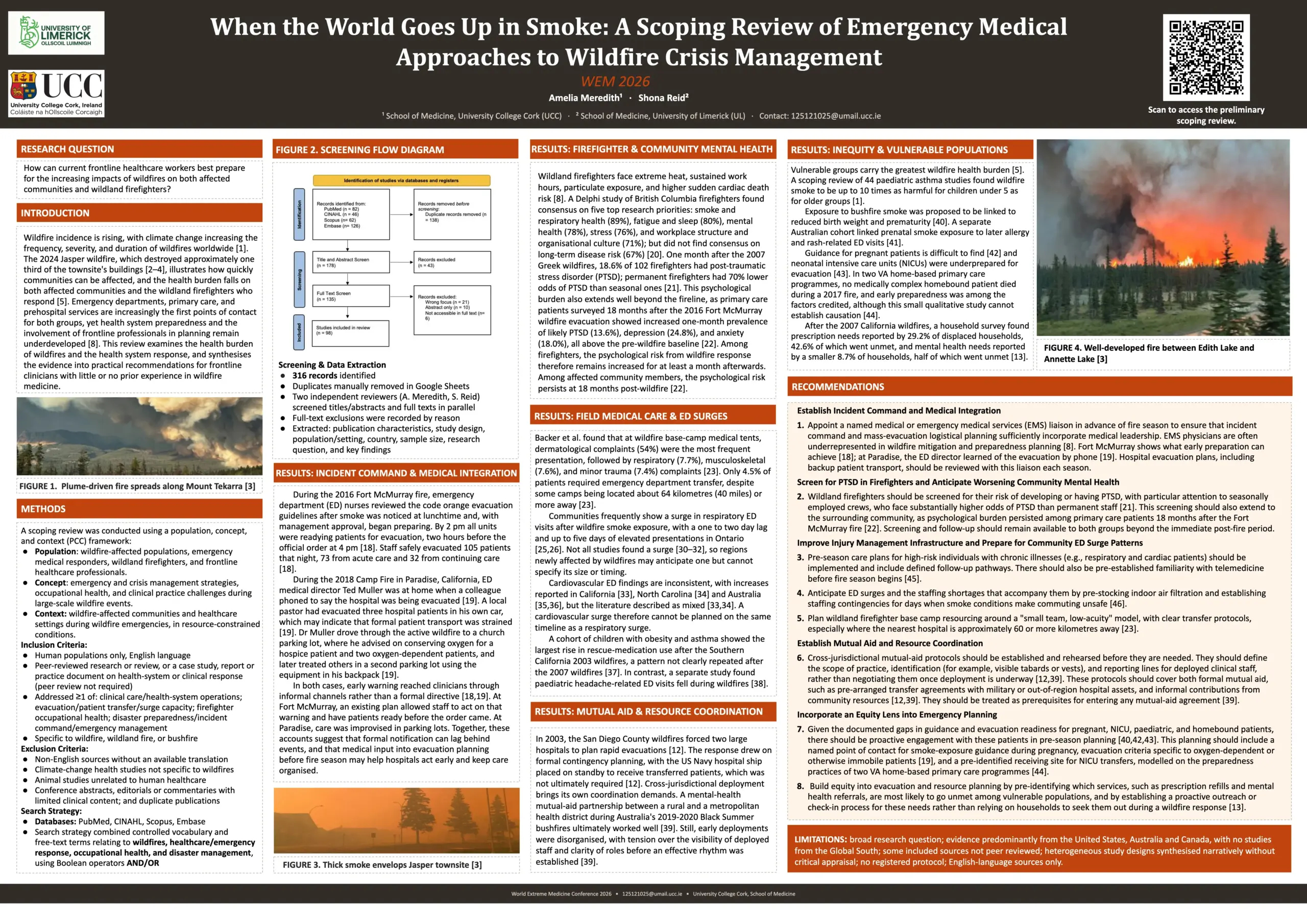
This scoping review examines how frontline clinicians can prepare for the health effects of wildfires on communities and firefighters. It identifies challenges in evacuation planning, respiratory presentations, mental health support and continuity of care for vulnerable groups. Recommendations include earlier medical involvement in incident planning, rehearsed mutual-aid arrangements and sustained follow-up, while acknowledging that the evidence is geographically concentrated and methodologically varied.
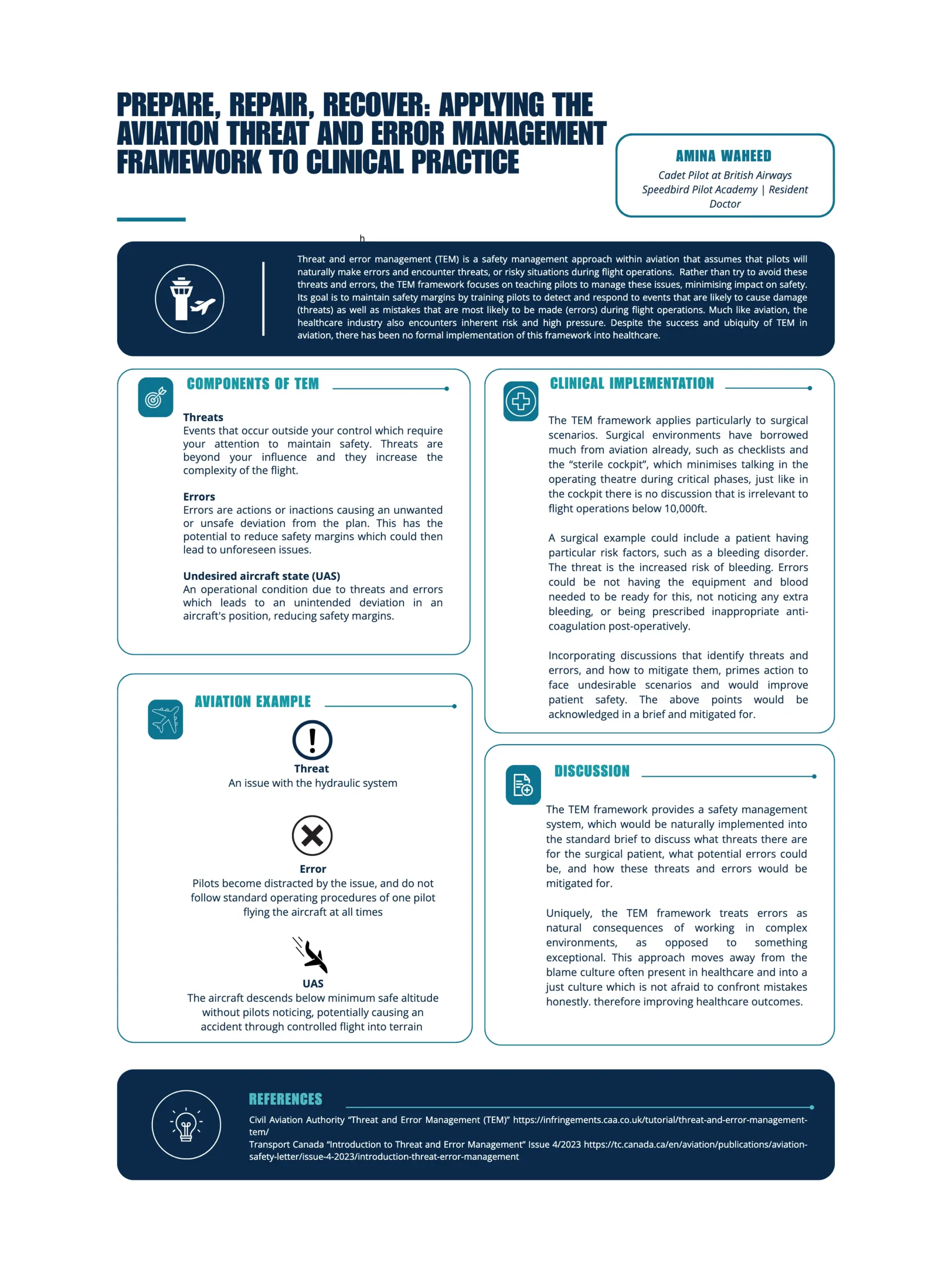
Prepare, Repair, Recover: Applying the Aviation Threat and Error Management Framework to Clinical Practice | Amina Waheed
Drawing on aviation safety practice, this poster explores how Threat and Error Management could inform clinical preparation and team briefings. Surgical examples illustrate how identifying external threats, anticipating likely errors and planning mitigation might protect safety margins. The proposed approach treats mistakes as an expected feature of complex work and encourages open discussion within a just culture; clinical implementation and outcomes have not been evaluated.
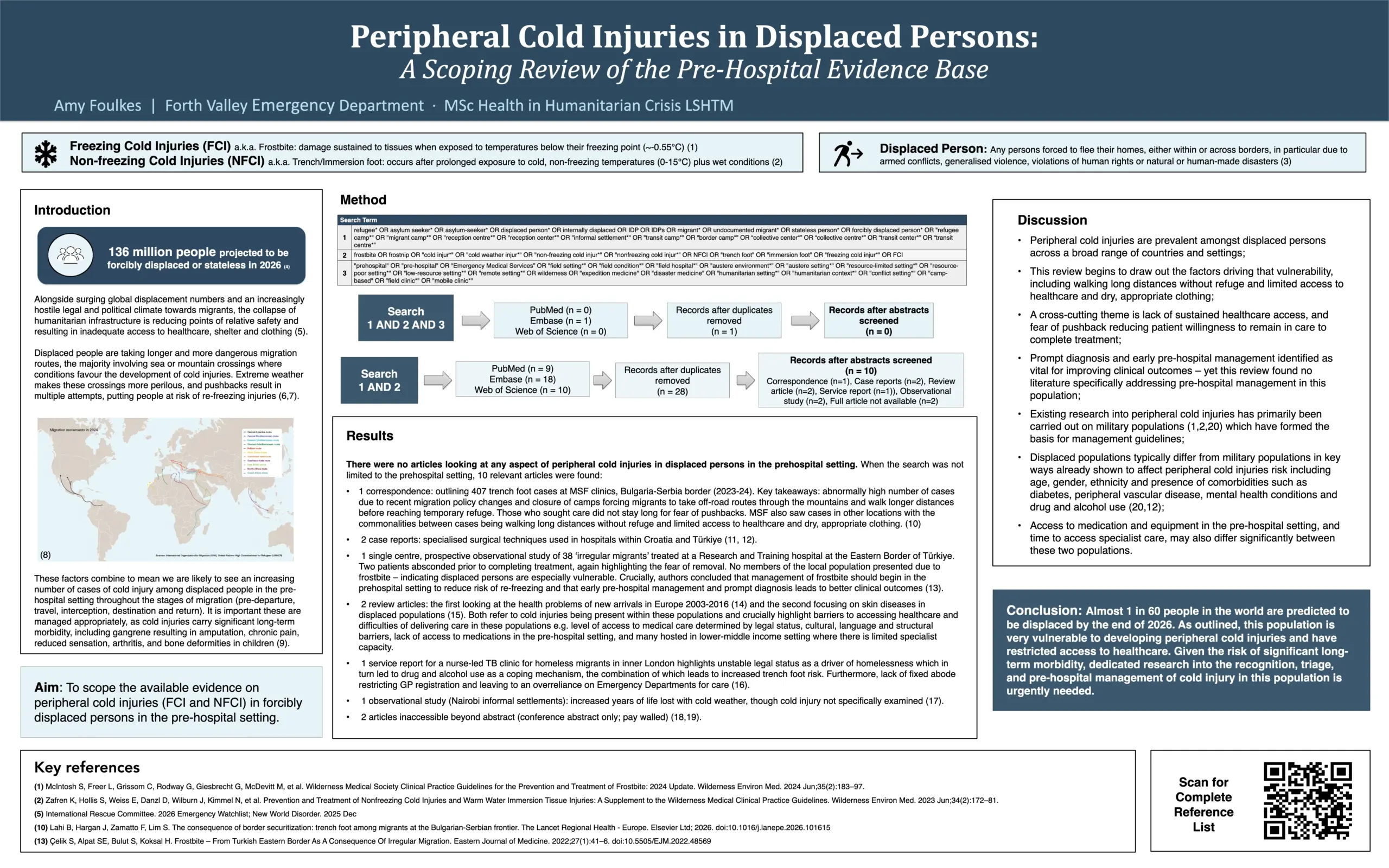
Peripheral Cold Injuries in Displaced Persons: A Scoping Review of the Pre-Hospital Evidence Base | Amy Foulkes – Digital Submission Only
A scoping review found no studies specifically addressing pre-hospital management of peripheral cold injuries in displaced people. A broader search identified ten relevant articles describing frostbite, trench foot and barriers to sustained care. Long journeys, inadequate clothing and shelter, and fear of pushbacks emerged as important concerns. The review calls for population-specific research into recognition, triage and early management rather than reliance on evidence drawn mainly from military populations.
Assistive Technology for People with Disabilities in Humanitarian Settings: A Scoping Review of Availability, Use, Benefits and Harms | Caroline Ferguson-Dryden – Digital Submission Only
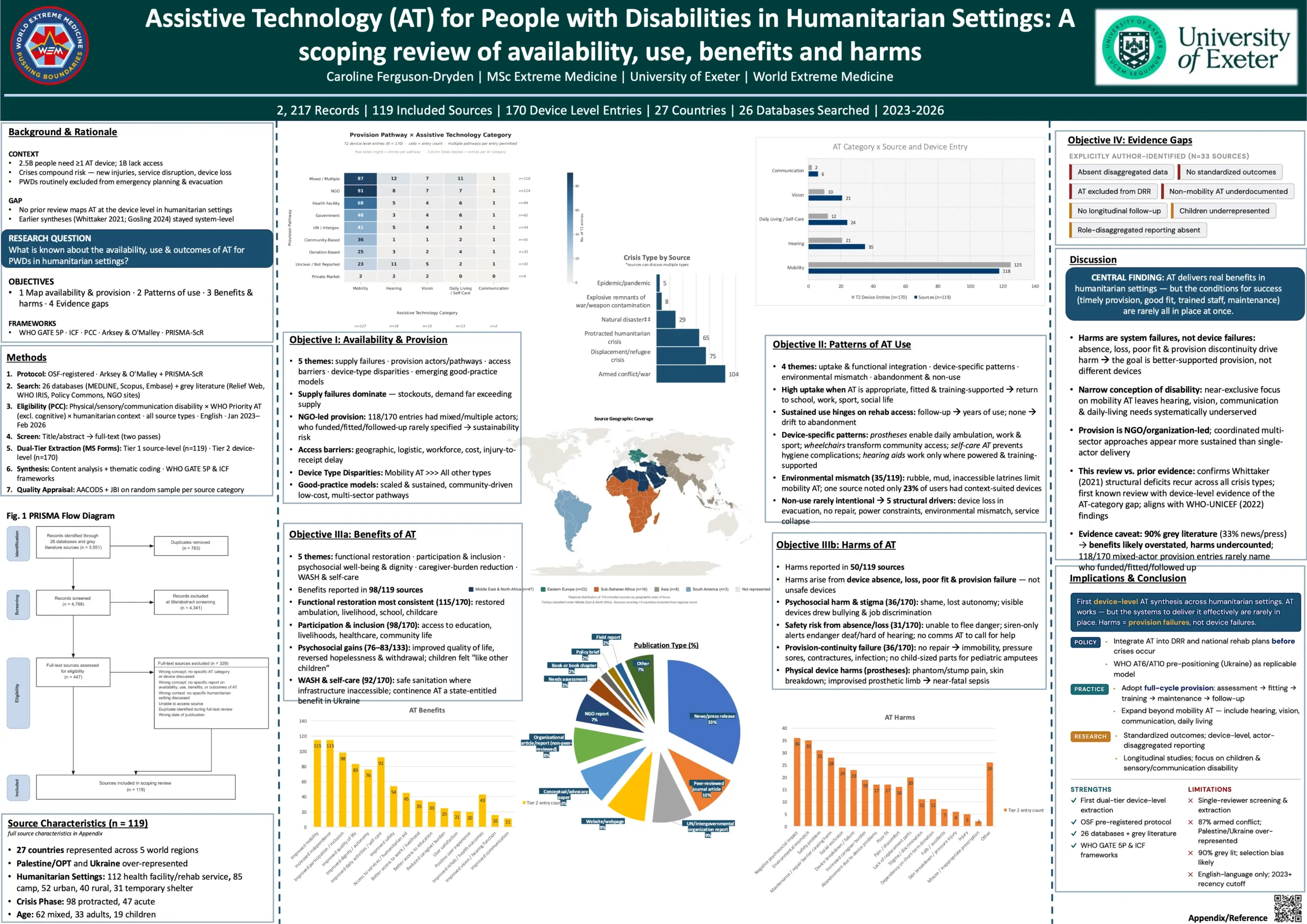
Mapping 119 sources across 27 countries, this review examines access to and use of assistive technology during humanitarian crises. Reported benefits include improved mobility, participation and independence, but poor fit, disrupted provision and limited maintenance can undermine those gains. Mobility devices dominate the evidence, leaving other needs underrepresented. The findings favour coordinated, sustained support, while the heavy reliance on grey literature limits certainty about outcomes.
Assessing the Impact of Tourism on Trauma Presentations to a Rural Emergency Department | Ceitidh Smith and Andrew Mahon
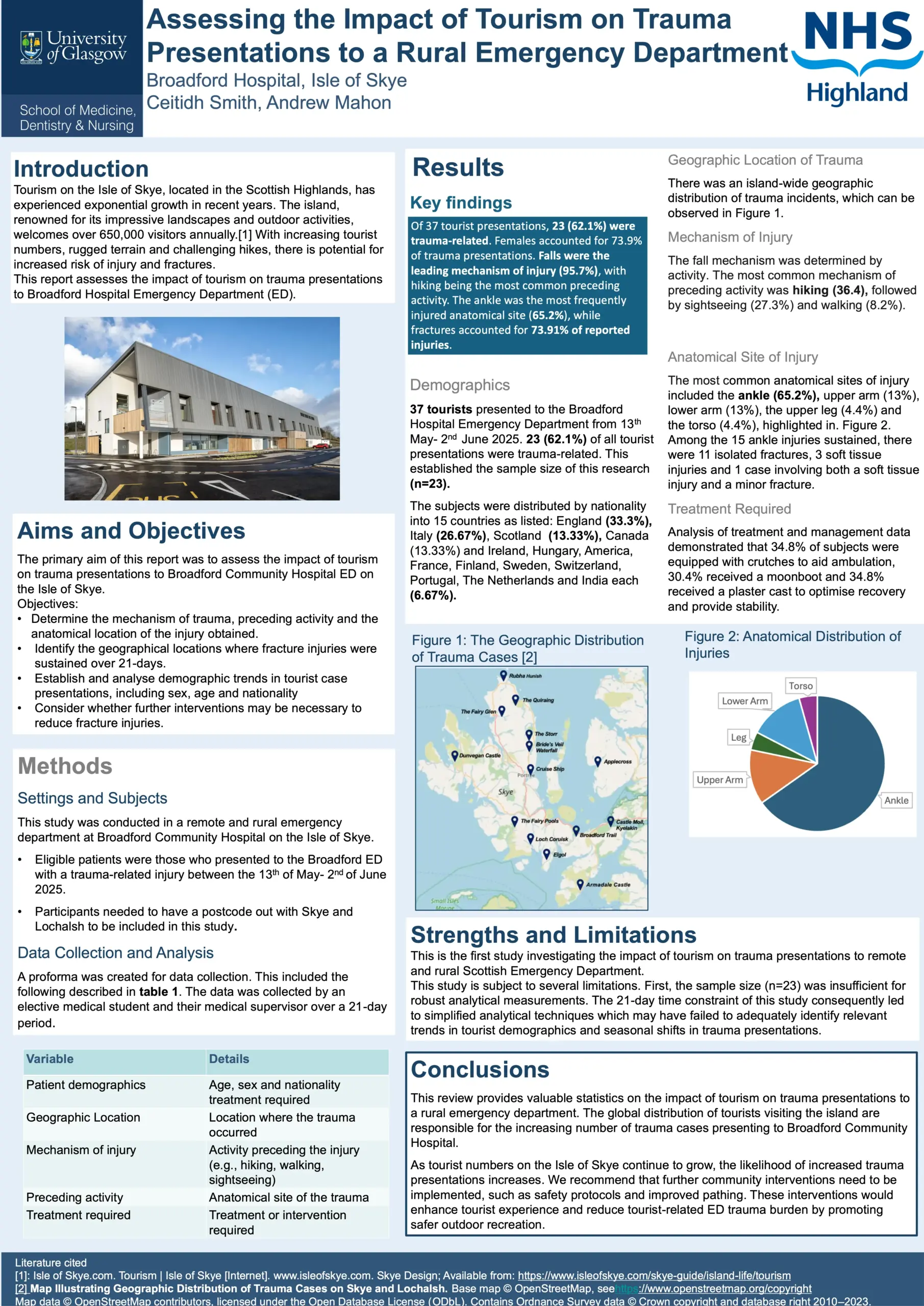
A 21-day study at Broadford Hospital on the Isle of Skye recorded 37 tourist presentations, of which 23 were trauma-related. Falls accounted for most injuries, hiking was the most common preceding activity, and ankle injuries predominated. This small, short-duration study highlights the demands outdoor tourism can place on rural emergency services and suggests further investigation of prevention measures, including visitor safety information and path improvements.
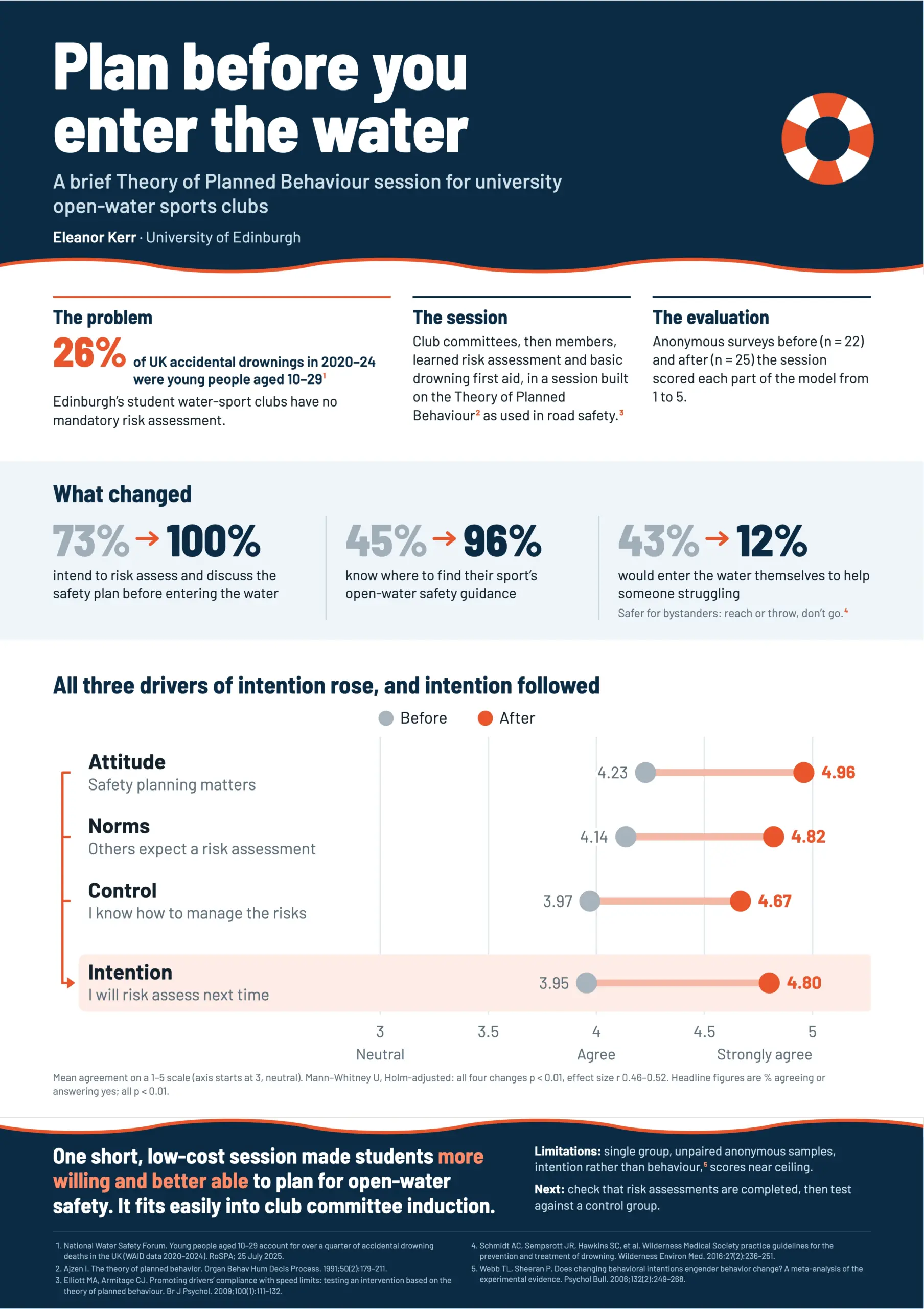
Plan Before You Enter the Water: A Brief Theory of Planned Behaviour Session for University Open-Water Sports Clubs | Eleanor Kerr
A short educational session for university water-sport clubs was associated with improved safety knowledge and intentions in anonymous before-and-after surveys. The proportion intending to assess risks and discuss a safety plan rose from 73% to 100%, while willingness to enter the water to help someone struggling fell. The findings support further evaluation of this low-cost approach, including whether stated intentions translate into safer behaviour.
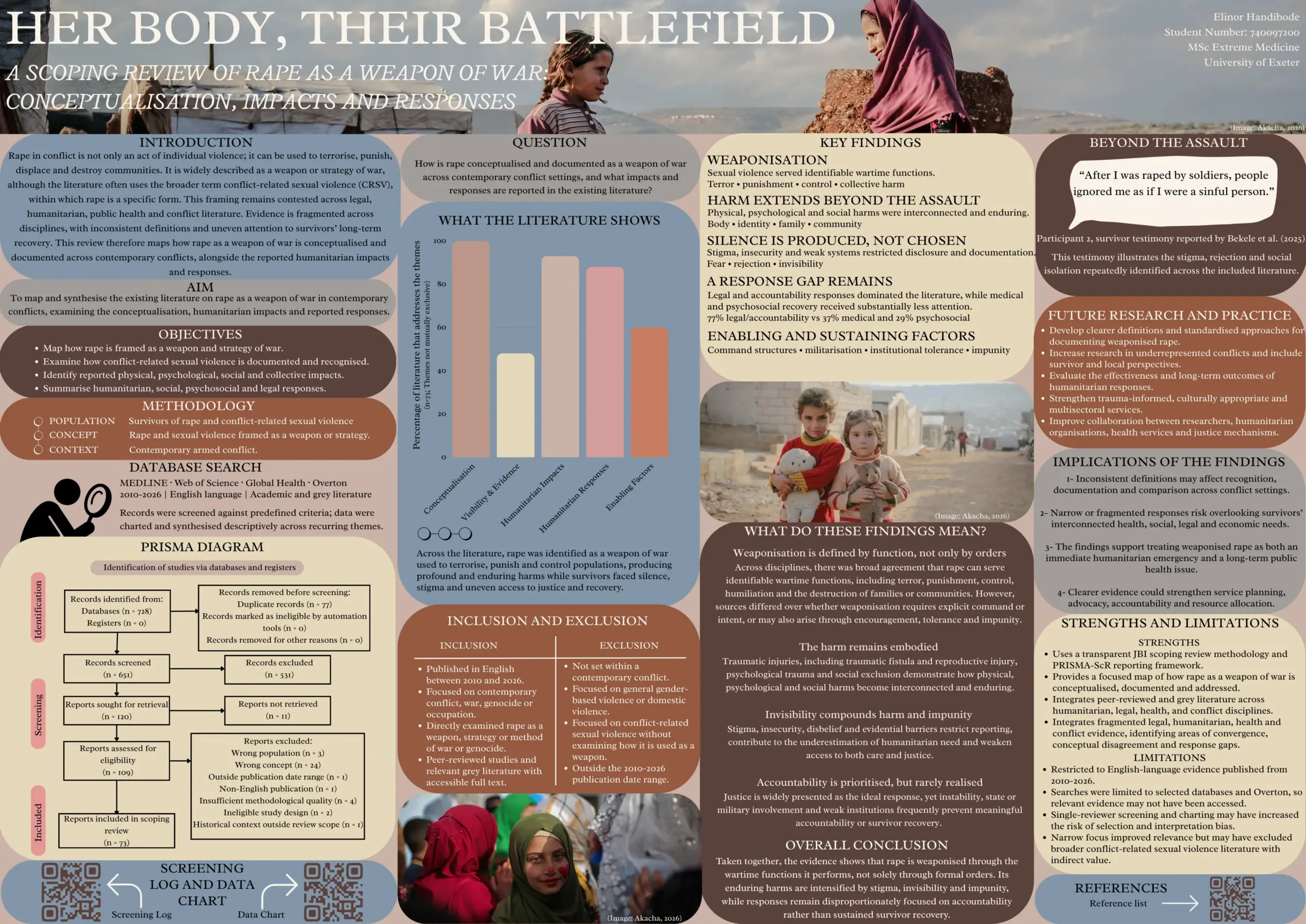
Her Body, Their Battlefield: A Scoping Review of Rape as a Weapon of War: Conceptualisation, Impacts and Responses | Elinor Handibode
This scoping review of 73 sources examines how rape is conceptualised and documented as a weapon of contemporary conflict, alongside its humanitarian impacts and the responses reported. It identifies interconnected physical, psychological and social harms, compounded by stigma and barriers to disclosure. Legal accountability receives more attention than medical and psychosocial recovery, highlighting the need for clearer documentation and sustained, trauma-informed services shaped by survivors’ needs.
Frugal Innovations in Emergency Medicine: Bridging Critical Resource Gaps in Resource-Limited Settings | Eman Yousef Ellbody – Digital Submission Only
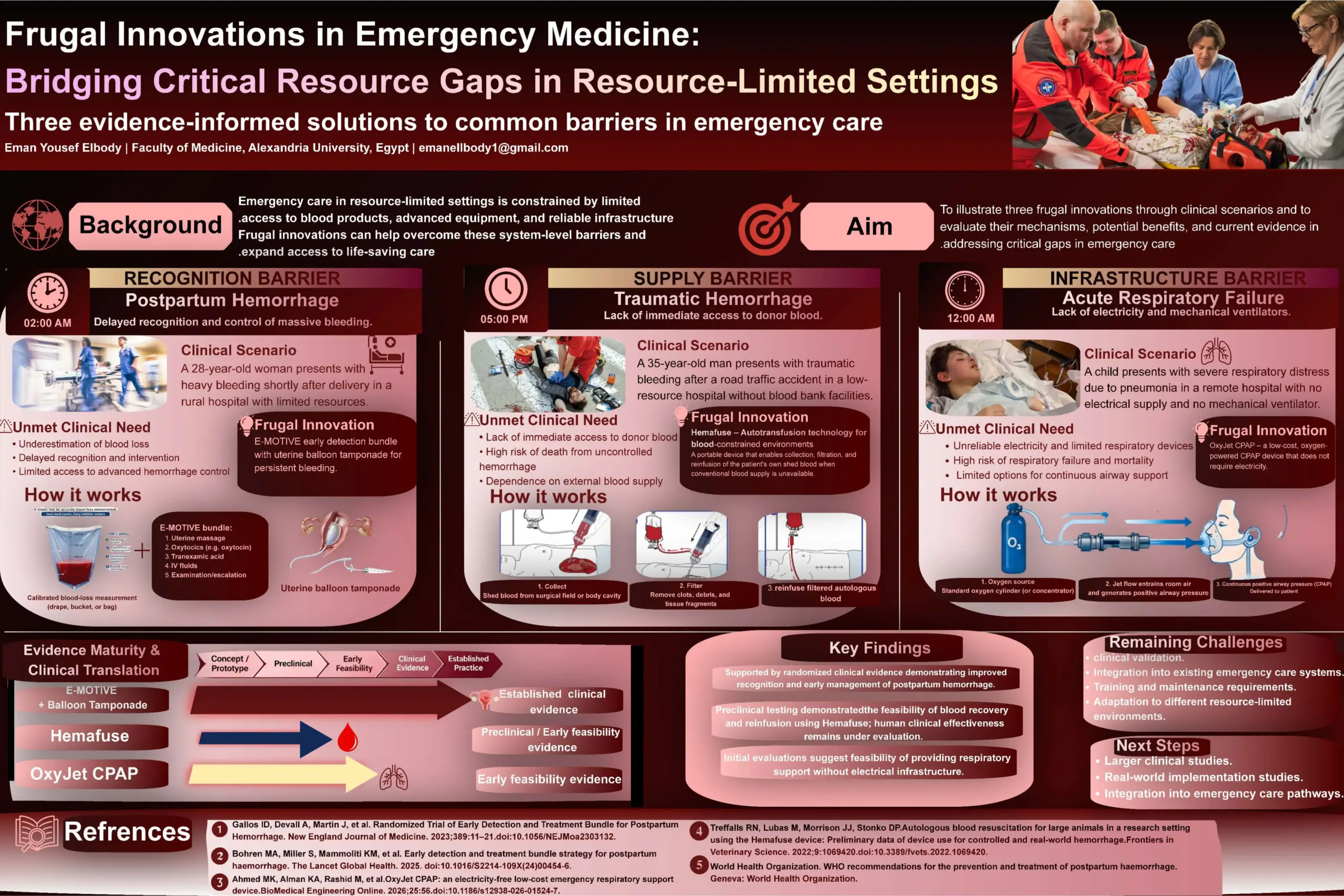
Three clinical scenarios illustrate approaches to resource gaps in emergency care: early postpartum haemorrhage detection and treatment, blood recovery through Hemafuse autotransfusion, and electricity-free respiratory support using OxyJet CPAP. The poster distinguishes established clinical evidence from preclinical and early feasibility findings. It highlights potential benefits alongside the need for further validation, staff training, maintenance and integration into local emergency care systems.
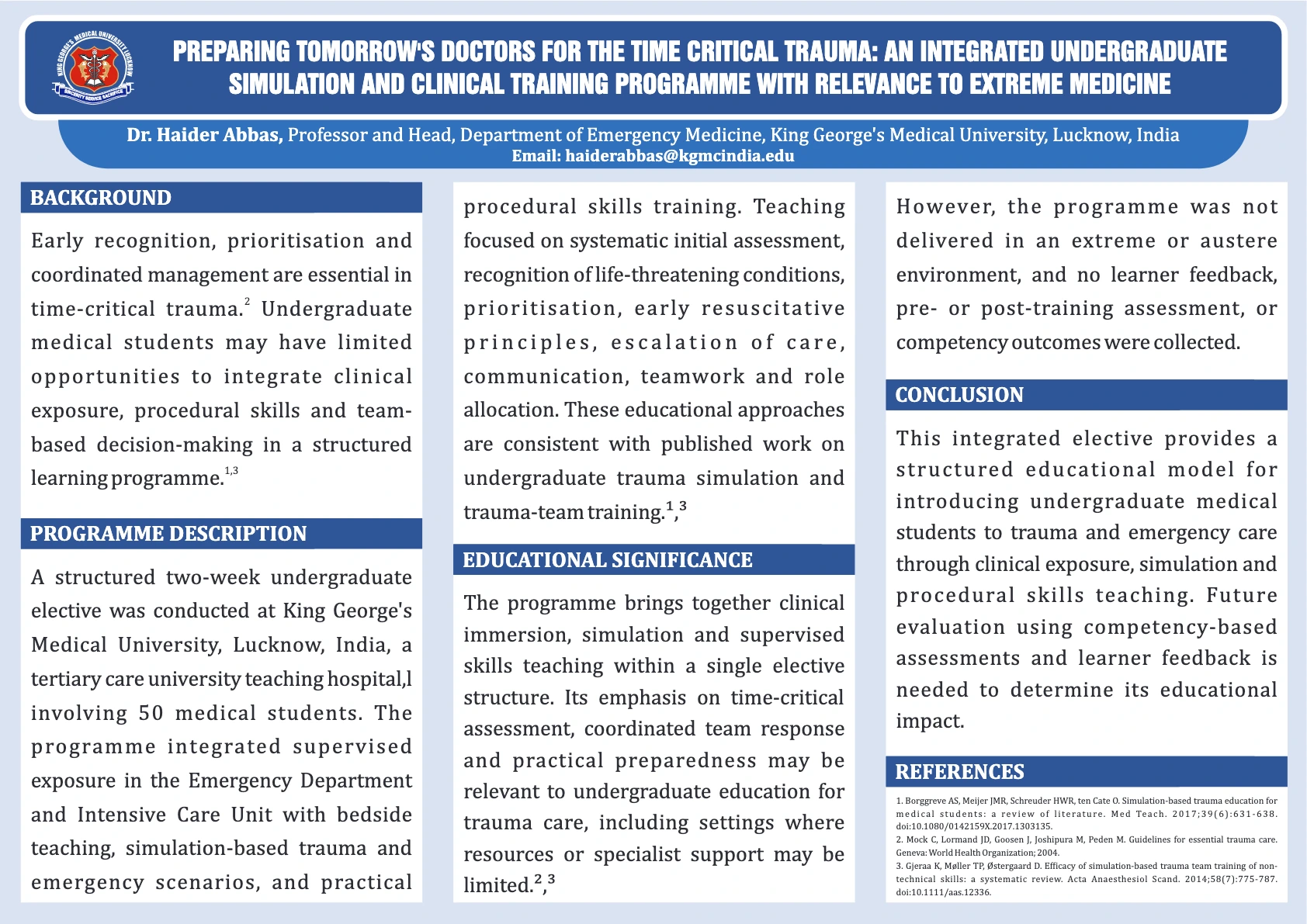
Preparing Tomorrow’s Doctors for the Time Critical Trauma: An Integrated Undergraduate Simulation and Clinical Training Programme with Relevance to Extreme Medicine | Haider Abbas – Digital Submission Only
A two-week elective for 50 medical students combined supervised emergency department and intensive care exposure with simulation and procedural skills teaching. Training emphasised initial assessment, prioritisation, early resuscitation, communication and teamwork. The programme offers a structured educational model with potential relevance to resource-limited care, but no learner feedback, competency assessment or before-and-after outcomes were collected, so its educational impact remains to be evaluated.
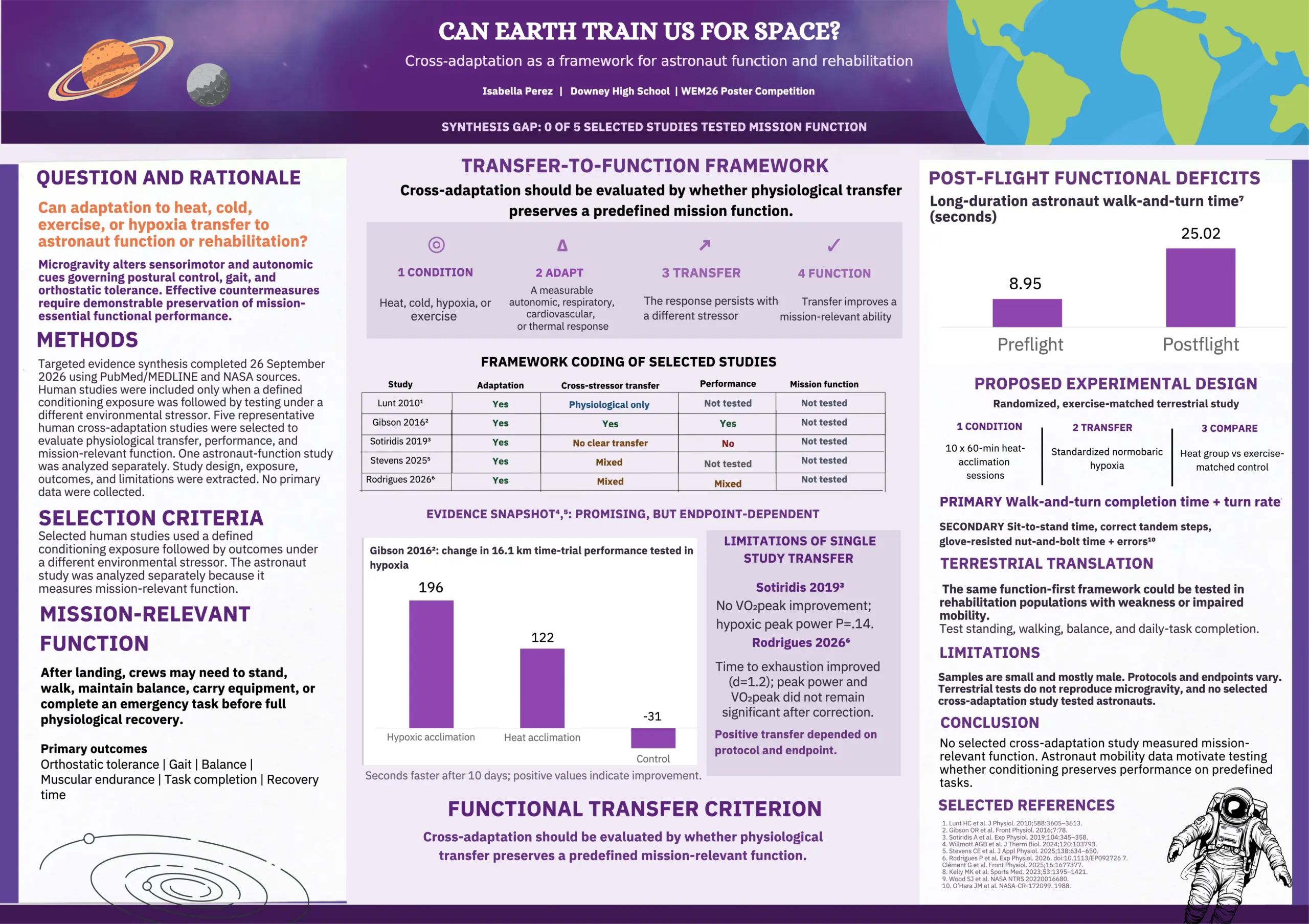
Can Earth Train Us for Space? Cross-Adaptation as a Framework for Astronaut Function and Rehabilitation | Isabella Perez – Digital Submission Only
A targeted synthesis of five human cross-adaptation studies explores whether conditioning through heat, cold, exercise or hypoxia could support astronaut function and rehabilitation. Physiological transfer varied by protocol and outcome, and none of the selected studies measured mission-relevant function. The poster proposes a function-first framework and an exercise-matched terrestrial experiment, prioritising practical tasks such as walking, balance and equipment handling rather than physiological changes alone.
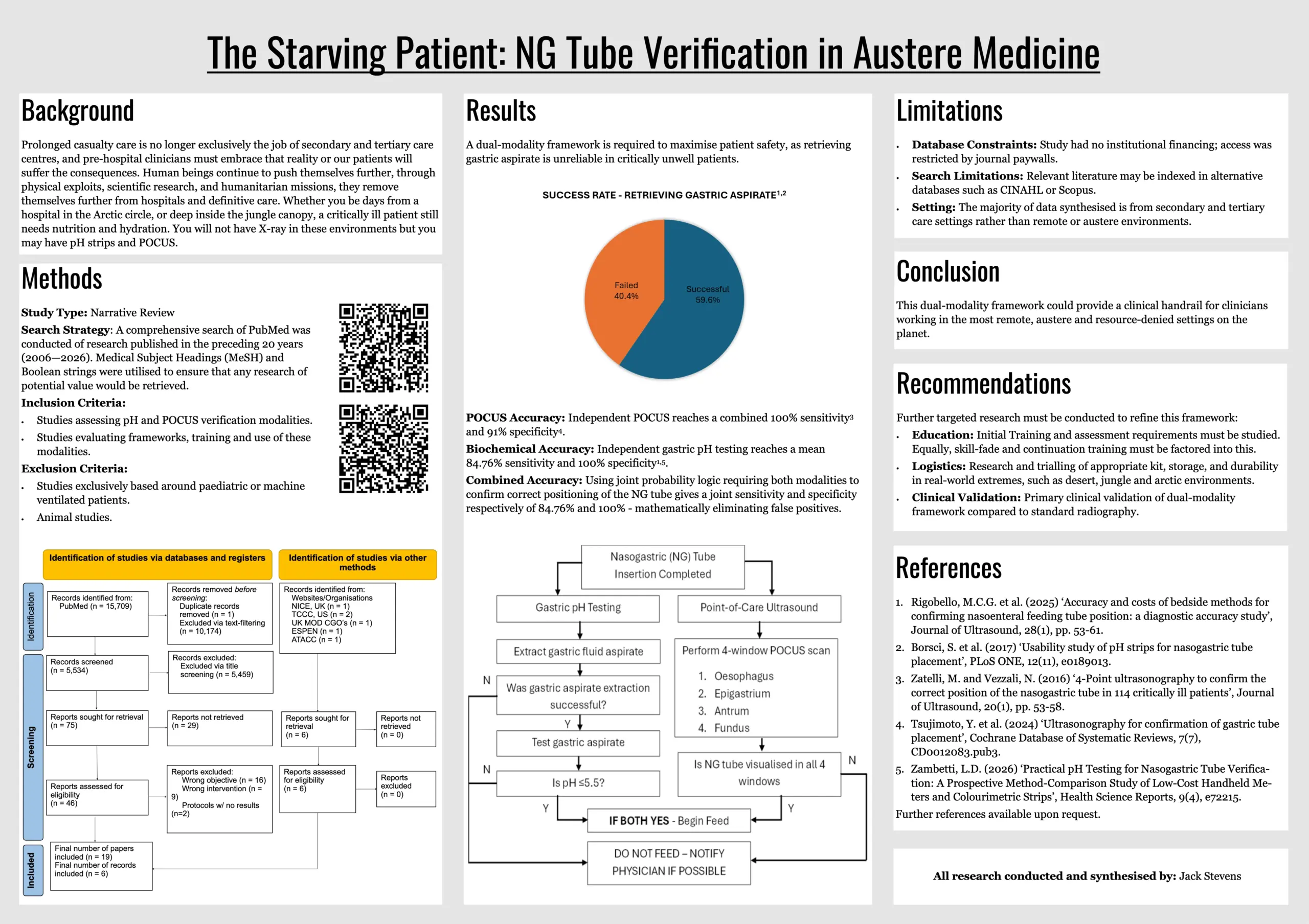
The Starving Patient: NG Tube Verification in Austere Medicine | Jack Stevens
This narrative review examines gastric pH testing and point-of-care ultrasound as possible approaches to nasogastric tube verification where radiography is unavailable. It proposes a dual-modality framework for remote and prolonged casualty care, drawing largely on hospital-based evidence. The combined approach has not been clinically validated, and the poster calls for comparison with radiography, assessment of training needs and testing of equipment under field conditions.
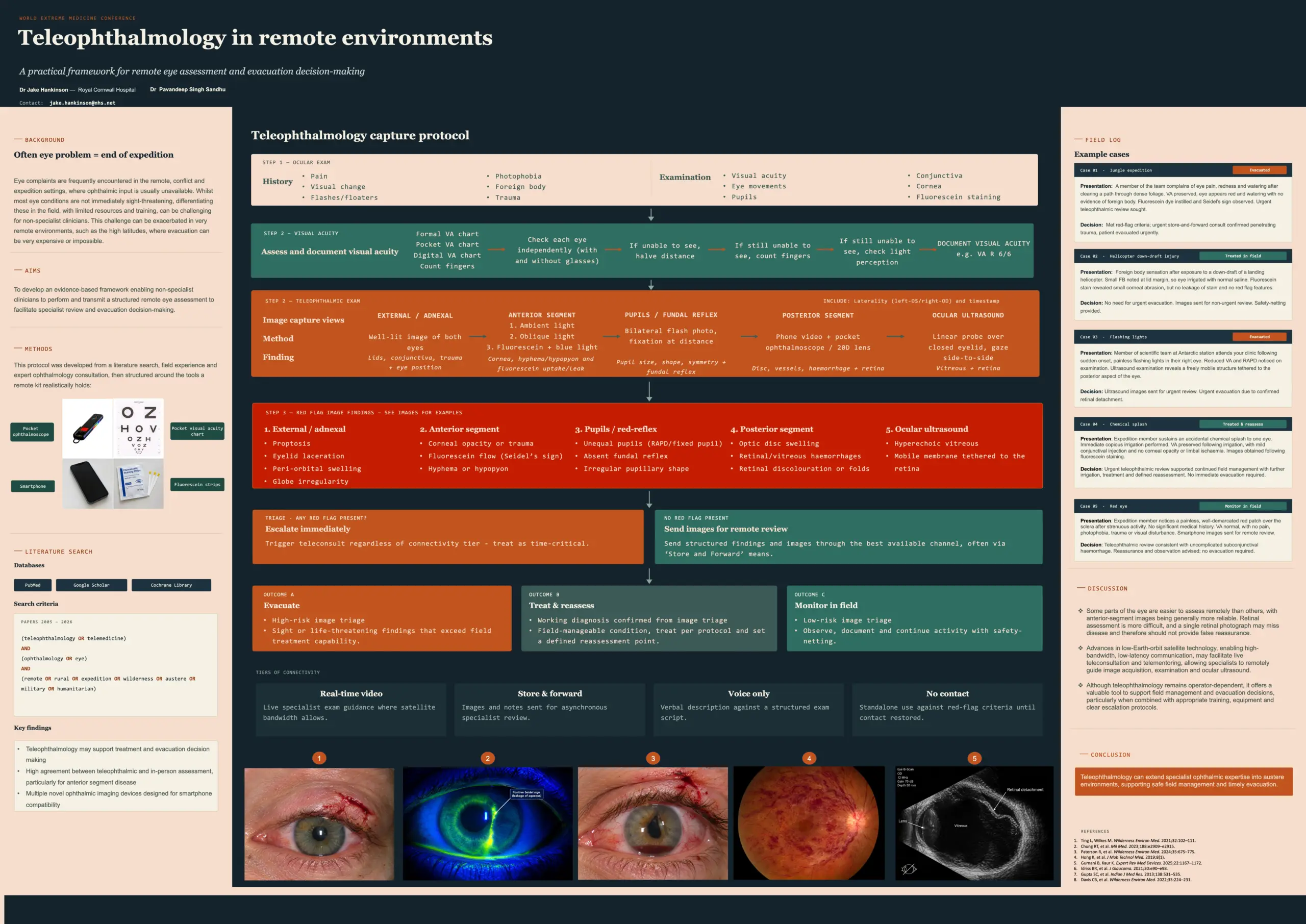
Teleophthalmology in Remote Environments: A Practical Framework for Remote Eye Assessment and Evacuation Decision-Making | Jake Hankinson and Pavandeep Singh Sandhu
Combining literature, field experience and specialist consultation, this poster presents a structured approach to remote eye assessment and transmission of findings for ophthalmic review. It covers basic examination, image capture, red flags and options for different levels of connectivity. Illustrative cases show how specialist input may support field treatment or evacuation, while emphasising operator dependence and the limitations of remote retinal assessment.
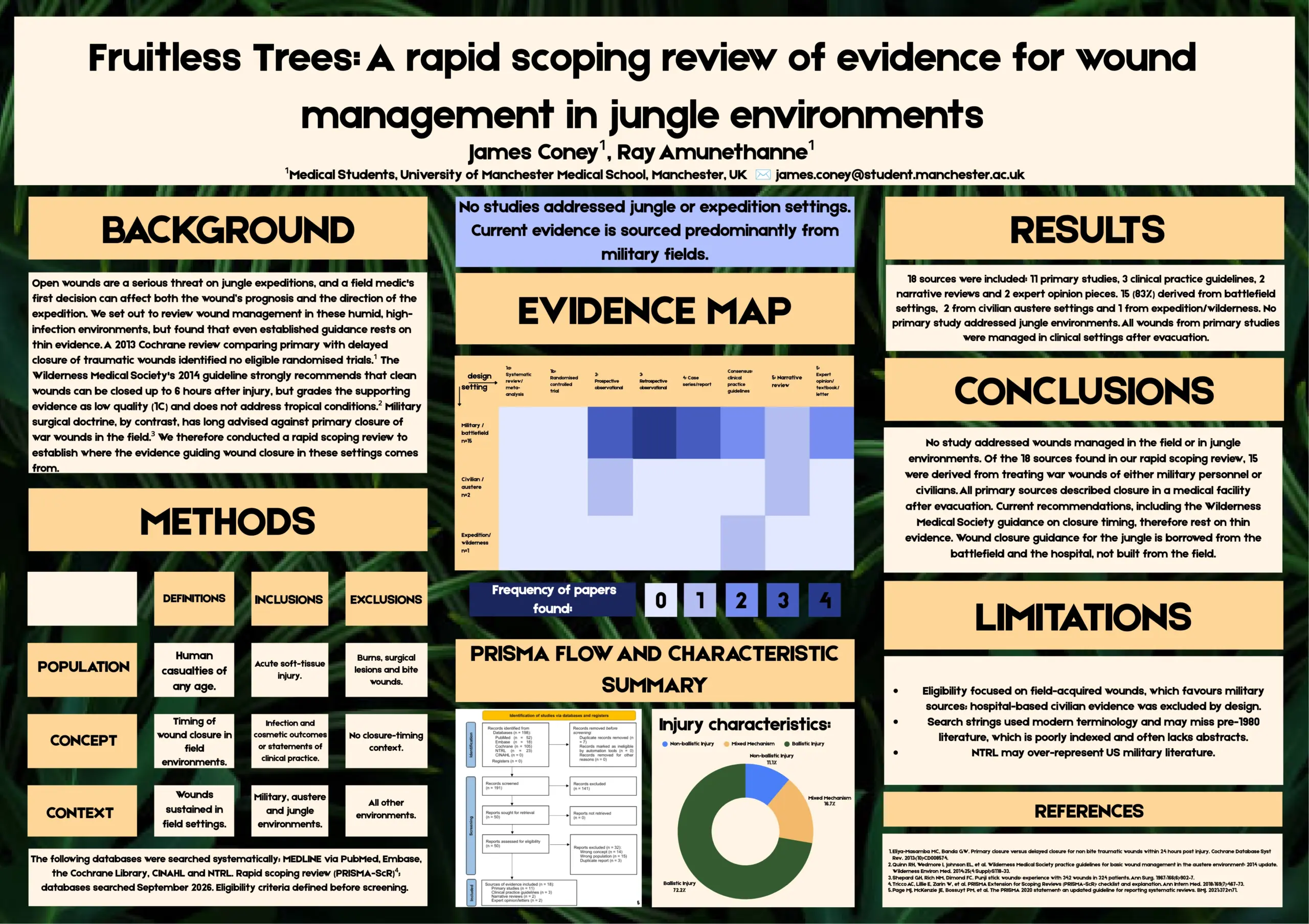
Fruitless Trees: A Rapid Scoping Review of Evidence for Wound Management in Jungle Environments | James Coney and Ray Amunethanne
A rapid scoping review identified 18 sources relevant to wound closure in field settings, with 15 originating from battlefield contexts. No primary study addressed jungle environments, and the primary research described wounds managed in medical facilities after evacuation. The findings expose a gap between the settings in which evidence is generated and those in which expedition clinicians must apply it, supporting further field-specific research.
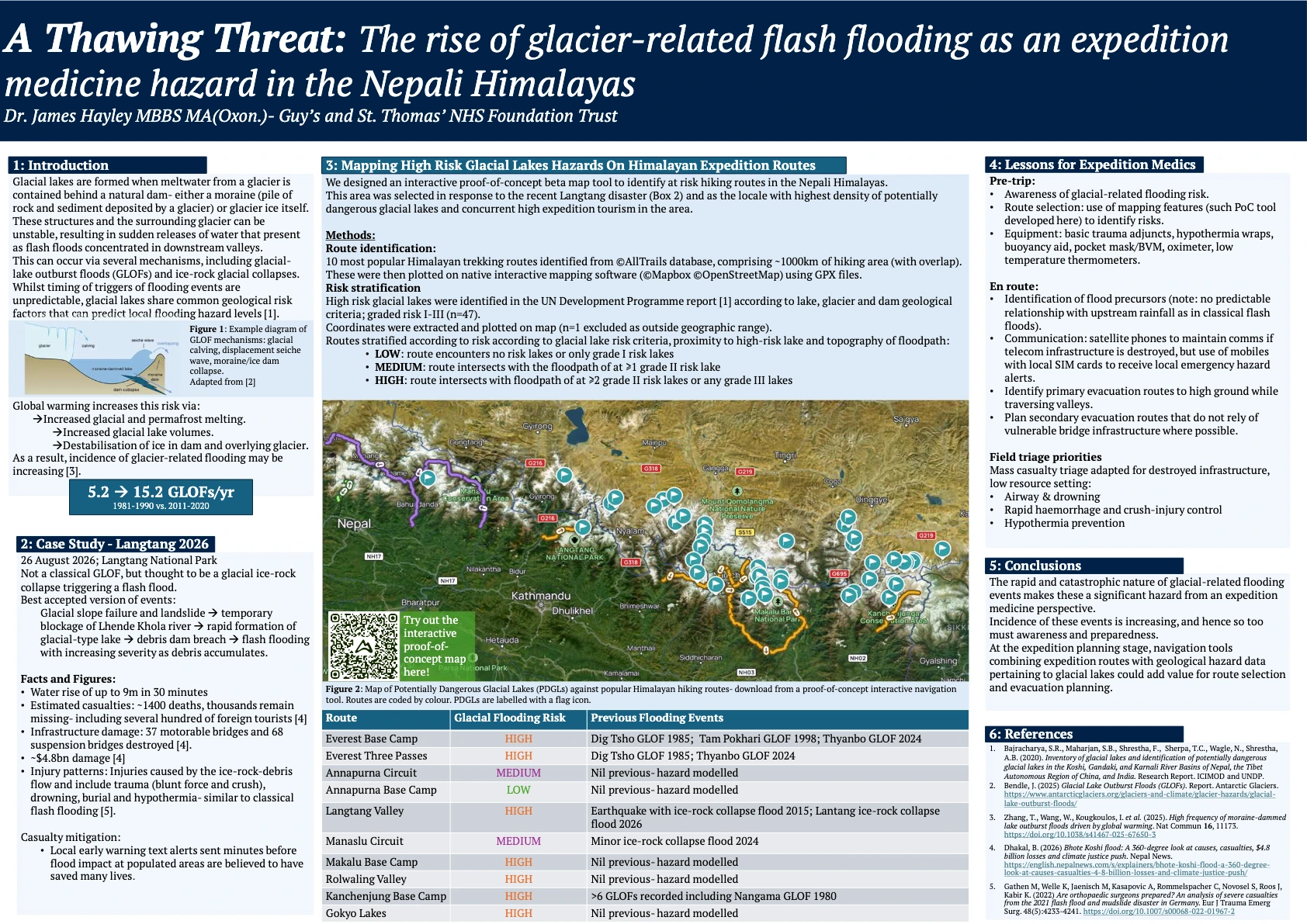
A Thawing Threat: The Rise of Glacier-Related Flash Flooding as an Expedition Medicine Hazard in the Nepali Himalayas | James Hayley
This poster explores glacier-related flooding as a hazard for Himalayan expeditions and presents a proof-of-concept map combining popular trekking routes with potentially dangerous glacial lakes. Ten routes were classified using lake hazard information, proximity and flood-path topography. The work highlights how geological data could inform route selection and evacuation planning, alongside preparation for trauma, drowning, hypothermia and damage to communications and transport infrastructure.
Passive Arm-Leg Coupling Exosuit for Neuromechanical Rehabilitation Following Spaceflight | Jannah Barakat et al.
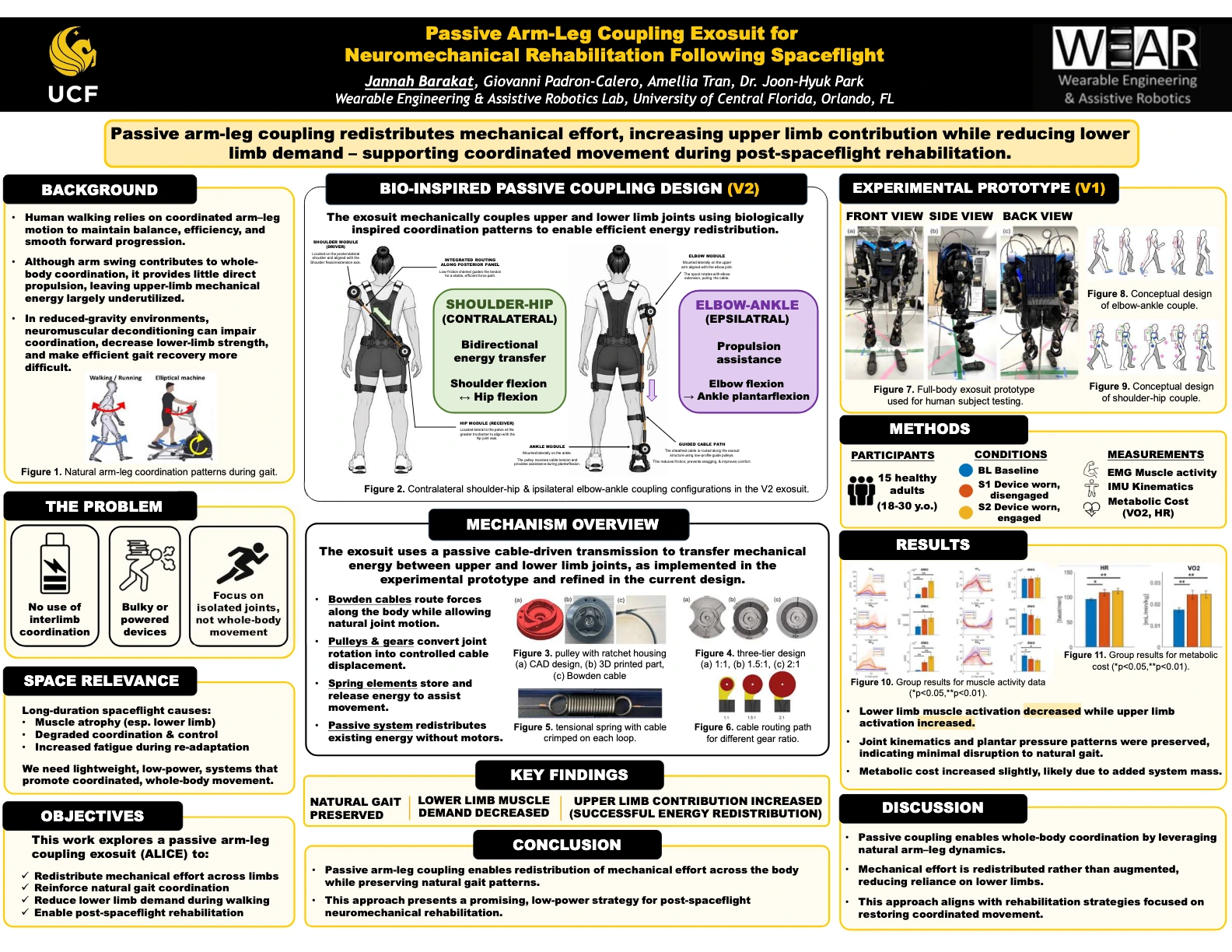
Testing a passive arm-leg coupling exosuit in 15 healthy adults showed reduced lower-limb muscle activation and increased upper-limb contribution while preserving measured gait patterns. Metabolic cost increased slightly, potentially reflecting the device’s added mass. The prototype redistributes existing mechanical effort without motors and offers a possible direction for post-spaceflight rehabilitation, although benefits in astronauts or rehabilitation populations remain to be established.
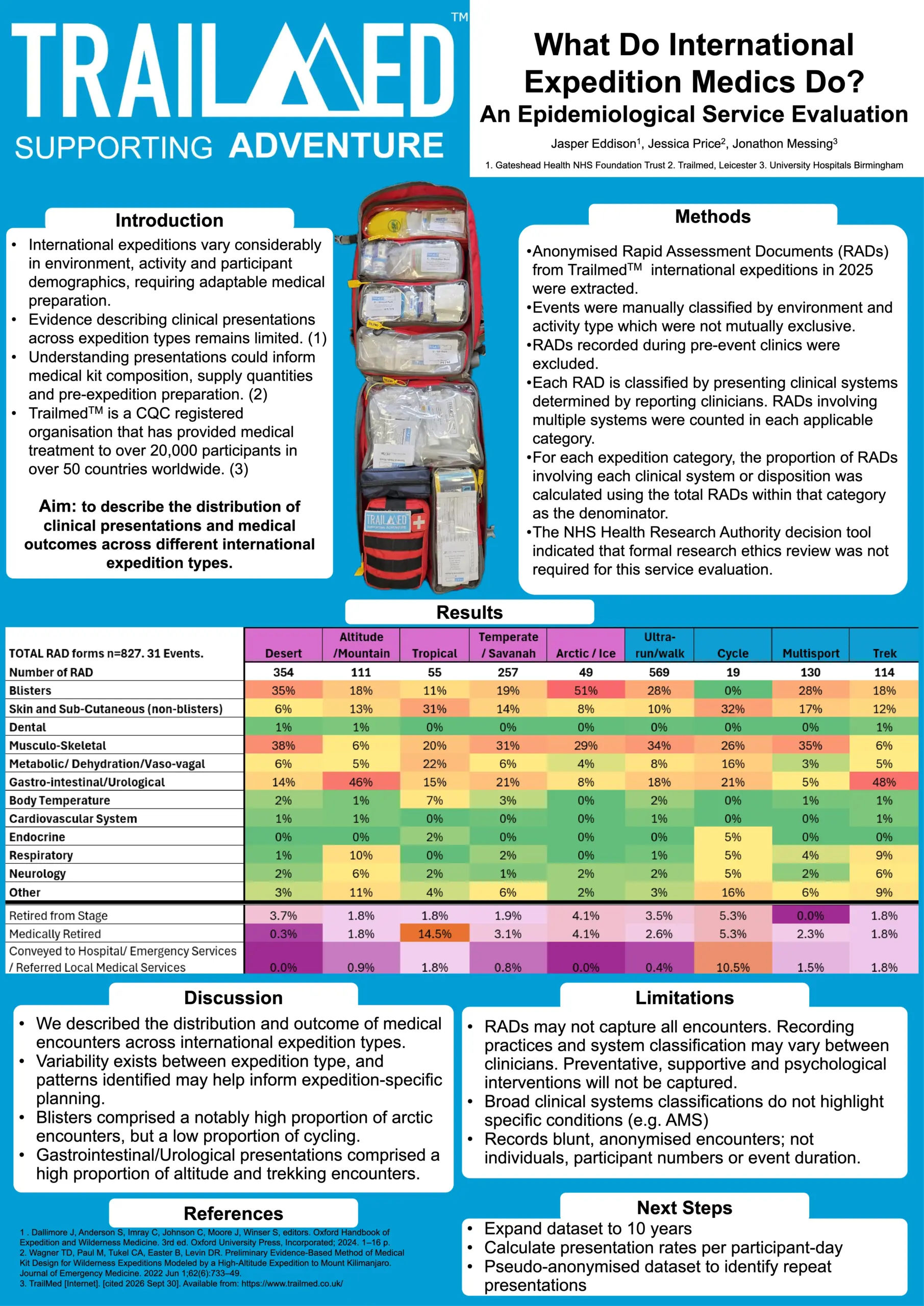
What Do International Expedition Medics Do? An Epidemiological Service Evaluation | Jasper Eddison, Jessica Price and Jonathon Messing
An evaluation of Trailmed’s 2025 international expedition records explores how clinical presentations vary by environment and activity. Blisters featured prominently in Arctic encounters, while gastrointestinal and urological presentations formed a substantial share of altitude and trekking encounters. These patterns may inform expedition-specific preparation and medical kit planning, although encounter records do not capture all care or provide presentation rates adjusted for participant numbers and expedition duration.
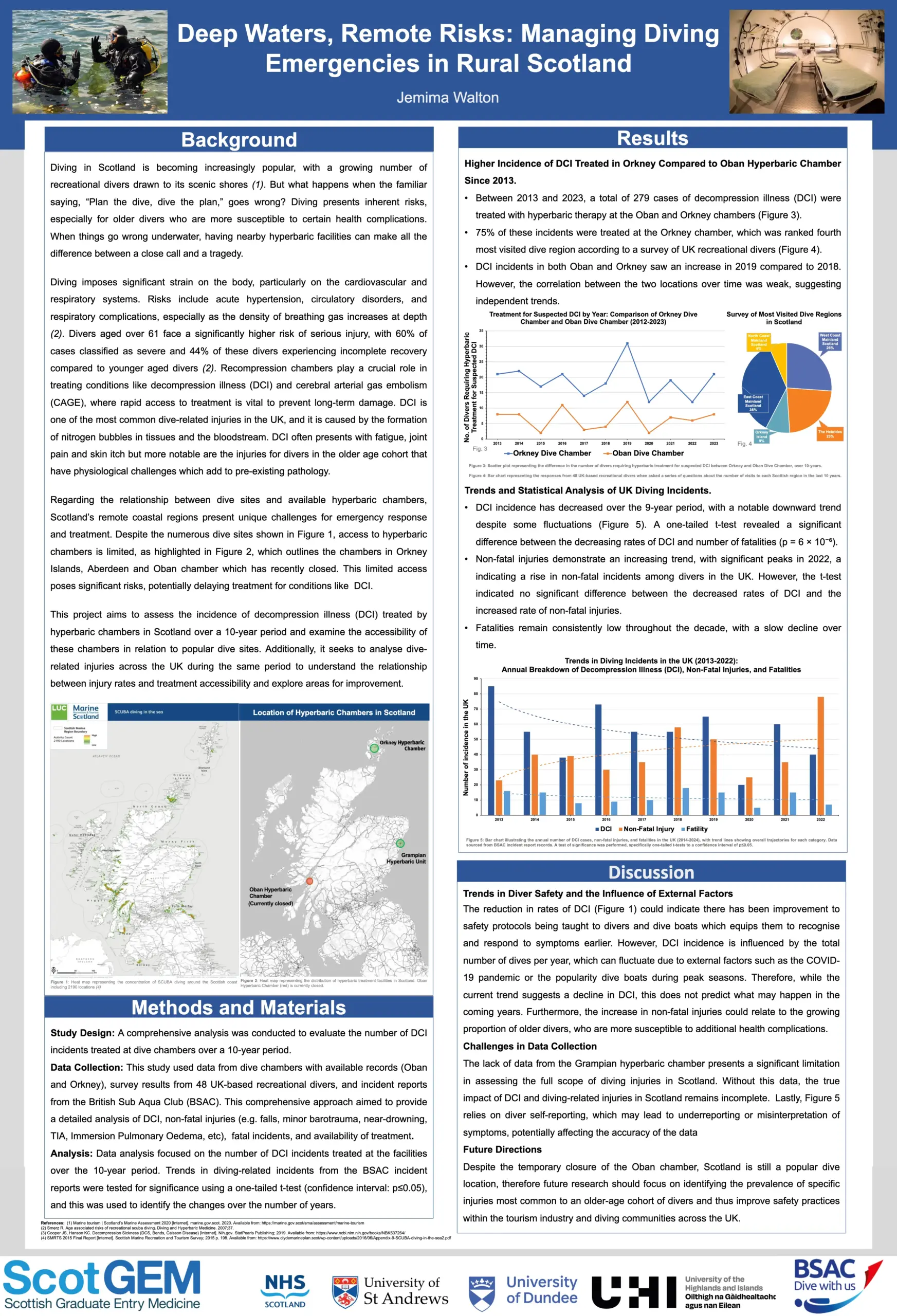
Deep Waters, Remote Risks: Managing Diving Emergencies in Rural Scotland | Jemima Walton
Combining hyperbaric chamber records, a survey of 48 recreational divers and national incident reports, this project examines diving emergencies and treatment access in rural Scotland. Of 279 decompression illness cases treated at the Oban and Orkney chambers between 2013 and 2023, three-quarters were managed in Orkney. Incomplete regional data and reliance on self-report limit interpretation, but the work highlights the importance of treatment accessibility and further research into diver risk profiles.
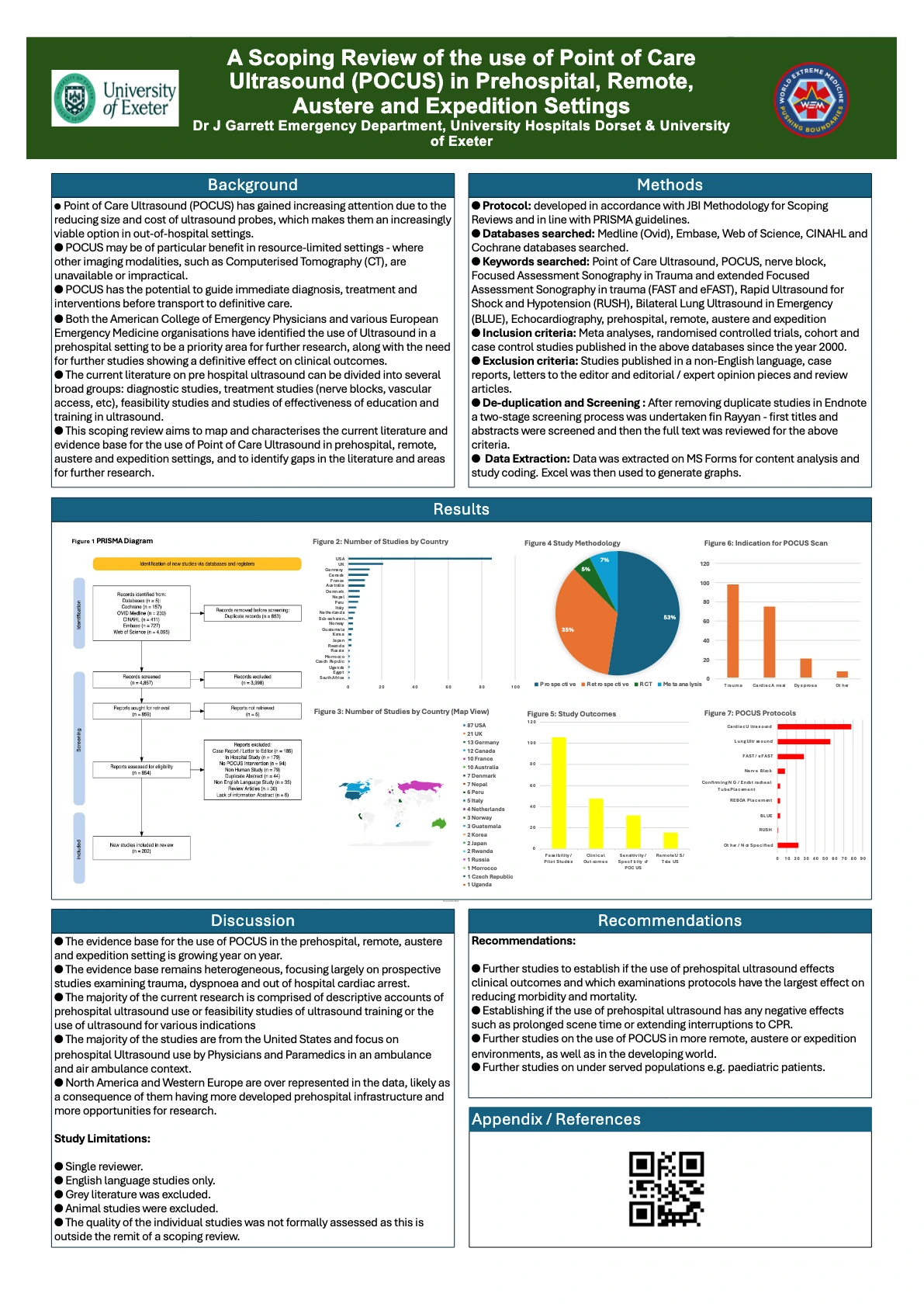
A Scoping Review of the Use of Point of Care Ultrasound in Prehospital, Remote, Austere and Expedition Settings | Joe Garrett
This review maps research on point-of-care ultrasound outside hospital, identifying a growing but heterogeneous evidence base focused on trauma, dyspnoea and cardiac arrest. Much of the literature concerns feasibility or diagnostic performance in established ambulance and air ambulance services. The findings highlight the need for stronger evidence on patient outcomes, potential operational drawbacks and applications in remote environments, lower-resource settings and underserved populations.
Accidents Within Outdoor Climbing in England and Wales: An Unavoidable Risk or a Consequence of Neglected Safety Procedures? | Kate Bestwick and Tim Sanders
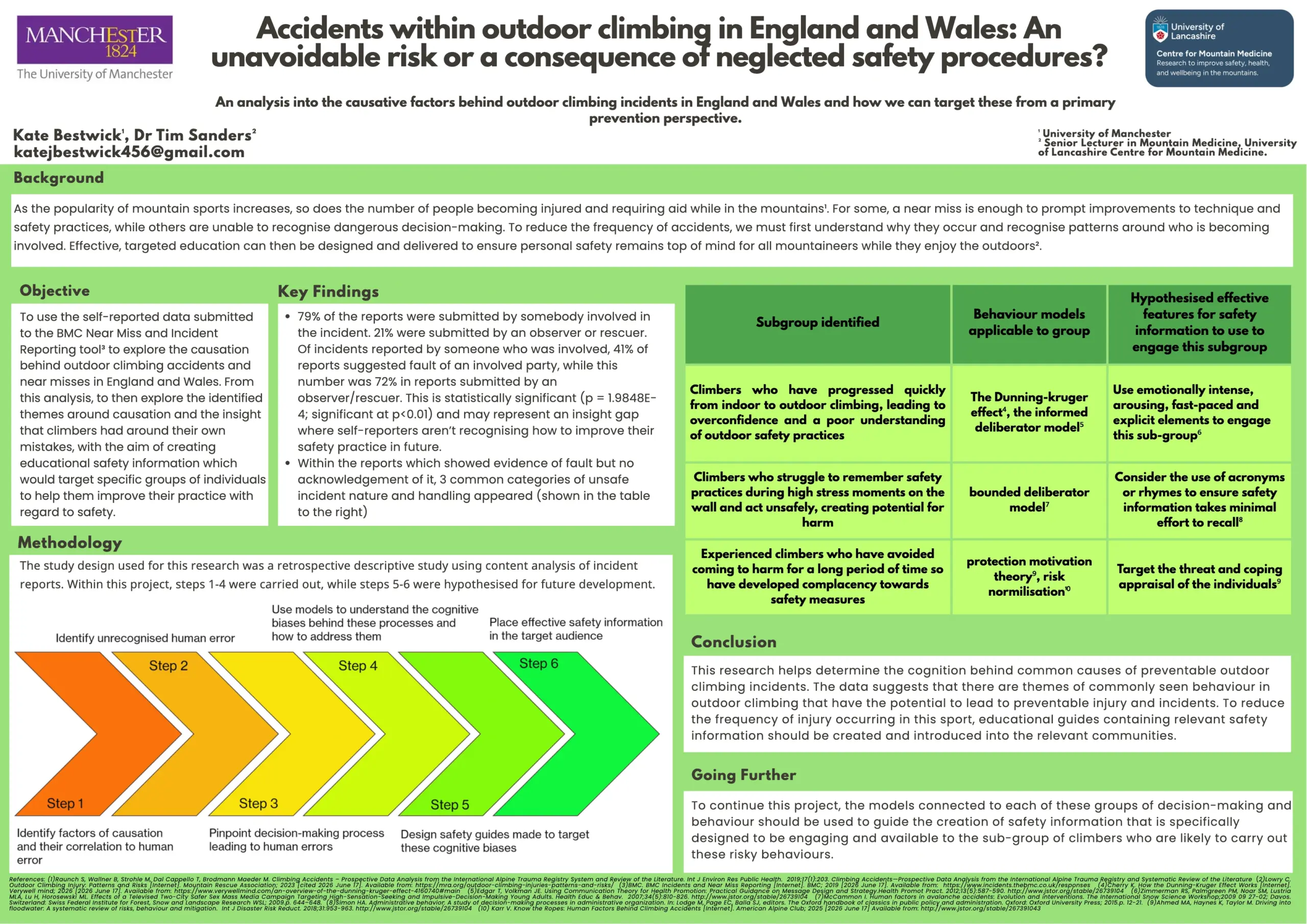
A retrospective content analysis of British Mountaineering Council incident and near-miss reports explores decision-making behind outdoor climbing accidents. Reports from observers or rescuers identified fault more often than accounts from those involved, suggesting possible differences in awareness or reporting. Themes included overconfidence, difficulty recalling safety practices under stress and complacency. The project proposes targeted educational approaches, which would require development and evaluation.
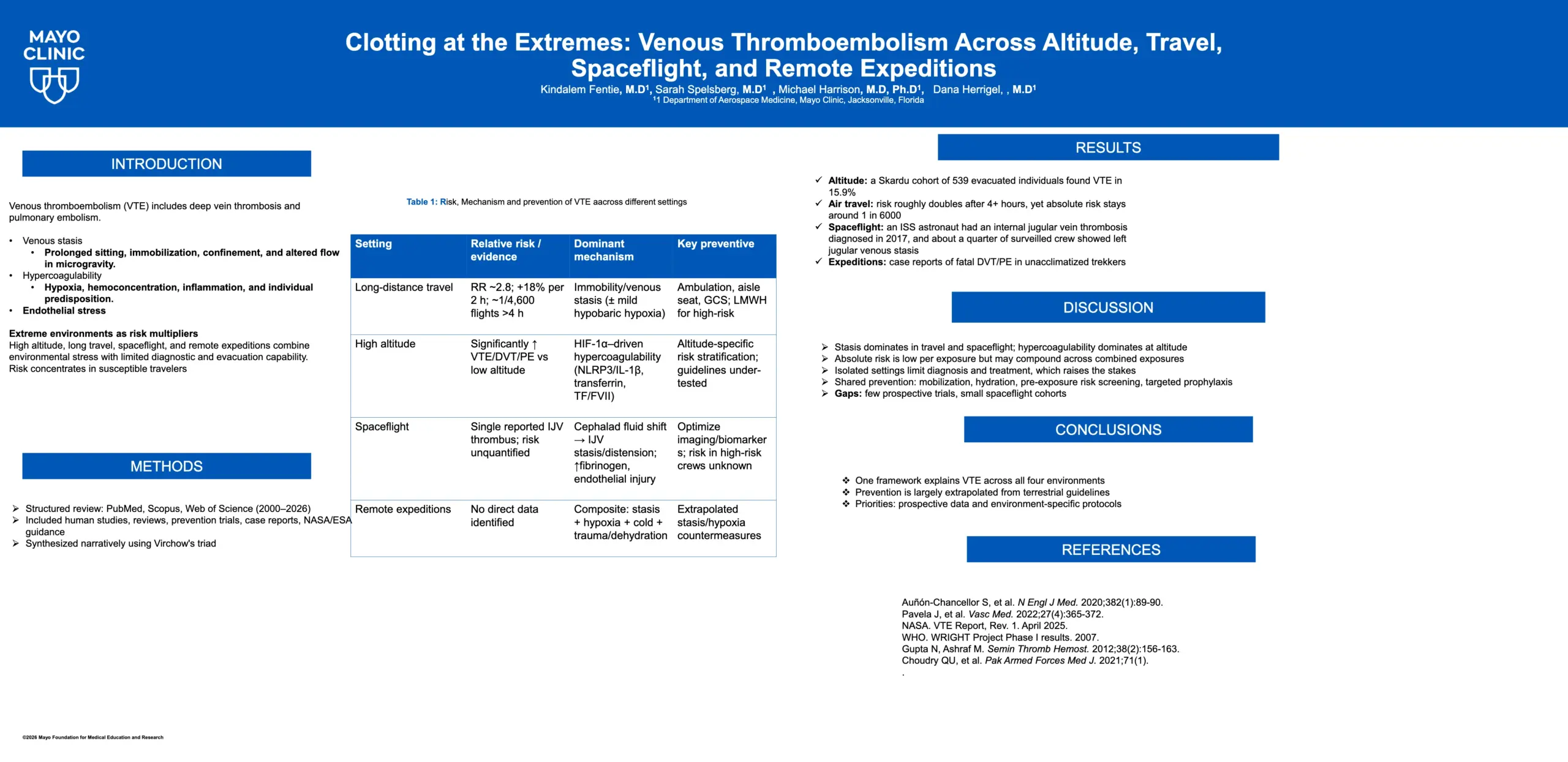
Clotting at the Extremes: Venous Thromboembolism Across Altitude, Travel, Spaceflight, and Remote Expeditions | Kindalem Fentie et al.
A structured review uses Virchow’s triad to compare venous thromboembolism across high altitude, long-distance travel, spaceflight and remote expeditions. It describes how immobility, altered blood flow and environmental stress may interact with individual susceptibility. Much preventive guidance is extrapolated from terrestrial practice, and evidence remains especially limited for spaceflight and expeditions. The poster calls for prospective data and prevention protocols tailored to each environment.
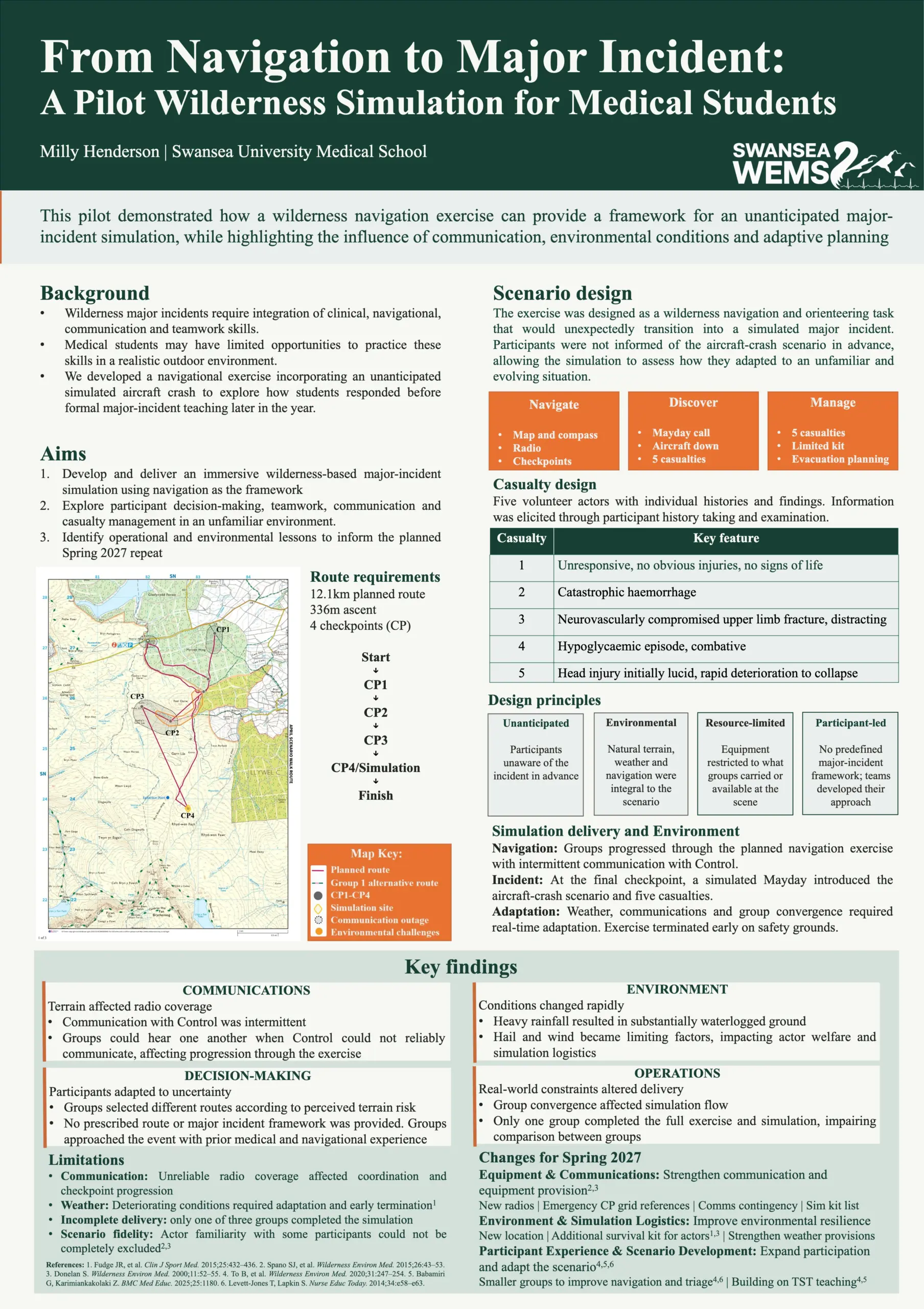
From Navigation to Major Incident: A Pilot Wilderness Simulation for Medical Students | Milly Henderson
A wilderness navigation exercise introduced medical students to an unexpected simulated aircraft crash with five casualties. Unreliable radio coverage, deteriorating weather and group convergence affected delivery, and the exercise ended early on safety grounds, with only one group completing the full scenario. The pilot identifies practical lessons for communication, actor welfare and environmental contingency planning ahead of a revised exercise, rather than demonstrating measured educational gains.
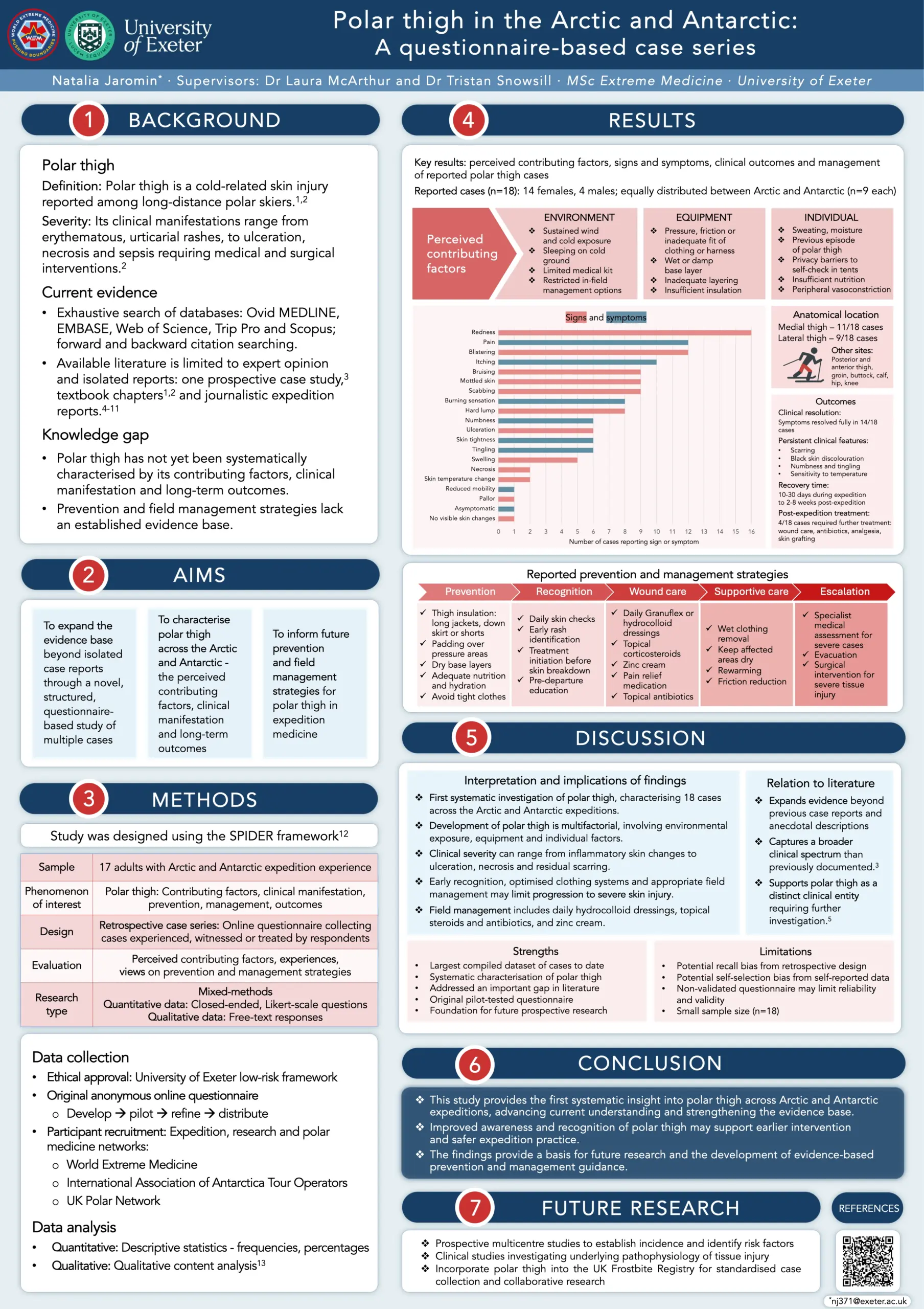
Polar Thigh in the Arctic and Antarctic: A Questionnaire-Based Case Series | Natalia Jaromin
A retrospective questionnaire study gathered 18 reported cases of polar thigh across Arctic and Antarctic expeditions. Participants described injuries ranging from redness and pain to ulceration, necrosis and persistent scarring, with cold exposure, clothing pressure and moisture among perceived contributing factors. The findings broaden the description of this poorly understood condition and support prospective research into prevention and management, while remaining limited by small numbers and self-reported recollections.
Childbirth Under the Taliban: Afghanistan’s Maternal Mortality | Noah Cambridge
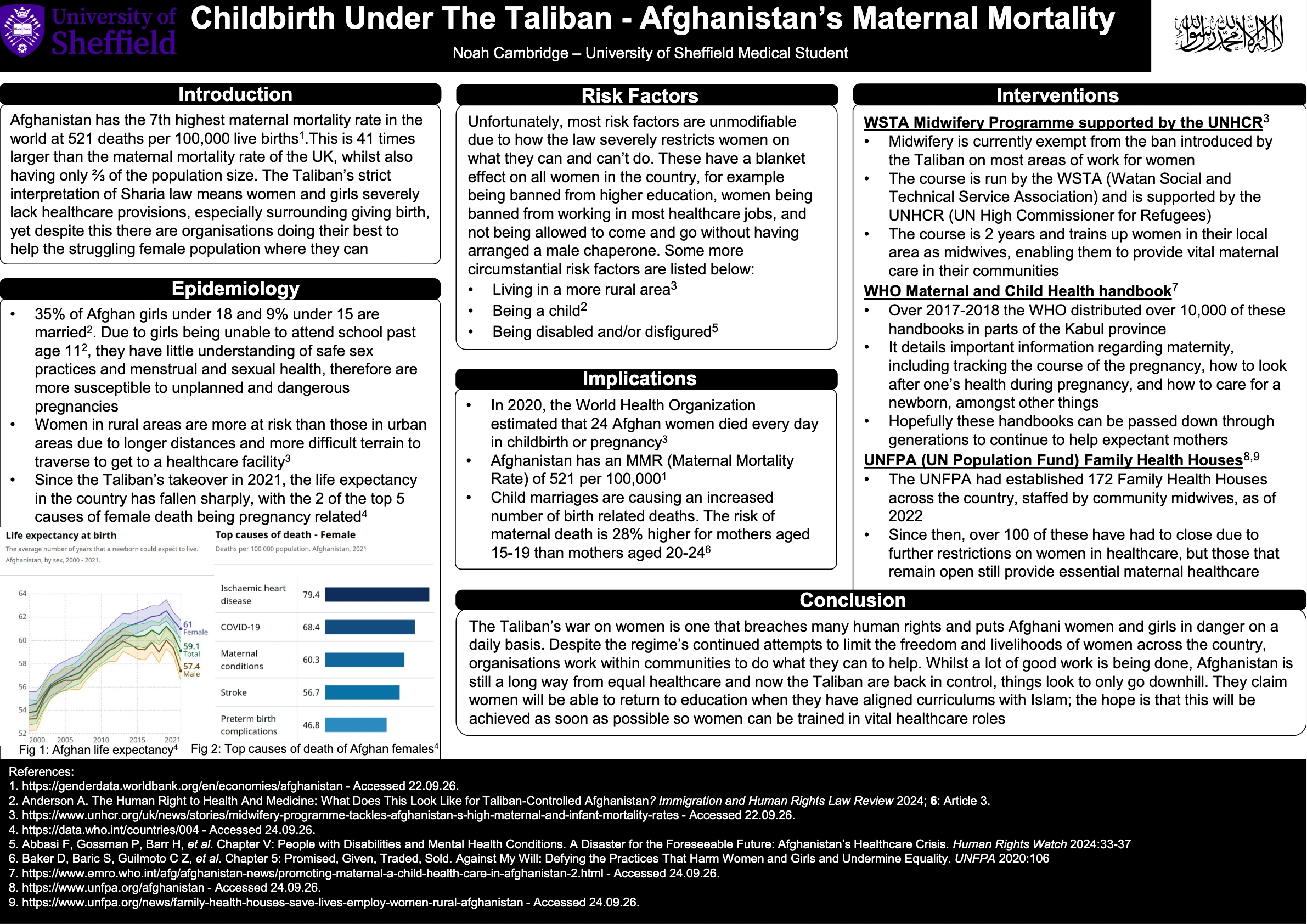
This poster examines maternal mortality in Afghanistan through the combined effects of restricted education and employment, child marriage and geographical barriers to care. It discusses community-based responses, including midwifery programmes, maternal health information and family health facilities. The overview highlights the importance of access to trained female healthcare workers and locally available maternity services, alongside the wider structural constraints affecting women’s health.
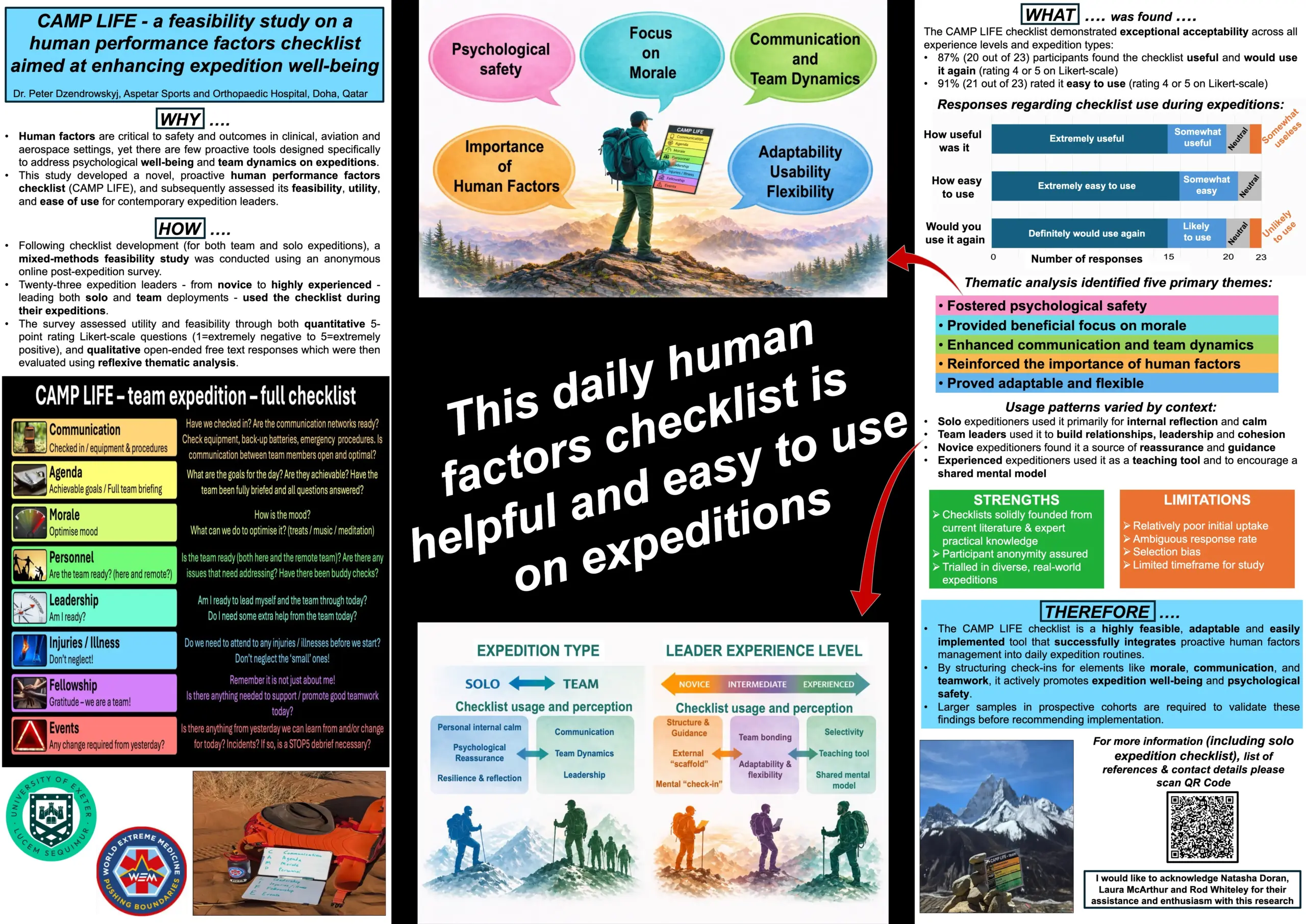
CAMP LIFE: A Feasibility Study on a Human Performance Factors Checklist Aimed at Enhancing Expedition Well-Being | Peter Dzendrowskyj – Digital Submission Only
Twenty-three expedition leaders tested the CAMP LIFE checklist and completed a post-expedition survey. Eighty-seven per cent found it useful and would use it again, while 91% rated it easy to use. Responses described benefits for reflection, morale, communication and team cohesion. The findings support feasibility and acceptability, but larger prospective studies are needed to establish effectiveness beyond this small, potentially self-selecting sample.
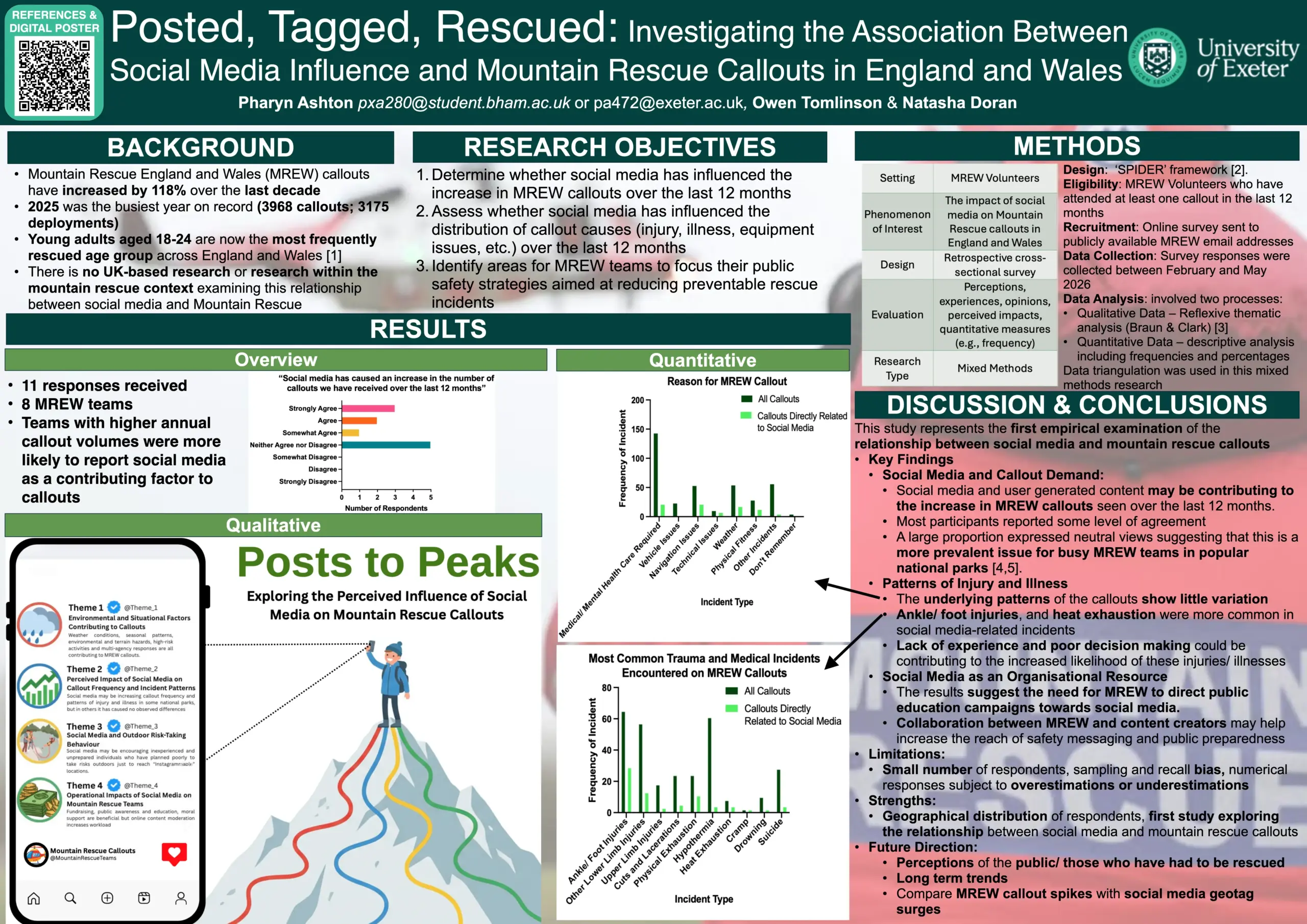
Posted, Tagged, Rescued: Investigating the Association Between Social Media Influence and Mountain Rescue Callouts in England and Wales | Pharyn Ashton, Owen Tomlinson and Natasha Doran
A mixed-methods survey gathered 11 responses from volunteers across eight mountain rescue teams about perceived links between social media and callouts. Busier teams were more likely to identify social media as a contributing factor, while respondents also saw opportunities for online safety education. The small, perception-based sample cannot establish causation, but suggests further investigation and collaboration with content creators could help shape prevention campaigns.
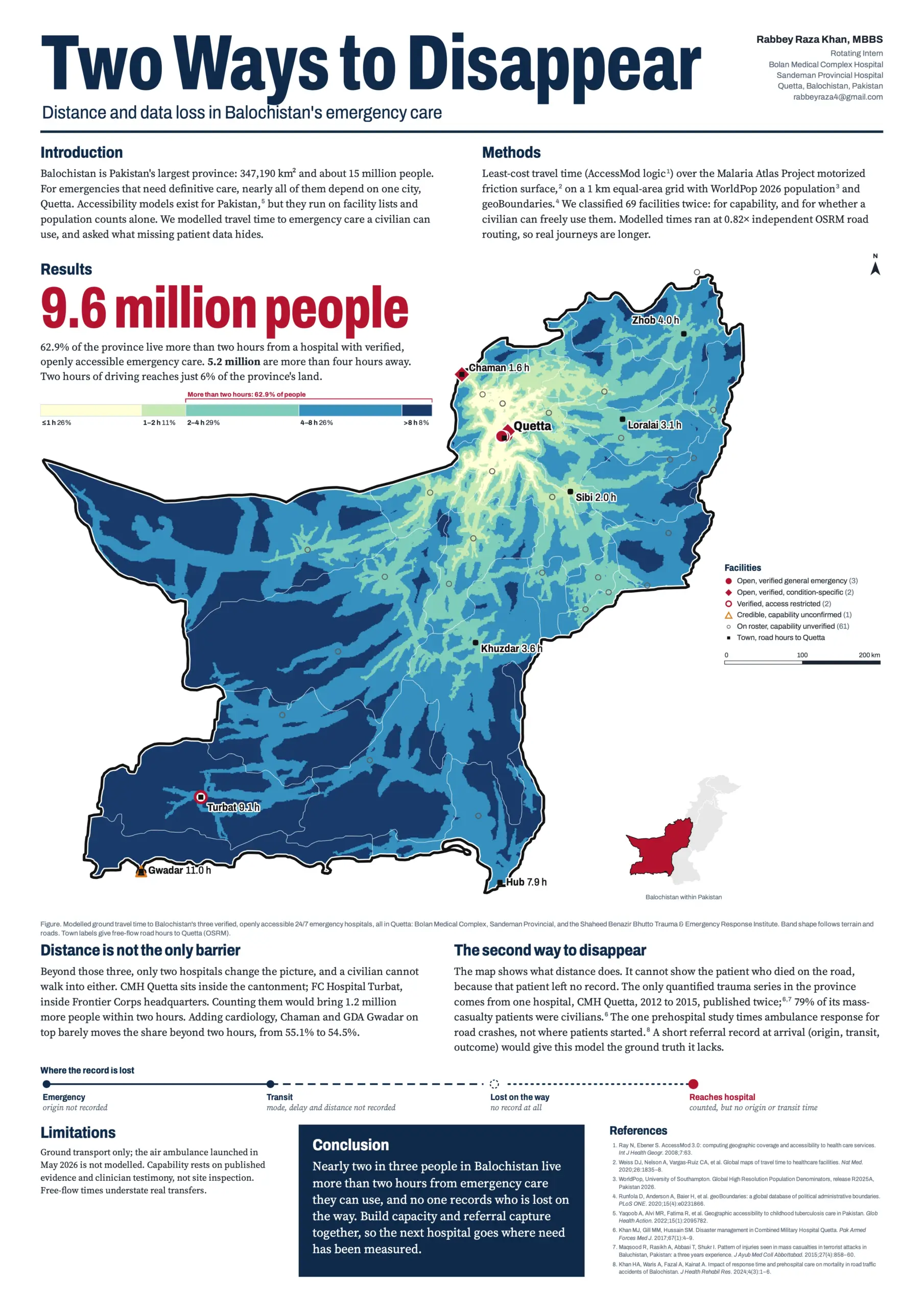
Two Ways to Disappear: Distance and Data Loss in Balochistan’s Emergency Care | Rabbey Raza Khan – Digital Submission Only
A geographical model estimates that 62.9% of Balochistan’s population lives more than two hours from verified, openly accessible emergency care. The study distinguishes facility capability from civilian access and highlights a second gap: missing records of patients’ origins, journeys and deaths before hospital arrival. With travel times likely underestimated, it argues for developing emergency capacity alongside referral data collection to better identify unmet need.
Exploring the Pathophysiology of High-Altitude Sickness | Sasha Preece – Digital Submission Only
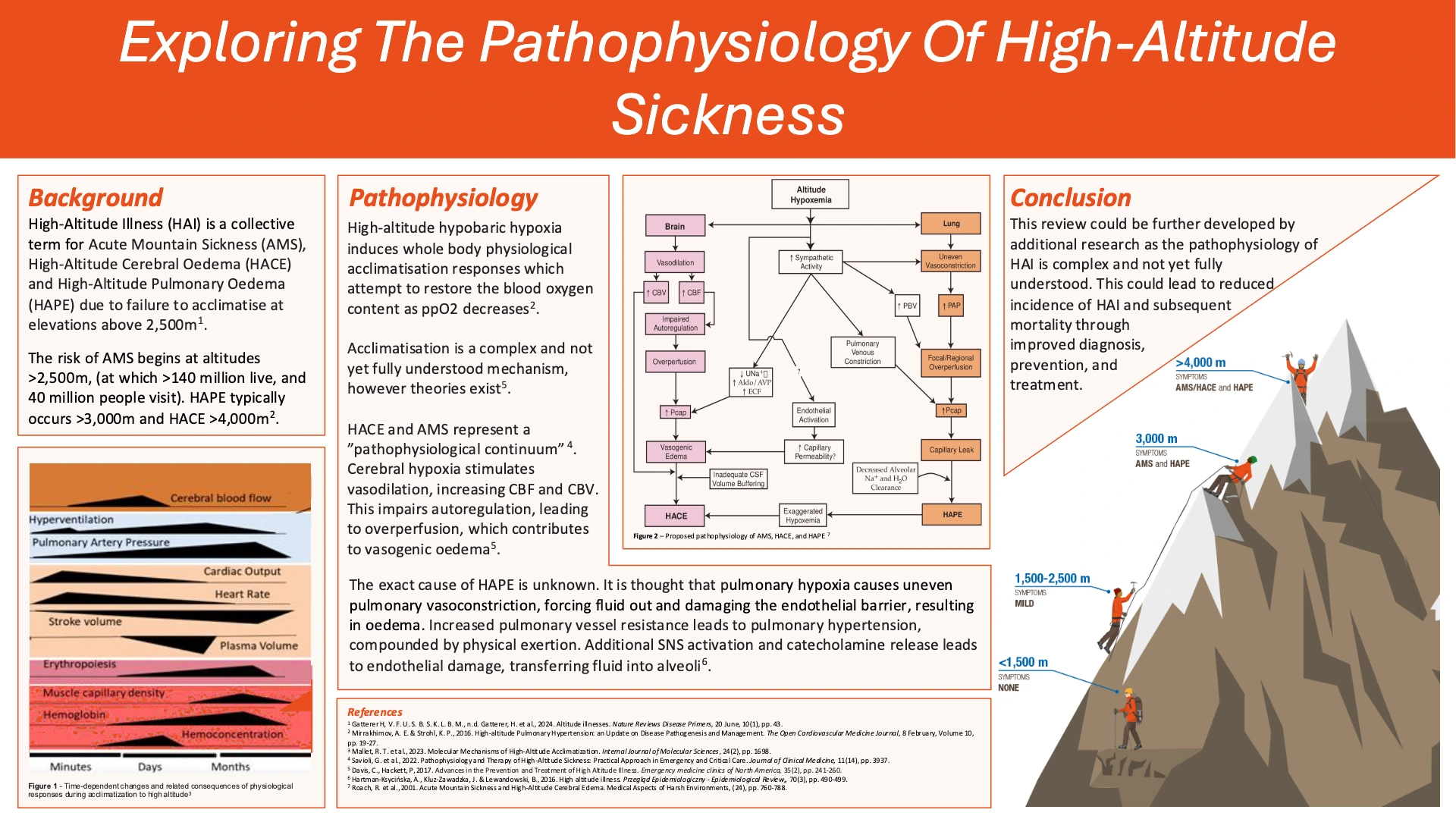
This literature-based overview examines physiological responses to hypobaric hypoxia and the processes implicated in acute mountain sickness, high-altitude cerebral oedema and high-altitude pulmonary oedema. It explores changes in cerebral blood flow, vascular regulation and pulmonary pressure while noting continuing uncertainty around the underlying mechanisms. The poster highlights the value of further research to strengthen understanding of acclimatisation and inform future prevention, diagnosis and treatment.
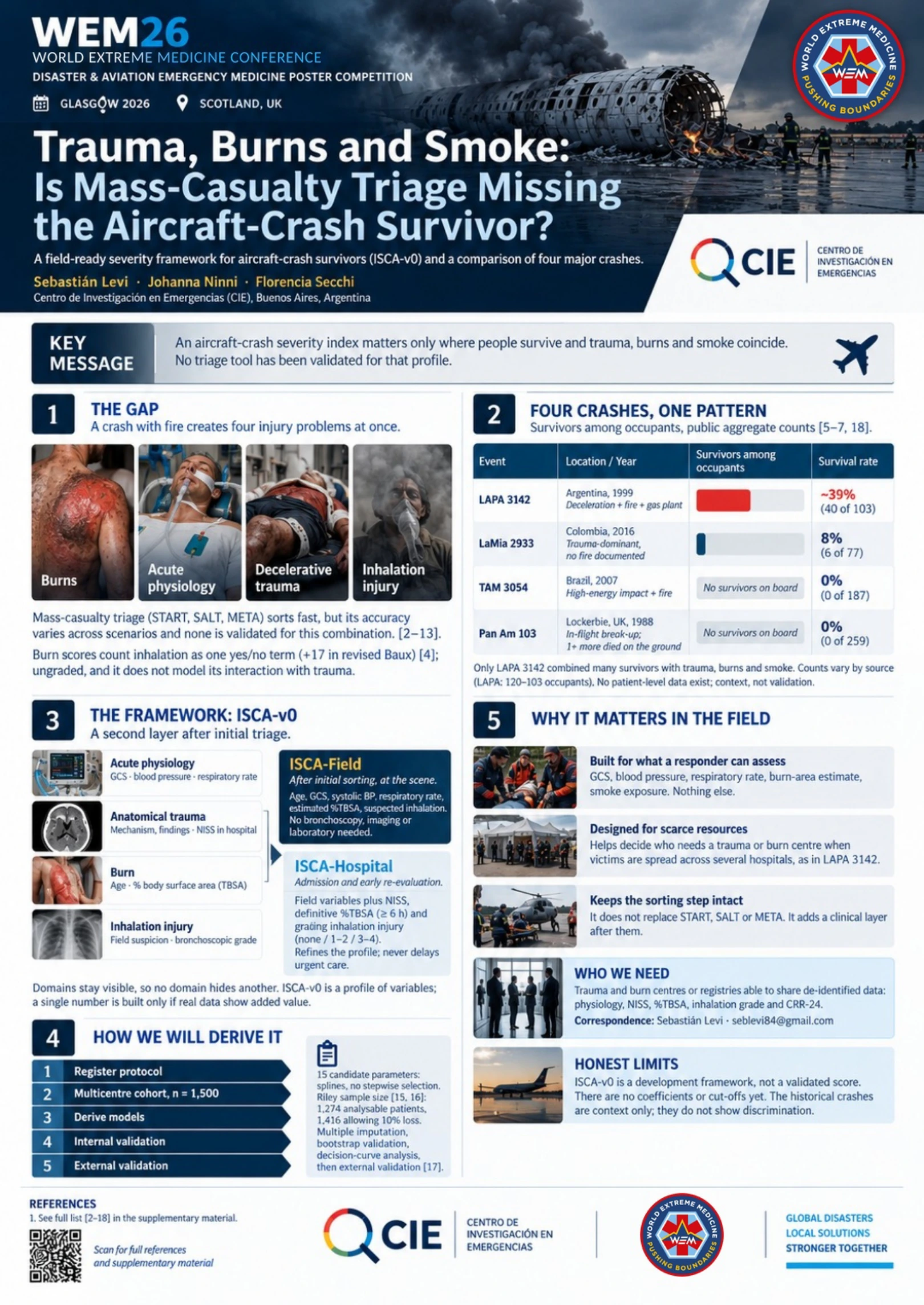
Trauma, Burns and Smoke: Is Mass-Casualty Triage Missing the Aircraft-Crash Survivor? | Sebastián Levi, Johanna Ninni and Florencia Secchi – Digital Submission Only
This poster proposes ISCA-v0, a framework for assessing aircraft-crash survivors with overlapping trauma, burns and inhalation injury after initial mass-casualty sorting. Four historical crashes provide context, while field and hospital components organise physiological and injury information. The framework is not a validated score and has no established cut-offs. A proposed multicentre study would develop and test its value using patient-level data.
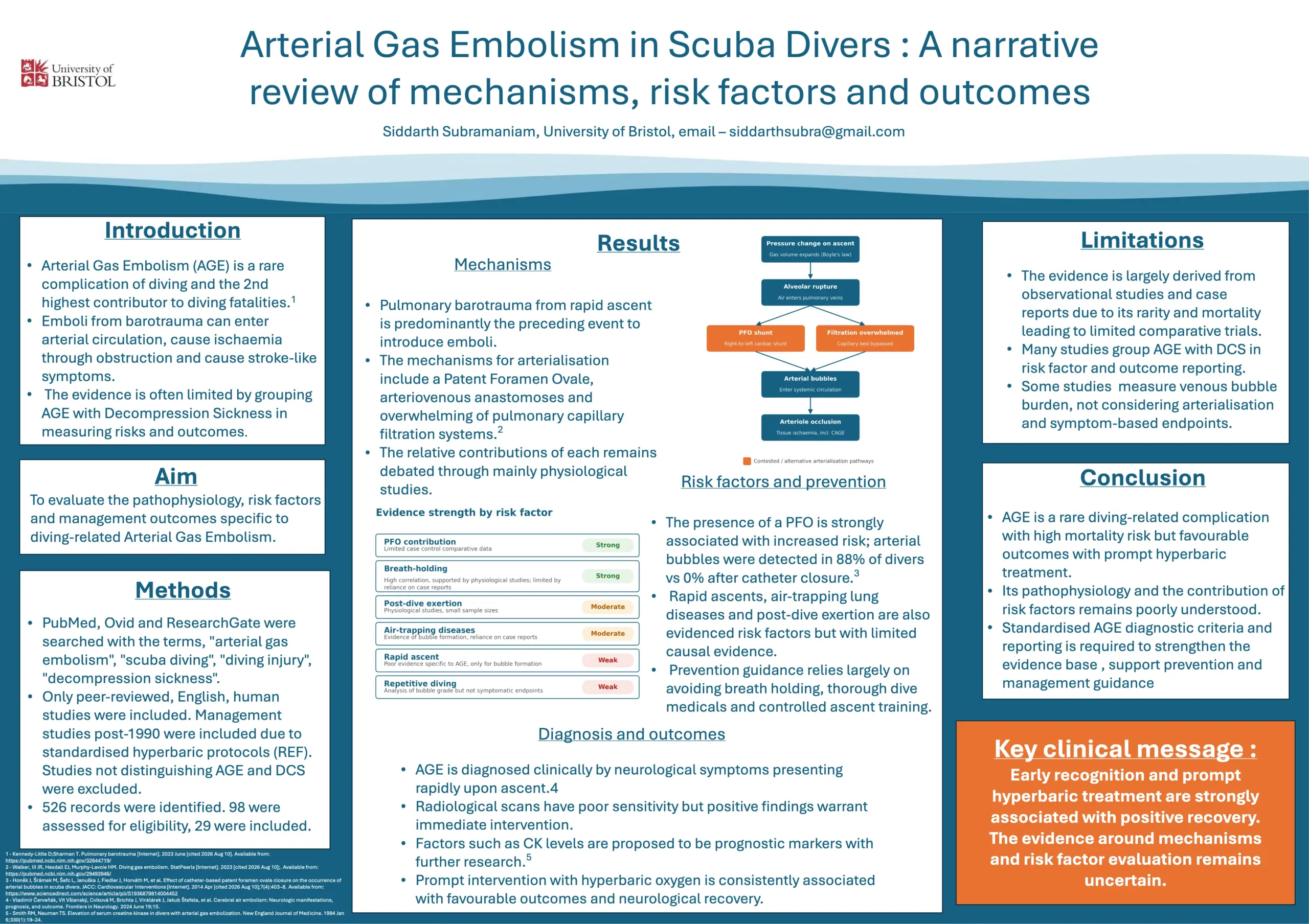
Arterial Gas Embolism in Scuba Divers: A Narrative Review of Mechanisms, Risk Factors and Outcomes | Siddarth Subramaniam
A narrative review of 29 studies examines diving-related arterial gas embolism, including pulmonary barotrauma, routes into the arterial circulation and potential risk factors. The evidence associates prompt hyperbaric treatment with favourable recovery, but is limited by rarity, observational designs and inconsistent separation from decompression sickness. The poster calls for standardised diagnostic criteria and reporting to improve understanding of mechanisms, prevention and outcomes.
Beyond the Golden Hour: Lower-Limb Fractures in Prolonged Field Care: A Rapid Review | J. Keeley, S. Keston and J.E. McKay
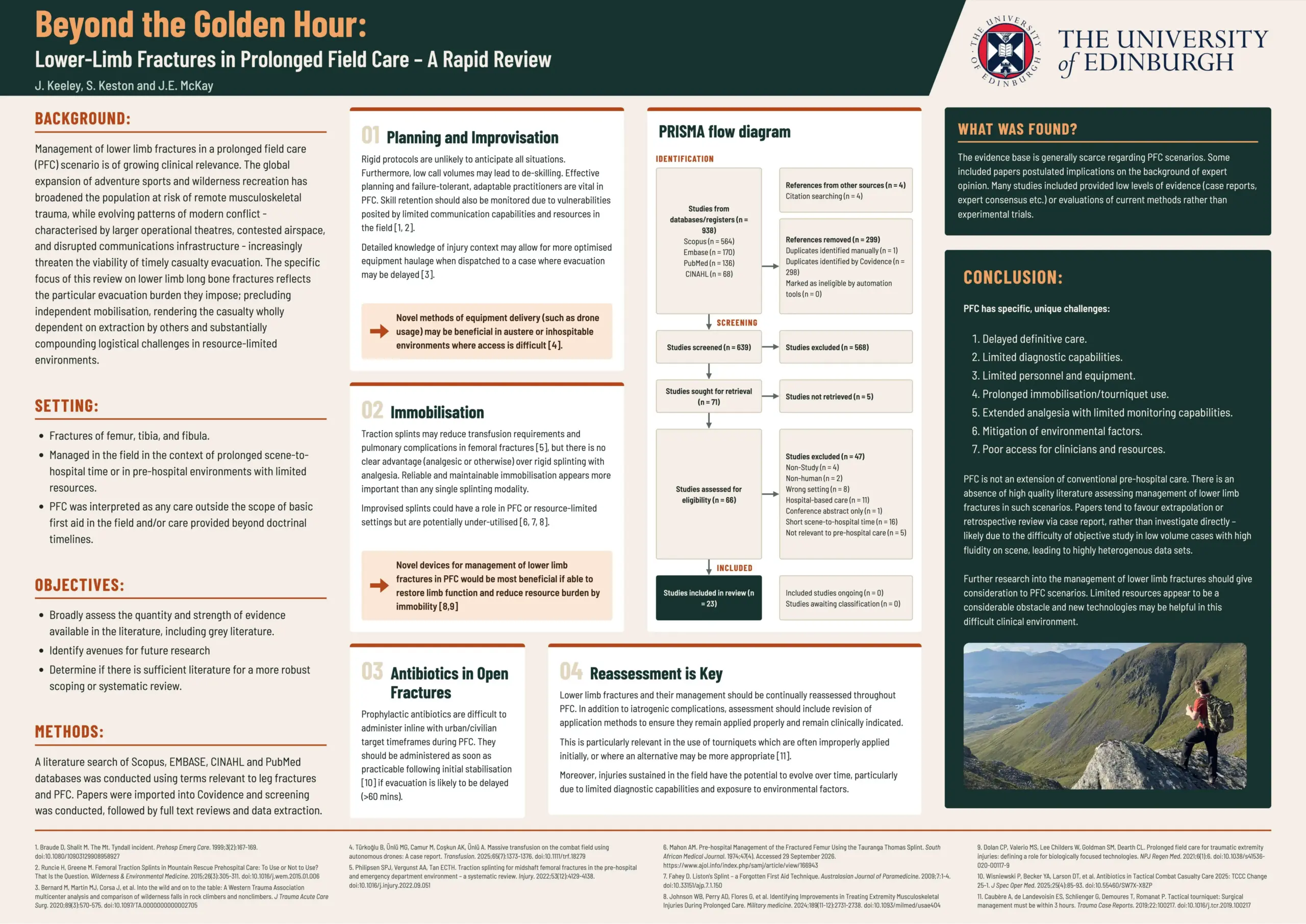
A rapid review of 23 studies examines lower-limb fracture management when definitive care is delayed. Themes include adaptable planning, maintainable immobilisation, reassessment and the challenges of providing analgesia and other care with limited resources. Much of the evidence consists of case reports, expert opinion or evaluations of existing practice. The review identifies a need for stronger research designed specifically around prolonged field care.
Medicine in Space: How to Perform Surgery in Zero Gravity? | Srijani Palwai – Digital Submission Only
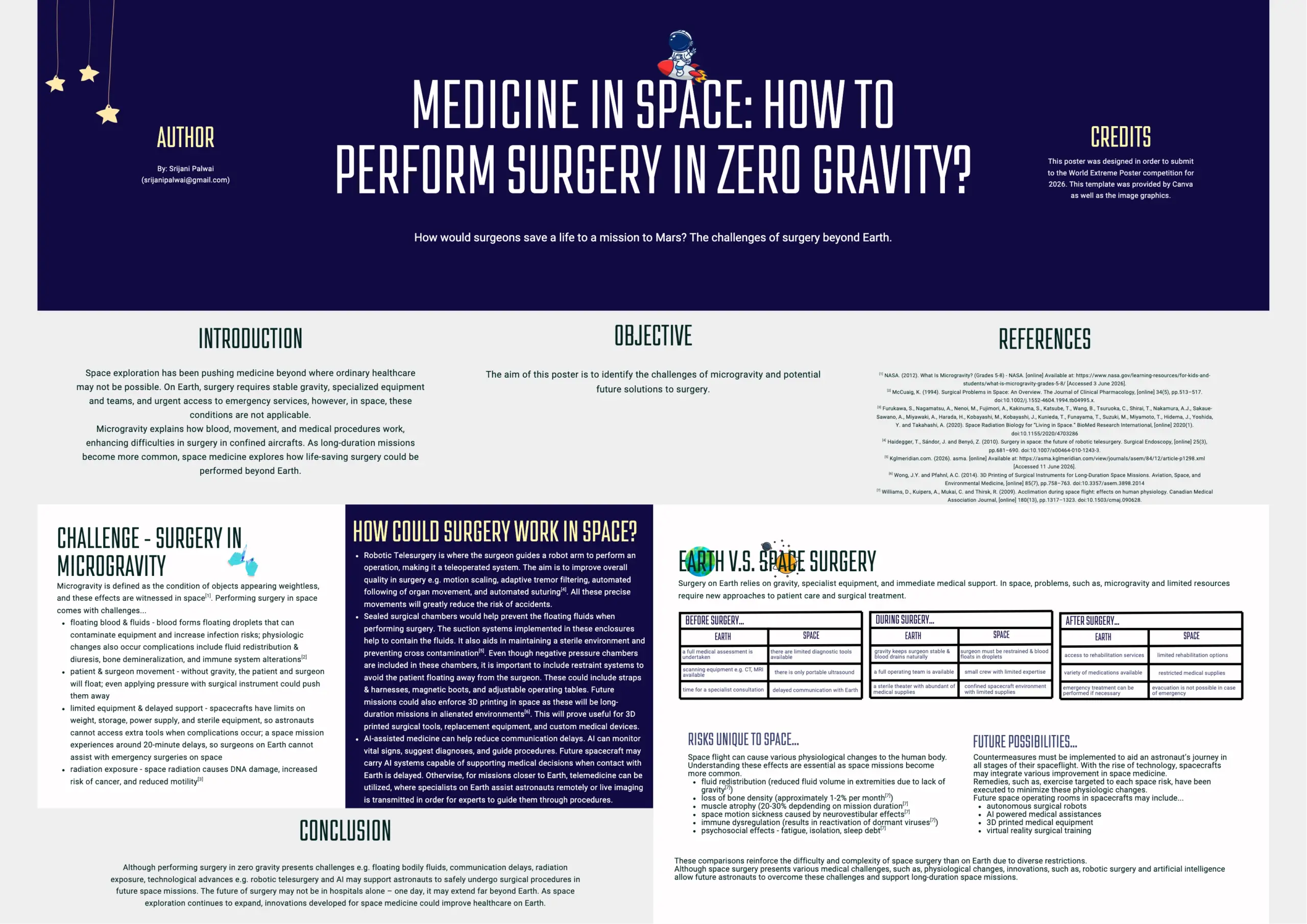
This educational poster explores how microgravity, limited supplies, physiological changes and delayed communication complicate surgery during space missions. It discusses potential approaches including fluid containment, restraint systems, robotic assistance, three-dimensional printing and clinical decision support. These technologies are presented as possible directions for future capability, with the central challenge being how small crews could deliver emergency surgical care far from conventional facilities and evacuation options.
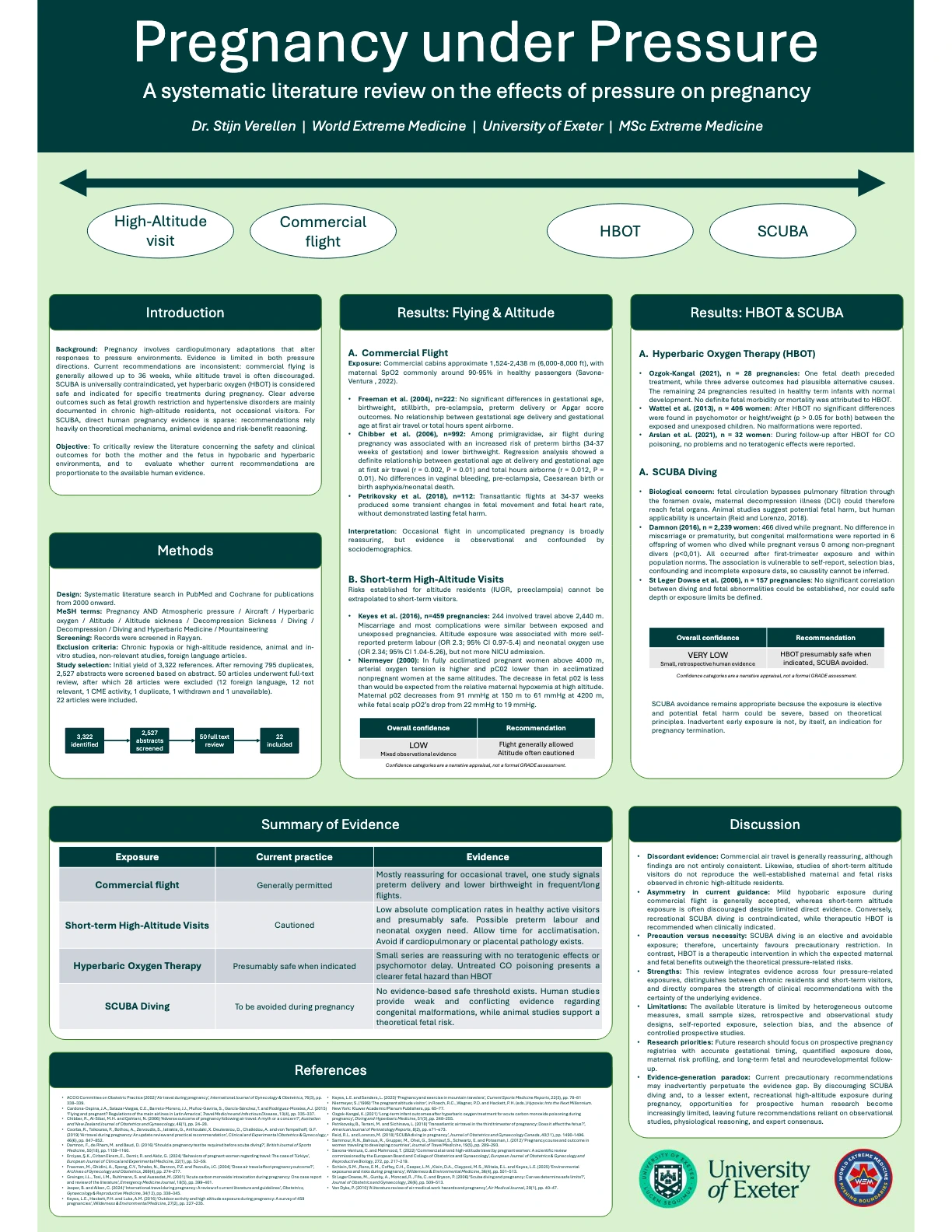
Pregnancy Under Pressure: A Systematic Literature Review on the Effects of Pressure on Pregnancy | Stijn Verellen – Digital Submission Only
A review of 22 articles compares pregnancy evidence for commercial flight, short-term altitude visits, hyperbaric oxygen therapy and scuba diving. It finds a limited, largely observational evidence base and distinguishes elective exposures from treatment undertaken for clinical need. The poster examines how uncertainty shapes precautionary recommendations and calls for better exposure recording, prospective registries and longer-term maternal and child follow-up.
Autonomic and Thermoregulatory Effects in Adults with Spinal Cord Injury During Cold Environmental Exposure: Implications for Polar and Extreme Environments | Victoria Sparkes
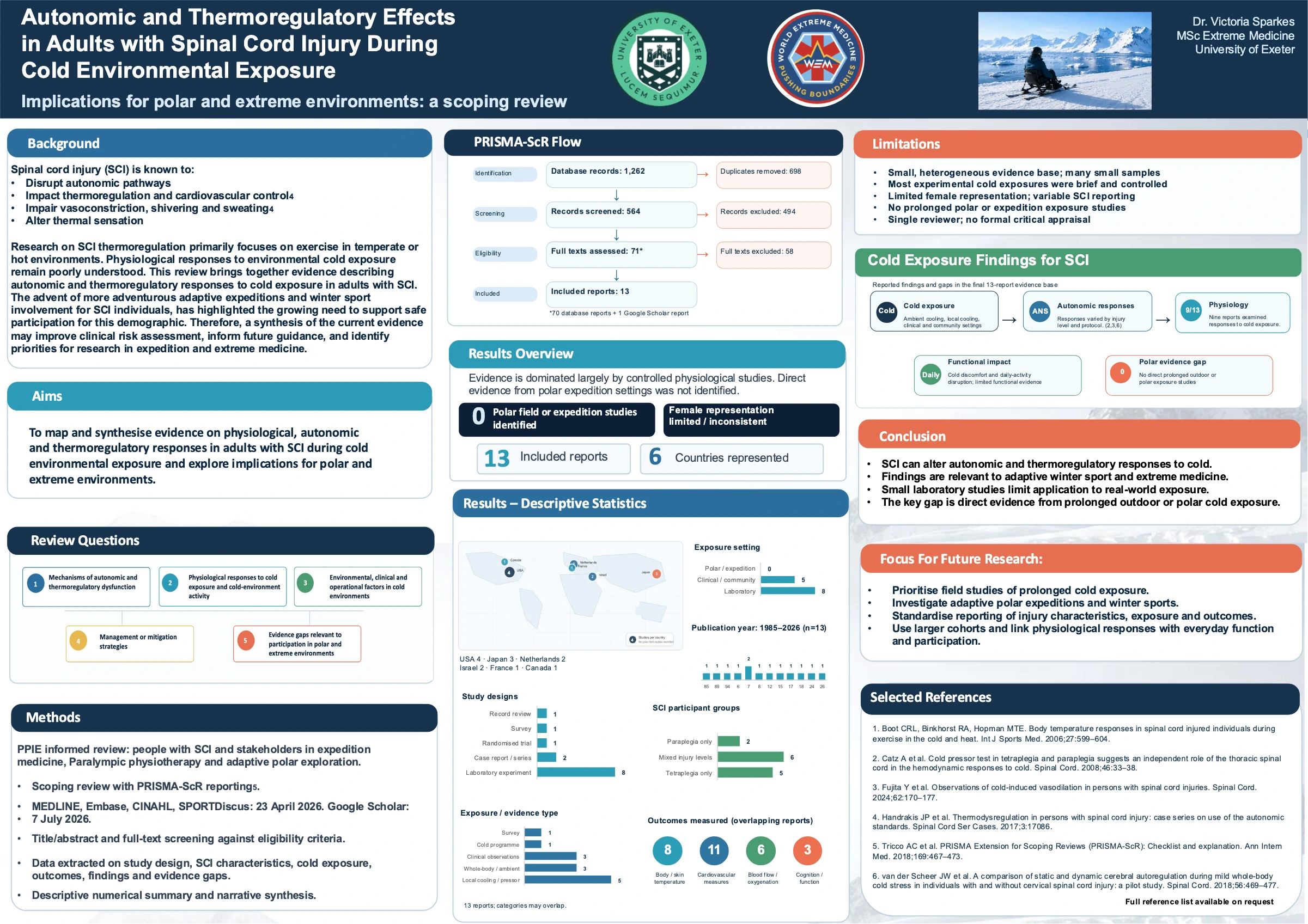
A scoping review of 13 reports examines autonomic and thermoregulatory responses to cold in adults with spinal cord injury. The evidence is dominated by small, controlled physiological studies, with no direct studies of prolonged polar or expedition exposure. Findings may inform questions relevant to adaptive winter sport and expedition planning, but stronger field research is needed to connect laboratory responses with practical function, participation and individual risk.
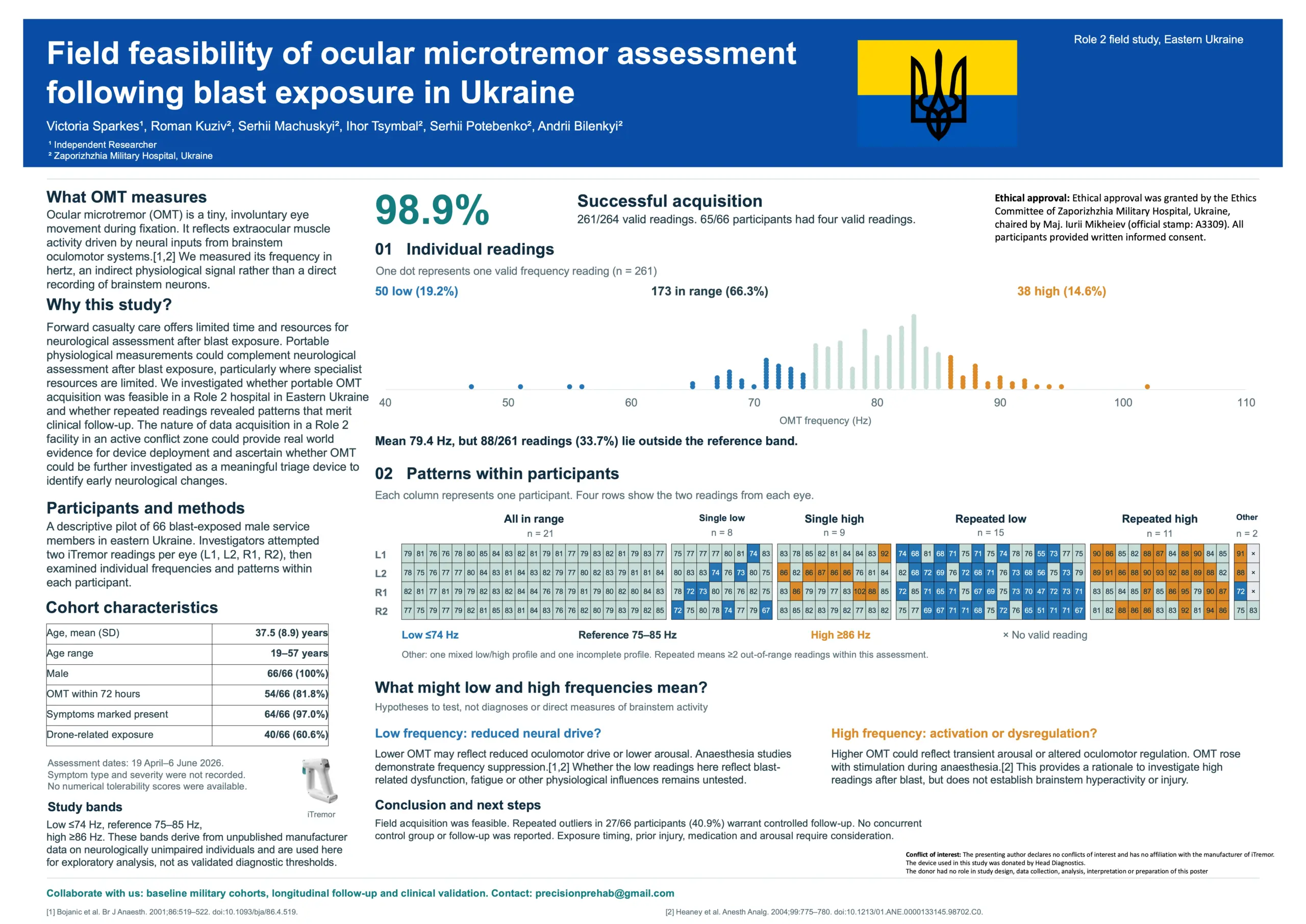
Field Feasibility of Ocular Microtremor Assessment Following Blast Exposure in Ukraine | Victoria Sparkes et al.
A pilot study in an eastern Ukrainian Role 2 hospital obtained valid ocular microtremor readings in 261 of 264 attempts among 66 blast-exposed male service members. Repeated readings outside exploratory reference bands occurred in 27 participants. The findings demonstrate field acquisition feasibility, but the absence of a control group, follow-up and validated diagnostic thresholds means they do not establish detection of brain injury or clinical triage performance.
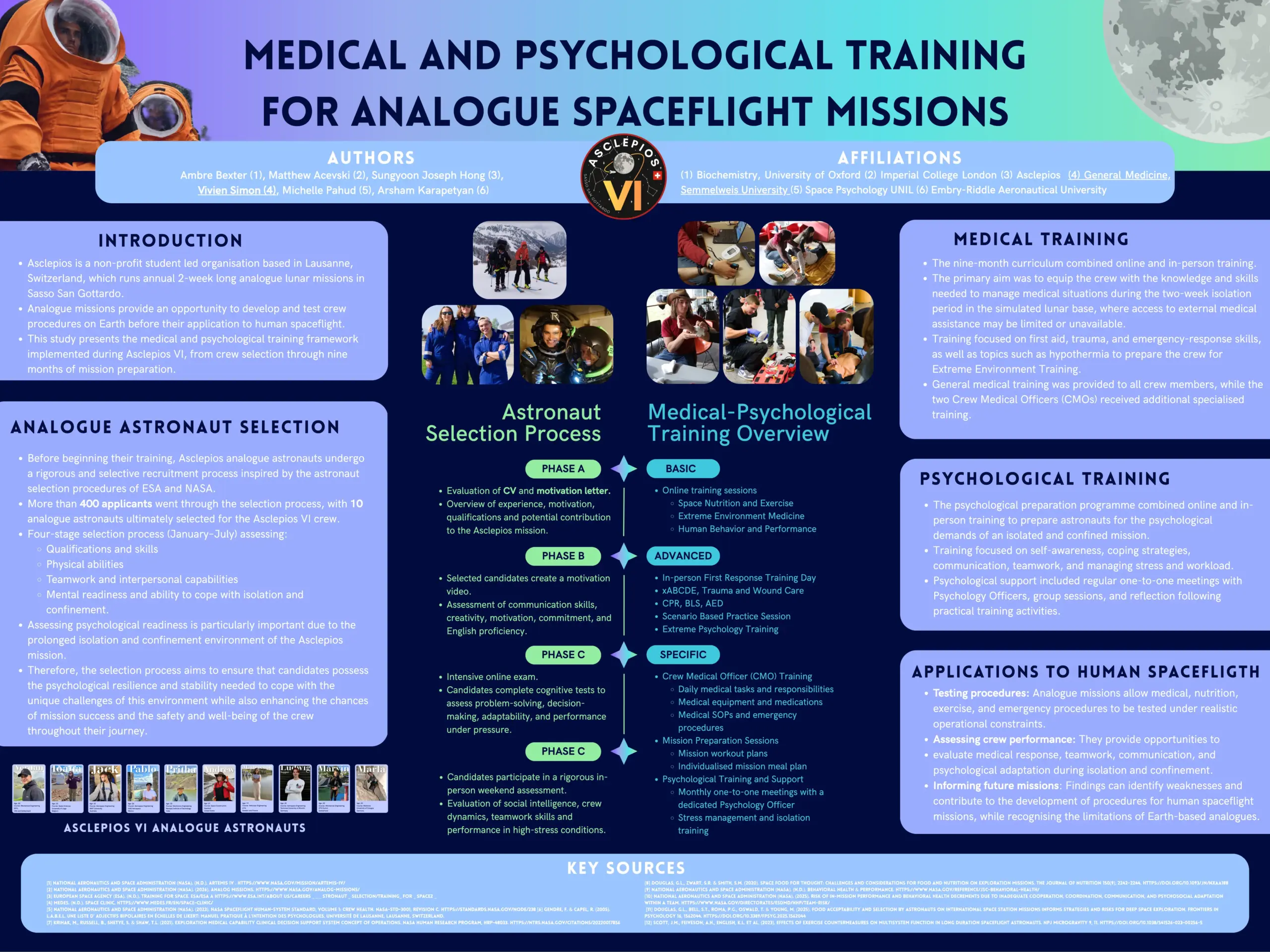
Medical and Psychological Training for Analogue Spaceflight Missions | Ambre Bexter, Matthew Acevski, Sungyoon Joseph Hong, Vivien Simon, Michelle Pahud and Arsham Karapetyan – Digital Submission Only
This poster describes crew selection and nine months of medical and psychological preparation for the Asclepios VI analogue lunar mission. Training combined online learning, practical emergency scenarios, specialist preparation for crew medical officers and continuing psychological support. The framework addresses clinical readiness, communication, teamwork and coping with isolation, offering a model for testing mission procedures on Earth while recognising the limits of terrestrial analogues.
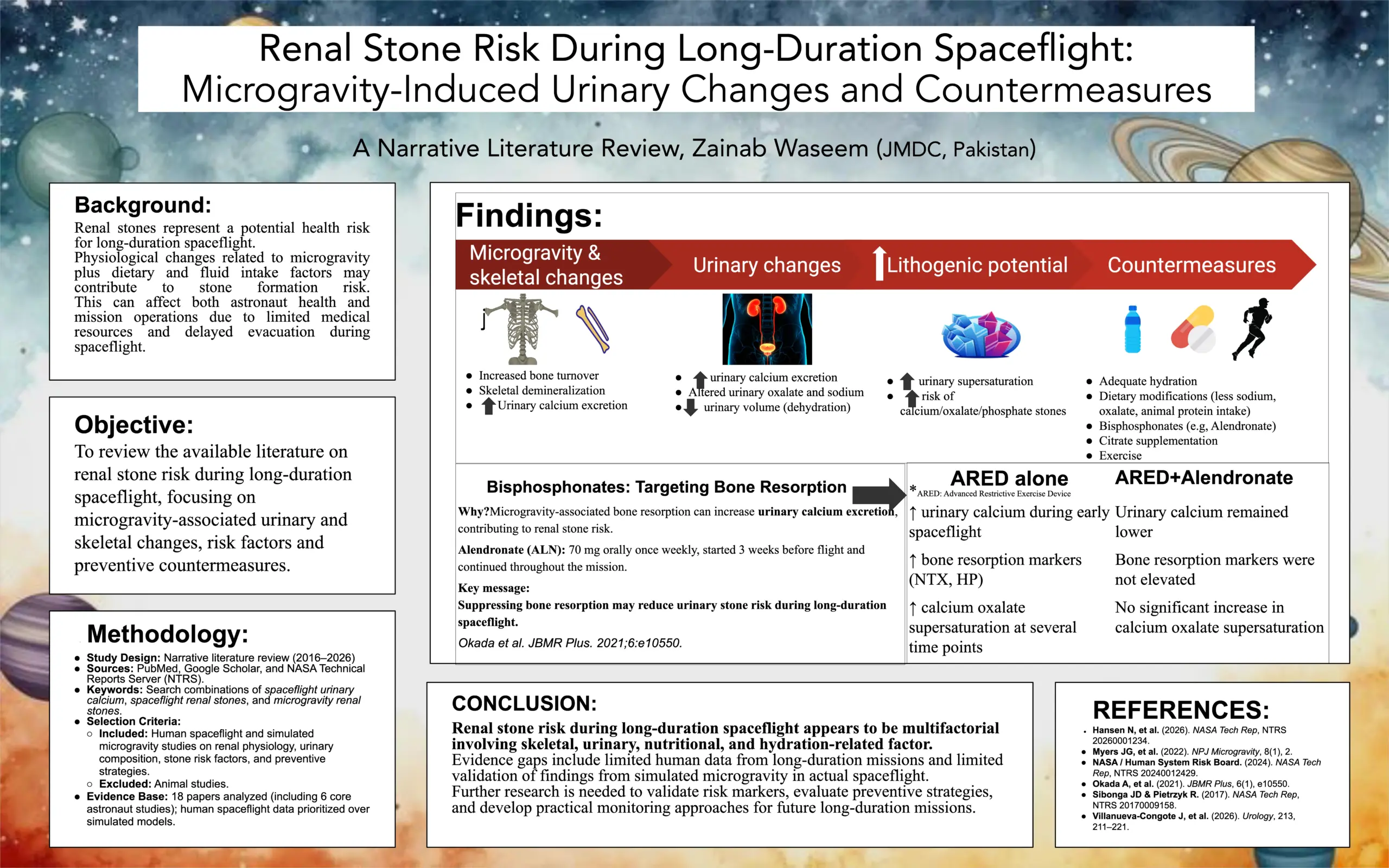
Renal Stone Risk During Long-Duration Spaceflight: Microgravity-Induced Urinary Changes and Countermeasures | Zainab Waseem – Digital Submission Only
A narrative review of 18 papers examines how skeletal demineralisation, urinary changes, hydration and diet may contribute to renal stone risk during long-duration spaceflight. It discusses countermeasures targeting both urine composition and bone resorption, while prioritising human spaceflight evidence over simulated models. Limited long-duration data leave uncertainty about risk prediction and prevention, supporting further evaluation of monitoring strategies and mission-specific countermeasures.
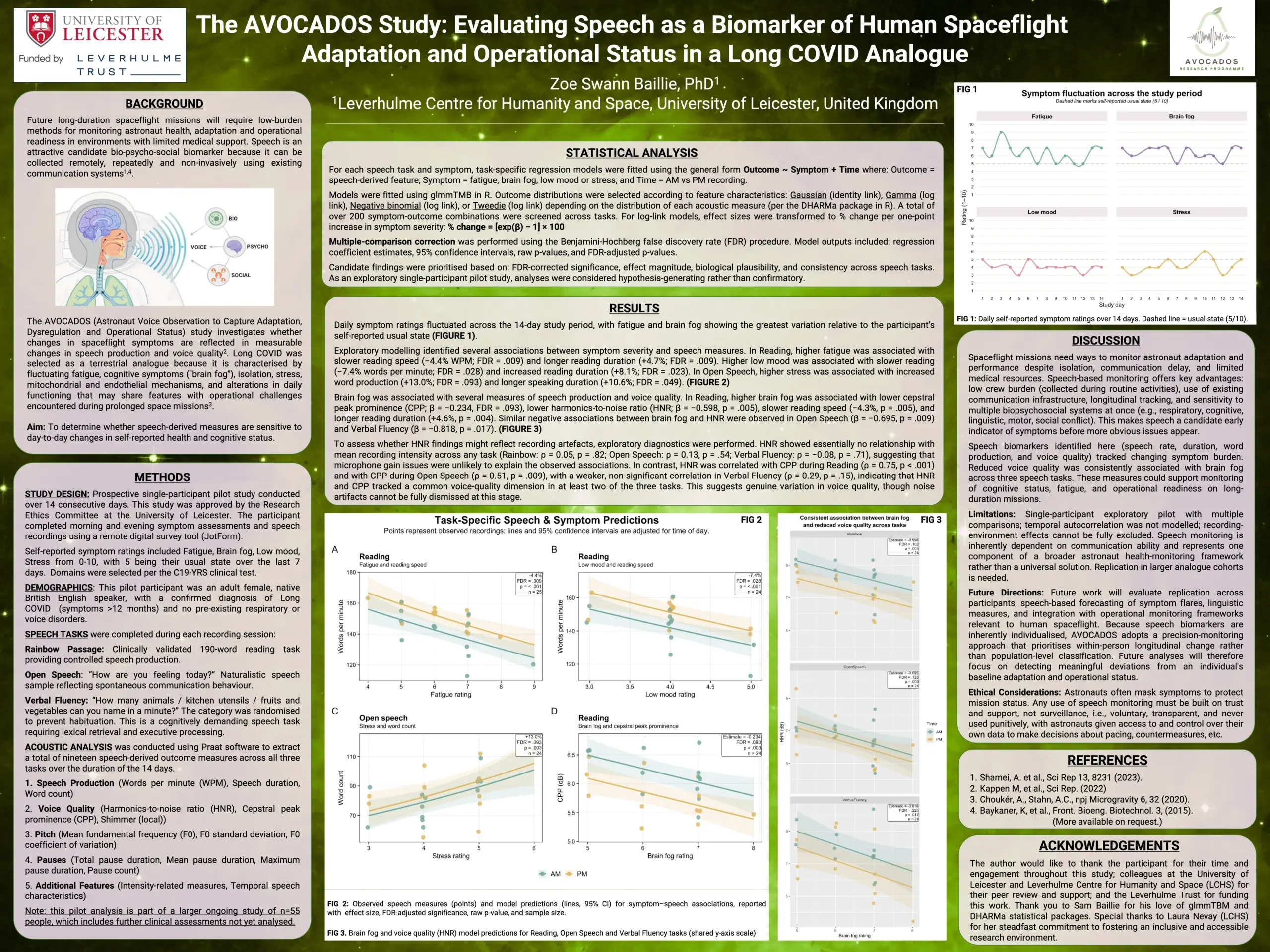
The AVOCADOS Study: Evaluating Speech as a Biomarker of Human Spaceflight Adaptation and Operational Status in a Long COVID Analogue | Zoe Swann Baillie
A 14-day, single-participant pilot explored whether speech measures tracked fluctuating symptoms in a person with Long COVID, used as a terrestrial analogue for aspects of spaceflight health monitoring. Exploratory associations included slower reading with greater fatigue and low mood, alongside voice-quality changes linked to brain fog. These hypothesis-generating findings require replication in larger cohorts before speech could be established as an operational health biomarker.
Psychological Collapse in Arctic Environments: A Scoping Review and Future Directions | Zuhayr Khan
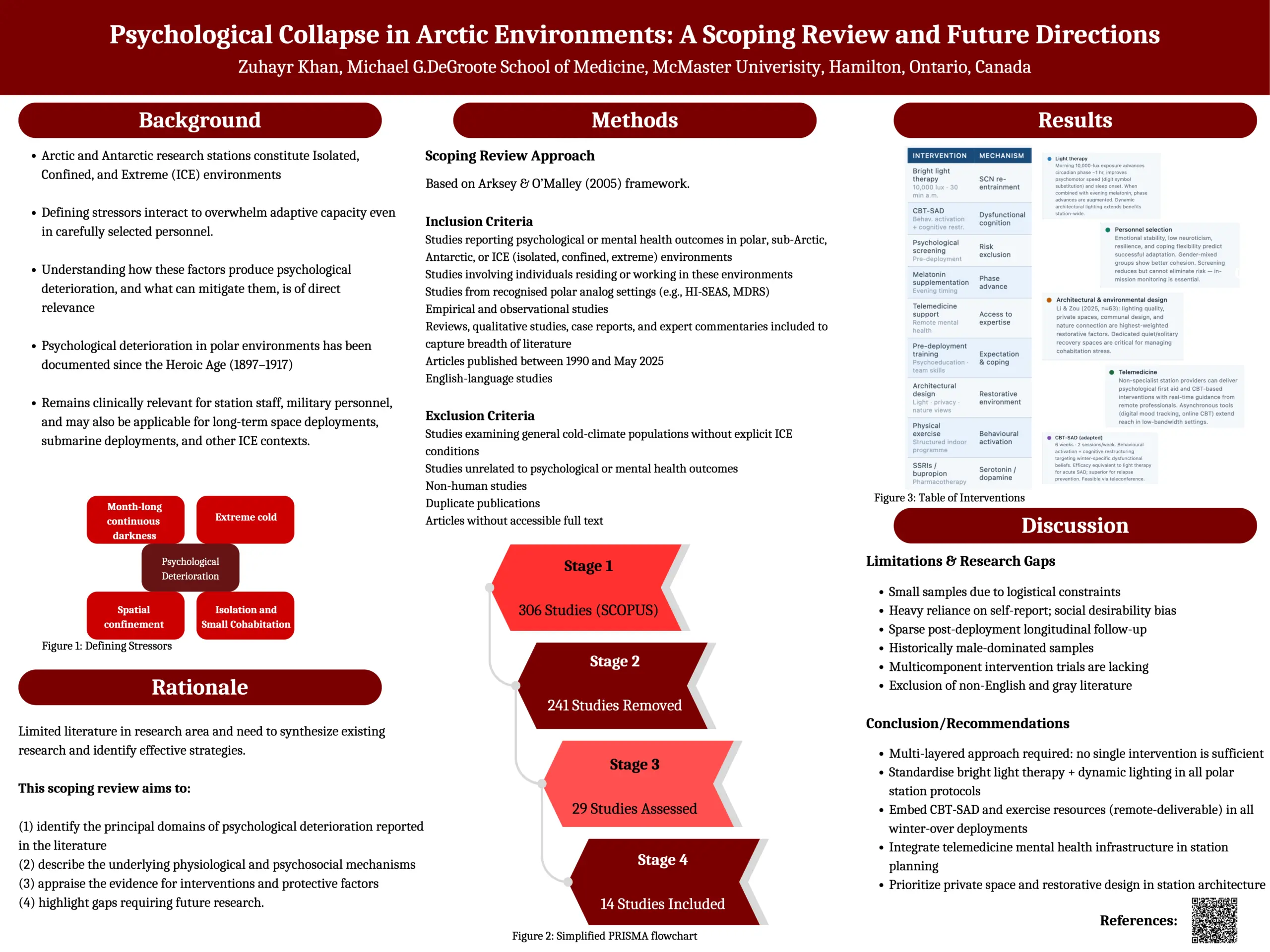
A scoping review of 14 studies explores psychological deterioration in polar and other isolated, confined and extreme environments. It considers interacting environmental and social stressors and reviews potential protective approaches, including lighting, exercise, psychological support and restorative living spaces. Small samples, reliance on self-report and limited follow-up constrain the evidence, highlighting the need for longitudinal research and evaluation of combined interventions.
The Prizes Up For Grabs