
One of the most rewarding parts of delivering education isn’t what happens during a course or conference, but it is when you discover where that knowledge ends up months (sometimes years) later.
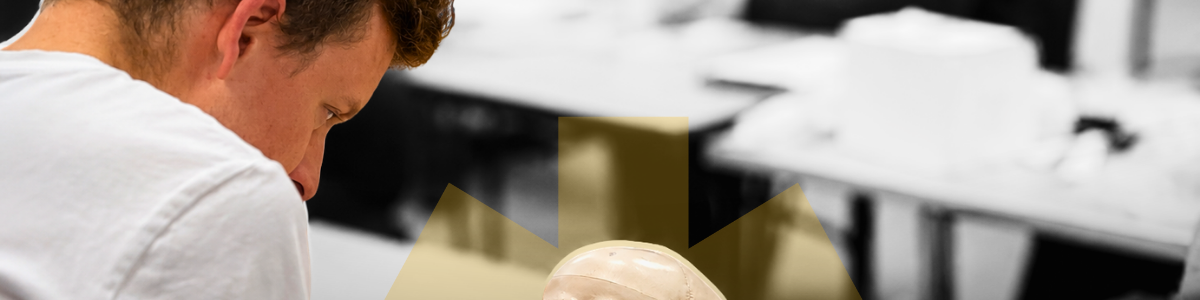
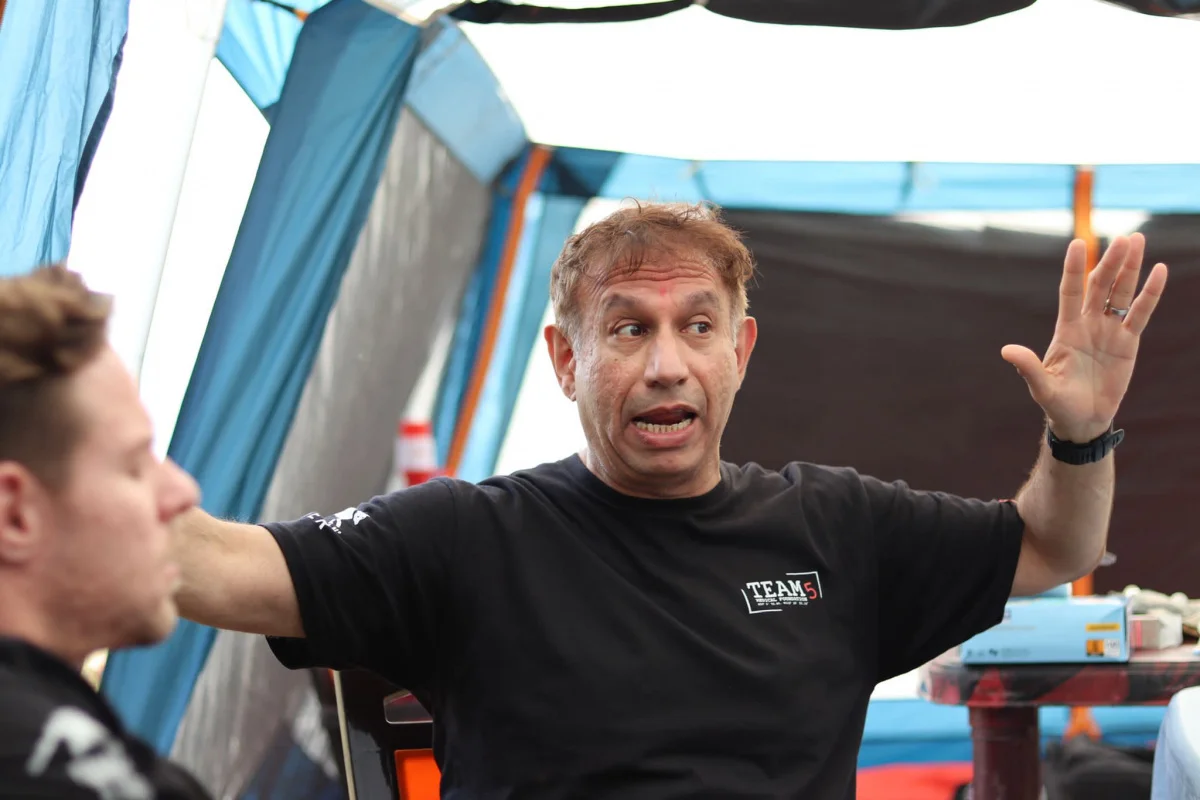
Recently, we heard from a clinician who attended the Facial Trauma and Emergency ENT Management workshop at the World Extreme Medicine Conference in Edinburgh, delivered by Burjor Langdana and Alun Thomas.
Months after leaving the conference, they were working a night shift in a small rural hospital when they were called to review a patient with severe posterior epistaxis.
Despite exhausting standard treatment options, including local measures, nasal packing, blood pressure management, correction of coagulation abnormalities, haemostatic agents and fresh frozen plasma, the bleeding continued.
With no ENT or surgical specialist available overnight, and transferring the patient presenting its own risks, the clinician found themselves relying on something they had learned at the conference.
They recalled a technique demonstrated during the workshop.
Using a Foley catheter to tamponade the nasopharynx, alongside anterior nasal packing soaked in adrenaline and tranexamic acid, they were able to gain control of the haemorrhage.
The following day, specialist assessment confirmed a significant wound on the posterior nasal wall as the source of the bleeding.
For us, this story perfectly captures why practical education matters.
It’s easy to measure attendance numbers, CPD hours or workshop feedback, however it’s much harder to measure the moment when a clinician recalls a technique learned months earlier and uses it to care for a patient when there is no specialist immediately available.
These are the moments that remind us why we invest so heavily in hands-on, experience-led teaching.
We never know exactly when a skill will be needed, only that one day it might be.
A huge thank you to Burjor Langdana and Alun Thomas for sharing their expertise, and to the clinician who took the time to tell us how that learning translated into practice.
Because ultimately, the impact of education isn’t measured by what happens in the room.
It’s measured by what happens afterwards.
→ Join us at the next World Extreme Medicine Conference
→ Learn more about Burjor’s Work