Women’s Health in Extreme Medicine
London, UK
Build women’s health into every stage of expedition planning
Women’s health has often been under-represented in expedition, wilderness and remote medicine training. Yet decisions around physiology, kit, contraception, nutrition, hygiene, pregnancy, menopause, personal safety and leadership can directly affect participation, wellbeing, performance and clinical care in the field.
This two-day course in London brings those considerations into practical expedition planning. You will explore how female physiology interacts with altitude, heat, cold and maritime environments, then apply that knowledge through workshops, group discussions, clinical cases and lessons from the field.
Designed for healthcare professionals, expedition leaders and those involved in planning or supporting remote journeys, the course will help you anticipate health needs, adapt equipment and systems, make sound clinical decisions and build safer, more inclusive teams.
Your Teaching Faculty

What we'll cover
What's Included?

Expert teaching faculty
Two days of teaching from a multidisciplinary faculty with experience across women’s health, expedition medicine and remote environments.
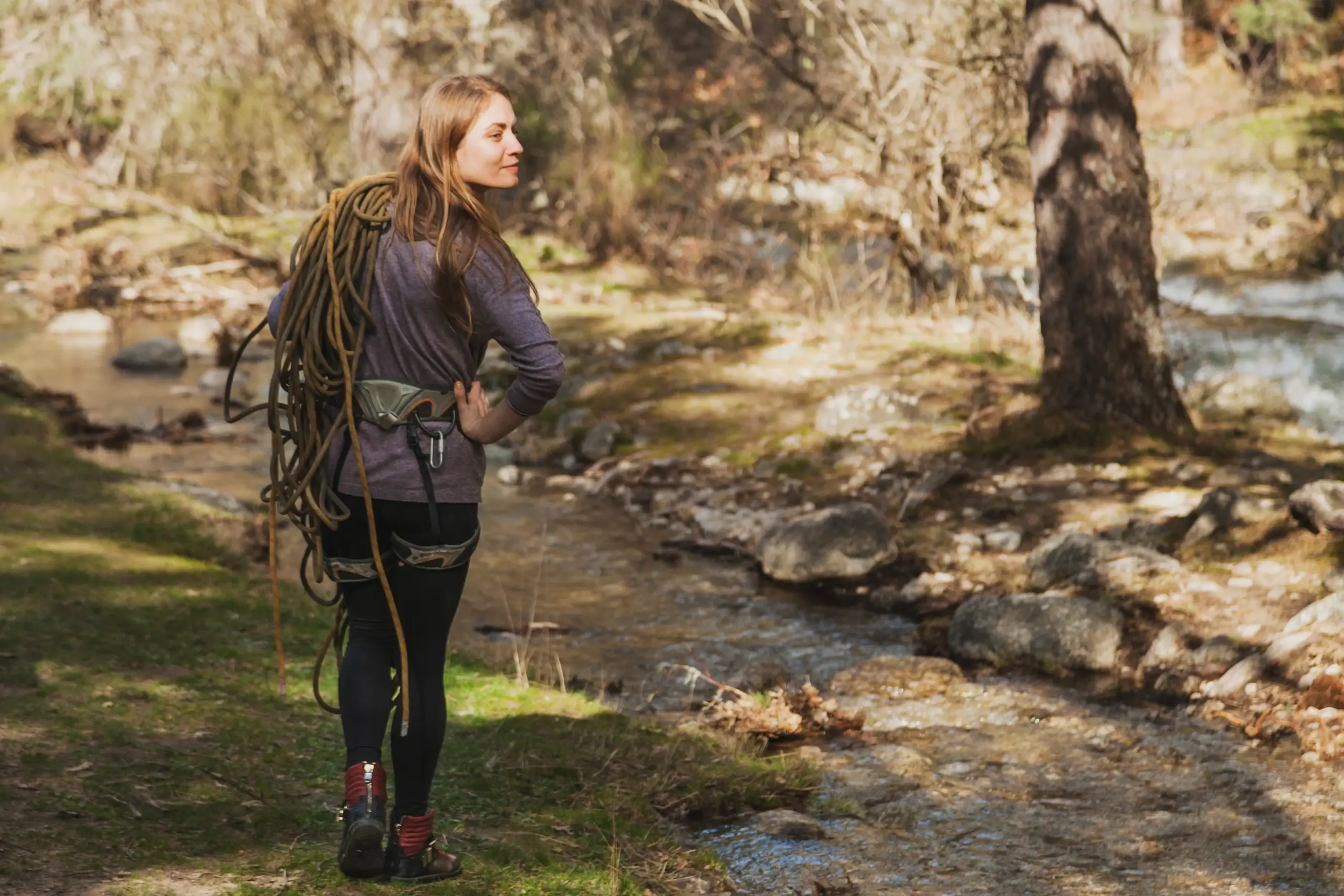
Workshops and case-based learning
Practical kit sessions, facilitated group discussions, clinical and planning cases, and a faculty panel grounded in real field experience.
Lunch and refreshments
Lunch and refreshments are included on both days of the course.
Please note that accommodation is not included in your course fee.
Certificate and CPD
On completion, you will receive a certificate of attendance.
CPD is currently to be confirmed., this will be confirmed closer to the date.
Book Now



GBP £400.00
Frequently Asked Questions
What is the Women's Health in Extreme Medicine course?
It is a two-day classroom-based course exploring the physiology, clinical considerations, equipment, practicalities, safety and human factors involved in supporting women in remote, austere and expedition environments. It combines current evidence with workshops, group discussion, realistic cases and lessons from experienced faculty.
Who is the course for?
The course is designed for healthcare professionals, expedition and wilderness medicine practitioners, expedition leaders, outdoor professionals, students and others involved in planning or supporting people in remote environments. It is relevant whether you provide clinical care, lead teams, select equipment, write risk assessments or shape organisational practice.
Do I need previous expedition or wilderness medicine experience?
No specialist expedition medicine qualification is required. The course provides a clear foundation for people new to the field while giving experienced clinicians and expedition professionals the opportunity to test their planning and decision-making against current evidence, practical cases and multidisciplinary perspectives.
Is the course only for women?
No. The course is open to people of all. It is suitable for anyone who wants to understand women’s health needs, improve clinical support, plan more effectively and help create safer, more inclusive remote and expedition environments.
How does the course use the terms 'women' and 'female'?
Some teaching focuses specifically on female anatomy and physiology, while recognising that not everyone with female anatomy identifies as a woman and not every woman has the same anatomy or health needs. Many themes, including equipment fit, psychological safety, team culture and inclusive planning, are relevant more broadly. The course also acknowledges the limited evidence available for transgender and gender-diverse people in extreme environments.
What is the course content?
This Women’s Health in Extreme Medicine course explores the physiological, clinical, environmental, operational and human factors involved in supporting women in remote, austere and expedition environments.
Content includes:
- Why women’s health matters in expedition and remote medicine
- Female physiology at altitude and in hot, cold and maritime environments
- Contraception and menstrual suppression for expeditions
- Peri- and menopausal considerations
- Women-specific clothing, PPE and equipment
- Hygiene, sanitation, menstruation, privacy and dignity in austere settings
- Breast health during exercise, expeditions and across the life span
- Personal safety, risk management and responding to disclosures
- Pregnancy in extreme environments
- Nutrition for adventure, Functional Hypothalamic Amenorrhoea and REDs
- Common conditions, emergencies and evacuation red flags
- Clinical decision-making with limited resources
- Medical kits for women’s adventures
- Human factors, psychological safety and inclusive leadership
- Expedition planning through realistic cases
- Research gaps, future directions and opportunities to contribute
What teaching formats are used?
Teaching includes focused lectures, practical workshops, facilitated group discussions, realistic clinical and expedition-planning cases, and a panel sharing lessons from the field. The varied format is designed to help you apply the evidence, not simply recall it.
Who teaches the course?
You will learn from a multidisciplinary faculty of clinicians and expedition specialists with relevant field experience. Named faculty and biographies will be published once confirmed.
Where does the course take place?
The course takes place in the Southwark Room at The Bridge, 73-81 Southwark Bridge Road, London, SE1 0NQ. You can learn more about The Bridge here.
More information and travel advice will be included in your joining instructions upon booking.
Is accommodation included?
Accommodation is not included, so attendees will need to arrange their own stay if required. The central London location offers a wide range of accommodation and public transport options.
Are food and refreshments included?
Yes. Lunch and refreshments are included on both days. Please share any dietary requirements through the booking process so the team can confirm what can be accommodated.
What should I bring?
Bring a laptop or notepad for notes. Any further kit or preparation requirements will be included in your joining instructions.
Will I be able to connect with other attendees before the course?
Yes. A WhatsApp group will be created closer to the course, usually around eight weeks before it begins. You can use it to ask questions, discuss travel and connect with fellow attendees and faculty.
I am travelling from outside the UK. Is there anything else I need to arrange?
All attendees travelling from outside the UK should arrange suitable health and travel insurance for the duration of their stay. Depending on your nationality, you may also need a UK Electronic Travel Authorisation (ETA). Check current UK Government guidance and apply in good time before travelling.
I have another question
If you wish to learn more or have any additional questions, we invite you to book a 20-minute discovery call with our team.
→ Click here to book a discovery call.
The call will be with the team who organise our courses and work closely with our medical teaching faculty. They’re best placed to explain what our attendees really get out of attending a course with us.
You can choose between a video or voice call — whatever suits you best.
Register for a time that works for you, and we look forward to speaking with you soon.
Prefer email? Then feel free to contact us.
Useful resources