Primary Care for Extreme Environments Course
Corfe, UK
When you’re the only clinician for miles, almost everything becomes primary care
This four-day course helps you think clearly, consult effectively, manage medications and know when to escalate, giving you the confidence to make safe decisions across expedition, ocean, offshore, humanitarian and other austere settings.
Your Teaching Faculty

What we'll cover
What's Included?
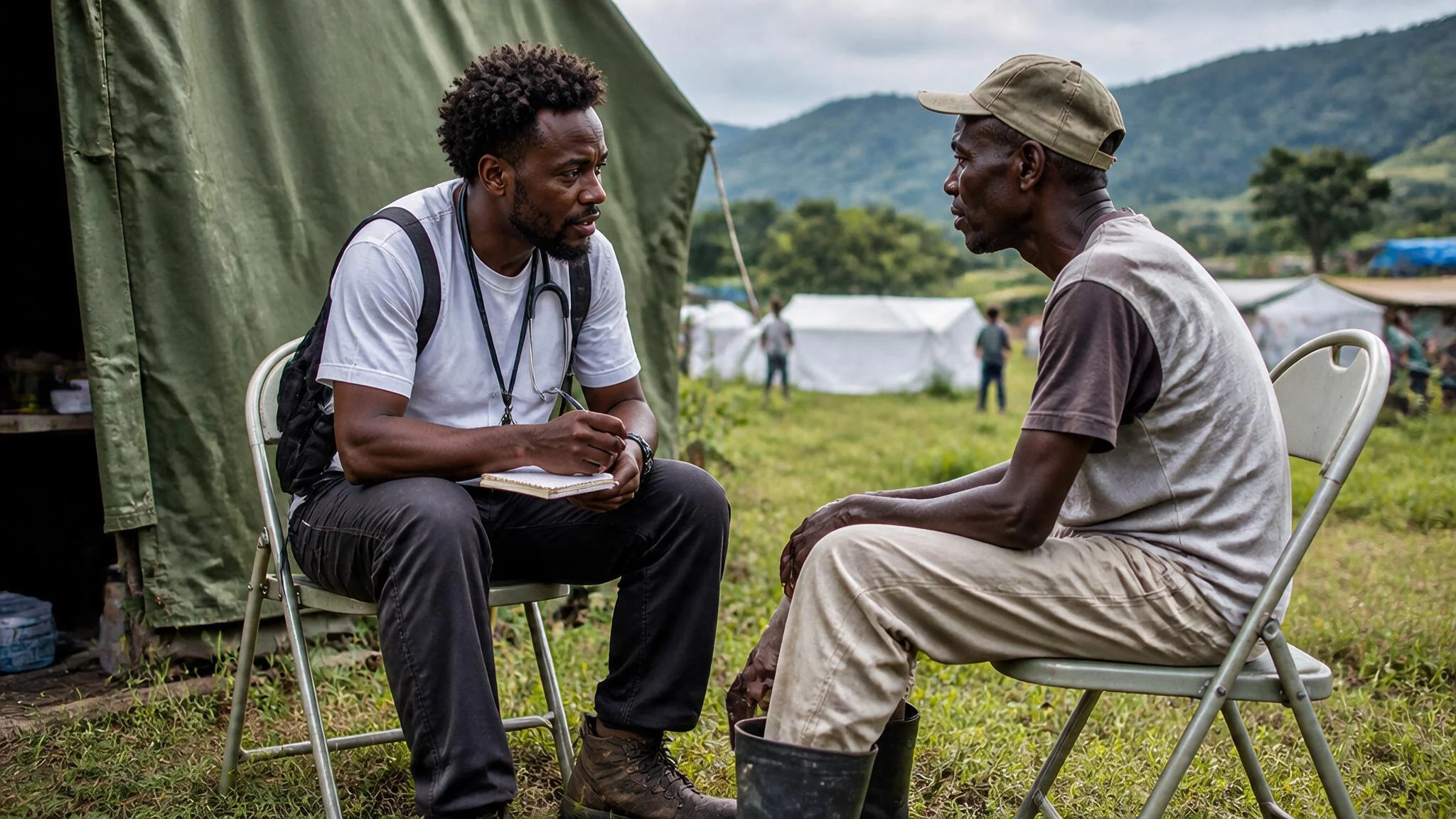
Scenario-based training and practical workshops
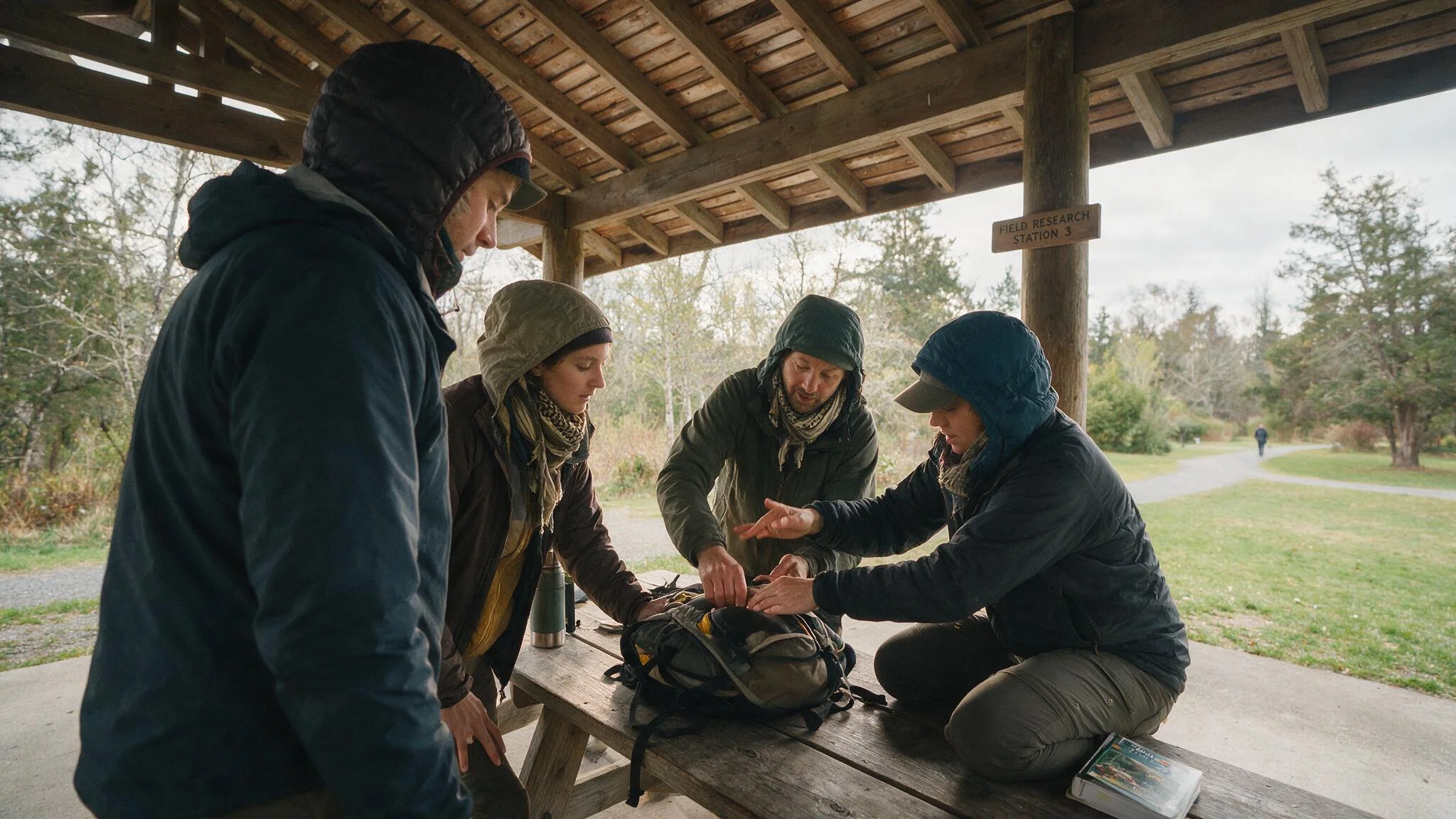
Over four days, you’ll work through case-based workshops, consultation roleplay, hands-on skills stations, fast-paced case carousels and realistic simulations. Less than half the course is lecture-based, giving you plenty of time to put your thinking into practice, talk through your decisions and learn from feedback.
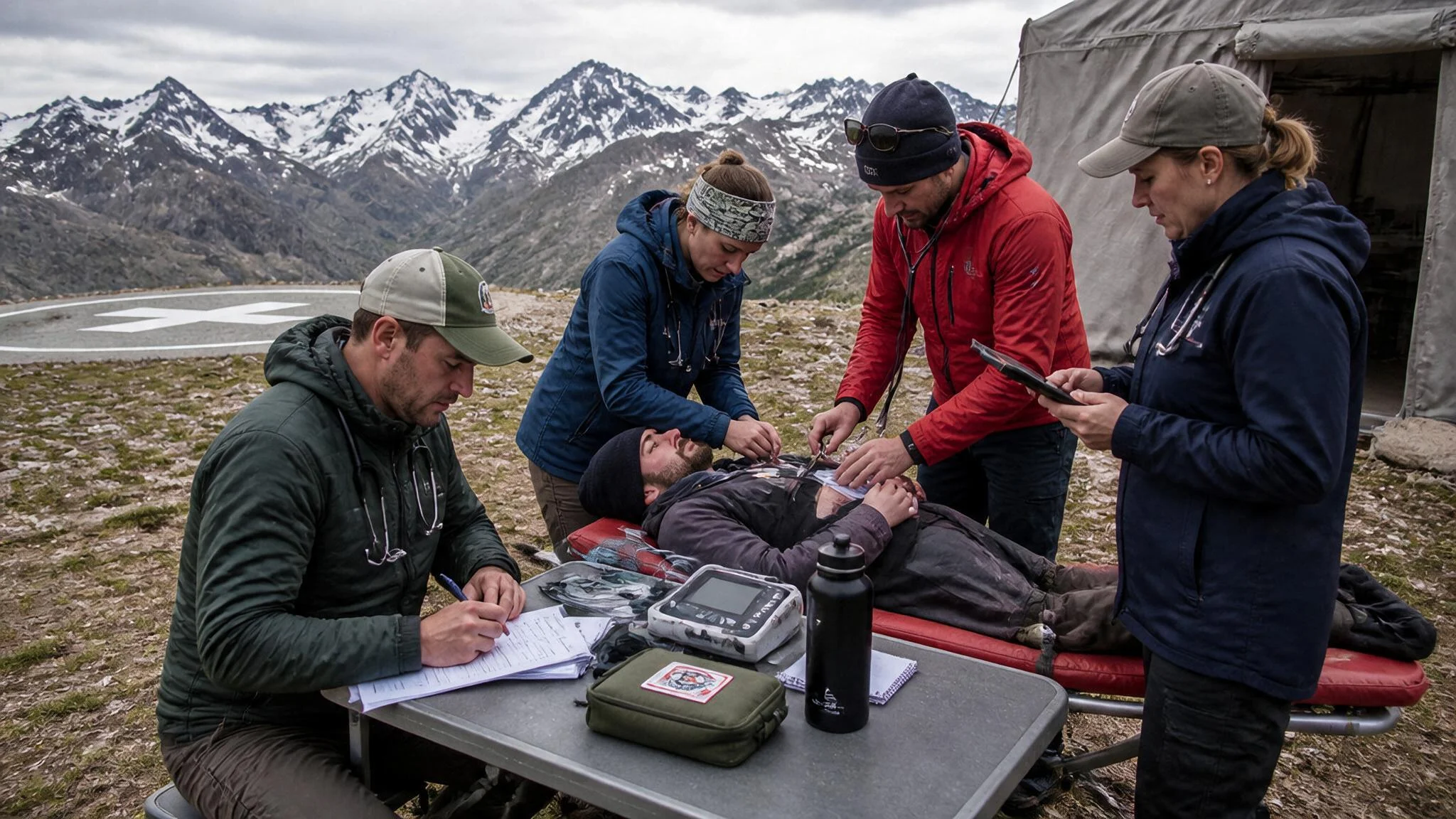
Experienced multidisciplinary faculty
You’ll learn from clinicians with real-world experience across primary care, expedition and remote medicine, humanitarian work, prolonged field care and public health. They’ll adapt the scenarios and level of challenge to suit the roles and experience within the group.
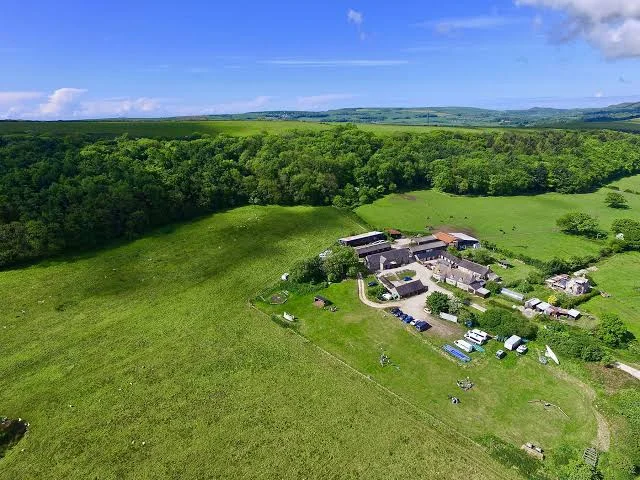
Residential course, accommodation and meals
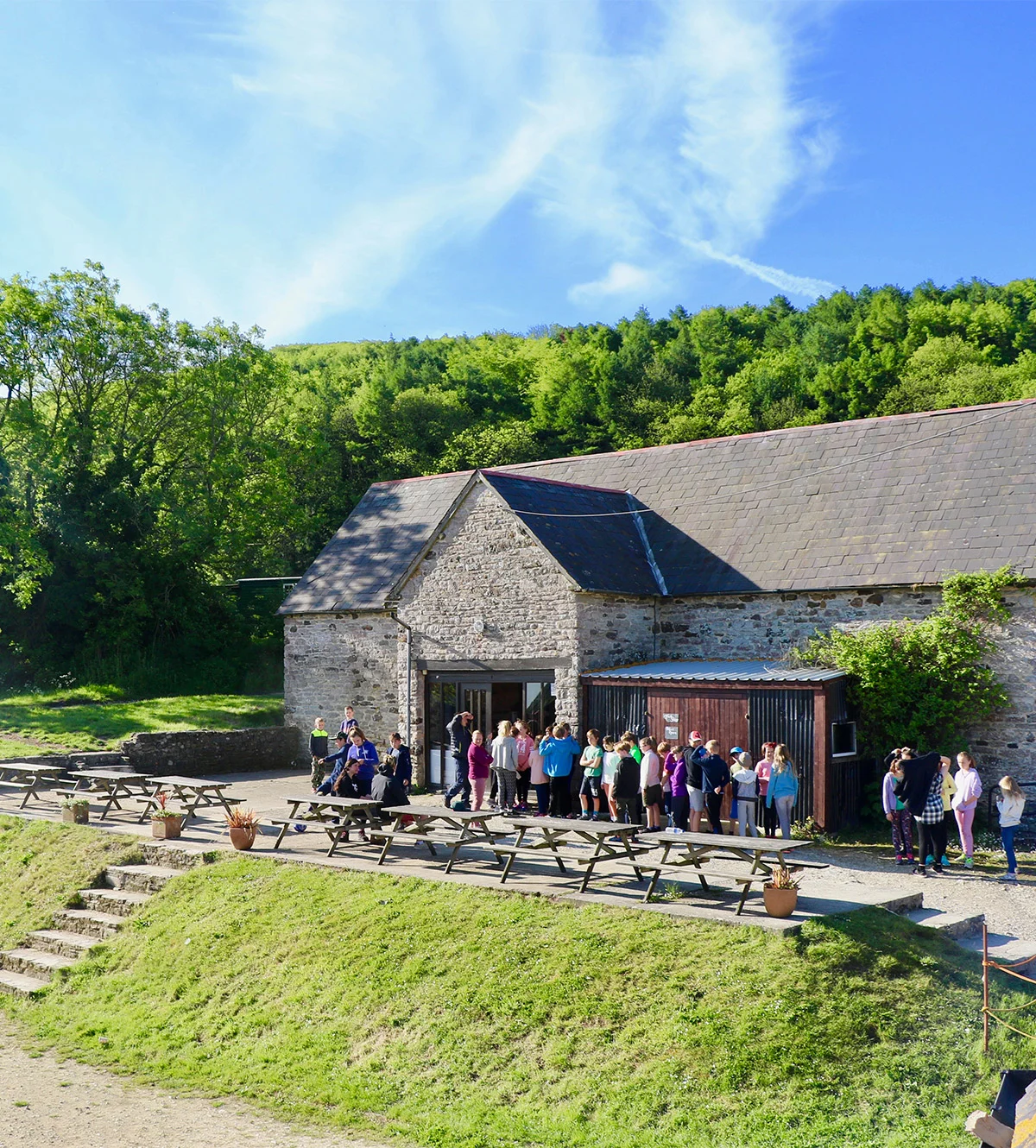
Your course fee covers all teaching, shared accommodation and meals from arrival through to lunch on the final day. As the course is fully residential, there’s also plenty of time to continue conversations, share experiences and get to know the faculty and other attendees outside the scheduled sessions.
Please note that snacks and drinks from the bar are not included.
Certificate and CPD
On completion, you will receive a certificate of attendance.
CPD is currently to be confirmed., this will be confirmed closer to the date.
Book Now
GBP £1,099.00
Frequently Asked Questions
What is the Primary Care for Extreme Environments course?
Across four days, you’ll explore how to manage everyday illnesses, chronic conditions, medication decisions, mental health concerns and the uncertainty that comes with working in remote, austere and expedition settings. Short lectures introduce the key concepts before you put them into practice through workshops, hands-on skills stations, consultation roleplay, fast-paced case carousels and team simulations.
Why this course exists
Trauma, rescue and emergency care will always have an important place in extreme medicine training. The decisions are often time-critical, and clinicians need to be ready when things go seriously wrong. But effective teams also work hard to prevent those situations, which means the reality of day-to-day remote medicine is much more likely to look like primary care.
A chest infection, worsening diabetes, an unexpected medication issue or illness spreading through a team can put an entire expedition at risk. Managing these cases takes a structured approach and sound clinical judgement, often without the diagnostics, pharmacy access or specialist support available in conventional care.
Good primary care protects the individual, supports the wider team and helps you decide whether someone can safely remain in the field or needs to be evacuated. This course focuses on an area of remote practice that clinicians encounter regularly, but may never have been taught how to manage in an extreme environment.
Who is the course for?
Whether you already work in remote medicine or are preparing to take your first step into the field, this course is designed for healthcare and first-response professionals heading into expedition, ocean, offshore, humanitarian and other remote settings.
It is suitable for medical practitioners, nurses, paramedics, advanced practitioners, pre-hospital clinicians, combat medical technicians and allied health professionals, as well as trainees and students exploring a future in this field.
If you’re unsure whether this course would be suitable for you, please get in touch.
What you'll take away
By the end of the four days, you’ll be better prepared to:
- Carry out a safe remote consultation, adapting your history-taking and examination to the environment and the information available.
- Make and revisit a working diagnosis when investigations are limited, staying open to new information without losing confidence in your decisions.
- Support someone with a chronic condition to remain in the field when it is safe, with a clear plan for monitoring and follow-up.
- Make safer medication decisions by recognising high-risk interactions, storage limitations and when to seek advice from a prescriber or specialist.
- Use the environment, planned activities and needs of the team to create a realistic medical plan and kit.
- Recognise when evacuation may be needed, set clear escalation triggers and act before a patient’s condition deteriorates.
- Make and document decisions that take consent, confidentiality, indemnity and your scope of practice into account.
- Consider the health of the wider team alongside the needs of the individual patient, including the public health risks within a remote group.
- Access clinical support from the field and provide a structured handover that the receiving clinician can quickly understand and act on.
How this transfers to everyday clinical practice
Extreme environments, everyday judgement. You’ll use what you learn on your next shift, not just on your next expedition.
From managing medications with limited options to making decisions under uncertainty, these are skills that help you recognise when to act, when it is safe to wait and when to escalate.
What you’ll take back to your day job:
- Better decisions when resources are limited: You’ll practise forming a working diagnosis and revisiting it safely when tests are unavailable. This is directly relevant to triage, out-of-hours care and telephone or video consultations.
- Recognising when medication is part of the problem: Learn to spot when a medication regime may be doing more harm than good, question it safely and seek the right support. These skills apply to ward rounds, care of older people, medication reviews and work with complex, multi-morbid patients.
- Knowing when to escalate and when it is safe to wait: Strengthen the judgement behind nursing assessments, paramedic disposition and ED streaming, particularly when the consequences of getting that decision wrong are significant.
- Giving handovers people can act on: Practise communicating the important information clearly and knowing when to bring in additional or specialist support, whether you are handing over in resus or making a GP referral.
- Greater confidence when working autonomously: Making decisions in resource-limited settings helps build the judgement required in advanced roles, including advanced clinical practitioners, advanced nurse practitioners and advanced paramedics.
Do I need previous expedition or remote medicine experience?
No, you don’t need any previous experience in remote medicine. If you’re new to the field, the course will give you a practical framework for consultations, planning, accessing support and knowing when to escalate.
If you already have field experience, the cases and simulations will give you the chance to test your clinical reasoning, medication decisions and evacuation thresholds through more complex scenarios.
Do I need to be a prescriber?
No. The activities will be adapted to each participant’s role and scope of practice. Prescribers will spend more time exploring independent medication decisions, while non-prescribers will focus on recognising risk, providing safe initial care, accessing clinical support and knowing when to escalate.
What is the course content?
Learning takes place through a mix of short, focused lectures, guided workshops, consultation roleplay, hands-on skills stations, fast-paced case carousels, panel discussions and team simulations. Throughout the course, you’ll be encouraged to apply the evidence, explain your thinking and make decisions within your own scope of practice.
Course content includes:
- What the primary care workload really looks like across expedition, offshore, ocean, humanitarian and other remote settings.
- How the environment can affect health, medication storage and effectiveness, and your wider clinical planning.
- Preparing people before departure through health reviews, participant disclosure and deprescribing considerations.
- Creating a practical remote medical plan, team medical kit and personal first aid kit.
- Working safely within clinical governance, consent, confidentiality, documentation, indemnity and your scope of practice.
- Setting up reliable reach-back systems, communicating from the field and giving a structured clinical handover.
- Adapting consultations and focused examinations when information and diagnostic options are limited.
- Prescribing and deprescribing within your scope, including medication interactions, equivalents, supply and international border restrictions.
- Supporting people with complex pre-existing health needs or multiple medications.
- Assessing and managing respiratory, ENT, gastrointestinal, dermatological and wound-care presentations.
- Carrying out musculoskeletal and ophthalmic assessments in the field.
- Responding to infectious and tropical disease, immunisation gaps and wider public health concerns.
- Managing genitourinary, sexual and reproductive health presentations.
- Recognising and managing cardiovascular, endocrine, renal and haematological conditions in remote environments.
- Supporting mental health and managing sleep problems, adjustment, burnout, psychosis and substance withdrawal.
- Responding to primary care emergencies, including anaphylaxis, seizures and neurological or metabolic deterioration.
- Considering paediatric care, pregnancy and birth, and palliative symptom management.
- Planning ahead, recognising when a situation is escalating and deciding when evacuation is needed.
I already work in primary care. Will the course still be useful?
Yes. If you already work in primary care, the course will help you adapt your existing skills to settings where access to diagnostic tests, medications, follow-up and specialist support may be limited.
For experienced primary care clinicians, the focus will shift towards how the environment changes your decisions, alongside operational planning, team dynamics, governance, accessing support from the field and knowing when evacuation is needed.
What format does the course take?
The course runs over four full days, with less than half your time spent in lectures. The rest is practical and interactive, bringing together guided workshops, consultation exercises, hands-on skills stations, fast-paced case carousels, panel discussions and a team simulation.
Does the course cover emergencies?
Yes, but only where emergencies overlap with primary care or involve a deteriorating patient. You’ll work through scenarios including anaphylaxis, seizures, acute behavioural disturbance and neurological or metabolic deterioration, with a focus on recognising when to escalate or evacuate.
The course complements dedicated trauma and resuscitation training, but does not replace it.
Where does the course take place?
The course takes place at Brenscombe Outdoor Centre in Corfe, Dorset (South West of England). More information and travel advice will be included in your joining instructions upon booking.
Is accommodation included?
Yes. Shared accommodation for the course is included in the fee. Room arrangements, check-in information and any options for an additional night will be explained in your joining instructions.
When making travel plans, we find Rome2Rio a super helpful site. Here you can discover various door-to-door travel options both internationally and from within the UK.
Are meals included?
Yes. Meals are included for the duration of the course. Please share dietary requirements during booking so the team can confirm what can be accommodated and any required notice period.
Please note: Drinks and food purchased from the bar are not included.
What do I need to bring?
No specialist expedition equipment is required. Bring comfortable clothing for full training days and short outdoor sessions, a lightweight waterproof layer, comfortable trainers or shoes, a refillable water bottle, personal medication and toiletries, and a laptop or notepad.
You do not need walking boots, a compass or a whistle.
Any final preparation guidance will be included in your joining instructions.
What support is available before the course?
You will receive joining instructions in good time before the course. A WhatsApp group will also be created closer to the start date so attendees can ask questions, discuss travel and connect with fellow participants and faculty.
Do I need travel or medical insurance?
If you are travelling from outside the UK, we strongly recommend arranging appropriate travel insurance, including health cover. Insurance is also advisable for UK attendees. Please check any current entry requirements in good time before travelling.
I have another question
If you wish to learn more or have any additional questions, we invite you to book a 20-minute discovery call with our team.
→ Click here to book a discovery call.
The call will be with the team who organise our courses and work closely with our medical teaching faculty. They’re best placed to explain what our attendees really get out of attending a course with us.
You can choose between a video or voice call — whatever suits you best.
Register for a time that works for you, and we look forward to speaking with you soon.
Prefer email? Then feel free to contact us.
Useful resources