
The World Extreme Medicine Conference has always been shaped by a simple question: how can we deliver better care when familiar systems, resources and assumptions no longer apply?
In 2026, that question takes us beyond some of the most remote environments on Earth.
We are proud to welcome the UCF Aerospace Medicine Program as headline sponsor of WEM26, taking place at Dynamic Earth in Edinburgh from 14th to 16th November 2026.
Based within the University of Central Florida College of Medicine, the programme brings together research, education and clinical expertise across aviation, space and extreme environments medicine. Its work explores what happens to human health and performance when people operate under conditions that challenge almost every aspect of conventional care.
It is a partnership that feels completely at home at WEM26.
Space medicine IS extreme medicine
Space may be the most unforgiving clinical environment we can imagine.
Distance from definitive care, limited equipment, constrained communication, isolation and exposure to unfamiliar environmental risks all change how health must be protected and how medical decisions are made. In space, evacuation may be delayed or impossible, small problems can develop serious operational consequences, and the wellbeing of each individual is closely connected to the performance of the wider team.
These challenges will be familiar to anyone working in expedition, remote, humanitarian, pre-hospital or other resource-limited settings. The environment may be different, but many of the underlying questions are shared: how do we anticipate risk, support human performance, make good decisions with incomplete information and build systems that remain effective when there is no easy fallback?
Bringing aerospace medicine into the WEM26 conversation gives our community the opportunity to examine those questions at an extraordinary scale.
Advancing health in space and on Earth
The UCF Aerospace Medicine Program was created to advance research, education and clinical services across aviation, space and extreme environments medicine.
Its teams investigate how factors including microgravity, radiation and isolation affect the human body and mind. This work can support the health of people taking part in future space missions, but its relevance does not end when a spacecraft returns to Earth.
Understanding human adaptation in extreme conditions can inform new approaches to diagnostics, treatment, disease prevention, mental health and team performance. It can help shape care for people working in remote or confined environments, as well as contribute to wider clinical research and innovation.
Through the Center for Aerospace and Extreme Environments Medicine, known as CASEEM, UCF brings together expertise from medicine, engineering, computer science, psychology, the arts and educational leadership. That breadth matters. The challenges created by extreme environments rarely sit neatly within one discipline, and meaningful solutions depend on people being able to think, test and work across traditional boundaries.
Research, education and collaboration
Three areas sit at the heart of the programme’s work.
Research
UCF researchers are exploring how spaceflight, microgravity, radiation and isolation affect human health and performance, alongside the technologies and systems that could help identify, prevent and manage health problems in extreme settings.
Education
The programme is developing multidisciplinary learning for current and future aerospace medicine professionals, helping prepare the people who will support an increasingly complex era of human spaceflight.
Collaboration
Located close to major US launch and landing facilities, UCF works with partners across commercial spaceflight, government, academia and clinical practice. These relationships connect research with the real operational demands of current and future missions.
Together, these strands reflect something deeply familiar to the WEM community: the strongest ideas emerge when evidence, experience and different professional perspectives are brought into the same room.
Meet voices from UCF and CASEEM at WEM26
The connection will extend into the WEM26 speaker sessions, with Emmanuel Urquieta and Ed Powers both confirmed as part of this year’s line-up.
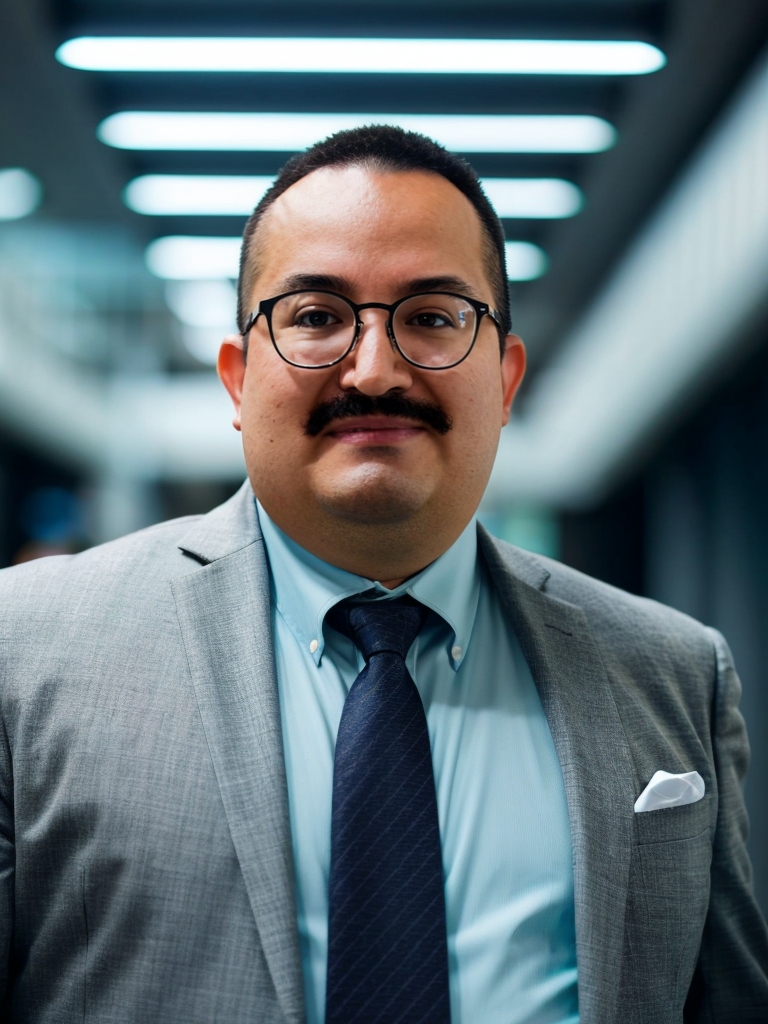
WEM26 speaker
Emmanuel Urquieta
Vice Chair of Aerospace Medicine, UCF College of Medicine
Director, CASEEM
Emmanuel oversees the development of aerospace medicine research, education and partnerships, with a focus on the health impacts of space travel as more people venture beyond Earth.
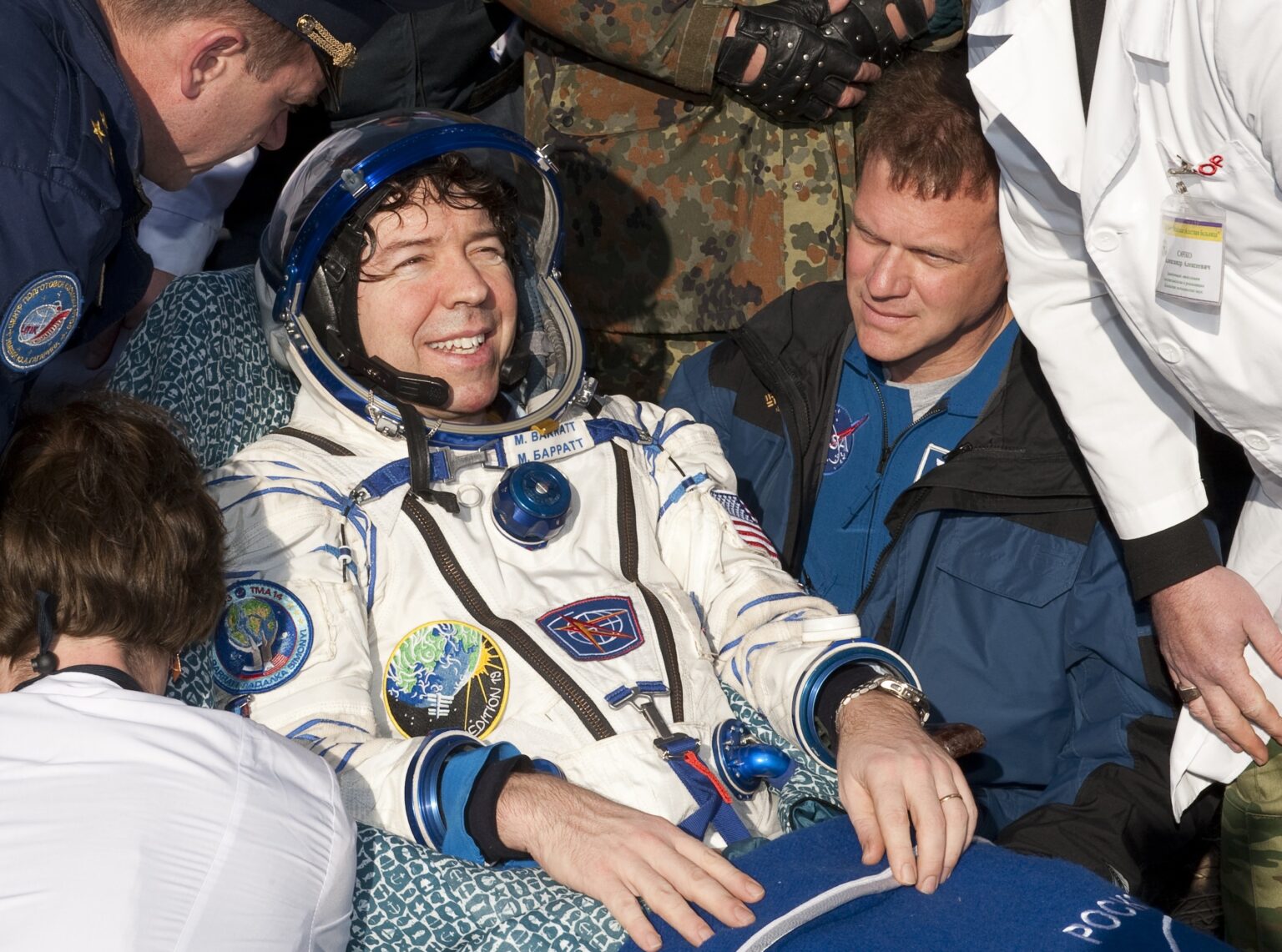
WEM26 speaker
Ed Powers
Chief Medical Officer, CASEEM
Ed brings extensive aerospace and extreme environments medicine expertise to the programme, helping connect clinical knowledge with the operational realities of human spaceflight.

Medicine at the Edge: Space, War, and Human Survival in Extreme Environments
16/11/26
14:30–15:30
Registration not required
Ed Powers, Emmanuel Urquieta
Biosphere
In-person
Medicine at the Edge: Space, War, and Human Survival in Extreme Environments
16/11/26
14:30–15:30
Registration not required
Ed Powers, Emmanuel Urquieta
Biosphere
In-person
Their presence will connect attendees directly with people working at the forefront of a field that is developing rapidly. It also creates space for conversations that reach well beyond spaceflight, exploring what aerospace medicine can teach us about remote care, human performance, technology, teamwork and medicine under constraint.
Join the conversation at WEM26
WEM26 will bring together hundreds of medical and adventure professionals for three days of talks, practical workshops, honest discussion and cross-disciplinary learning.
Across the programme, attendees will explore the realities of delivering care in environments ranging from mountains and oceans to humanitarian settings, rescue operations and space. The conference has been awarded 18 hours of CPD by RCSEd, with ACRRM CPD and US CME accreditation currently in progress.
We are delighted to have the UCF Aerospace Medicine Program supporting WEM26 as headline sponsor and helping us widen the conversation about where medicine is going next.