Alpine Medicine Course
Slovenia
Course Date
- 24 January 2027 13:00 - 29 January 2027 16:00
Set yourself a new challenge – cold weather, mountaineering medicine.
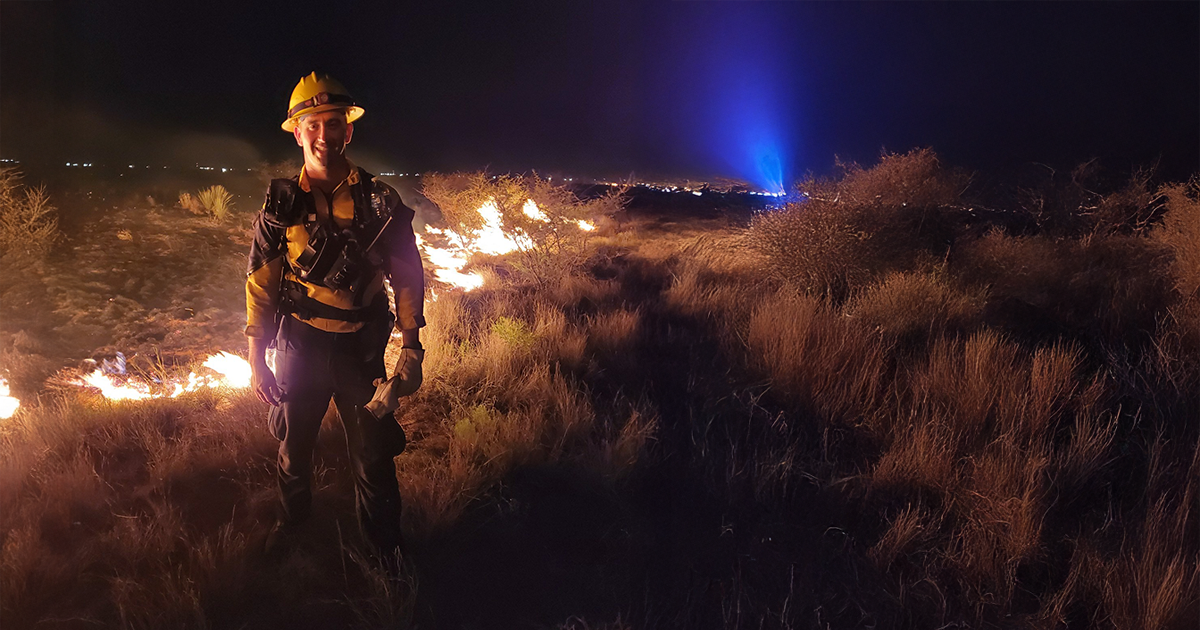
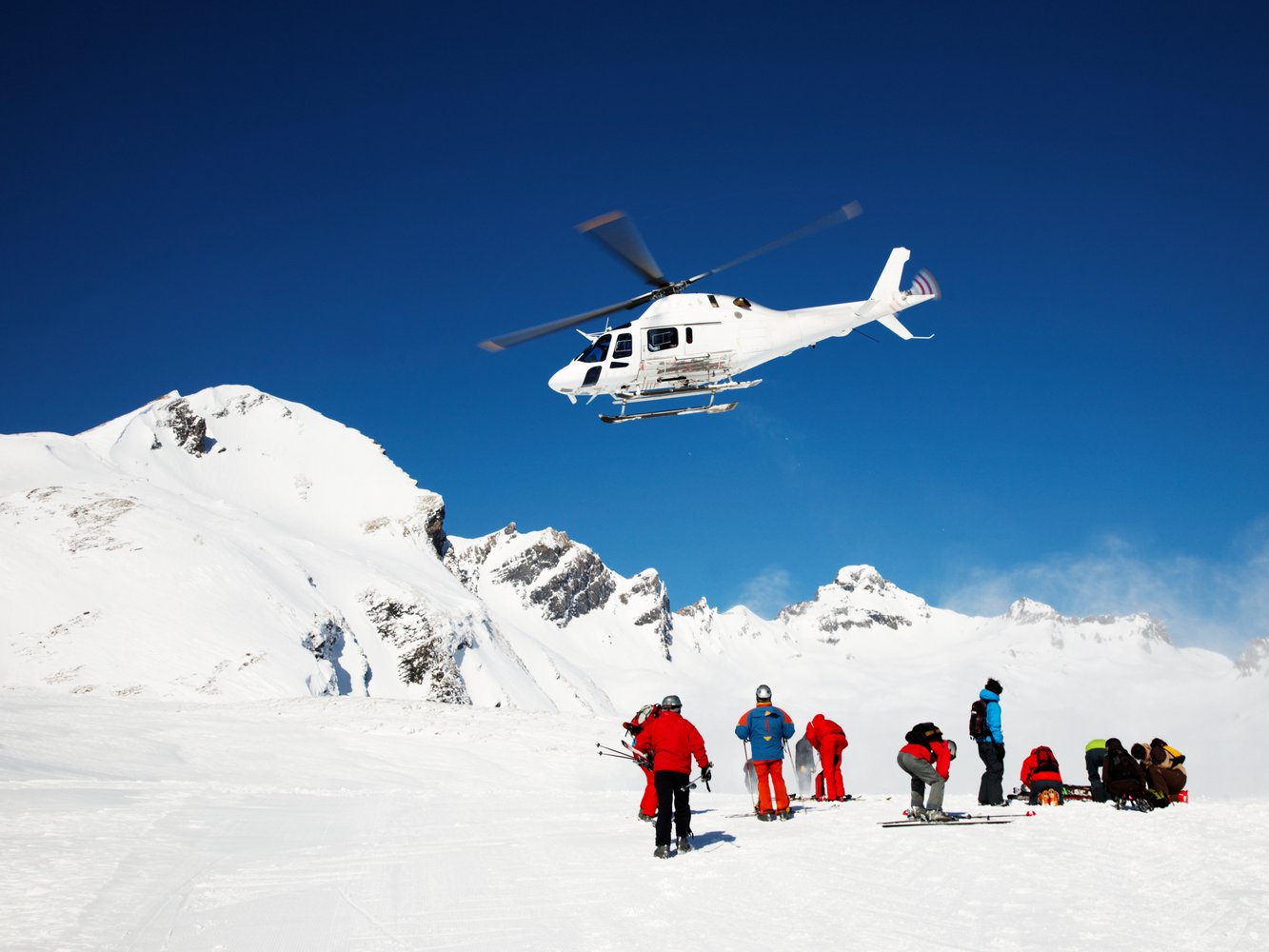
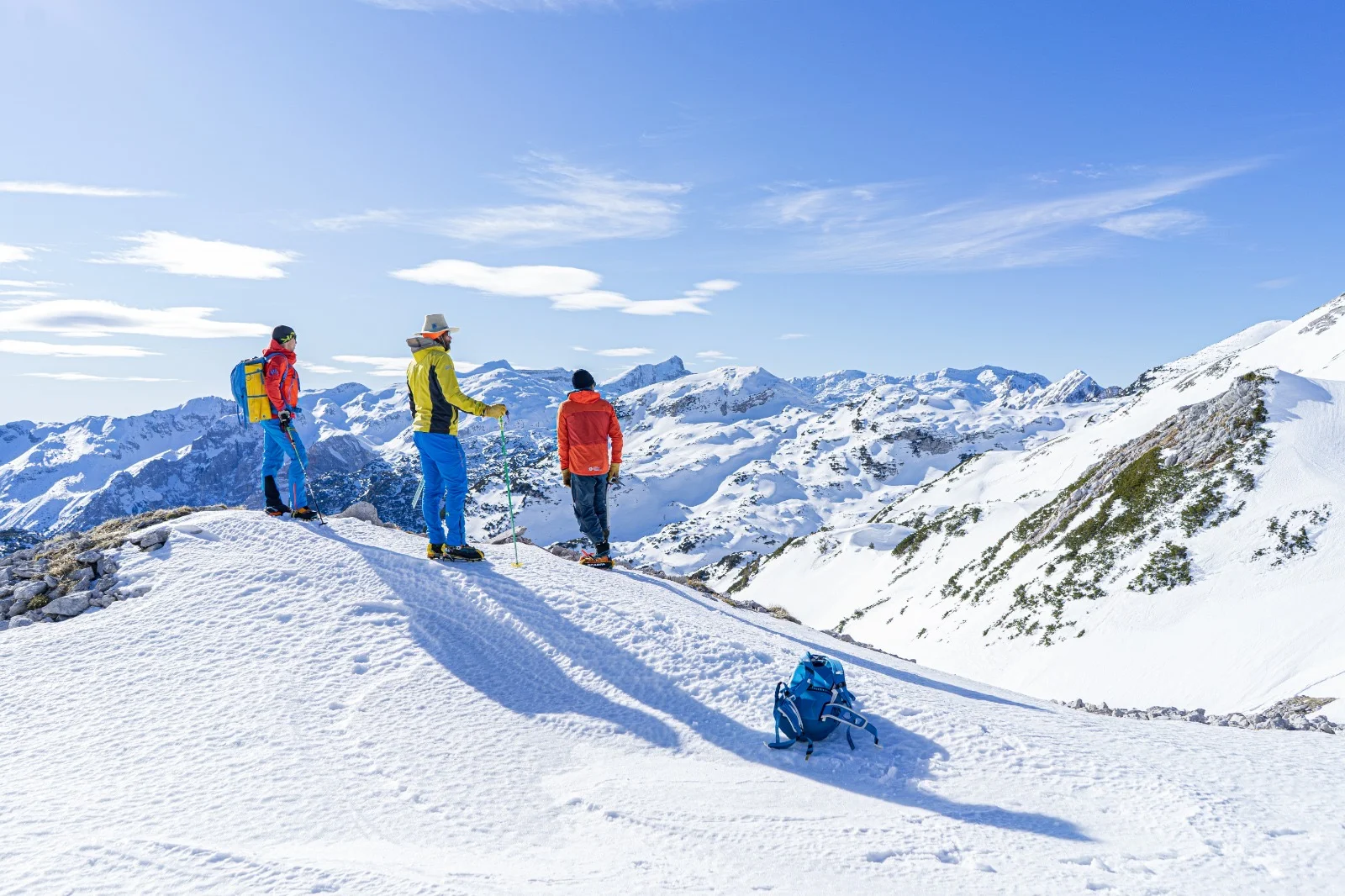
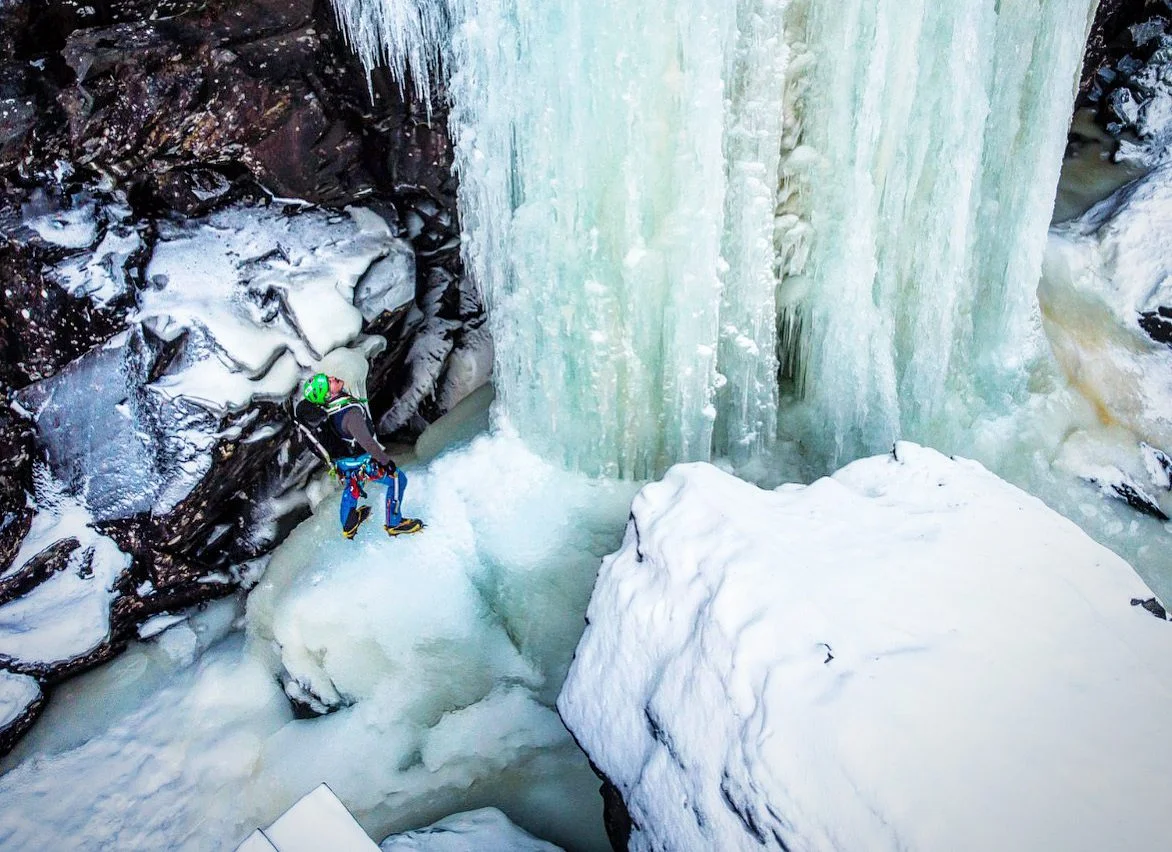
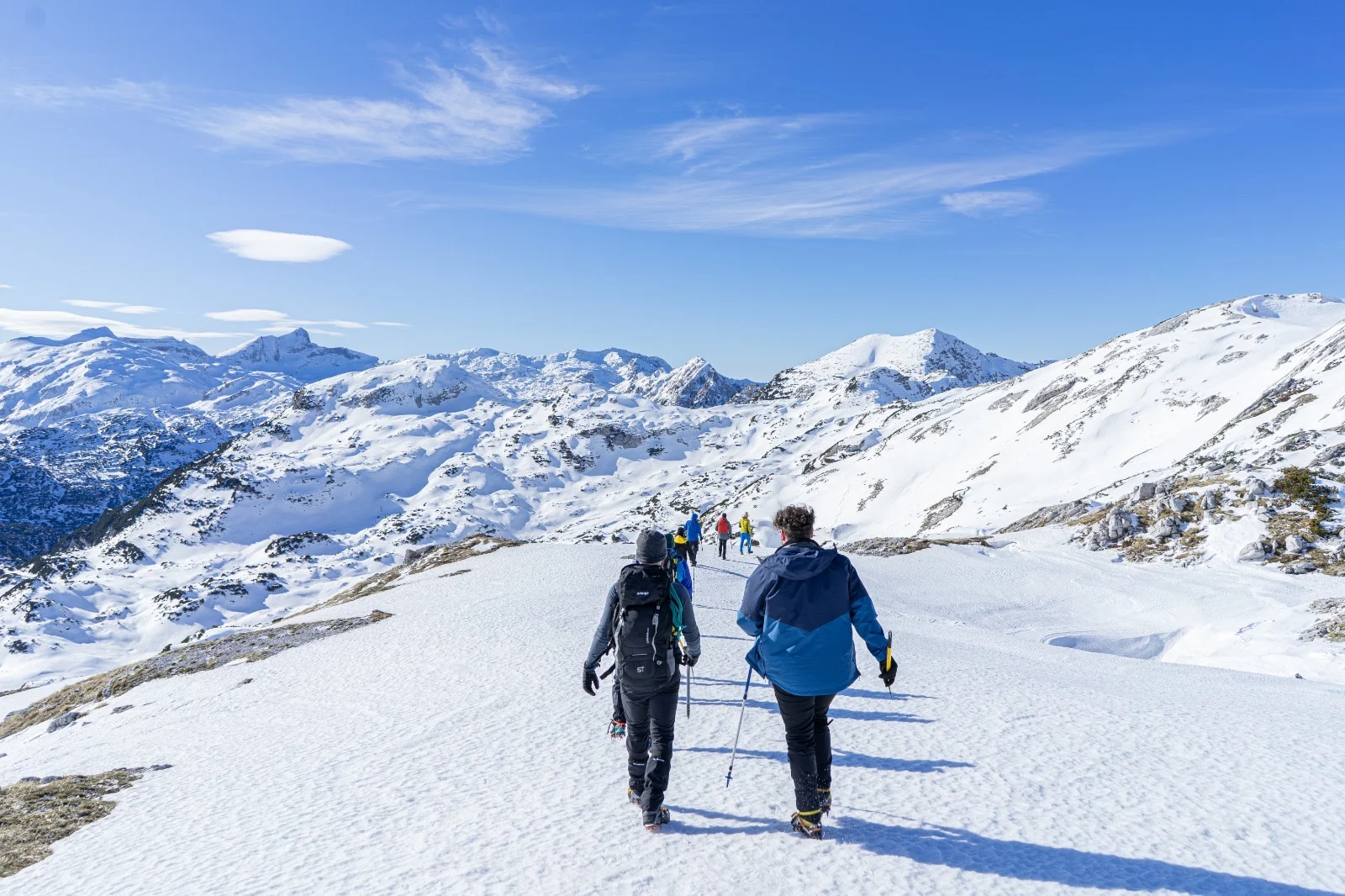
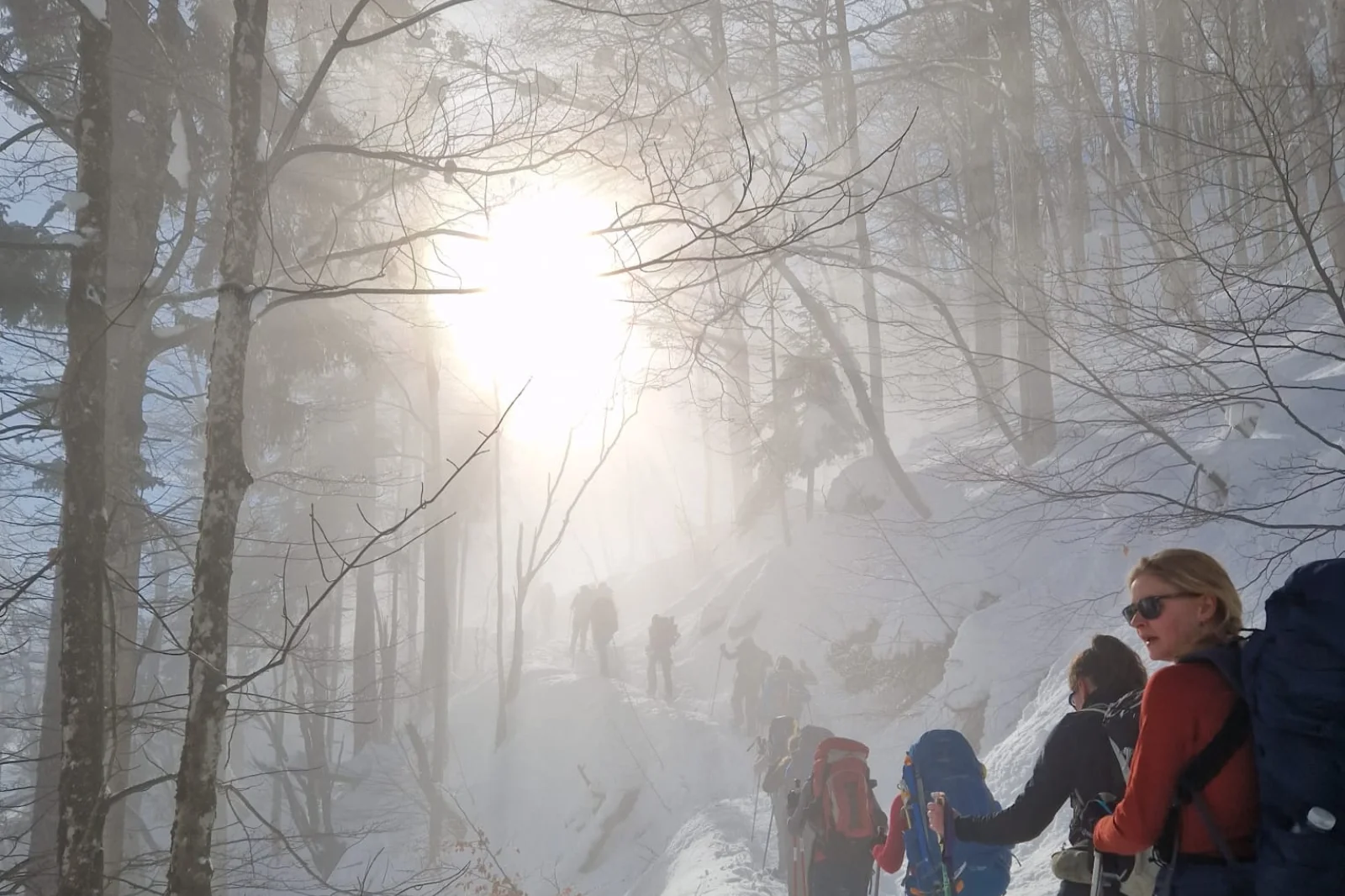
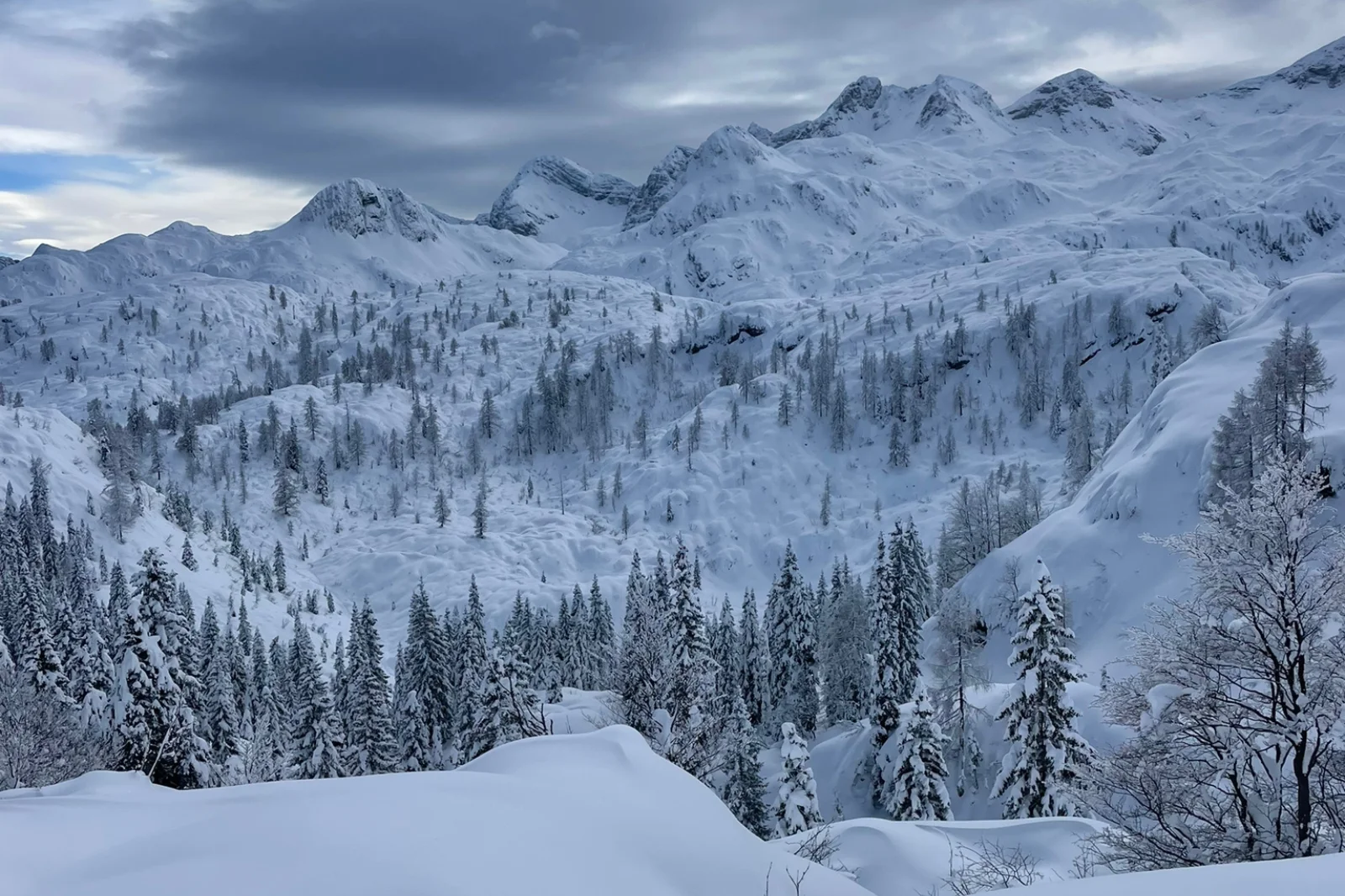
Cold, altitude, terrain, and limited resources turn even simple clinical decisions into complex problems. This 6-day Alpine Medicine course in Slovenia takes you into the Julian Alps to explore how medical care is practised when the environment actively shapes risk, judgement, and outcomes.
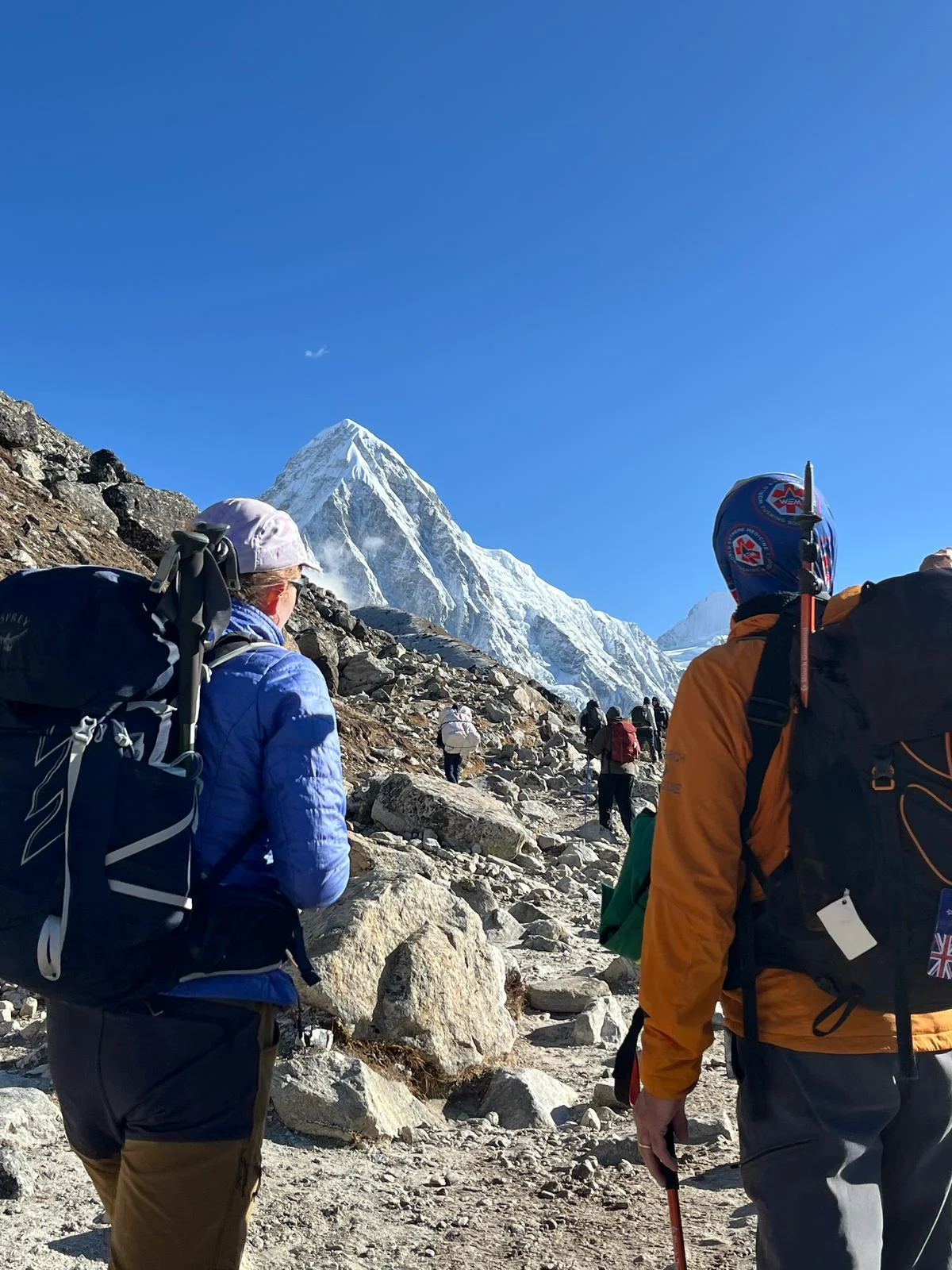
Through a blend of focused teaching, practical workshops, and field-based learning, you’ll move beyond theory and into real alpine conditions, developing the confidence and decision-making needed to operate safely and effectively in mountainous environments.
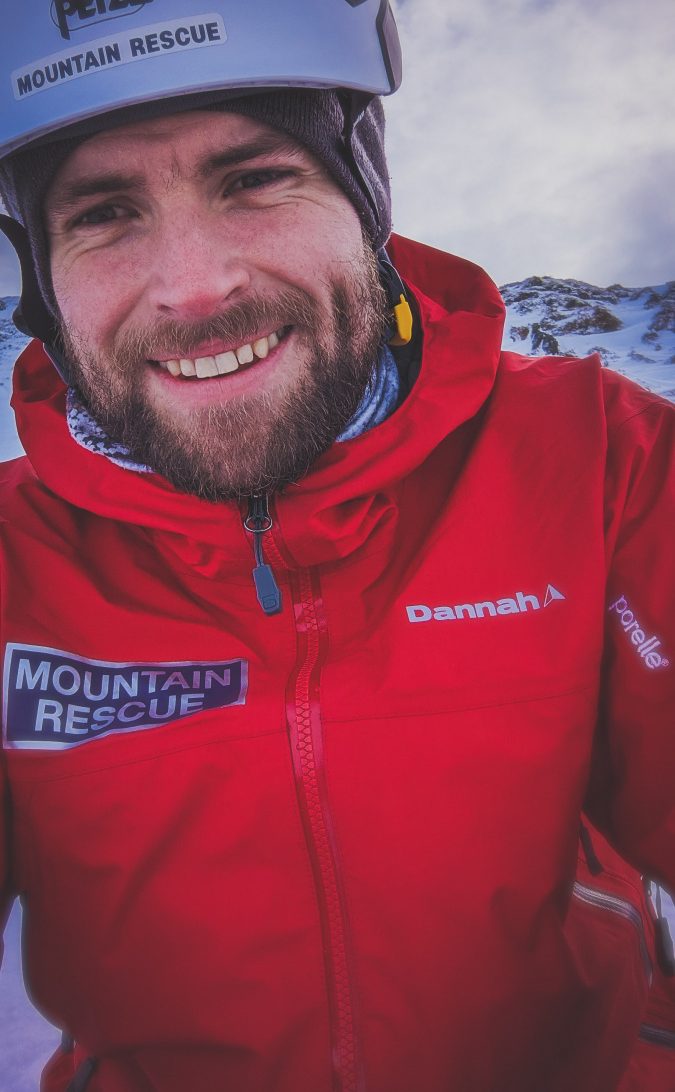
Your Teaching Faculty
Modules
Wilmar

one of the best courses i have done. Keep up the good work !
Carole
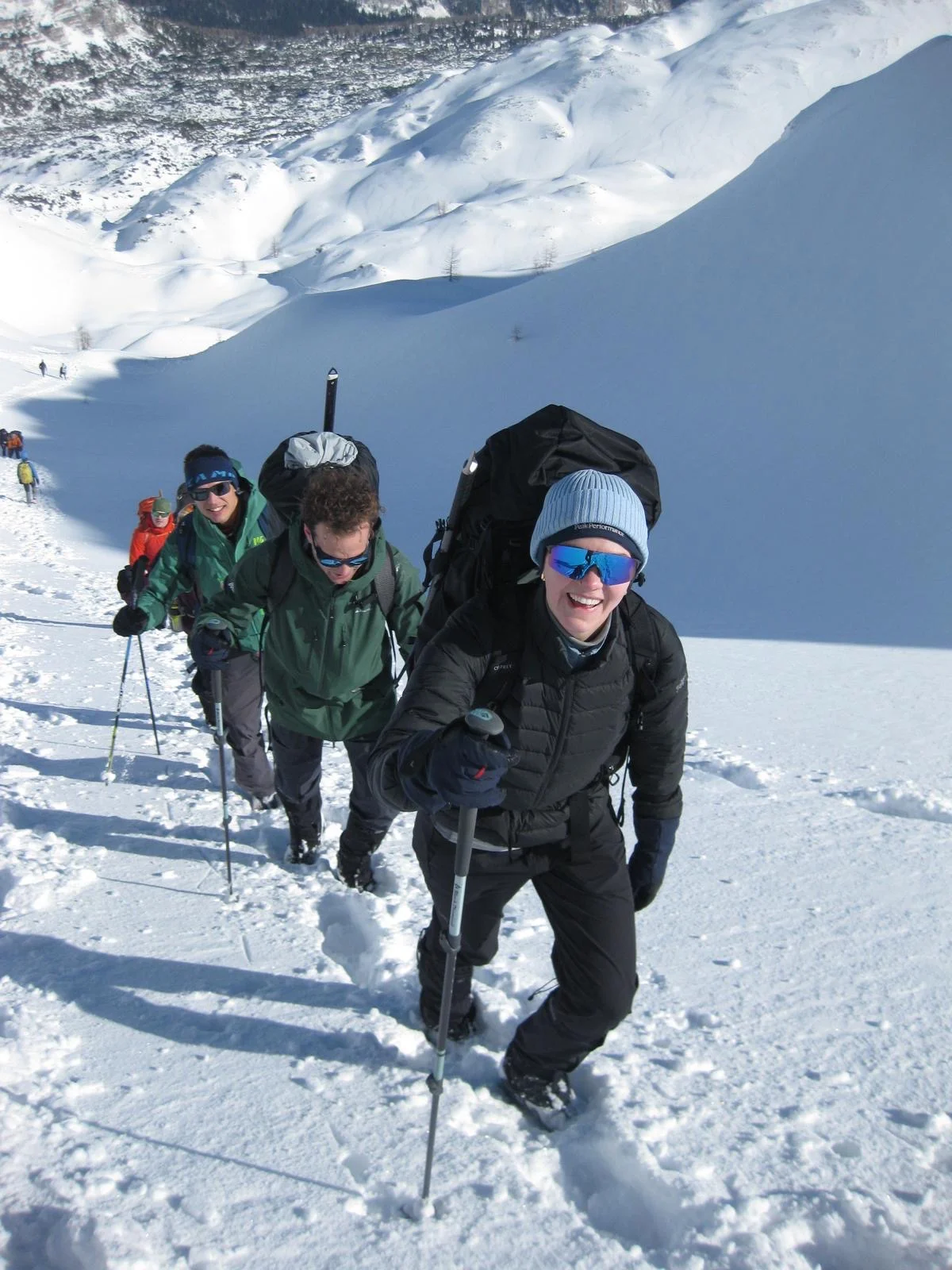
Absolutely loved this course, my best one with WEM so far. It was a great mix of lectures and scenarios. Very enthusiastic, patient and encouraging teachers. Thanks to all 4 instructors, inspiring as always.
Jiannis
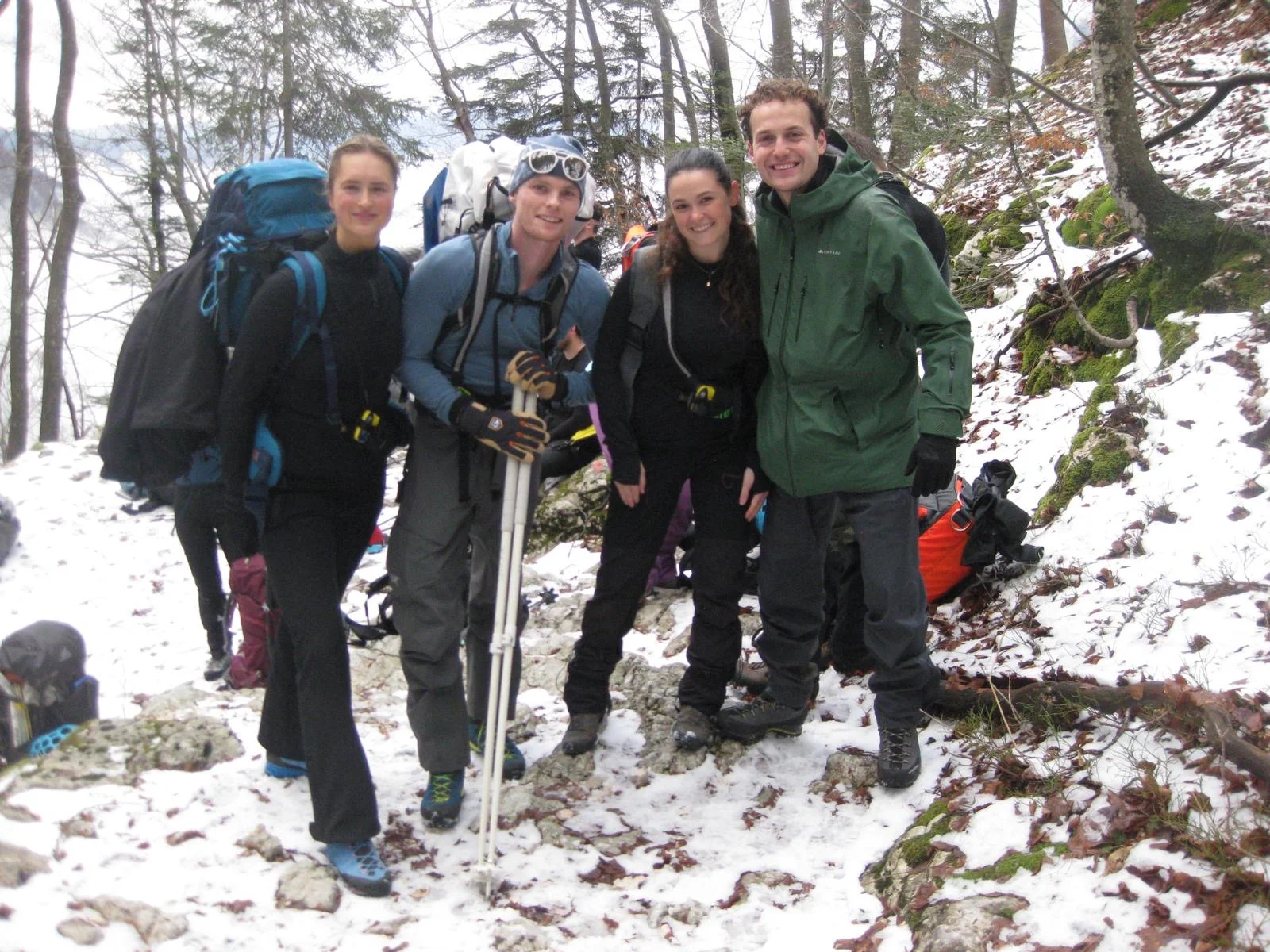
Jamie, Luke, Hannah and Ella did an amazing job facilitating this course. It was clear how passionate they all are about this specialty and it made learning from them a privilege. Special thank you to Jamie for all the extra work we saw him do in preparing each aspect of the course whilst we had moments of down time. Would recommend this course to anyone who loves the mountains.
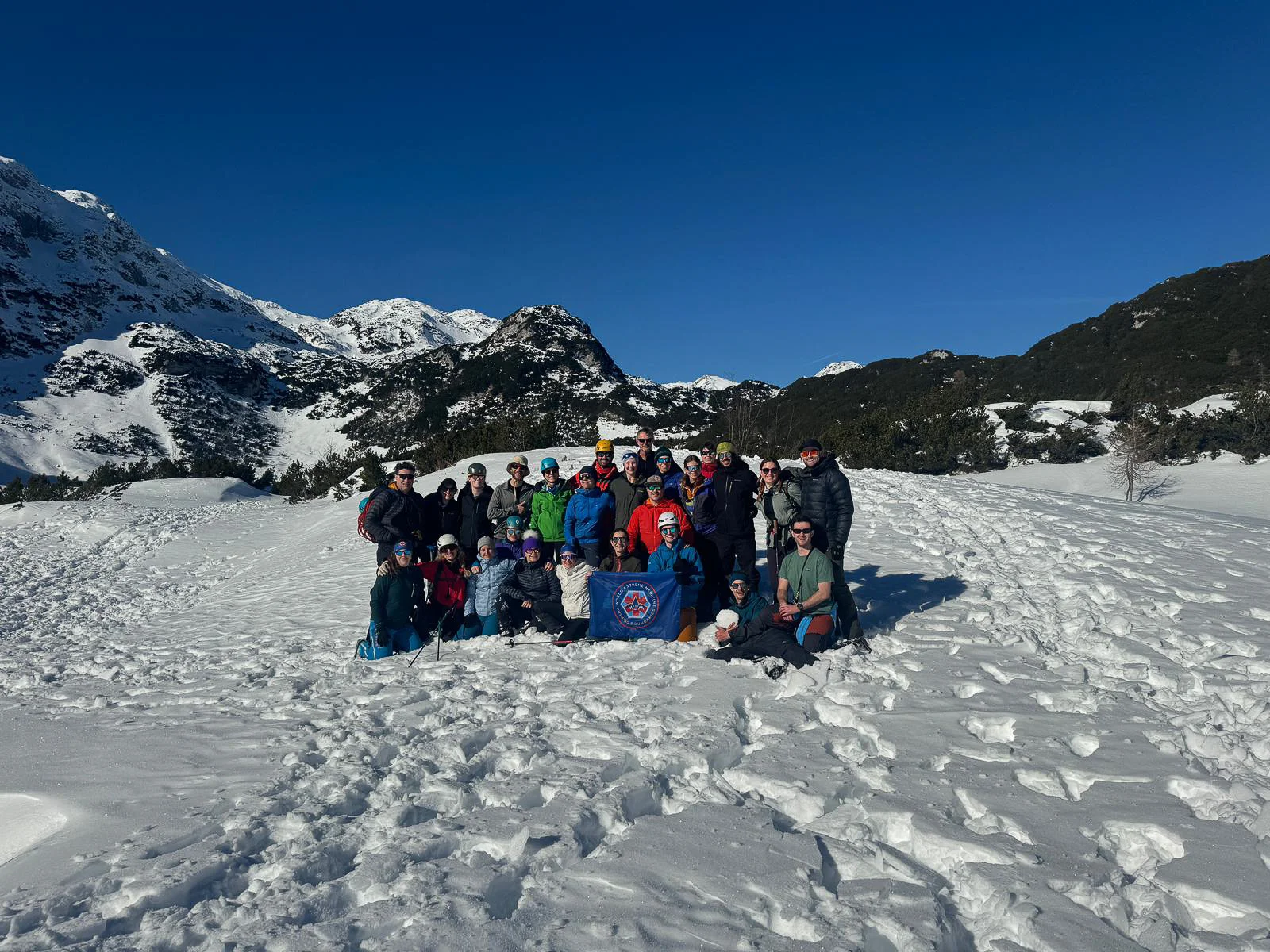
Julia
I want to thank the whole team for the unforgettable experience and valuable lessons that I learned. Now I really want to do the masters to attend more of your courses, thank you!
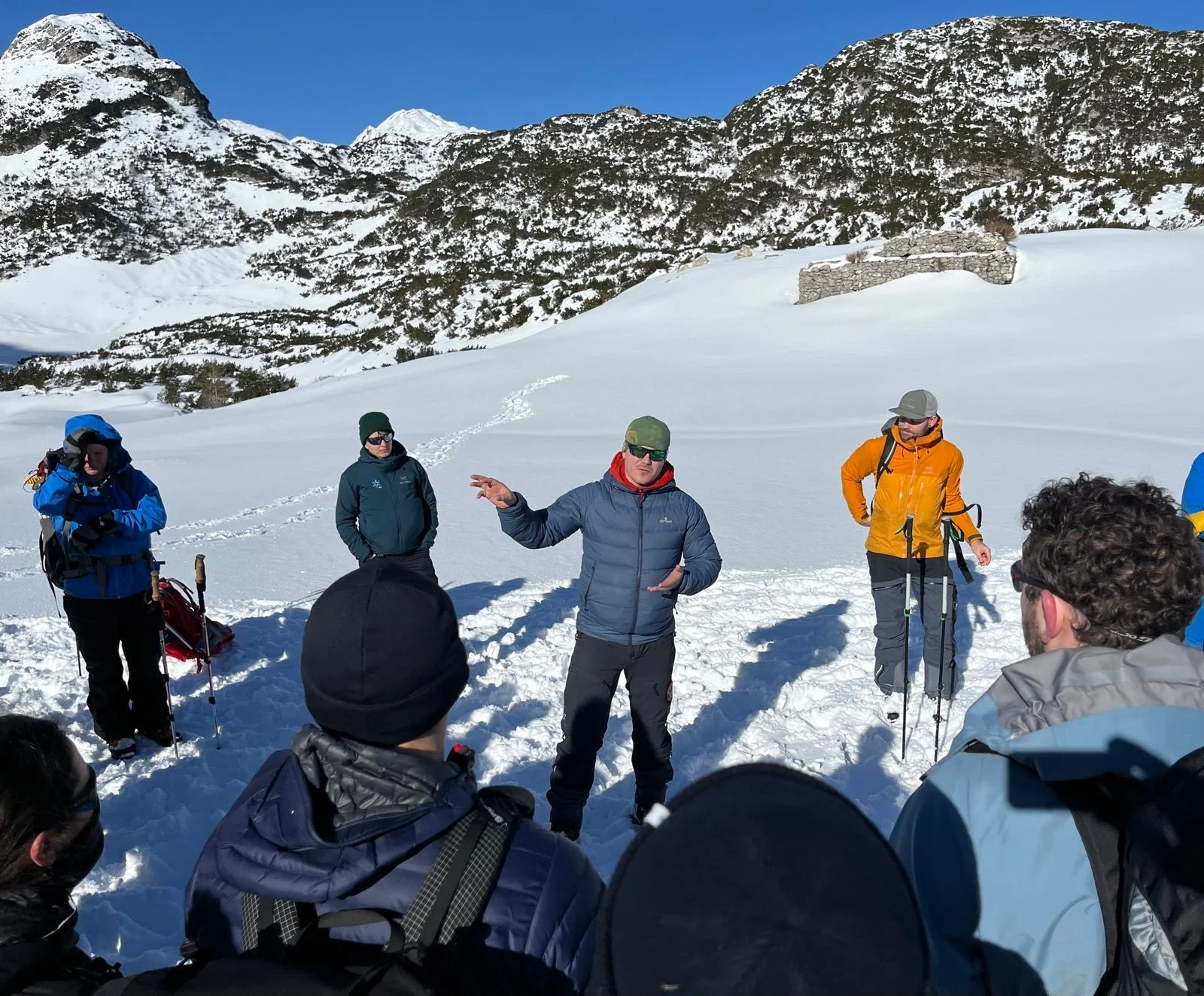
What's Included?
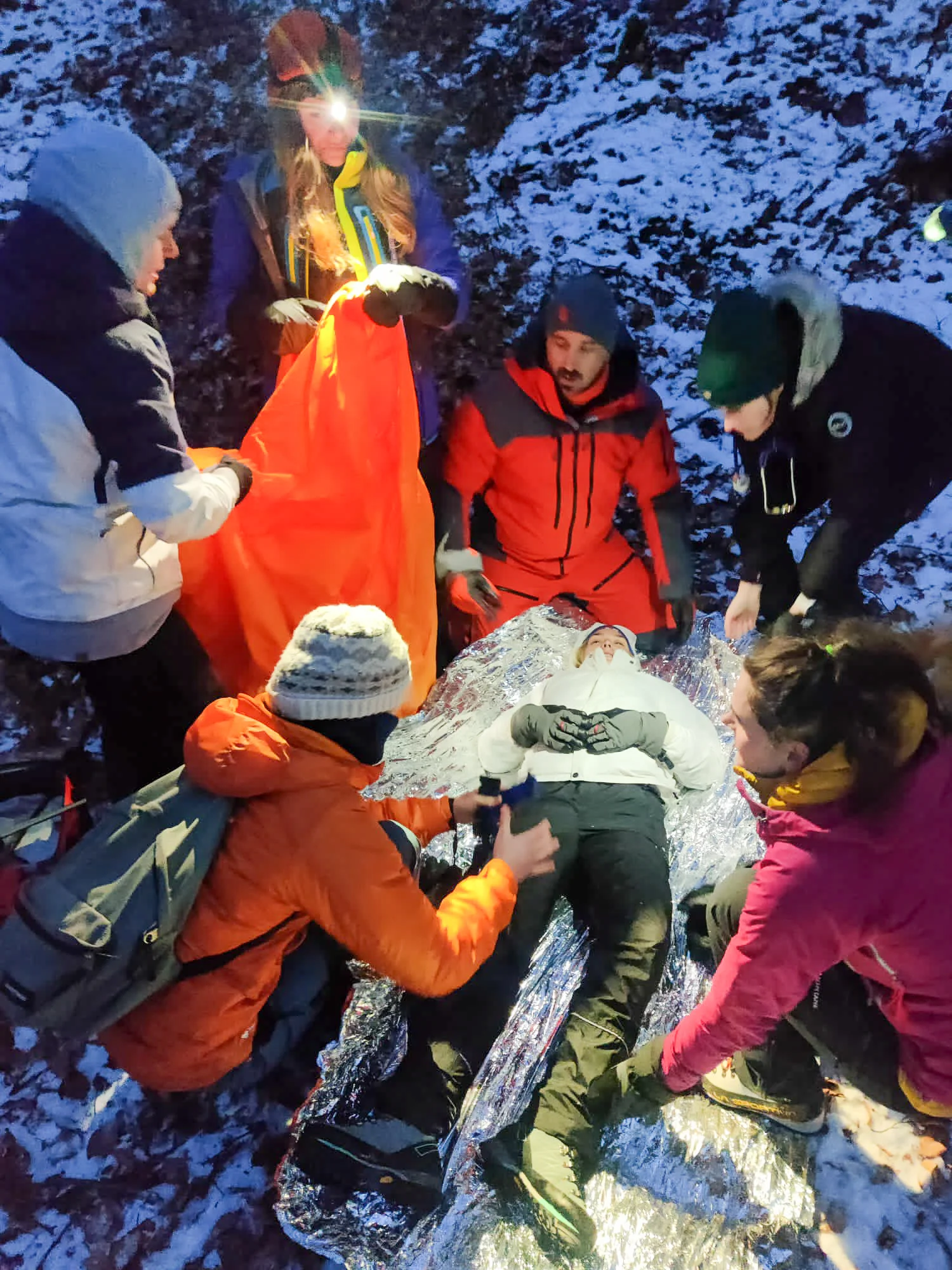
Field-Based Training & Practical Workshops
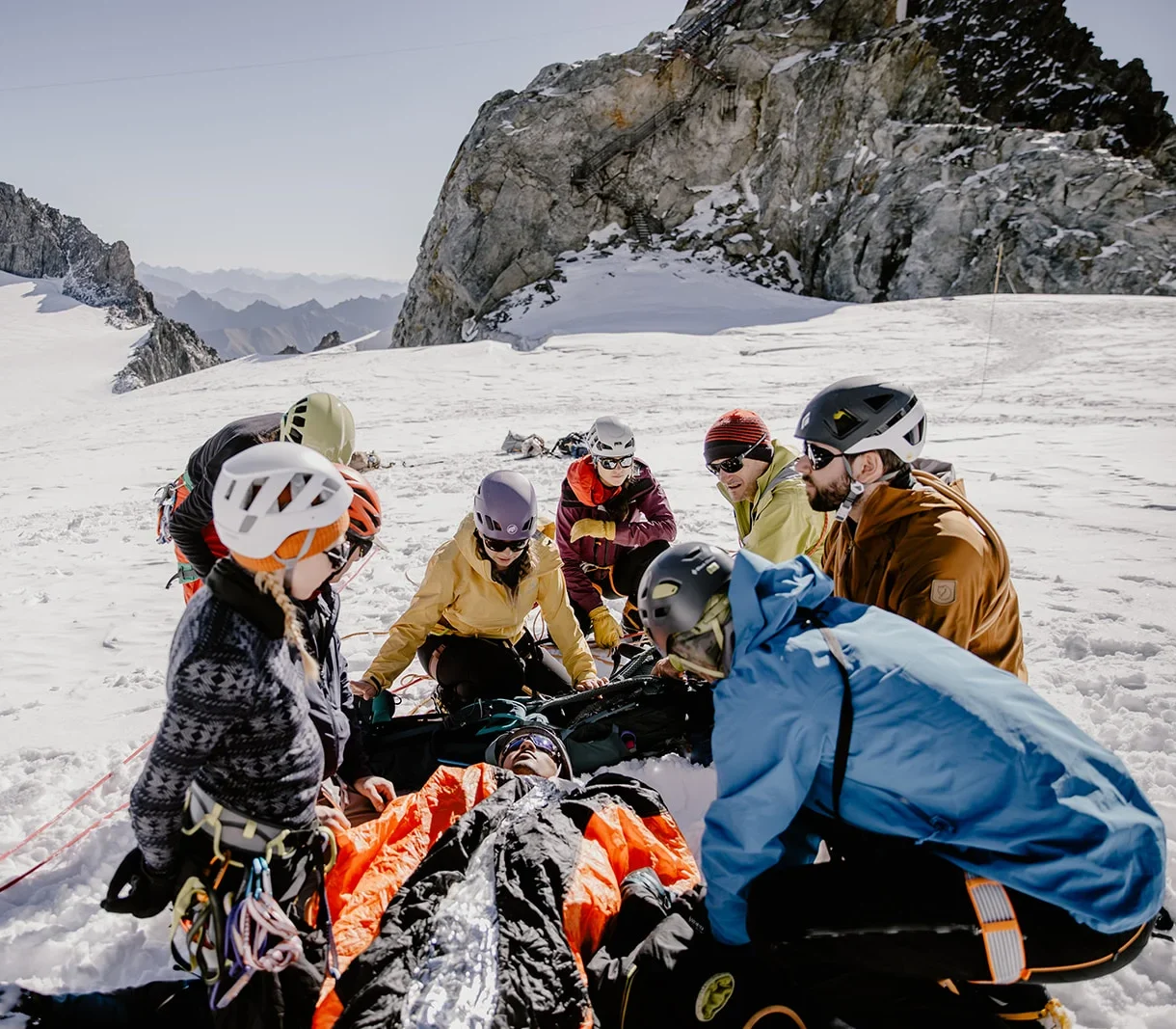
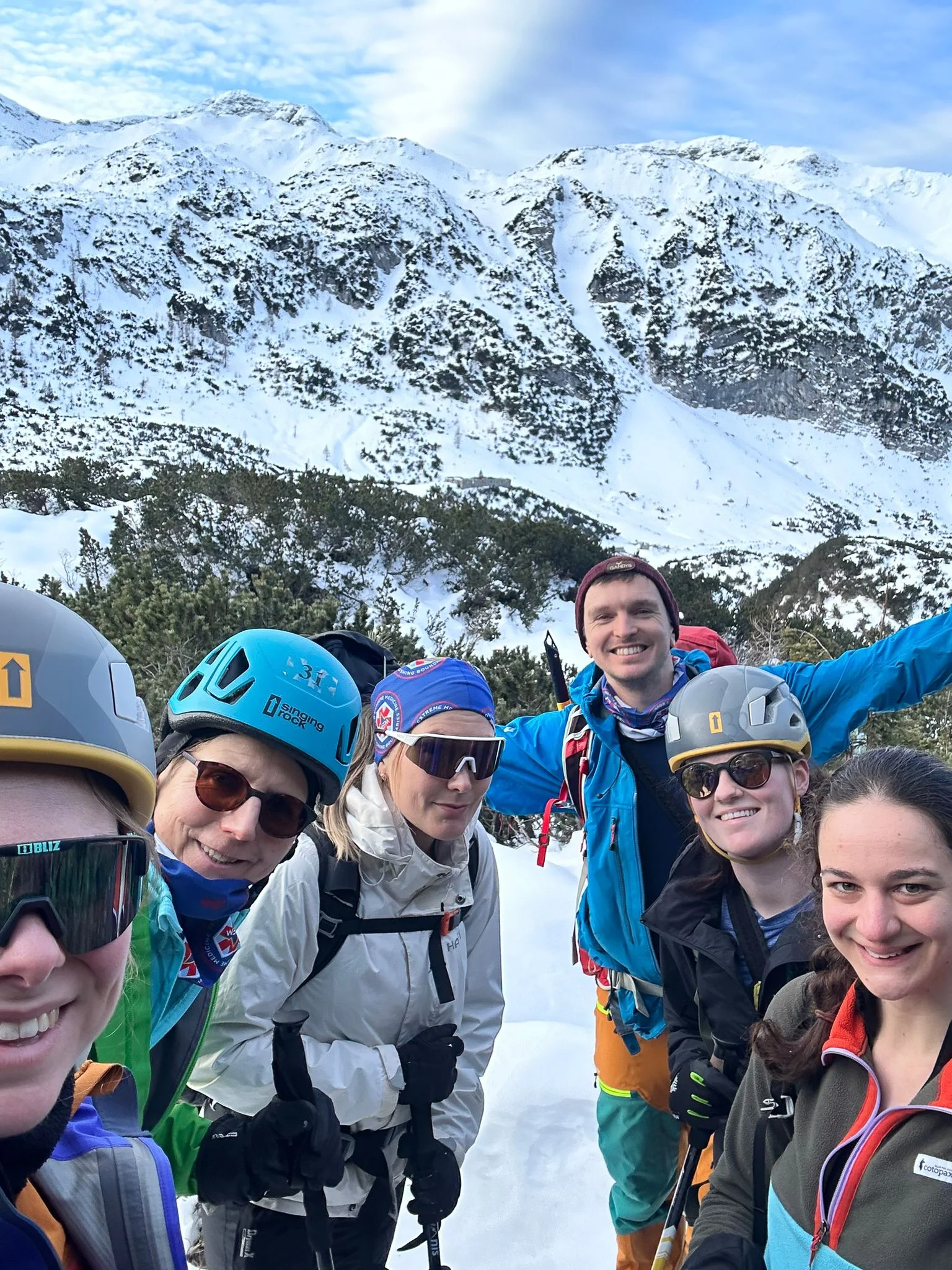
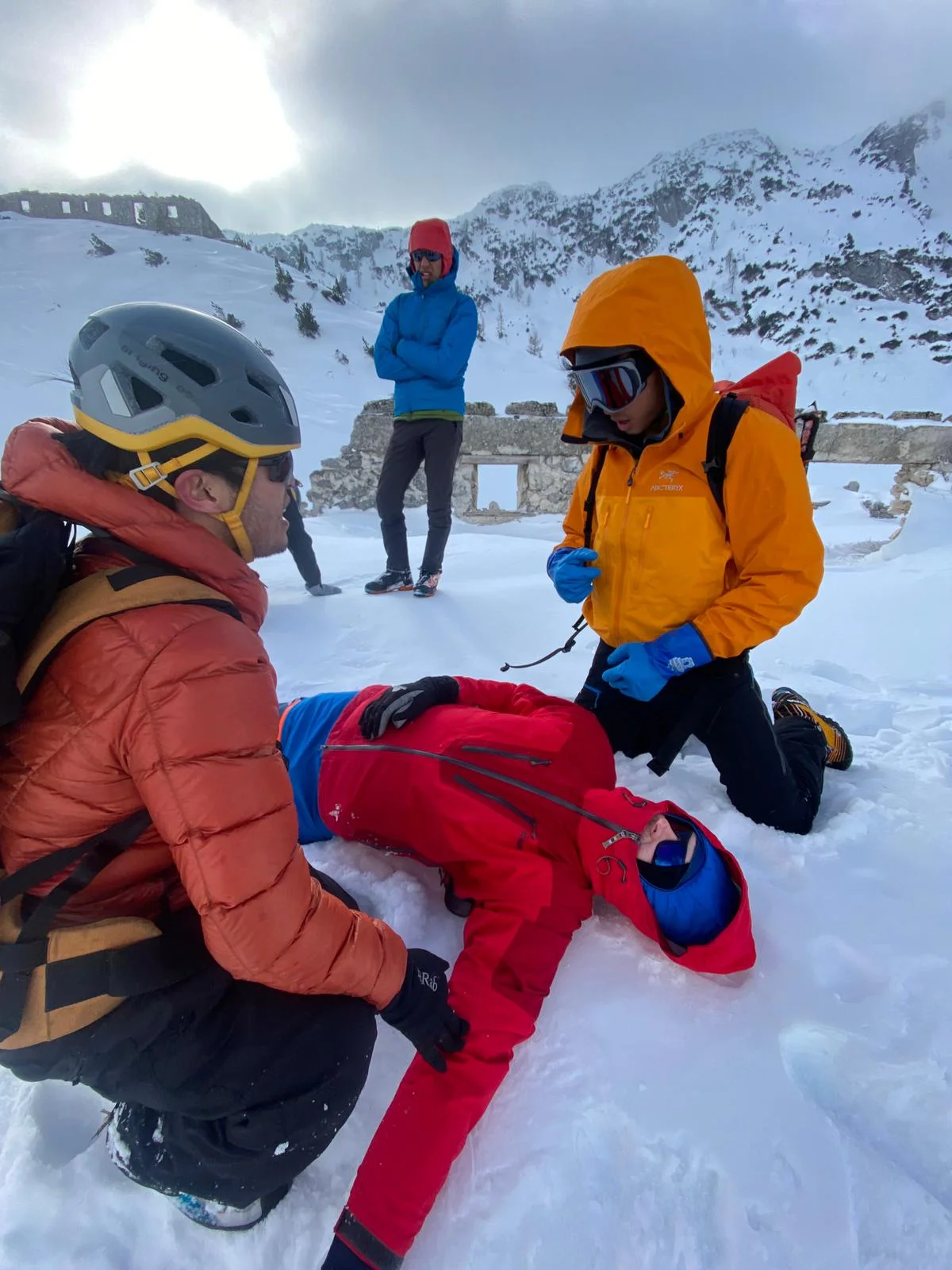
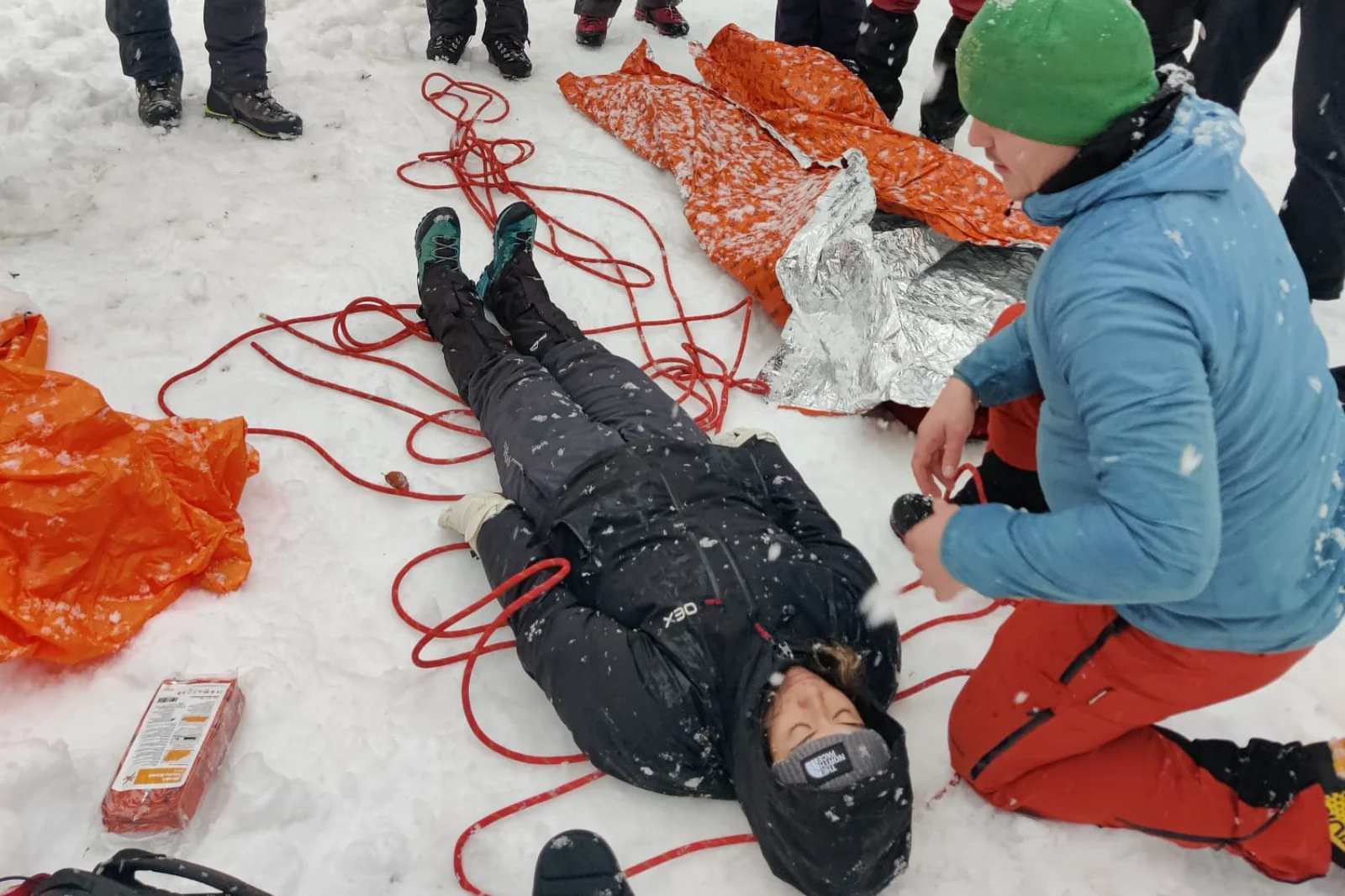
Learn through hands-on training designed for alpine environments. Teaching is delivered through practical workshops, simulations, and scenario-based learning, ensuring skills are developed in conditions that reflect real mountain challenges.
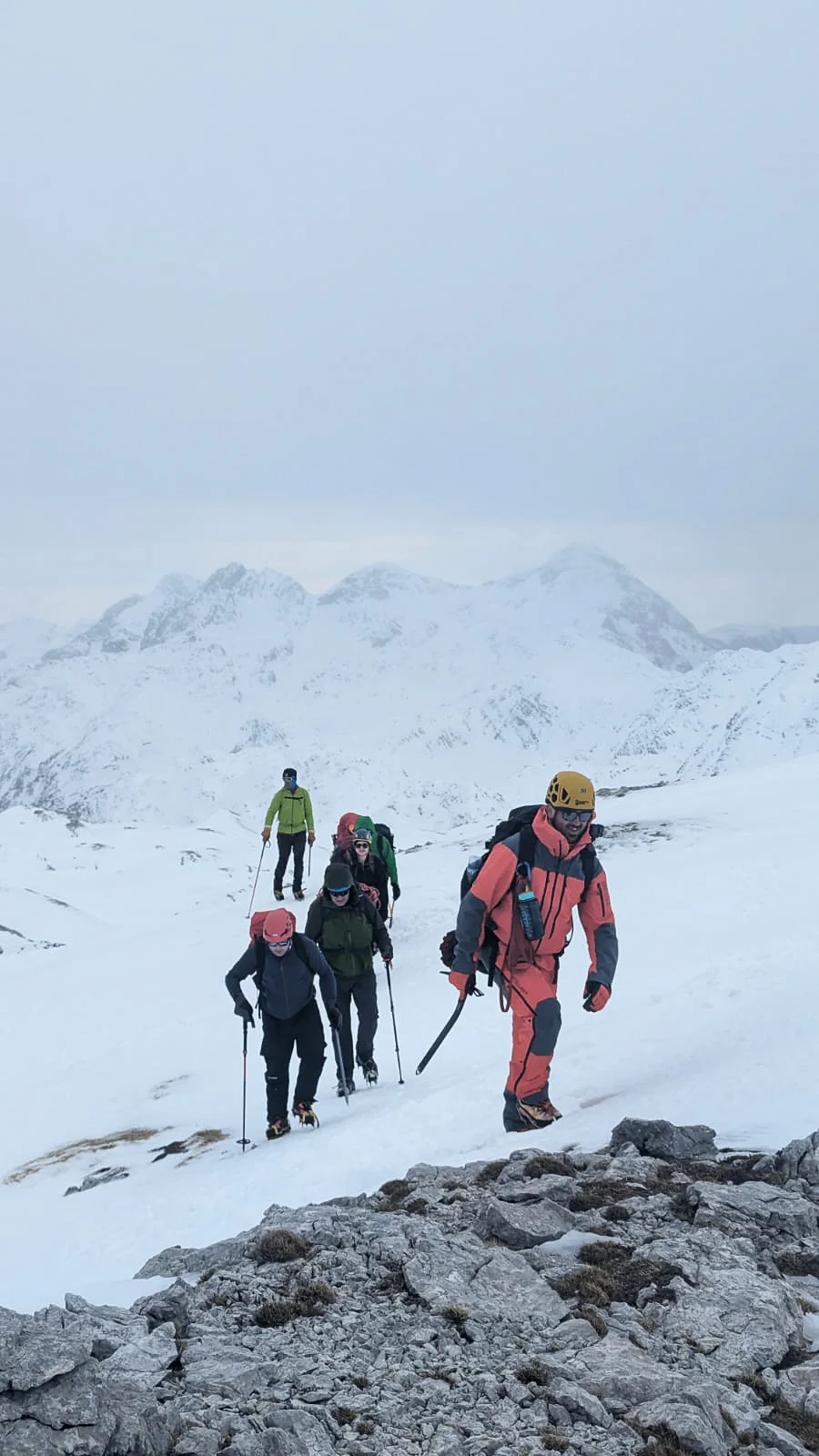
Expert Faculty & IFMGA Mountain Guides
You’ll be taught by experienced medical faculty alongside professional IFMGA mountain guides. This integrated approach ensures clinical learning is grounded in real-world alpine movement, risk management, and terrain awareness.
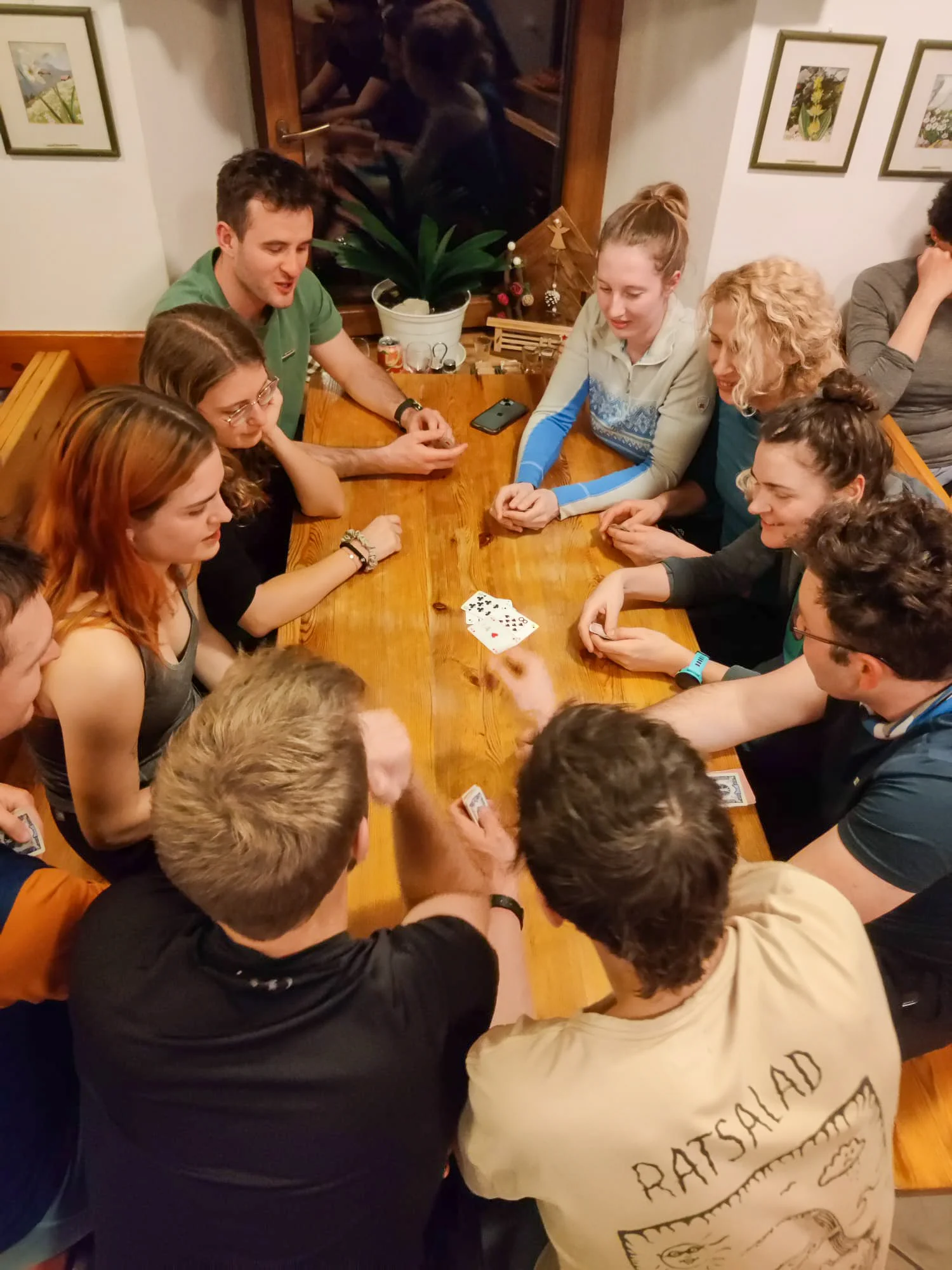
Accommodation, Meals & Expedition Support
Your course fee includes accommodation and meals from the start of the course through to its conclusion, as well as logistical support throughout the expedition phase, allowing you to focus fully on learning and performance.
CPD Hours & Course Certification
This course has been awarded 30 CPD hours by RCSEd, and 44.5 CPD hours by The Australian College of Rural and Remote Medicine (ACRRM). On completion, you’ll receive a certificate of attendance recognising your training in alpine and cold-environment medicine within a challenging, real-world setting.
Book Now
GBP £1,675.00
Frequently Asked Questions
Is this course right for me?
This course is designed for healthcare professionals and students who want to apply their clinical skills in alpine and cold-weather environments. It’s particularly suited to those interested in expedition, wilderness, or mountain medicine. While prior mountain experience is helpful, the course focuses on developing judgement, teamwork, and decision-making rather than technical climbing ability.
Do I need previous expedition or wilderness medicine training?
It’s recommended that participants have attended an Expedition & Wilderness Medicine course, as the Alpine Medicine course builds on those principles and applies them to cold, mountainous environments. If you’re unsure whether this is the right next step for you, we encourage you to use the Course Fit Checker or book a discovery call with the team.
What level of fitness is required?
You don’t need to be an elite athlete, but a good level of fitness will help you get the most from the course. As a guide, you should be able to walk around 15km carrying a 10kg pack and repeat this over consecutive days. Being well-prepared physically will allow you to focus on learning rather than fatigue.
For any experienced ski tourers there may be an opportunity to get some off-piste action! Just let us know your experience level and we’ll work on a plan.
What course content is covered?
This 6-day Alpine Medicine course covers the medical, expedition, and human factors considerations of working in cold, mountainous environments.
Content includes:
- Expedition Planning for Alpine Environments
- Risk Assessment
- Contingency Planning
- Equipment for Alpine Environments
- Trauma in Alpine Environments
- Primary Survey
- Human Factors
- Cold Injury
- Hypothermia
- Dressing for the Cold
- Acute Mountain Sickness
- HACE & HAPE
- Navigation
- Casualty Packaging and Extraction
- Fracture Management and Manipulations
- Alpine Trauma Simulation
- SAR Exercise
- Avalanche Awareness (course)
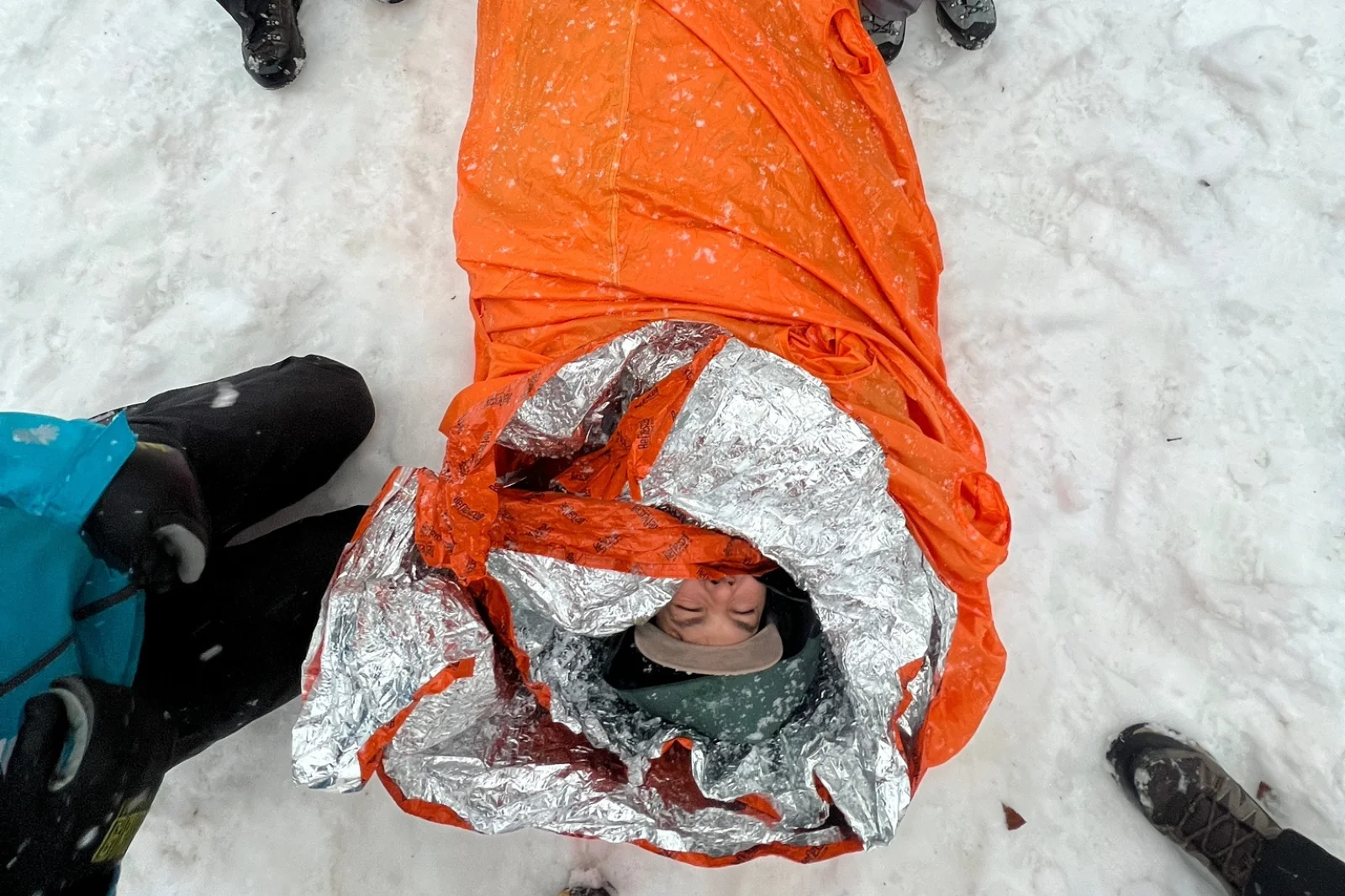
- Emergency Shelters
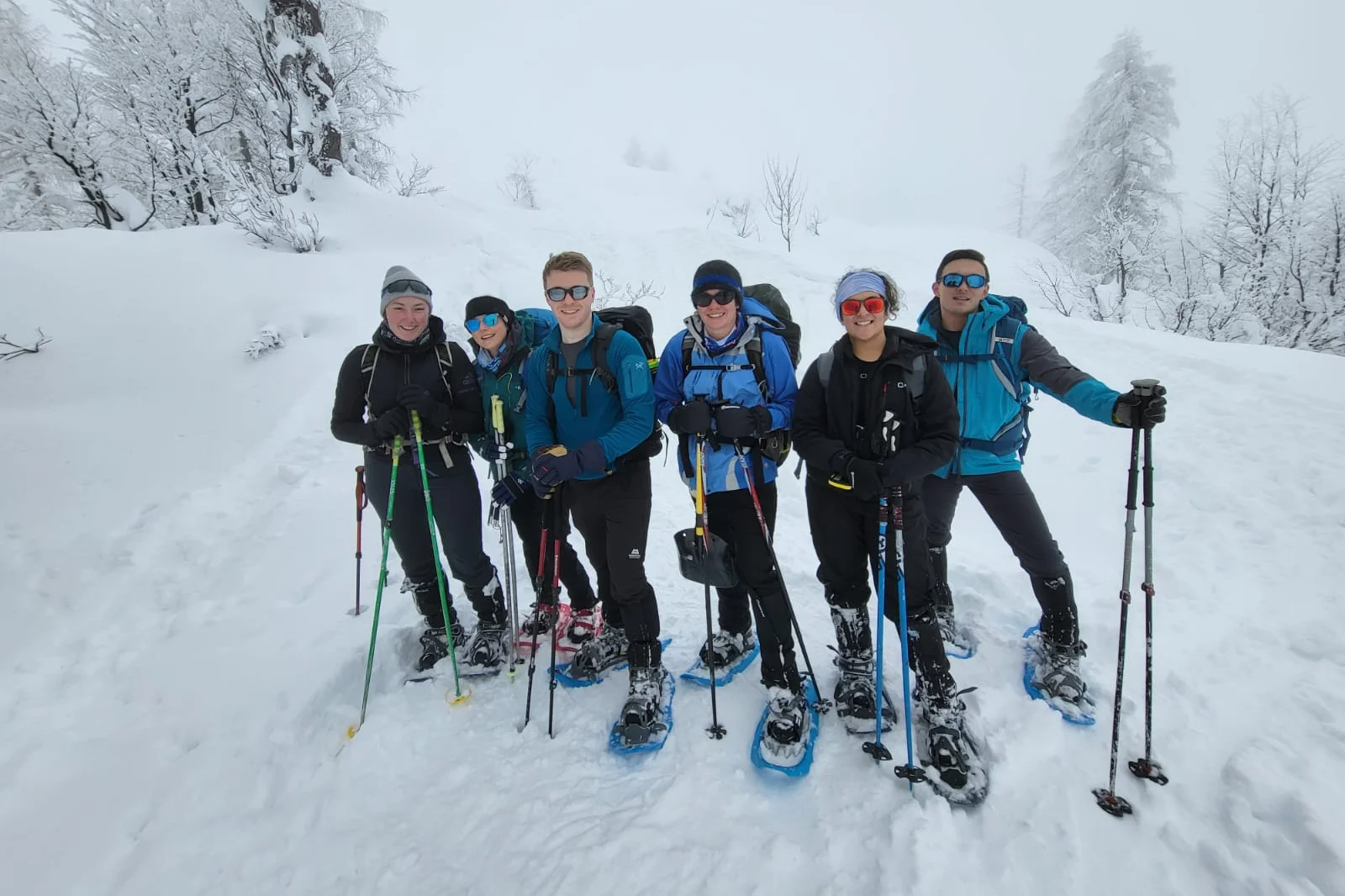
- Basic Winter Mountaineering Skills
- Winter Navigation
- Equipment Selection
- Moving Over Winter Terrain
What kit do I need to bring?
Please follow the kit list and bring adequate kit. Daytime temperatures in the mountains often dip lower than -10°C before windchill, so it’s essential you’re equipped to deal with the cold conditions.
As a minimum we recommend you bring:
You need to be prepared for sun, rain, wind and snow! When heading out into the mountains you must be fully prepared for all possible conditions. If you have any questions about kit, just give us a call or send an email.
- Hiking / Mountaineering boots – minimum B1 or B2 rated (will fit crampons). E.g Scarpa Marmolade Pro (B1) Scarpa Charmoz (B2) La Sportiva Trango Tower (B2).
- Gaiters – breathable eVent or Gore-Tex
- Base layers, upper and lower – merino or synthetic
- Light mid layers – thinner layers with zips allow for greater thermal control
- Softshell trousers
- Hard shell jacket – Waterproof and breathable material. Gore-Tex or Neoshell recommended. No ski jackets with built in insulation
- Hard shell trousers – Waterproof and breathable material. Gore-Tex or Neoshell recommended. No trousers or salopettes with built in insulation.
- Light insulating jacket – synthetic or down
- Warm insulating jacket – synthetic or down
- Liner Gloves – merino, silk or fleece
- Lightweight glove – Thin gloves with good grip and dexterity E.g. Rab M14 gloves
- Warm waterproof gloves – E.g Mountain Equipment Randonee Gauntlet, Mountain Equipment Couloir
- Mittens – Wool or synthetic
- Socks – Wool or synthetic.
- Beanie
- Neck gaiter / Buff
- Casual clothes
Other gear:
- Backpack: 40 – 50 litres
- Sleeping bag liner – for use in mountain hut
- Head torch
- Compass – similar in standard to Silva Expedition Type 4
- Sunglasses – wrap around, minimum category 3 lenses
- Sun protection – SPF 50
- Water bottle
- Personal medical / first aid kit
- Towel
- Dry bags
- Money/cards for mountain hut
- Crampons – compatible with your boots
- Ice axe – walking or alpine type
- Climbing helmet
Optional:
- Softshell jacket
- Climbing harness
- Belay plate and carabiner
- Ski goggles
- Ear plugs and sleeping eye mask
- Hiking poles
- Any other kit of relevance e.g avalanche transceiver/rescue kit, GPS etc (only if you have them)
Check out Cotswold Outdoor Layering System Guide for a good guide on layering systems and when to use them.
If you need boots take a look at Cotswold Outdoor Perfect Boots Tips please remember to break in any new footwear before the course.
Important – Never leave kit prep until the last minute, ensure you prepare well before the course and review your kit a few weeks before departure.
Is specialist mountaineering equipment required?
Yes, certain items such as crampons, ice axes, and helmets are required for the course. If you don’t already own this equipment, it can be hired locally in Slovenia for the duration of the course. Full details, including costs and hire options, are provided once you’re booked.
What are the typical conditions like?
Daytime temperatures in the mountains can range from around -2°C to -15°C, before windchill. Conditions can change quickly, so appropriate clothing, spare insulation, and good preparation are essential. You’ll be guided throughout the course on how to manage yourself and others safely in these environments.
Do I need travel insurance to attend?
Yes. Comprehensive travel insurance is mandatory and must cover the activities undertaken on the course, including mountaineering and emergency evacuation. You’ll be asked to provide insurance details before the course begins.
What support is available before the course starts?
Ahead of the course, you’ll receive access to a WhatsApp group where you can ask questions, share travel plans, and learn from fellow participants and faculty. Optional pre-course resources are also provided for those who like to prepare in advance.
I have another question
If you wish to learn more or have any additional questions, we invite you to book a 20-minute discovery call with our team.
→ Click here to book a discovery call.
The call will be with the team who organise our courses and work closely with our medical teaching faculty. They’re best placed to explain what our attendees really get out of attending a course with us.
You can choose between a video or voice call — whatever suits you best.
Register for a time that works for you, and we look forward to speaking with you soon.
Prefer email? Then feel free to contact us.
Your Safety
The comprehensive curriculum and field scenarios are carefully designed to push your limits while mitigating risks.
We take every precaution to keep participants safe by:
- Rigorous gear checks before all expedition days
- Mandatory evacuation insurance policies
- Close coordination with local emergency responders