How World Extreme Medicine helped get life-saving supplies to Venezuela’s earthquake response in under 24 hours, in the middle of a record-breaking heatwave
On the afternoon of 25 June 2026, the phone rang.
On the other end was Ben Watts, long-standing World Extreme Medicine faculty member, advanced retrieval practitioner, critical care paramedic, and volunteer with the UK’s International Search and Rescue Team (UKISAR).
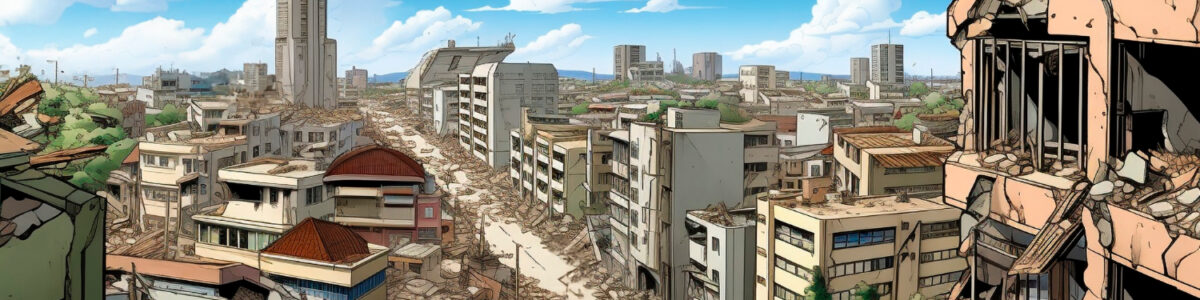
The day before, two powerful earthquakes, measuring 7.2 and 7.5 in magnitude, had struck Venezuela. Buildings had collapsed, communities had been devastated, and international search and rescue teams were already preparing to deploy.
UKISAR was mobilising, with the aim of being wheels up within 24 hours.
But there was just one problem…
The UK was in the middle of the hottest June on record, which at first glance doesn’t sound related to emergency response, however, for three days, temperatures had climbed into the high 30s, and the heat was doing exactly what extreme heat does to supply chains: breaking them.
Medicines that are essential in med kits across the country were becoming increasingly difficult to transport safely. We’d already experienced it ourselves, with medicine deliveries cancelled earlier that week because conditions simply weren’t suitable for transport, these were the same challenges that were affecting suppliers nationwide.
UKISAR had a deployable medical team, but at the eleventh hour they were struggling to source the medicines needed to get that team into the field.
So… Ben called us.
The Part Nobody Sees
This is the side of extreme medicine that rarely makes the highlight reel or news stories.
Not the helicopter footage, the dramatic rescues, or the images from disaster zones.
Instead, it’s the quieter work that happens before any of that is possible.
The phone calls… the logistics.. the uncertainty, and the people trying to solve problems before they’ve even been fully defined.
When Ben called, we didn’t know exactly what UKISAR would need, we didn’t know how much, or whether we’d even have the right stock available, but what we did know was this:
We knew Ben.
We knew our own inventory.
And we knew that if there was a way to help, we’d find it.
Rather than waiting for a complete request, we acted on what we knew, so, we left our desks, headed straight to the stores and began pulling together everything that might be useful, relocating supplies to a team member’s house so that, when the final list arrived, we could move immediately.
Sometimes the most important decision in an emergency isn’t knowing exactly what to do… it’s deciding not to wait.
Turning Uncertainty Into Action
As the afternoon became evening, the requirements finally came through.
Alongside our efforts, our former Medical Director, Alex Rowe, was leading work within UKISAR to redesign the team’s medical inventory and identify exactly what was required to make the deployment operationally ready, and that work transformed uncertainty into something tangible.
With a definitive list in hand, we cross-referenced every item against our own stock, every matching medicine was located, checked, packed and documented, and the information went back to UKISAR.
Then we waited…
Eventually the final message arrived, and collection would happen overnight.
There wasn’t a fixed time, just one instruction:
Be ready.
The Journey Through the Night
That evening, Ben put his children to bed.
Then he got into the car.
His first stop was another World Extreme Medicine team member’s house to collect additional supplies.
His second stop was with us.
From there, he drove directly to RAF Brize Norton, where the UKISAR team would begin their journey to Venezuela.
It’s a small detail in the wider story, but perhaps one of the most important.
Putting the kids to bed before driving through the night to support an international disaster response isn’t something you’ll see in the headlines, yet behind every responder who deploys at short notice is an entire network of people making that deployment possible.
- Partners who accept another unexpected absence.
- Parents who step in to help.
- Colleagues who answer the phone after hours.
- Friends who quietly rearrange their own plans.
- Organisations that trust one another enough to act before every detail has been confirmed.
Humanitarian response doesn’t rely solely on the people boarding the aircraft, it relies on everyone helping make sure they can.
Before Most of Us Had Breakfast
By the time most of the country woke to another sweltering summer morning, a UK search and rescue medical team was already in the air, travelling towards Venezuela with medical supplies that, only hours earlier, had still been sitting on shelves.
But, there was no fanfare, publicity, no expectation of recognition.
Just a phone call, with a few hours of determined problem solving, and a community that instinctively knew how to respond.
What Preparedness Really Looks Like
Looking back, what stands out isn’t a single heroic decision, it’s that the resilience already existed before the phone ever rang.
It existed in stock that had been carefully maintained and regularly reviewed.
It existed in an inventory we understood well enough to respond quickly under pressure.
It existed in relationships built over years of shared expeditions, deployments, education and operational experience.
It existed in people who were willing to act on incomplete information because waiting for certainty would simply take too long.
We were only one small part of a much larger effort that night.
Alex Rowe was redesigning UKISAR’s medical inventory to support deployment.
Another member of the World Extreme Medicine team opened their own stores without hesitation.
Ben drove through the night after spending precious time with his family.
Countless others, both visible and invisible, were making decisions that allowed the response to happen.
That distinction matters.
Resilience isn’t what you do during a crisis, resilience is everything you’ve built beforehand that allows you to respond when the crisis arrives.
It’s the relationships you’ve invested in.
And the systems you’ve refined.
And the equipment you’ve maintained.
And the judgement you’ve developed.
And the community you’ve surrounded yourself with.
The Same Philosophy Guides Everything We Do
At World Extreme Medicine, that philosophy extends far beyond humanitarian response.
Whether we’re supporting an expedition into remote mountains, providing medical consultancy for organisations operating in challenging environments, delivering practical education around the world, or supplying medical equipment through our medical kit hire service, the principle remains exactly the same.
Preparedness comes first.
The right medical kit is important.
But a well-equipped bag is only one part of the equation.
Knowing how to use that equipment, understanding the environment you’re entering, planning for the unexpected, and having experienced people you can rely on often makes the greatest difference when circumstances change.
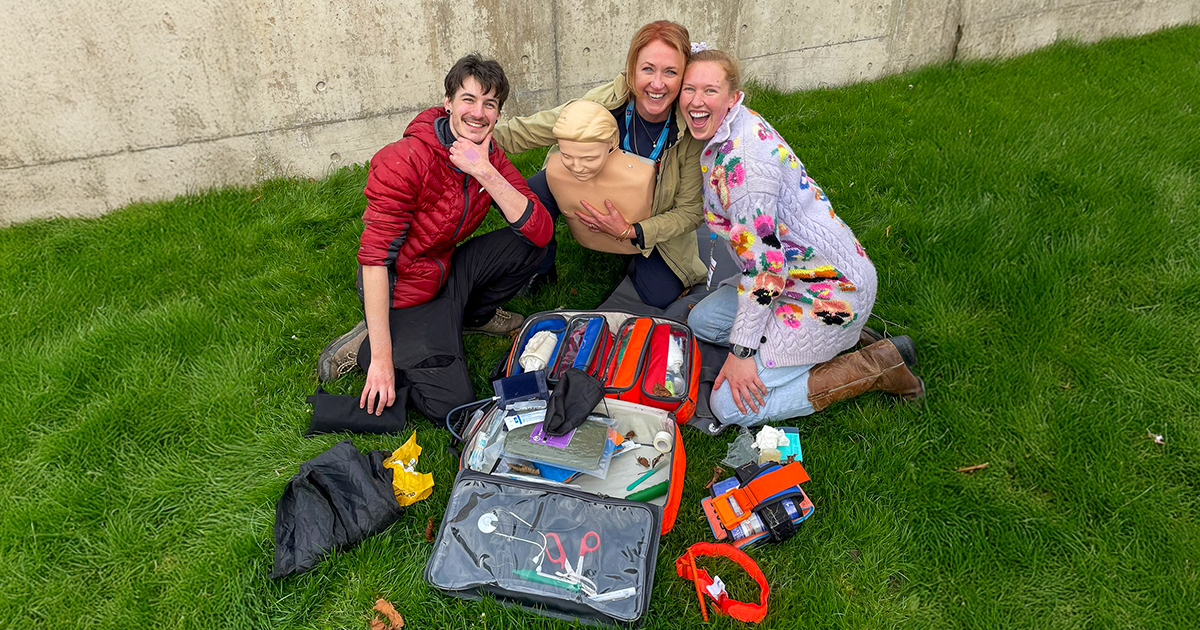
That’s why our medical kit hire service has been developed around real operational experience, providing carefully curated equipment for expeditions, remote work, humanitarian deployments and challenging environments.
It’s also why we’ve worked so hard to build a global community of clinicians, expedition professionals, researchers, students, humanitarian responders and outdoor leaders who continue to share knowledge long after a course has finished.
Because when the unexpected happens, it’s rarely one individual who makes the difference.
It’s the network around them.
Prepared Before the Phone Rings
None of us can predict when the next phone call will come, however, we can choose how prepared we’ll be when it does.
If you’re planning an expedition, humanitarian deployment, remote project or operational mission, our medical kit hire service can help ensure you have the equipment you need before you leave.
And if you’re looking to become part of a global community that believes in sharing knowledge, developing practical skills and supporting one another in challenging environments, we’d love to welcome you to World Extreme Medicine.
Because preparedness doesn’t begin when the emergency starts.
It begins long before the phone rings.
→ Learn more about Medical Kit Hire
→ Discover World Extreme Medicine
Medical Kit Hire
Prepared before the phone rings.
Whether you’re heading on an expedition, supporting a humanitarian response, or working in a remote environment, our medical kit hire service provides carefully curated equipment built on decades of real-world operational experience.
Explore Medical Kit Hire