Desert Medicine Course
Namibia
Conquer extremes of temperature and hone the skills required to care for people in stunning yet often desolate desert landscapes.
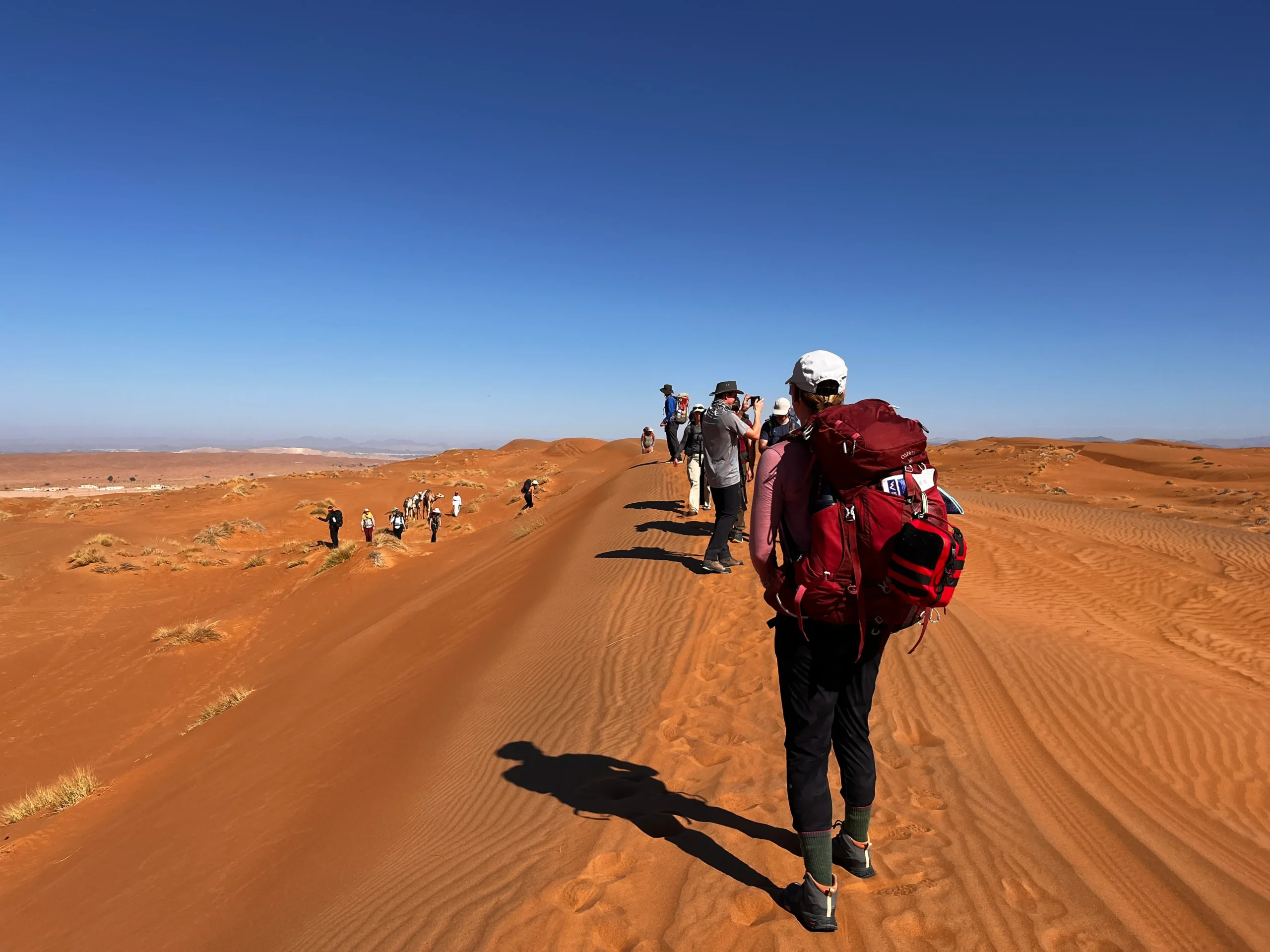
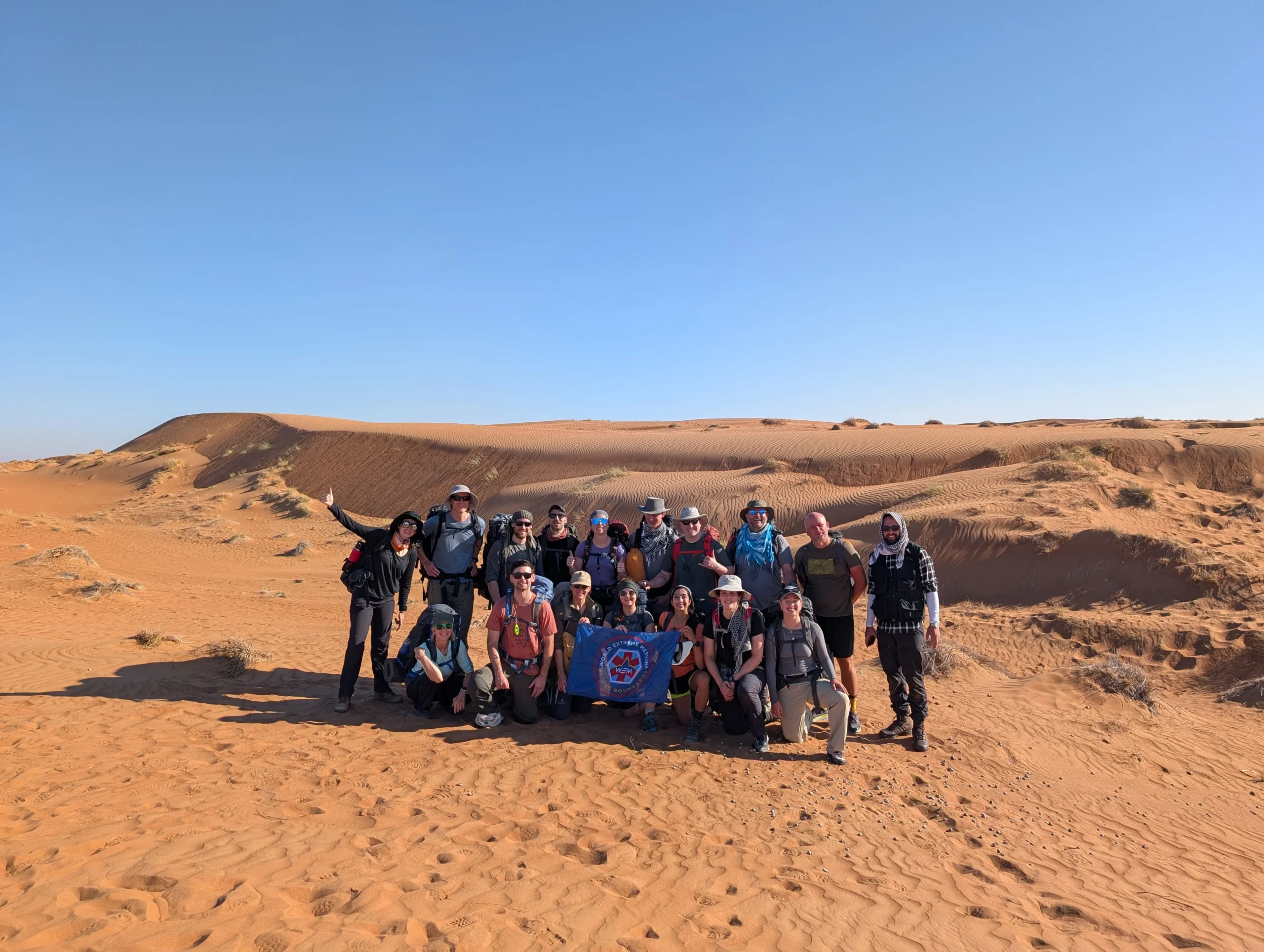
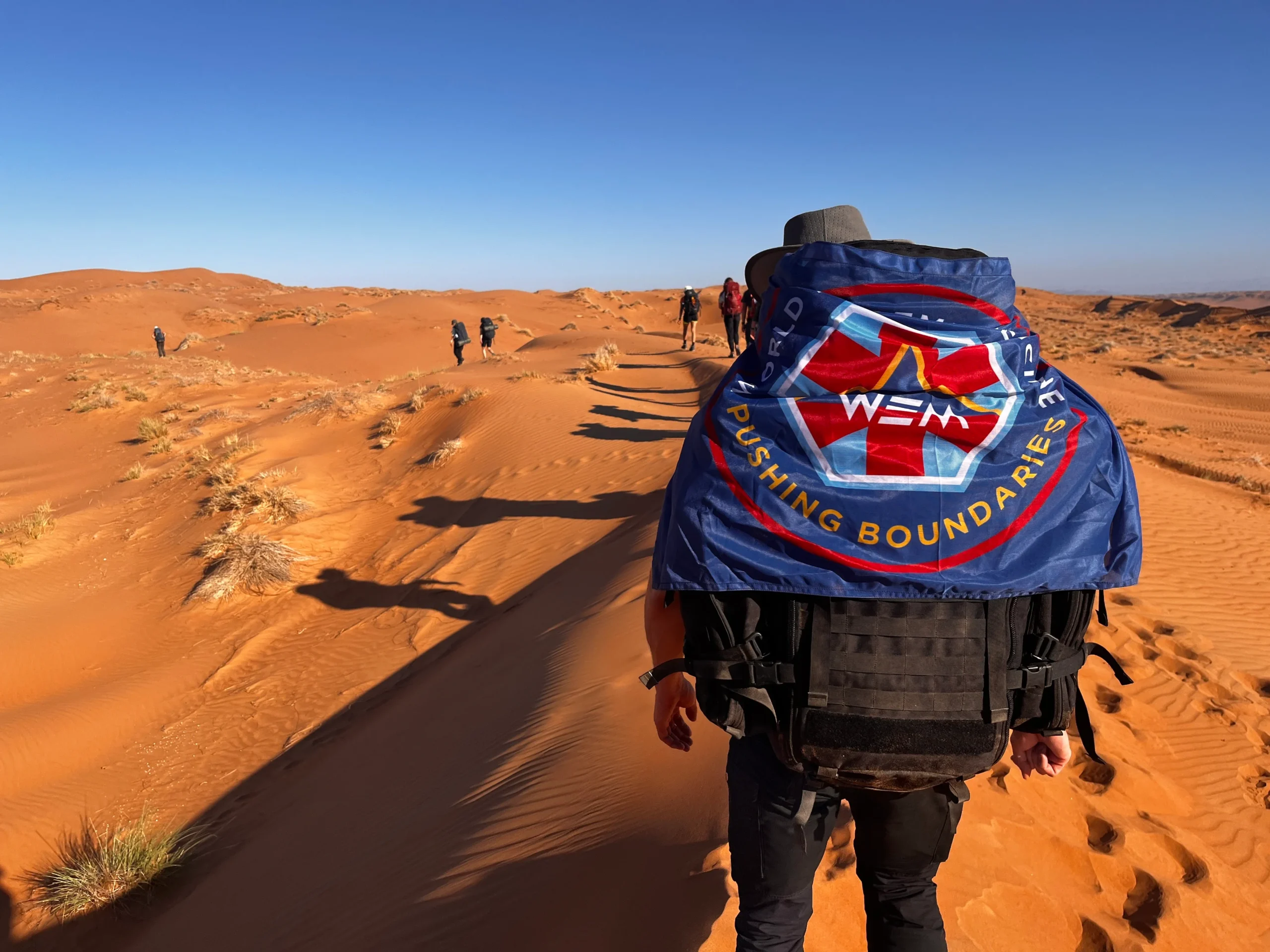
This seven-day Desert Medicine course in Namibia equips you with the core skills needed to operate safely and effectively in remote, resource-limited environments where heat, dehydration, terrain, and isolation significantly increase risk.
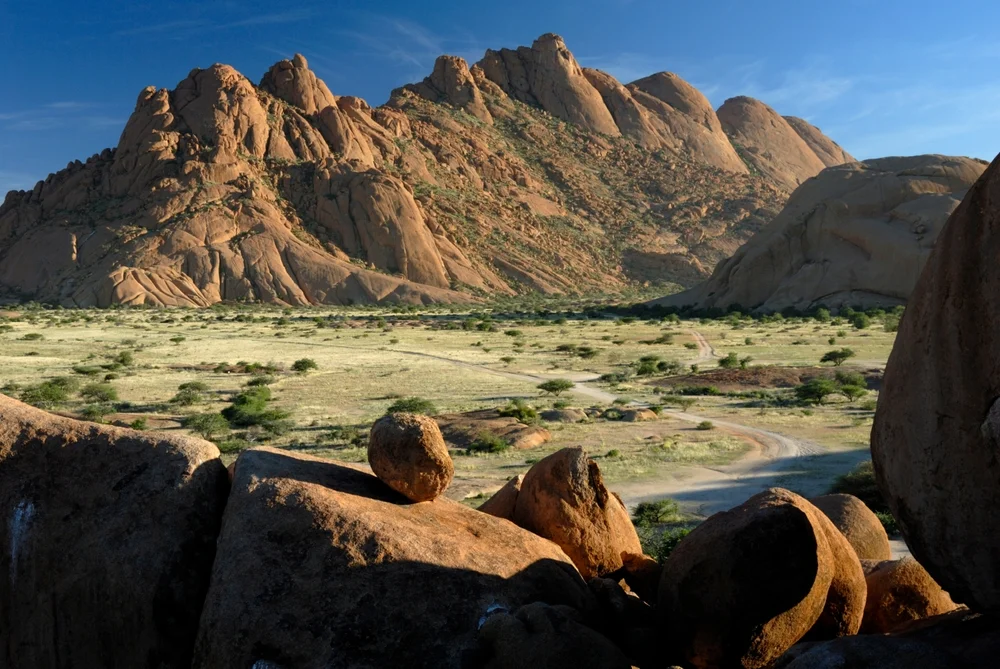
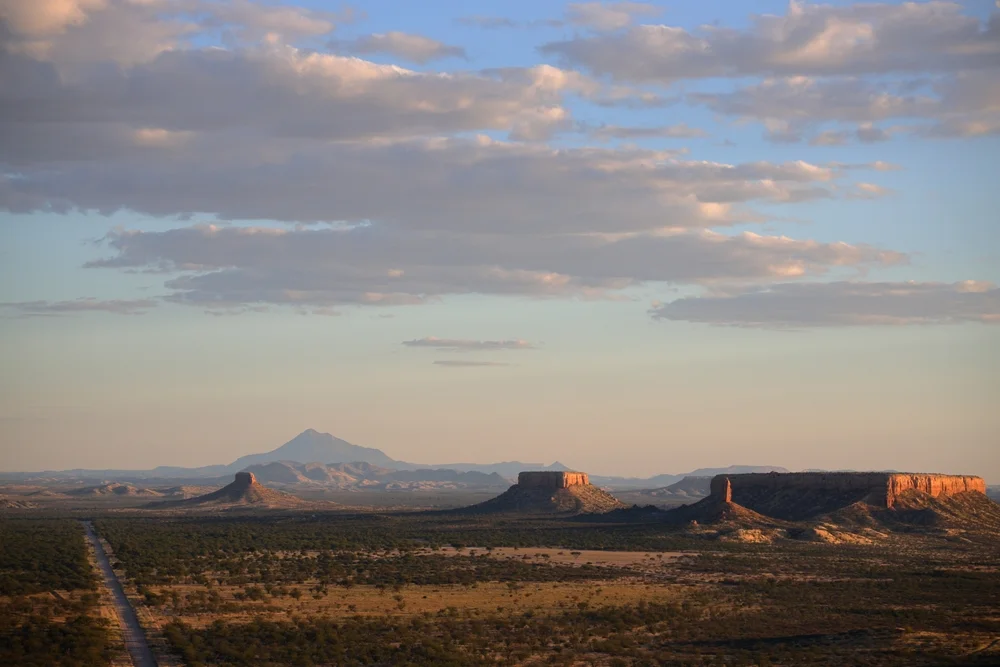
Set in the vast landscapes of Damaraland, near the Brandberg Mountain and Ugab River, the course blends focused teaching, practical workshops, and expedition-style scenarios to develop your clinical decision-making, leadership, and communication skills under pressure. The region’s unique combination of open desert, rugged terrain, and diverse wildlife creates a dynamic and unpredictable environment for learning.
You’ll move beyond traditional learning and into realistic expedition situations, gaining the confidence to assess risk, manage casualties, and support team performance in one of the world’s most challenging environments.
Please note: Due to ongoing regional circumstances and to ensure the safe delivery of the course, this course has been relocated and will now take place in Namibia, allowing us to maintain the same high standard of training in a world-class desert environment.
Your Teaching Faculty

Course Content
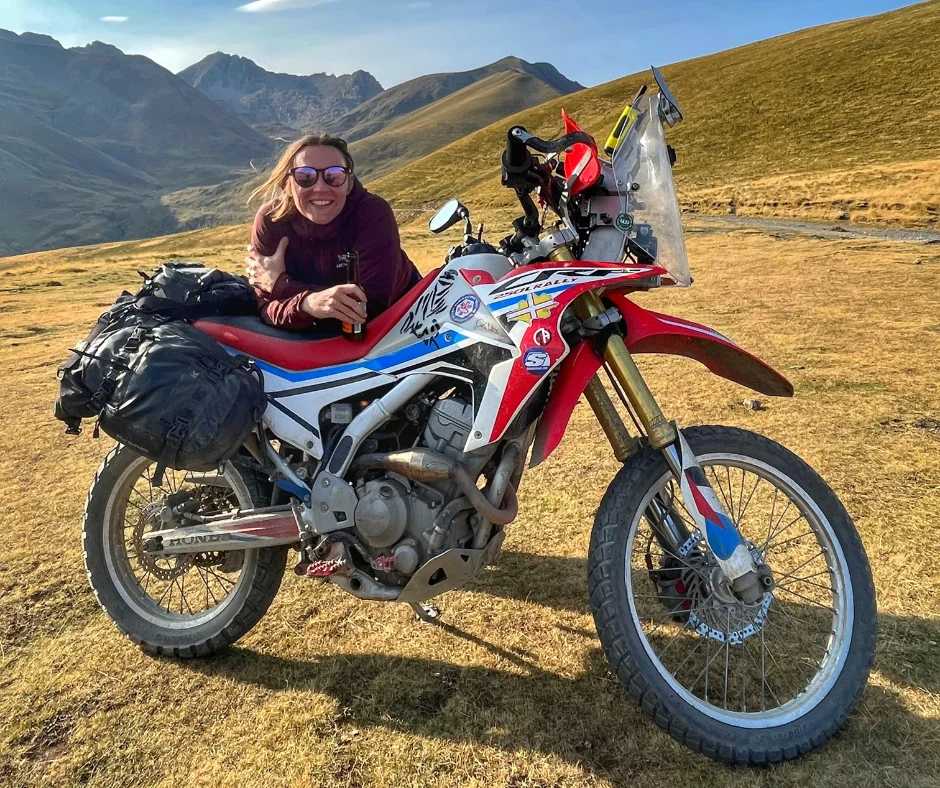
Natasha

Great faculty, experience and team.
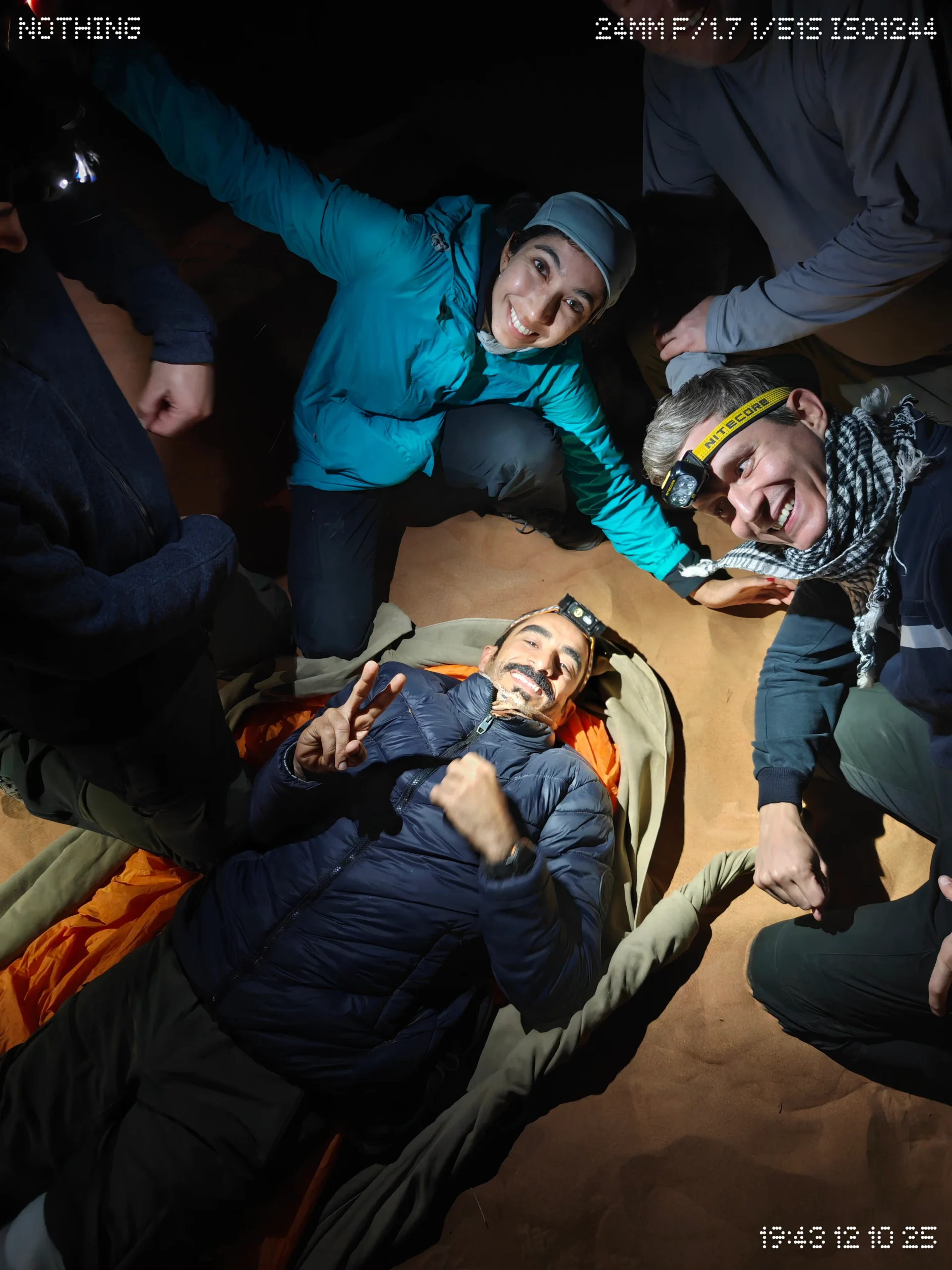
Matthew
Honestly, I had a great time. A really great group, led by an excellent bunch of facilitators. Would absolutely recommend!
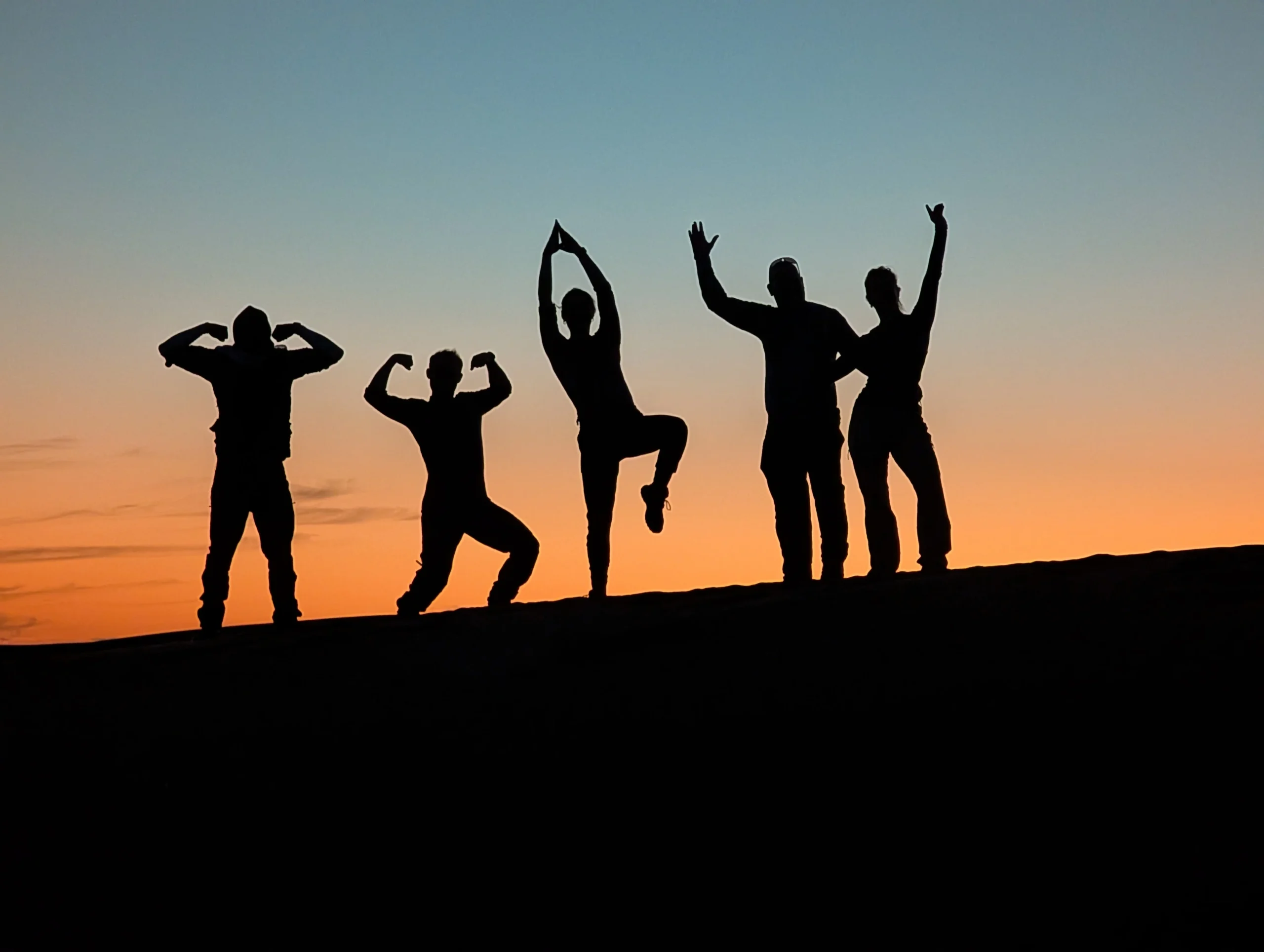
Molly
Fantastic faculty. Knowledgeable in all aspects of the desert environment. Amazing friends made and fantastic staff and hospitality at outward bound oman
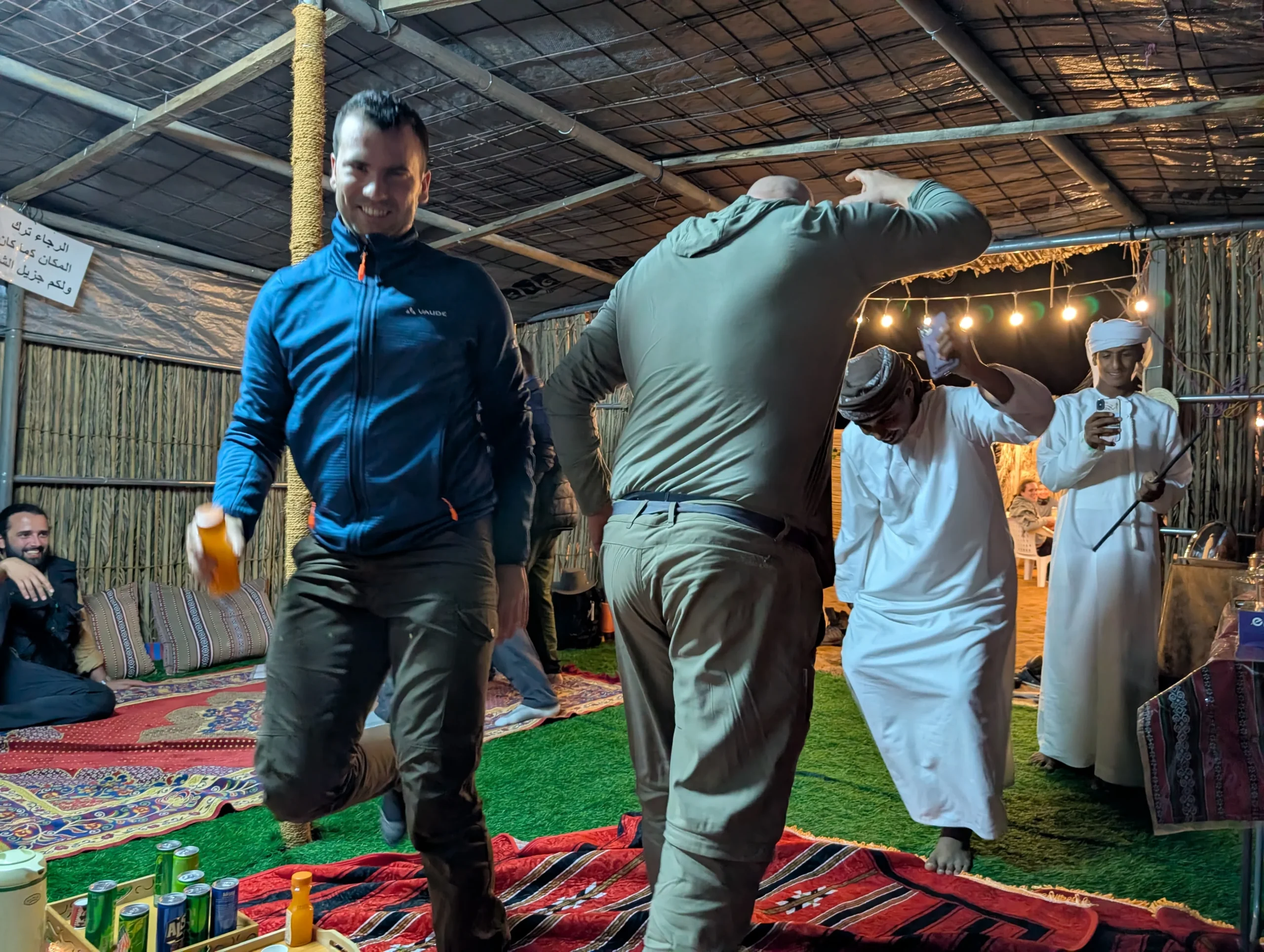
Adam
Just another big thank you to the local staff that supported the entire activity we’re brilliant and the course staff are equally awesome people and highly proficient.
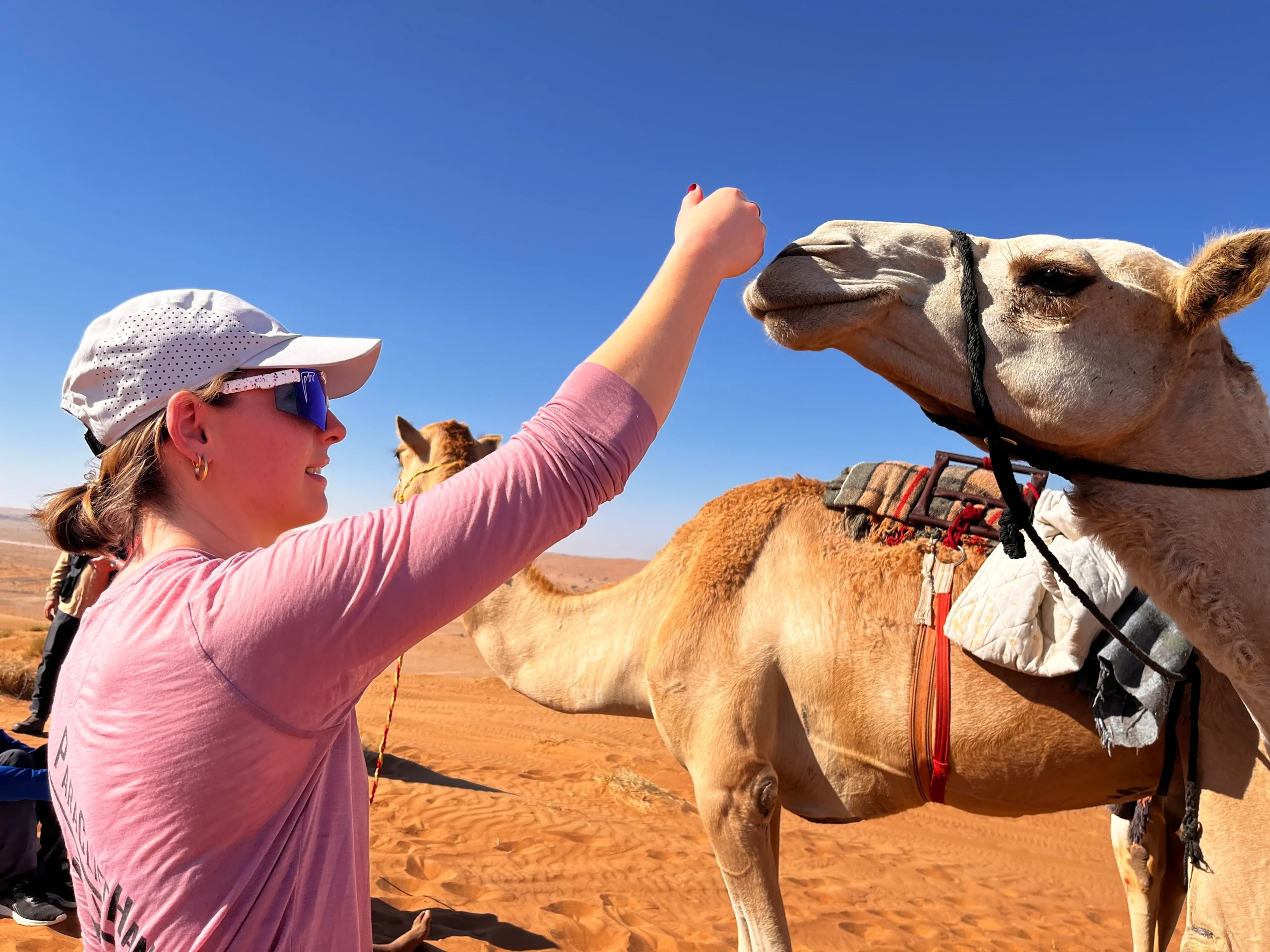
What's Included?
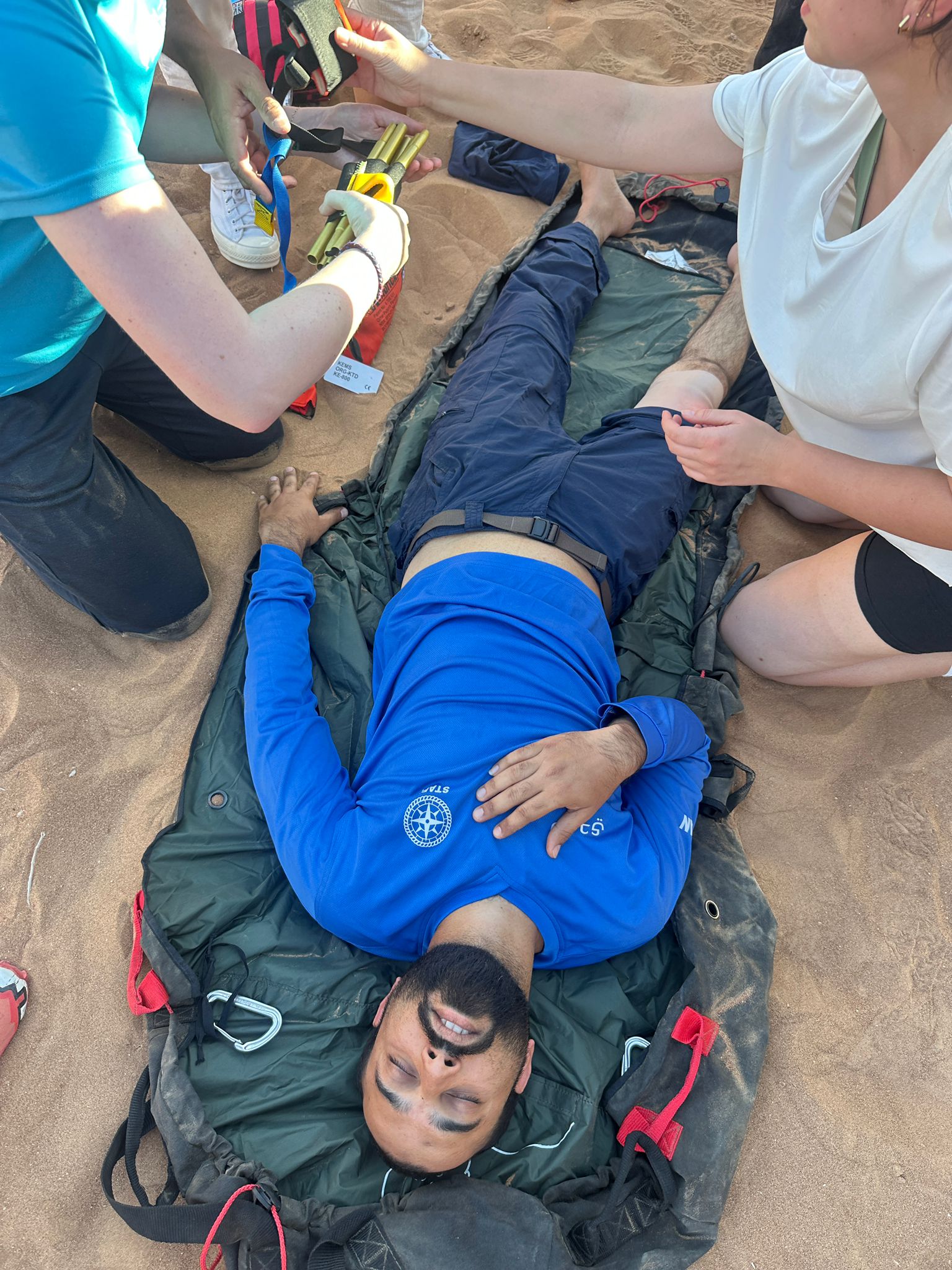
Field-Based Training & Practical Workshops
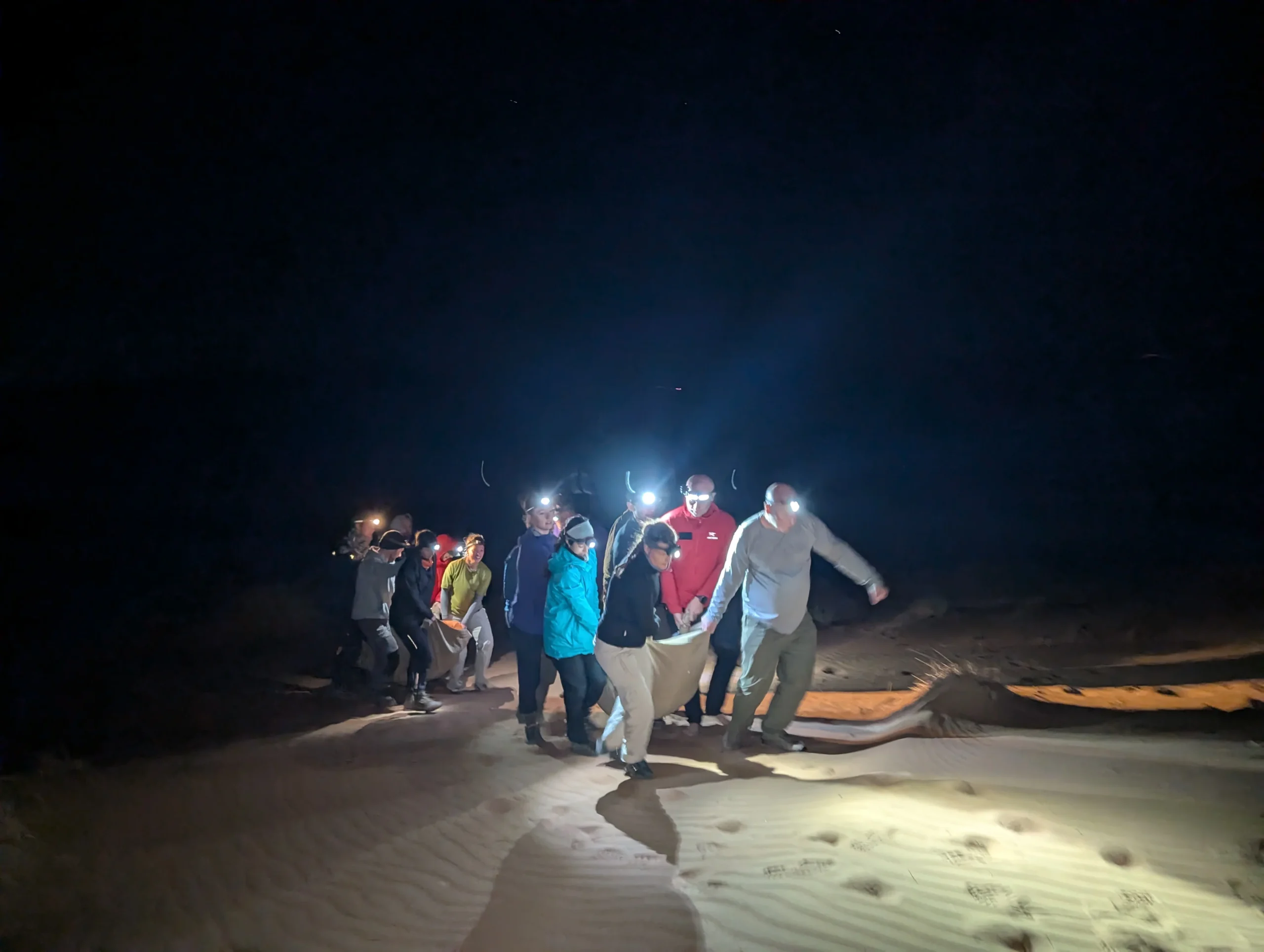
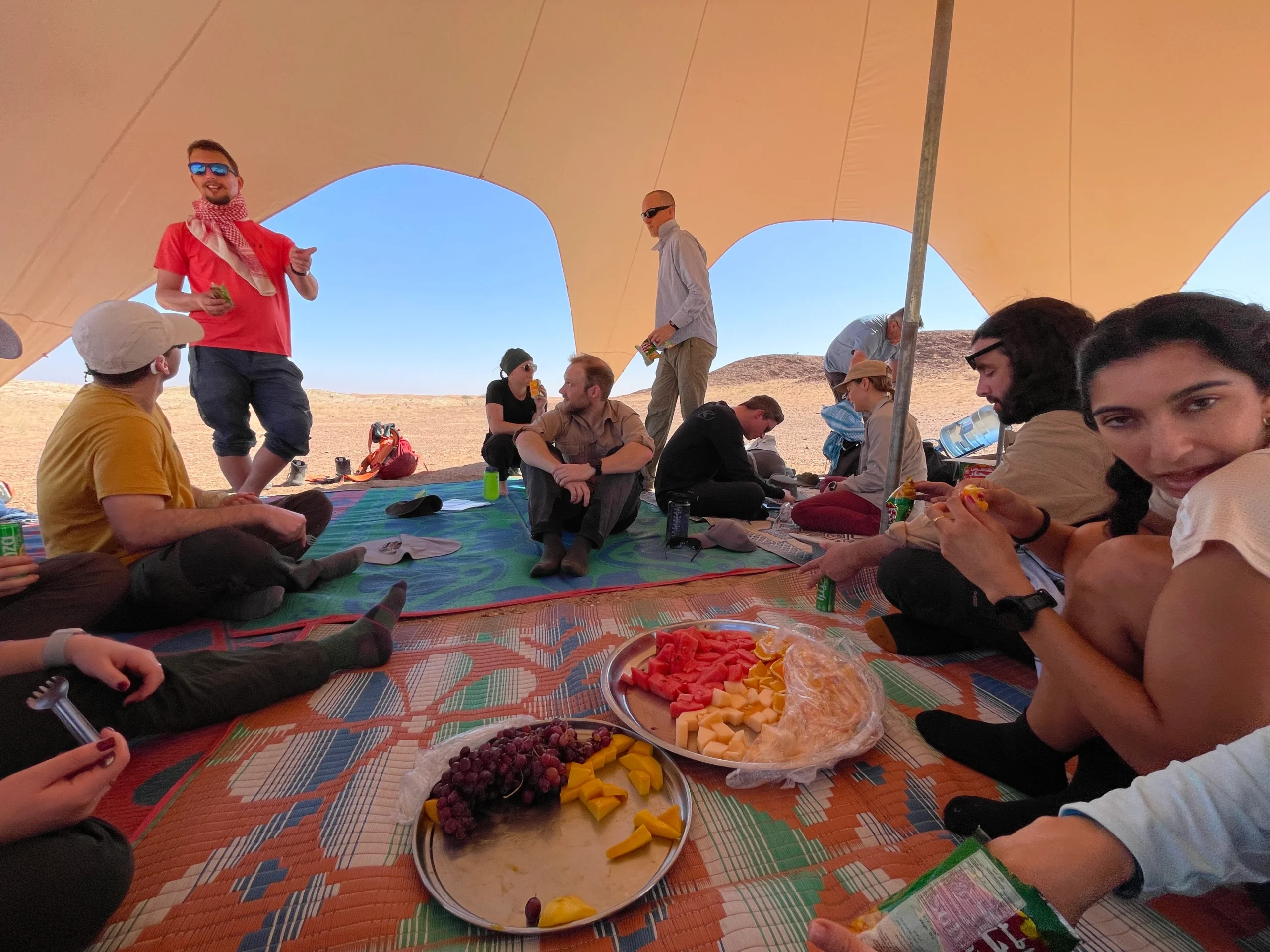
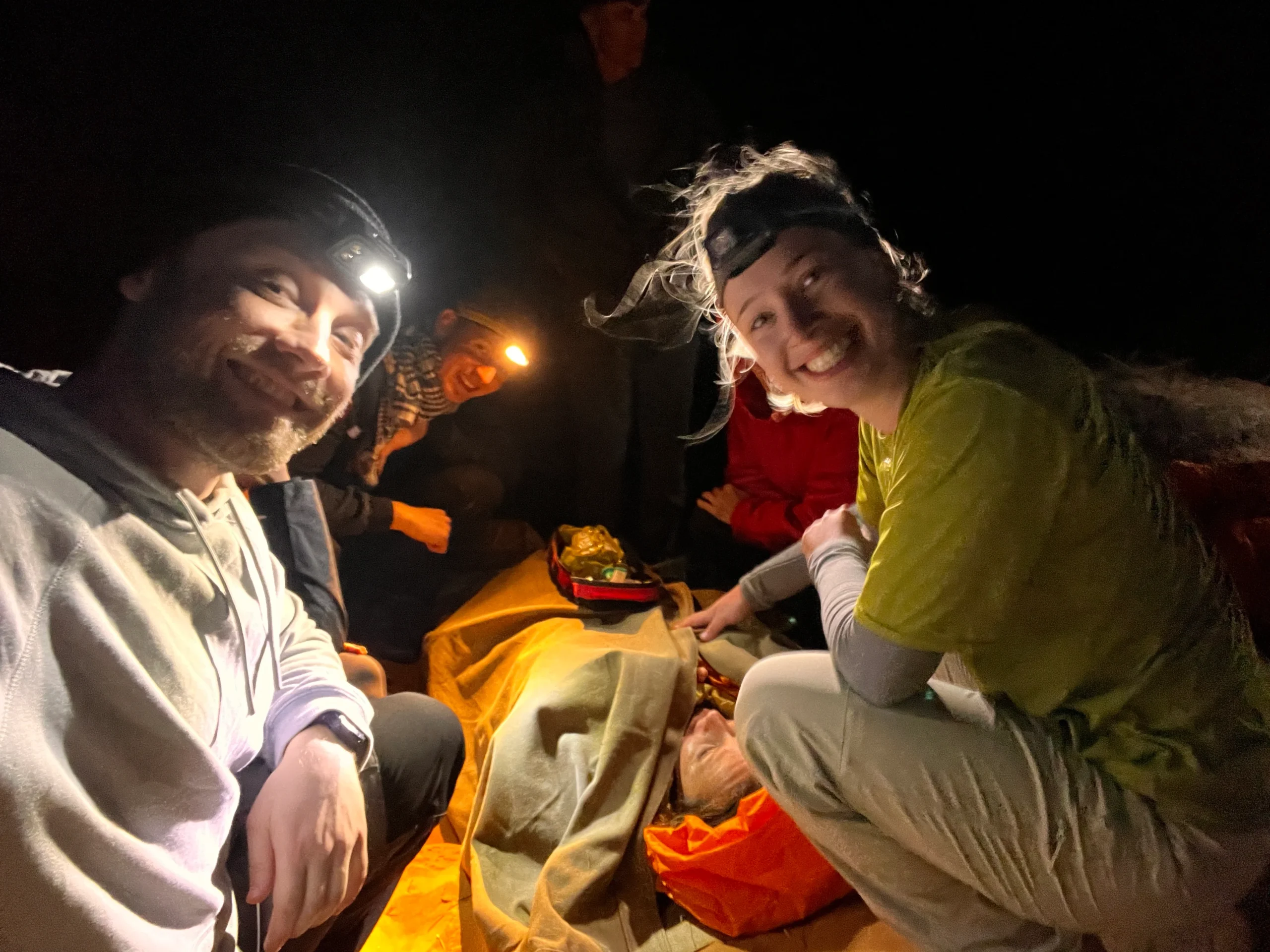
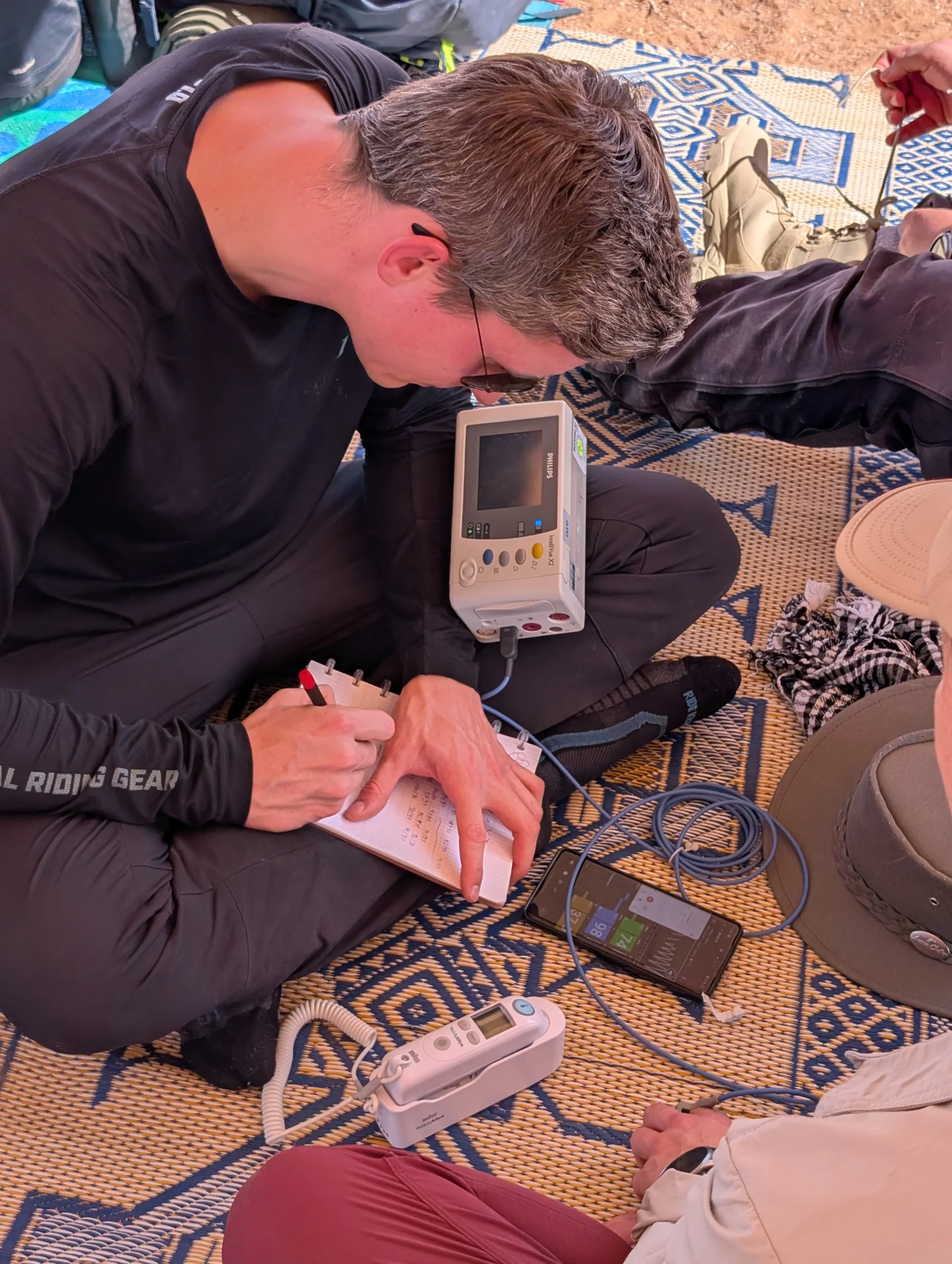
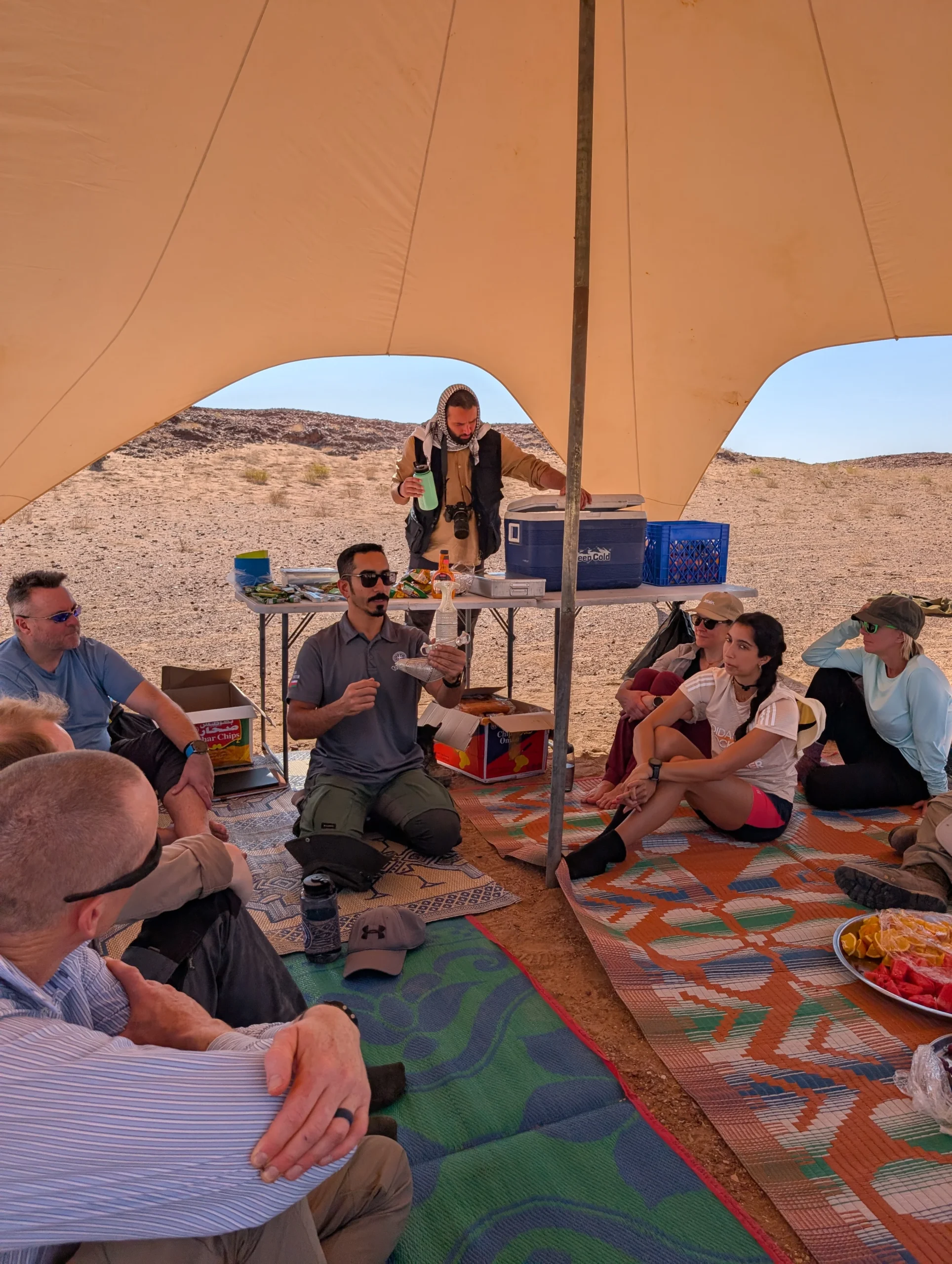
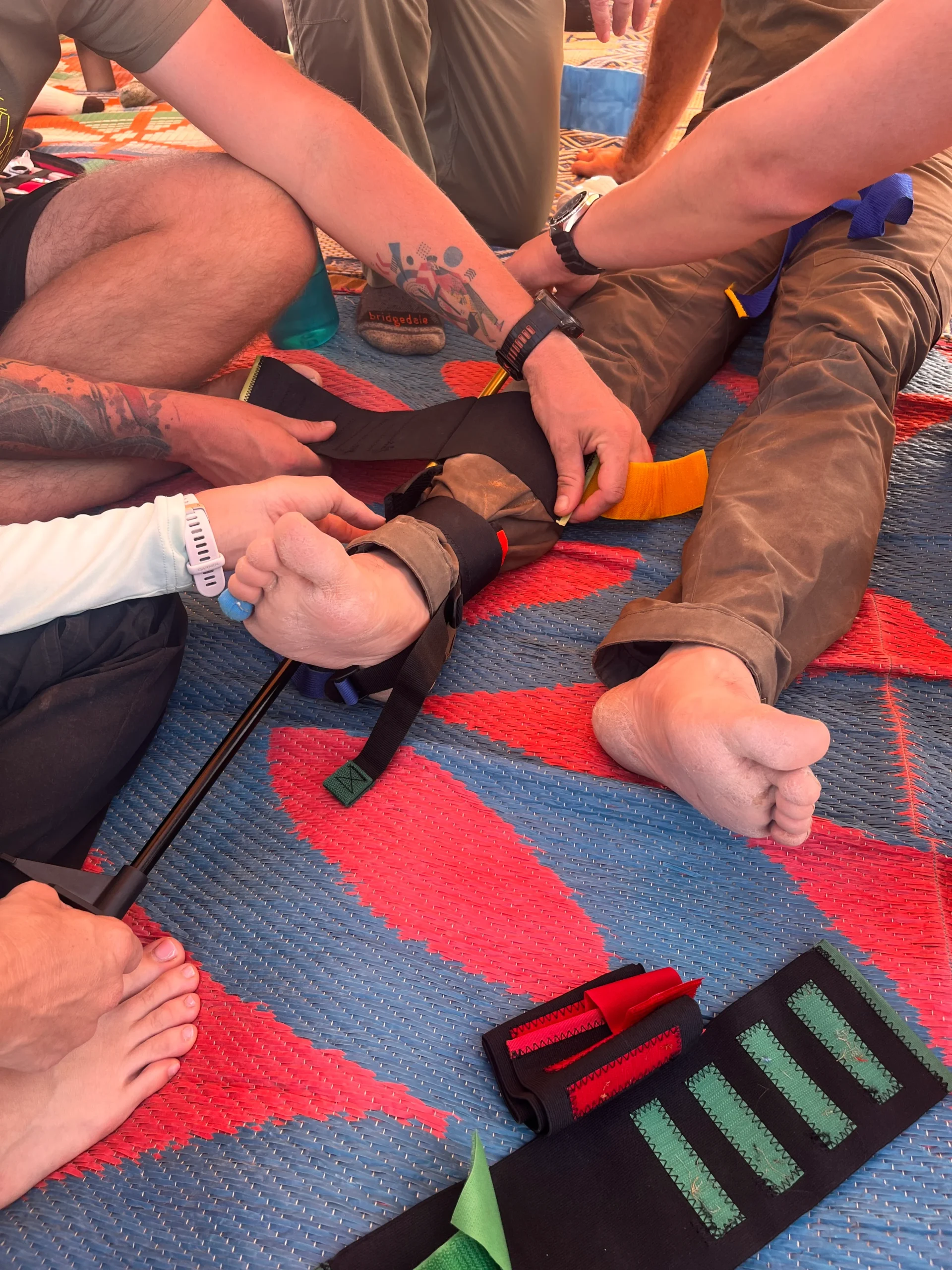
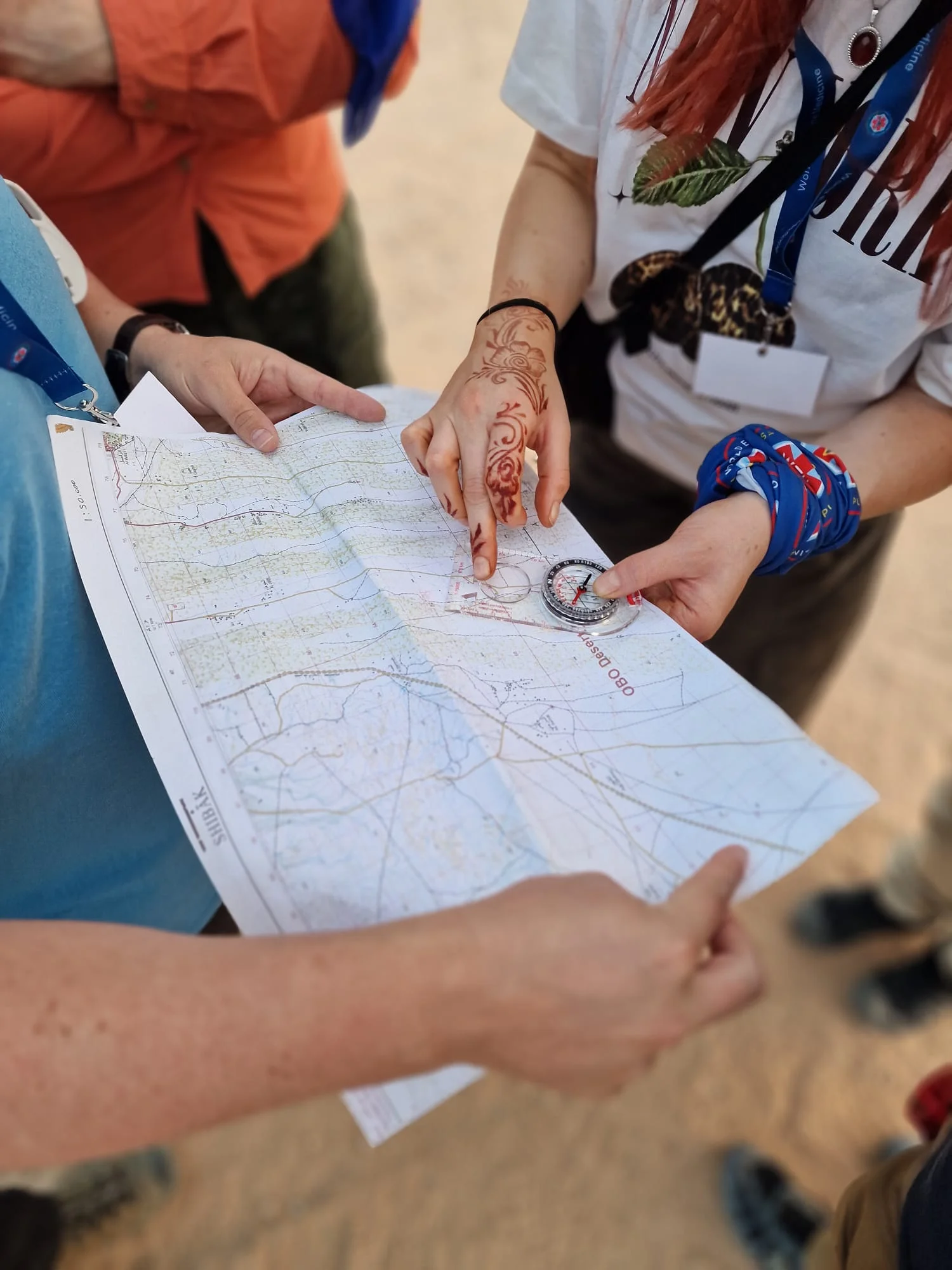
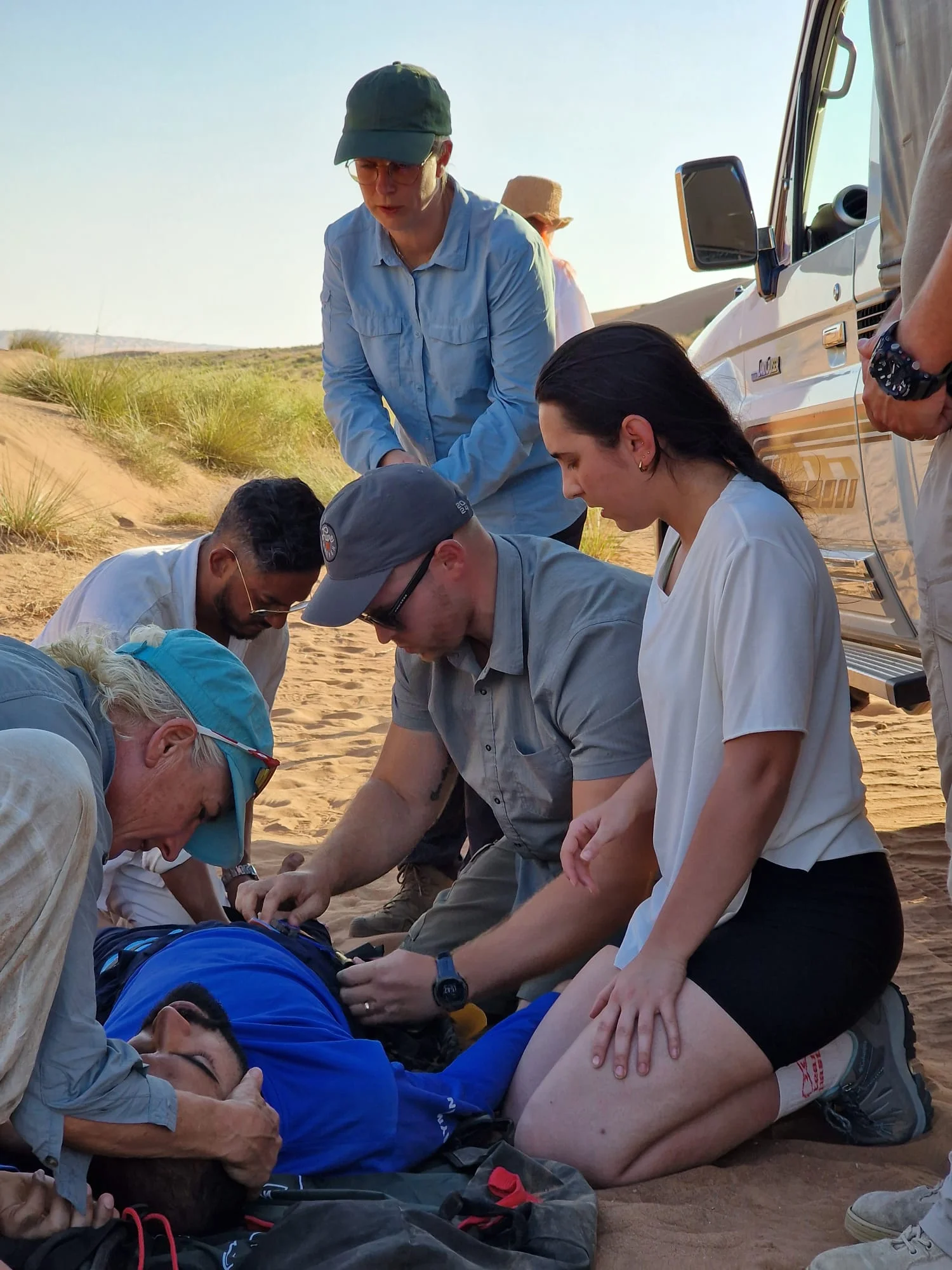
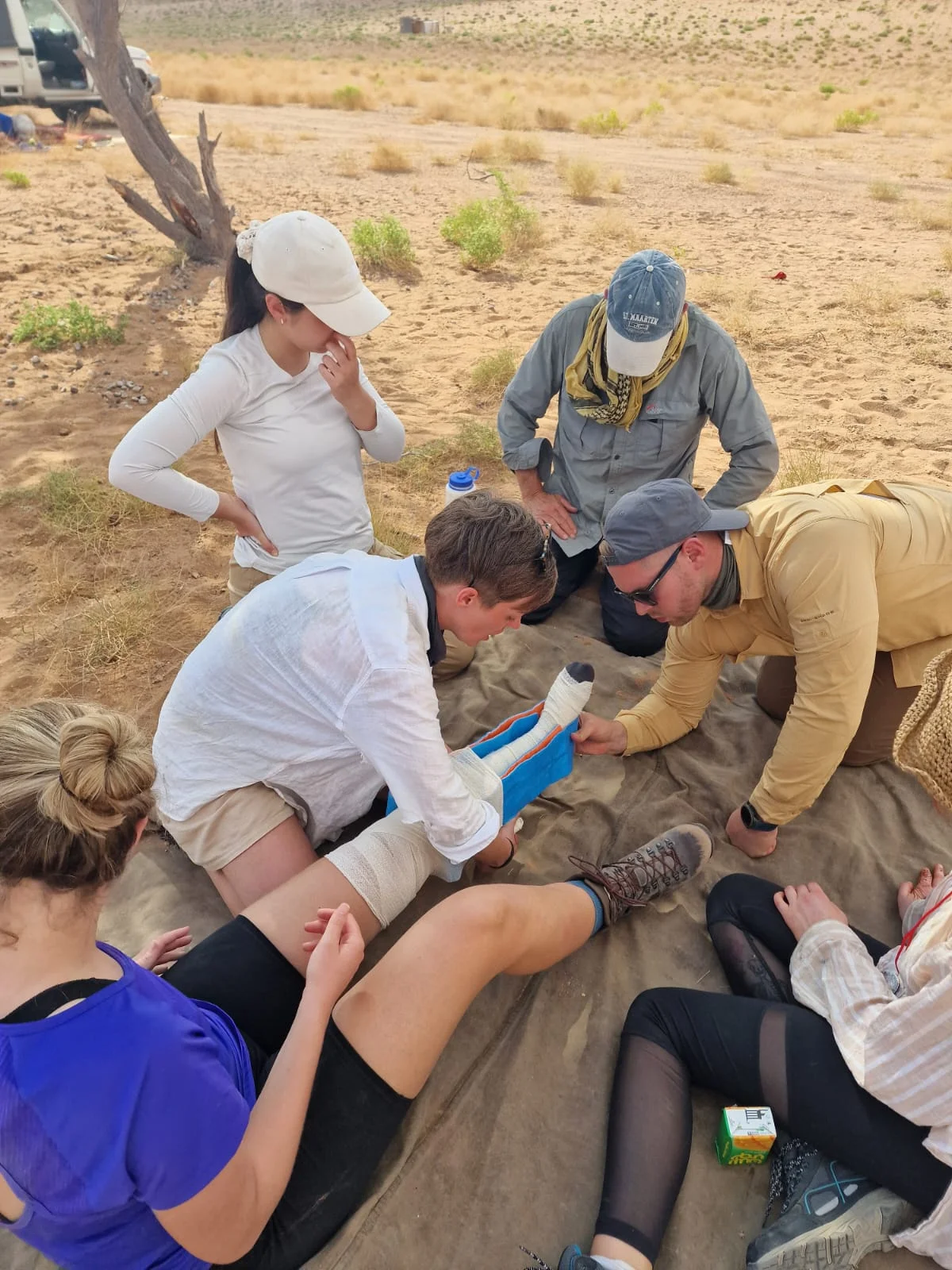
Teaching is delivered through hands-on workshops, group activities, and realistic outdoor scenarios designed to reflect the challenges of desert medicine and expedition travel.
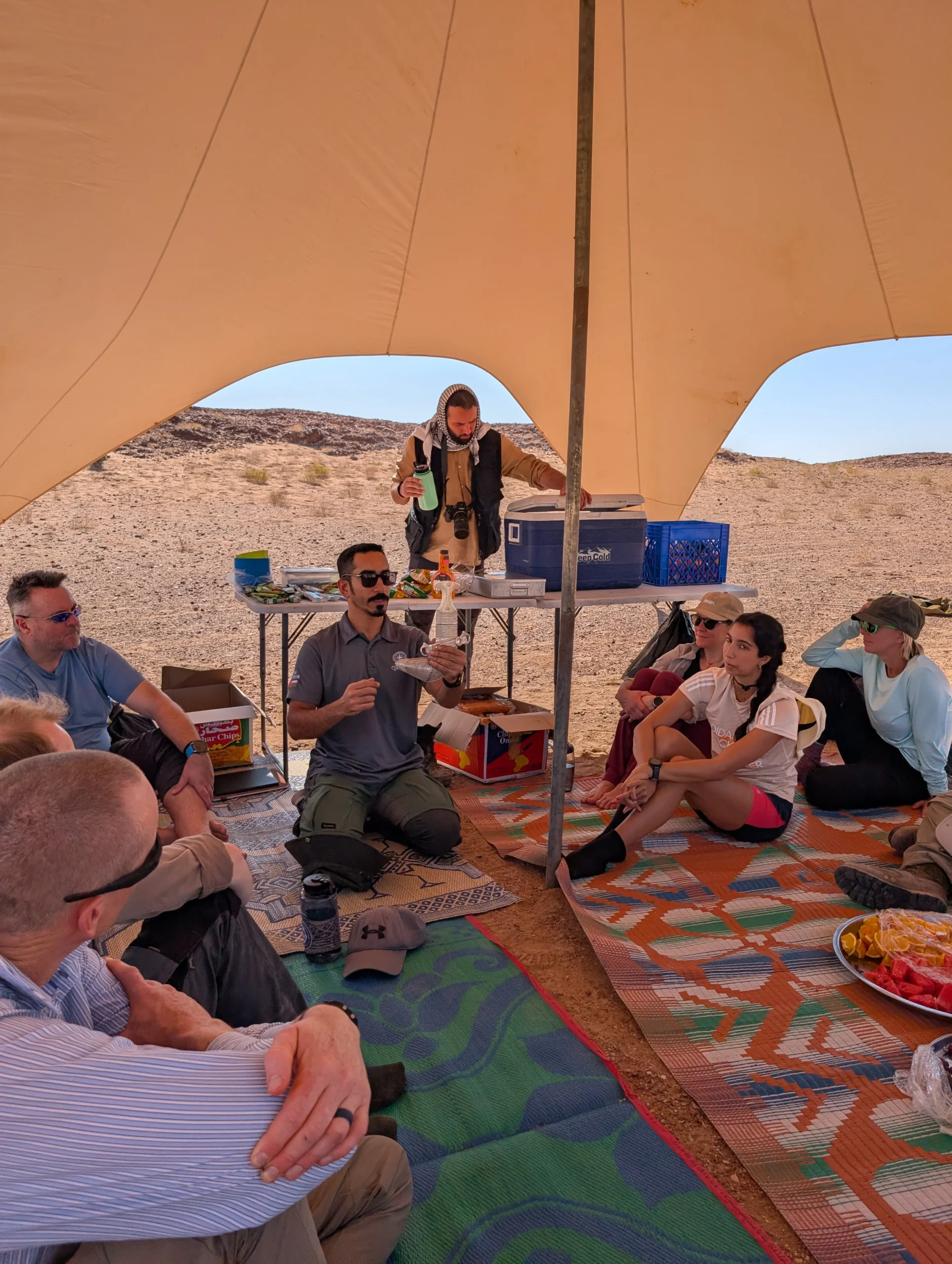
Expert Faculty & Instruction
You’ll be taught by experienced medical professionals and expedition leaders with extensive desert and remote medicine experience, supported by local experts.
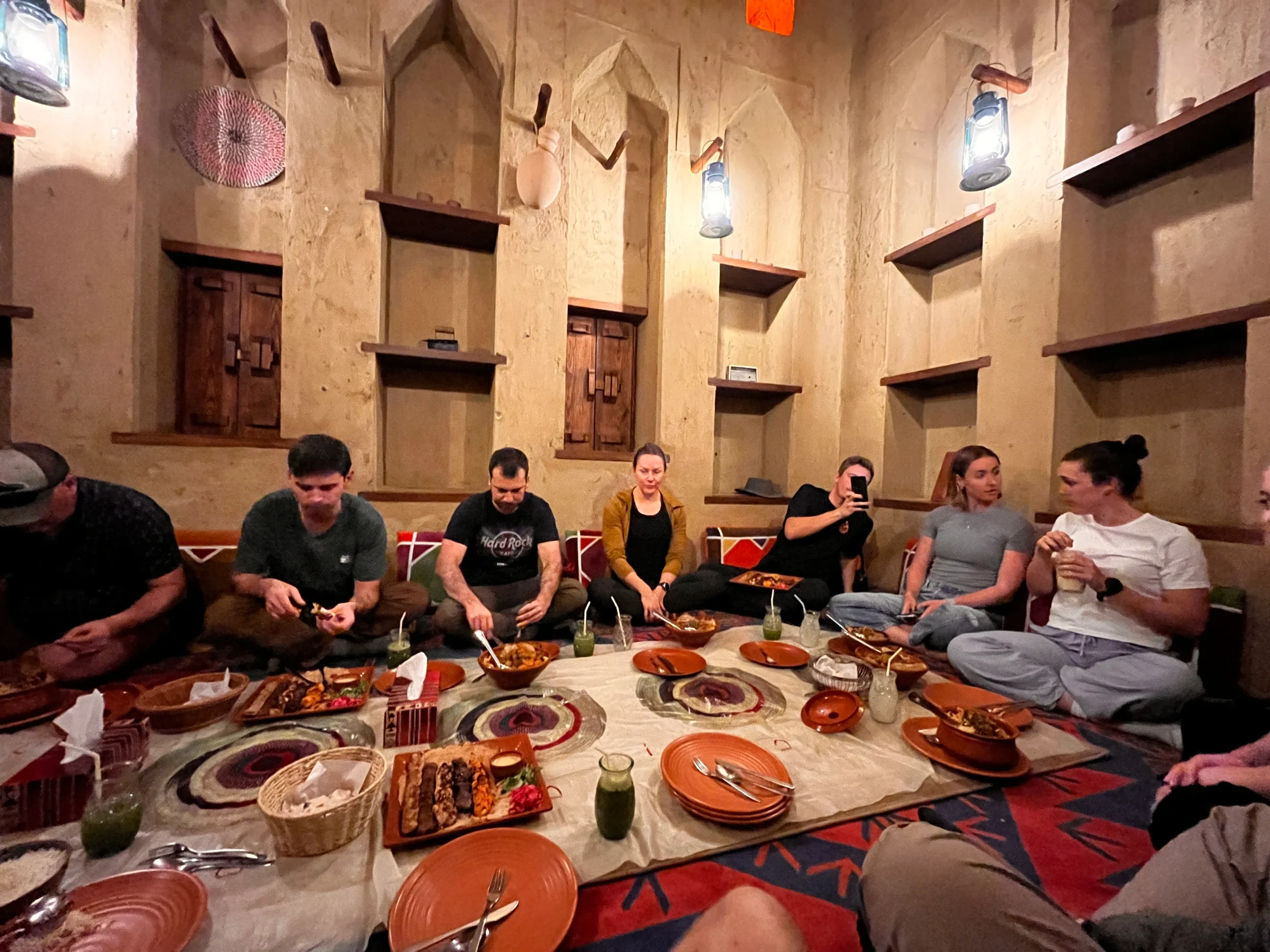
Accommodation, Meals & Course Support
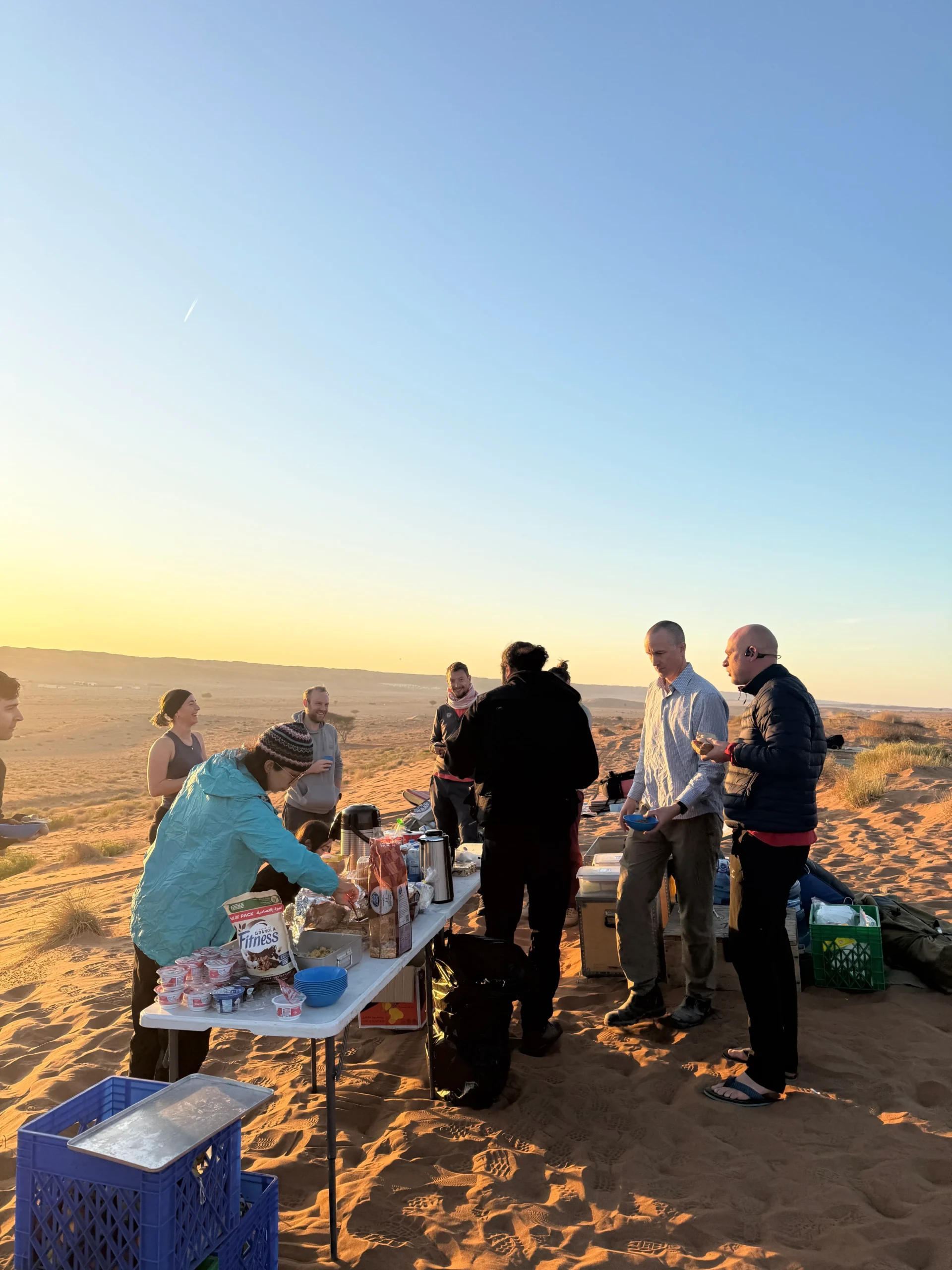
Your course fee includes accommodation and meals from the start of the course through to after breakfast on the final day, allowing you to focus fully on learning and participation.
Please note that travel costs, travel insurance, and personal equipment are not included in your course fee.
CPD & Course Certification
This course has been awarded 30 CPD hours by RCSEd.
On completion, you’ll receive a certificate of attendance recognising your training in desert medicine.
Book Now






GBP £2,999.00
Frequently Asked Questions
Is this course right for me?
This course is designed for healthcare professionals and students who want to apply their clinical skills in expedition and desert settings. It’s particularly suited to those interested in expedition, adventure, humanitarian, or remote medicine. The course focuses on clinical decision-making, teamwork, and operating safely in challenging desert environments.
It is recommended that participants have attended our Expedition & Wilderness Medicine Course, as Desert Medicine builds on key concepts and applies them to this environment.
Do I need previous expedition or wilderness medicine training?
Desert Medicine is an advanced environment course and it is recommended that participants have completed our Expedition & Wilderness Medicine Course first. If you’re unsure whether this course is the right fit, we recommend using the Course Fit Checker or booking a discovery call.
What level of fitness is required?
You don’t need to be an elite athlete, but a good level of general fitness will help you get the most from the course. You should be comfortable spending extended periods outdoors in hot conditions and moving over uneven terrain. Physical preparedness will allow you to focus on learning rather than fatigue.
What course content is covered?
This Desert Medicine course covers the medical, environmental, logistical, and human factors considerations of working in desert environments.
Content includes:
- Introduction to Desert Medicine
- Essential Desert Kit
- Medical Kits for the Desert
- Public Health
- Food, Water and Sanitation in the Desert
- Navigation
- Heat Related Illness
- Communications
- Leadership
- Managing Trauma in the Desert
- Fracture Management
- Vehicle Incidents
- Primary & Secondary Survey
- Pain Management
- Water Treatment and Hydration
- Managing Life Threatening Emergencies
- Endemic Desert Diseases
- Envenomation
- Wound Management
- Temporary Stretchers
- Medical Scenarios
Teaching is delivered through a mix of lectures, practical workshops, and scenario-based learning.
What kit do I need to bring?
Please follow the kit list and bring adequate kit. Desert environments require careful preparation and poor kit can impact your safety and participation.
You should be prepared for hot days, wind, and blowing sand. Suitable footwear, sun protection, and a robust hydration system are essential.
As a minimum we recommend you bring:
- Rucksack – 45-60l
- Sleeping bag (2 season recommended) with liner
- Mosquito net (optional)
- Lightweight trekking boots / shoes
- Trekking socks and underwear
- Closed-toe shoes to wear around camp if desired. We advise against flip flops or sandals due to the risk of scorpion stings/snake bites.
- Lightweight long-sleeved t-shirt / shirt
- Wicking t-shirts
- Lightweight trekking trousers
- Fleece for evenings
- Wide brimmed sun hat and/or scarf for sun protection]
- Buff
- LED Headtorch & spare batteries
- Compass
- Safety / emergency whistle
- Water bottles or bladder – 3l or more
- Plastic bags / dry bags
- Sun glasses – wrap around are best at keeping sand out
- Ski goggles – in case of high winds
- Sun protection SPF50 advised
- Personal toiletries, inc. hand sanitiser
- Towel
- Personal first aid kit, comprising: Painkillers (avoiding those that include aspirin), Ibuprofen or other anti-inflammatory (not for asthmatics), Imodium, Antiseptic wipes, Plasters, Gauze pads, Crepe bandage, Zinc oxide tape, Adhesive tape, Moleskin and/or Compeed for blister treatment, Dehydration mix such as Dioralyte, Small tub of Vaseline, Tweezers, Scissors, Safety pins
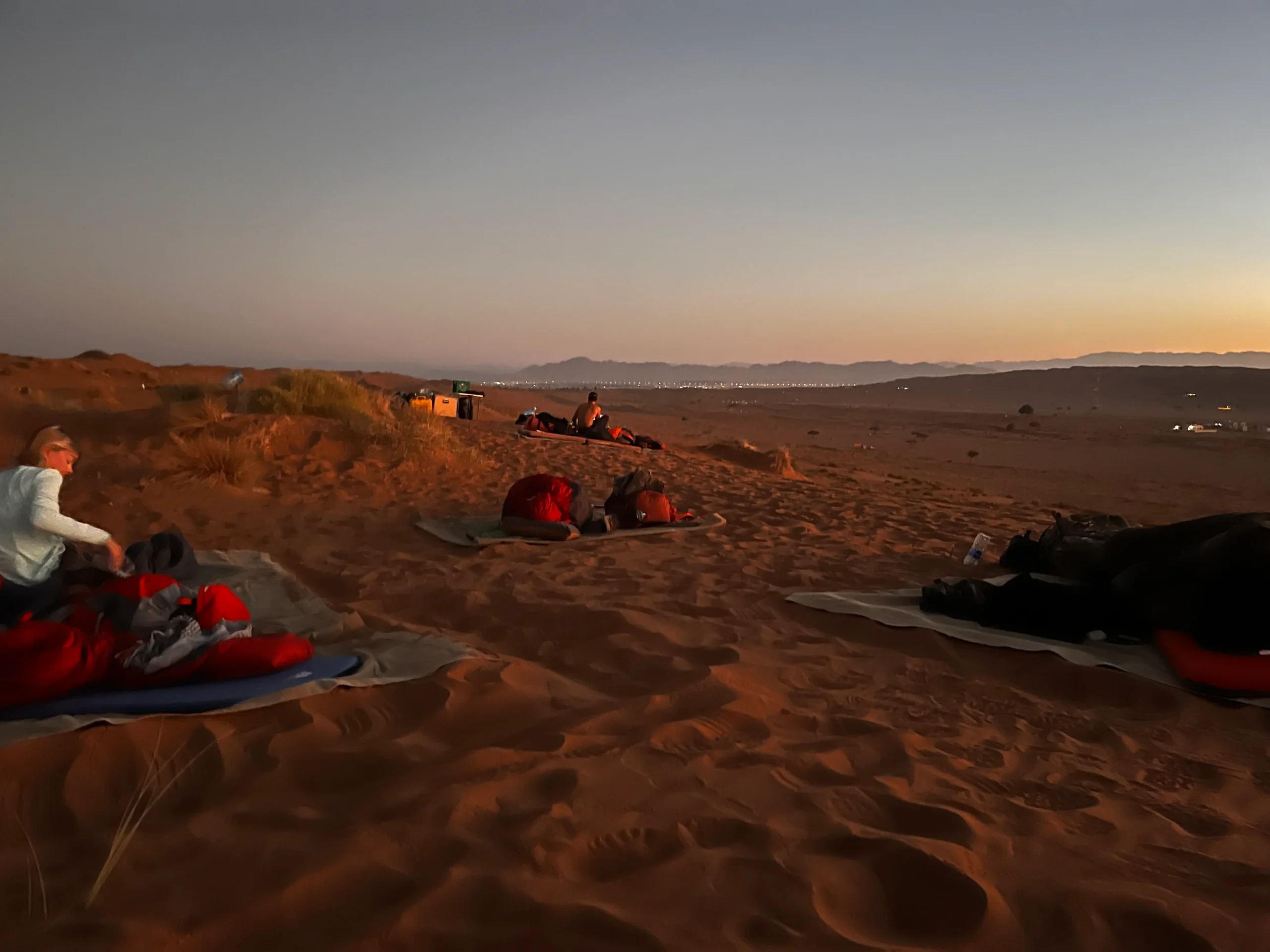
Please note that our in-country partner will provide a mat for you to sleep on, but you will still need to bring a sleeping bag.
Important: Never leave kit preparation until the last minute. Preparing well in advance will help you stay comfortable, safe, and focused on learning throughout the course.
What are the conditions like?
December is generally hot and dry in Damaraland. You’ll be guided throughout the course on how to manage yourself, your kit, and patients safely in changing desert conditions.
Do I need travel insurance to attend?
Yes. Comprehensive travel and medical insurance is mandatory, including cover for outdoor activities. Travel insurance is absolutely essential and therefore, for your safety and security, we reserve the right to refuse access to the expedition until we have details of adequate insurance cover provided to us.
What support is available before the course starts?
Ahead of the course, you’ll receive access to a WhatsApp group where you can ask questions, share travel plans, and connect with fellow participants and faculty. Joining instructions and optional pre-course resources are also provided.
I have another question
If you wish to learn more or have any additional questions, we invite you to book a 20-minute discovery call with our team.
→ Click here to book a discovery call.
The call will be with the team who organise our courses and work closely with our medical teaching faculty. They’re best placed to explain what our attendees really get out of attending a course with us.
You can choose between a video or voice call — whatever suits you best.
Register for a time that works for you, and we look forward to speaking with you soon.
Prefer email? Then feel free to contact us.
Your Safety
The comprehensive curriculum and field scenarios are carefully designed to push your limits while mitigating risks.
We take every precaution to keep participants safe by:
- Rigorous gear checks before all expedition days
- Mandatory evacuation insurance policies
- Close coordination with local emergency responders
You may also like…