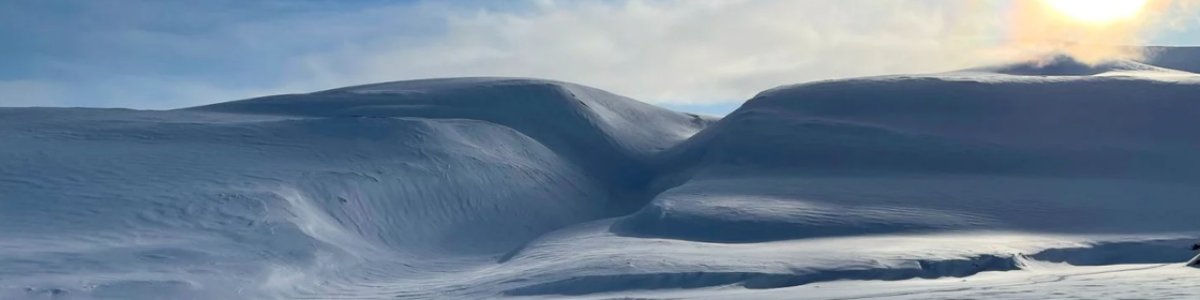
There are bucket list trips… And then there is Svalbard.
An Arctic archipelago sitting roughly halfway between mainland Norway and the North Pole, where glaciers dominate the landscape, polar weather dictates the schedule, and “remote” becomes a daily reality rather than a concept.
It’s also home to the Svalbard Global Seed Vault, built deep into the permafrost outside Longyearbyen as a safeguard for the world’s crop diversity. The vault exists here for a reason. This is one of the most stable and extreme environments on Earth.
And in April, something unusual happens.
The midnight sun returns, meaning daylight stretches across the full 24 hours. Time starts to blur slightly. Movement, decision-making and travel happen against a constant Arctic backdrop.
For explorers, scientists, and expedition teams, Svalbard has long been a place that tests both preparation and judgement.
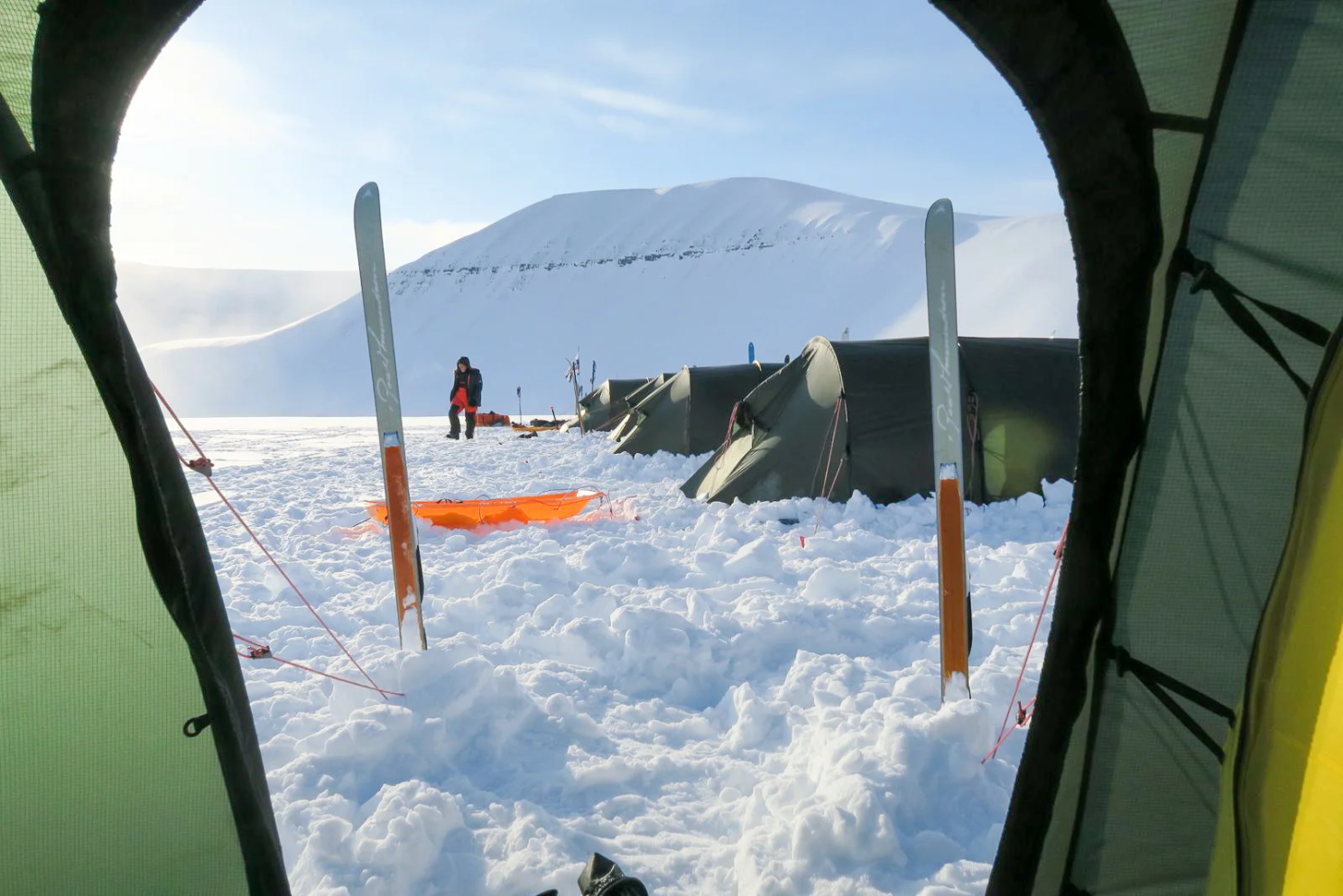
The reality of operating in the Arctic
The challenge of Svalbard is not just the cold (although it is really cold), It is the combination of environment, isolation, and delayed evacuation. Small problems escalate quickly. Equipment behaves differently. Weather can shift within hours.
In places like this, the clinical question changes from:
“What would I normally do in a hospital setting?”
to something much more practical:
“What can I safely do here, with the resources available, and the risks involved?”
That shift in thinking is what makes polar environments such powerful learning spaces for clinicians and expedition teams.
The scenery is unforgettable, but the real lessons come from how quickly the environment starts influencing every decision.
What polar medicine actually teaches
On paper, polar medicine sounds like a niche field, but in reality: it is a masterclass in adaptability.
Cold environments influence everything: physiology, communication, logistics, team dynamics, and patient management. Hypothermia and frostbite are only part of the picture.
Understanding shelter systems, clothing strategies, expedition planning, and human factors becomes just as important as clinical knowledge.
This is the context behind the Svalbard Polar Medicine Expedition, where learning happens as part of a real Arctic journey.
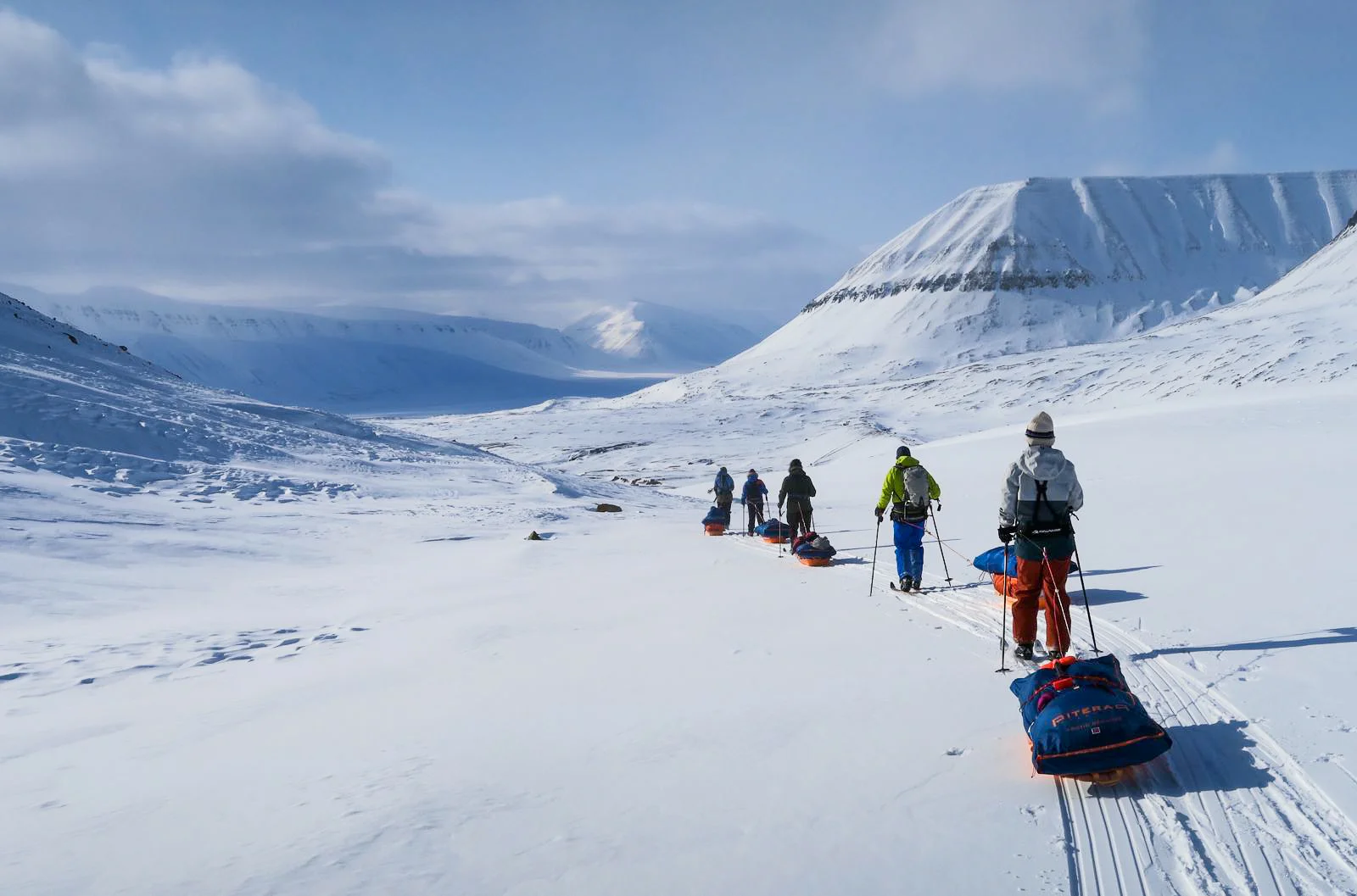
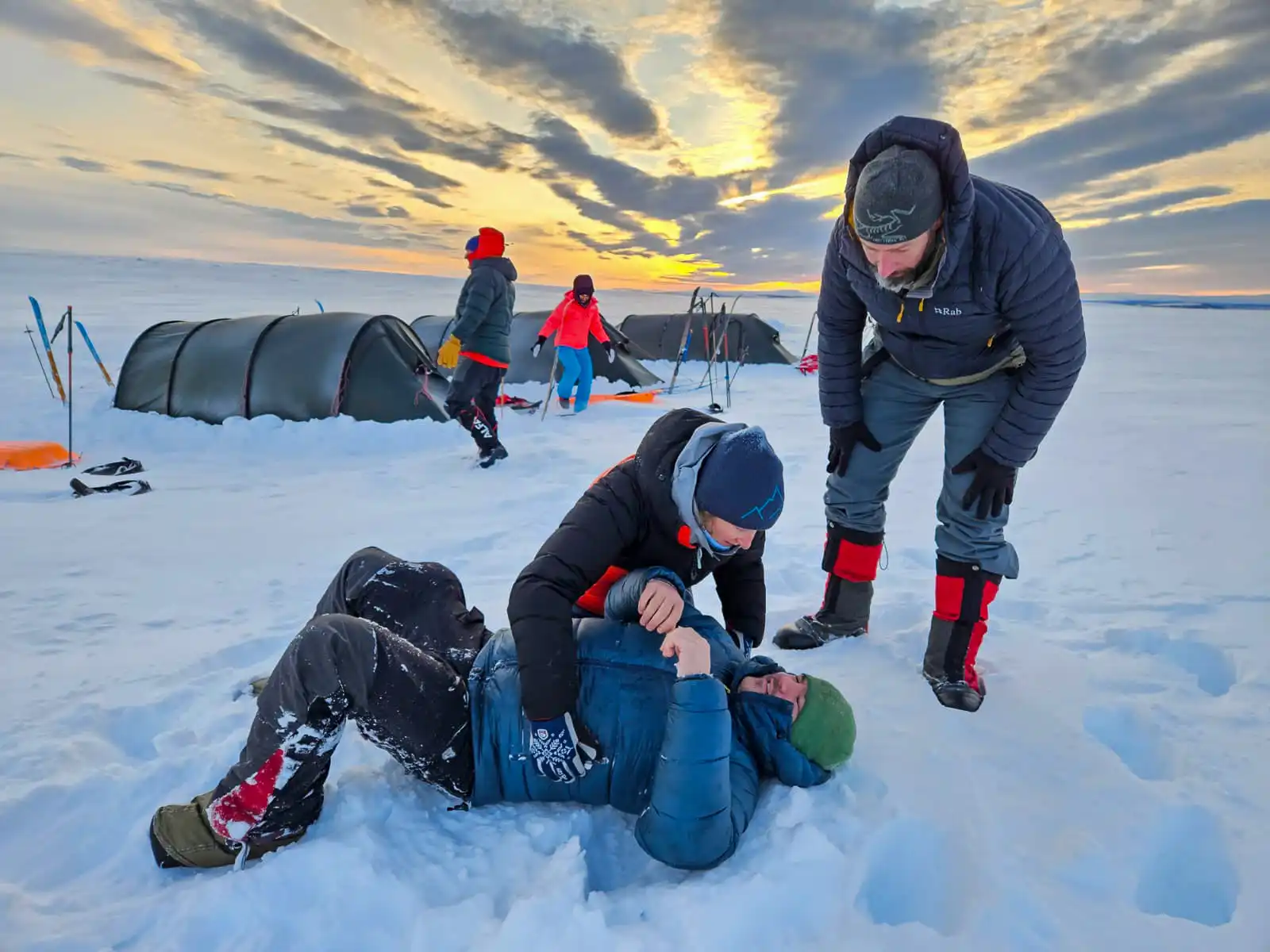
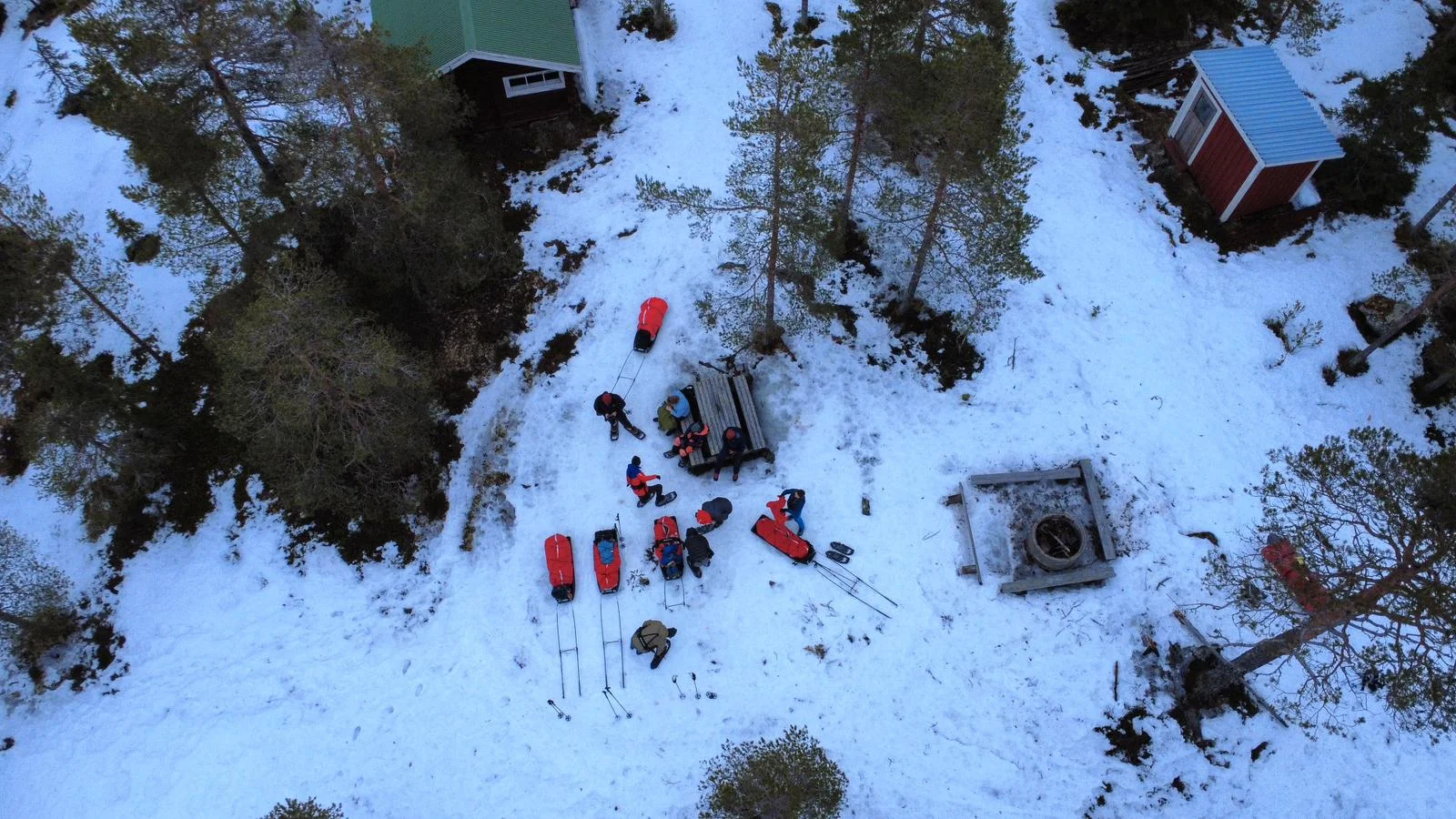
Participants travel on skis across polar terrain, live in expedition tents, and develop their skills through field scenarios and practical teaching delivered by World Extreme Medicine faculty and experienced polar guides.
Rather than learning about expedition medicine in theory, participants experience how decision-making changes when the environment becomes part of the equation.
Why we’re returning to Svalbard
After last year’s expedition, one thing became very clear.
People are looking for learning experiences that combine professional development with genuine exploration.
The feedback from the previous expedition reflected that balance between challenge, learning, and environment.
A few comments from participants stood out:
“Life changing.” — Emile
“Learning to get comfortable in the environment.” — Daniel
“The support of the guides and the simulations were fantastic.” — Will
“I now feel incredibly lucky and privileged to have been part of the experience.” — Carole
Another participant summed it up simply:
“Such a cool trip. Loved every minute.”
Beyond the clinical teaching, participants repeatedly highlighted the same lesson:
Learning how to live and operate safely in polar conditions.
Because expedition medicine is never just about medicine. It is about understanding the environment, the team, and the systems that keep everyone safe.
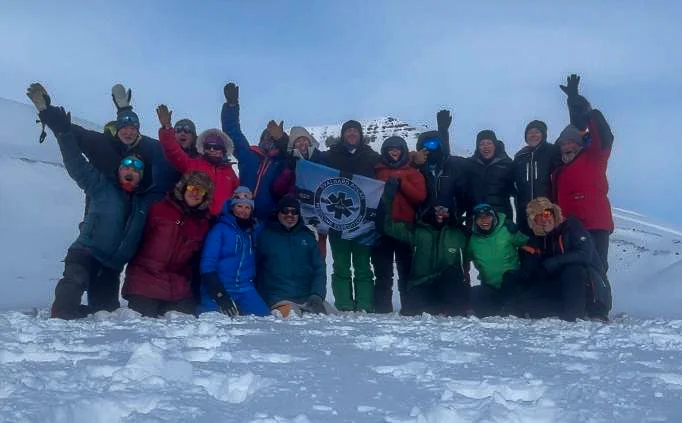
Tick Svalbard off your bucket list this year
Svalbard Polar Medicine Expedition 2026 22nd – 29th April 2026 Svalbard, Norway
The expedition includes:
- Field-based Arctic expedition training
- Teaching from experienced polar guides and World Extreme Medicine faculty
- Accommodation, meals during the expedition, skis, boots, poles, tents, and shared expedition equipment
- 19.5 CPD hours awarded by the Royal College of Surgeons of Edinburgh
For many adventurers experiences like this sit quietly on a personal list somewhere.
The idea of combining medicine, expedition travel, and the Arctic environment.
If Svalbard has been one of those “one day” ideas, well… this expedition offers a way to turn it into something real.