As more clinicians step beyond traditional healthcare environments and into expedition work, remote medicine, and event-based care, the ability to adapt clinical practice to unpredictable and resource-limited settings is becoming increasingly valuable.
Ocean and maritime environments represent one of the most demanding of these settings, not because the medicine itself changes entirely, but because the environment continuously shapes how that medicine is delivered.
At sea, stability is removed, space is restricted, communication is affected, and access to support is often delayed. These factors combine to create a context where clinical decisions must be made differently, often with incomplete information and under evolving environmental pressures.
This is where ocean medicine training becomes critical.
The Ocean Medicine Course in Brixham has been designed to help healthcare professionals bridge the gap between clinical knowledge and real-world application, equipping them with the skills, judgement, and confidence required to operate effectively in maritime environments.
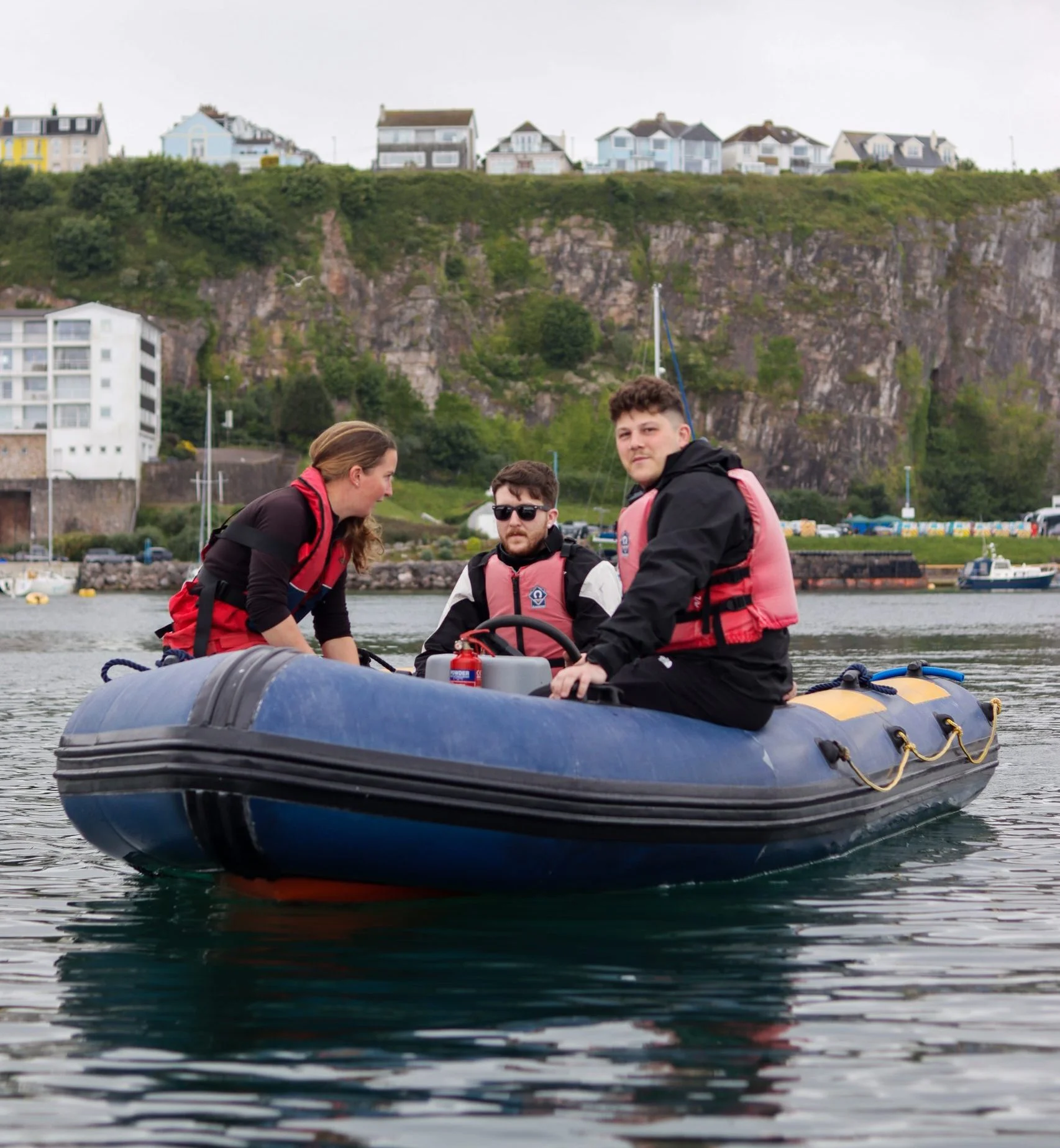
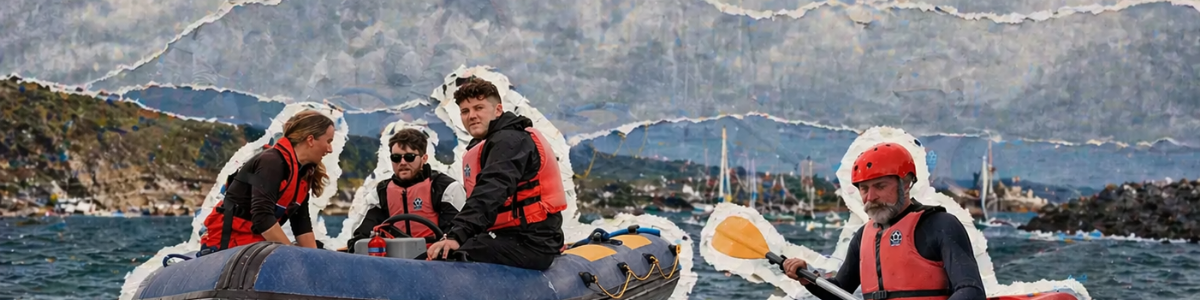
Set within a working harbour on the South Devon coast, the course blends structured teaching with practical workshops and on-water scenarios, allowing participants to experience how environmental factors influence patient care, team dynamics, and operational decision-making.
At its core, the course is built around applied learning outcomes that focus on adaptability, situational awareness, and the ability to deliver care when conditions are less than ideal.
To support applied learning, the course covers a range of interconnected modules, each grounded in the realities of working at sea:
- Expedition planning for ocean environments Understanding how to anticipate risk, plan logistics, and prepare for medical challenges where access to support is limited and conditions can change rapidly
- Navigation at sea Developing awareness of positioning and movement, and how these factors influence operational decision-making and patient care
- Situational awareness Recognising how environmental conditions, team dynamics, and evolving risks impact safety and clinical judgement
- Personal and emergency equipment, including flares Selecting and effectively using essential equipment while understanding its limitations in maritime environments
- Knots and pulleys Applying practical skills that support safety, access, and casualty management in dynamic and unstable settings
- Managing trauma in confined spaces Adapting clinical approaches to restricted environments where movement, positioning, and access are compromised
- MSK injuries and taping Managing common injuries associated with instability, repetitive strain, and prolonged exposure to challenging conditions
- Immersion and drowning Recognising and managing water-related emergencies, with a focus on early identification and intervention
- Hypothermia and cold water shock Understanding the physiological response to cold exposure and managing both acute and progressive deterioration
- Small boat and RIB handling Building awareness of vessel dynamics and how they influence safety, access, and clinical intervention
- Moving casualties at sea Safely extricating and transporting patients in environments where stability and support cannot be assumed
- Cold water acclimatisation and sea survival Exploring human performance, resilience, and risk mitigation in cold and exposed marine environments
- Communications Managing clear, effective communication in high-noise, high-pressure maritime settings
- Helicopter protocols Understanding evacuation processes and how to prepare and transfer patients safely when air support is required
- Nutrition at sea Recognising the role of fuelling and hydration in maintaining cognitive and physical performance
- Dive medicine Introducing key principles relevant to those supporting diving activities or working in marine settings
- Medical scenarios and simulation Applying learning through realistic, scenario-based training that reflects the pressures and constraints of working at sea
What makes this approach particularly valuable is not simply the breadth of content, but the way in which it is delivered.
Rather than learning these topics in isolation, participants are required to apply them within realistic, evolving scenarios that reflect the complexity of maritime environments, supported by experienced faculty with backgrounds in expedition medicine, emergency care, and ocean-based operations.
This ensures that learning moves beyond theory and towards practical capability, allowing participants to build confidence in their decision-making, refine their clinical approach, and develop a deeper understanding of how care must adapt when taken onto the water.
The importance of ocean medicine training extends beyond those working directly at sea.
It strengthens a clinician’s ability to operate in any environment where uncertainty, limited resources, and environmental pressures influence care, making it highly relevant to expedition medicine, remote practice, and emergency response more broadly.
For healthcare professionals looking to expand their scope of practice, support marine operations, or develop a more adaptable and resilient clinical skillset, this course offers a structured and credible pathway into a field that continues to grow in relevance.
→ Discover the Ocean Medicine Course in Brixham
→ Sign up to our mailing list to learn more about extreme medicine.
→ Explore our extreme medicine courses