
If you’ve landed here searching “how to become an expedition medic”, well… you’re in the right place.
It’s one of the most searched questions in wilderness medicine, and also one of the most misunderstood.
Because the honest answer? There’s no single, fixed pathway.
Expedition medicine isn’t a job you apply for straight out of training. It’s something you build over time, combining clinical experience, environmental skills, and real-world exposure to remote and challenging settings.
So instead of giving you a vague overview, this guide breaks down exactly what it takes — using insights from clinicians already working in the field.
What Is an Expedition Medic? (And What Do They Actually Do?)
Before we get into how to become one, it’s worth understanding the role.
An expedition medic is responsible for:
- Providing medical care in remote or resource-limited environments
- Managing emergencies without immediate backup
- Supporting team health, safety, and decision-making
- Adapting clinical skills to extreme conditions
You could be:
- Supporting a high-altitude expedition
- Covering an ultra-endurance event
- Working on a humanitarian deployment
- Providing medical cover for film or TV in remote locations
It’s varied and unpredictable (and that’s exactly why people are drawn to it!)
How to Become an Expedition Medic (Step-by-Step)
Let’s answer the question properly…
1. Build a Strong Clinical Foundation
This is non-negotiable.
Most expedition medics come from backgrounds such as:
- Emergency medicine
- Anaesthetics
- Pre-hospital care
- Nursing or paramedicine
Why? Because in remote environments:
- You won’t have diagnostics
- You won’t have specialist backup
- You often won’t have time
As discussed in a World Extreme Medicine Conference careers panel, clinicians need to bring existing, well-practised skills into the field, not develop them there
2. Gain Experience Outside the Hospital
This is where many people stumble, as being clinically strong isn’t enough anymore, you also need to function in unpredictable environments.
That could mean:
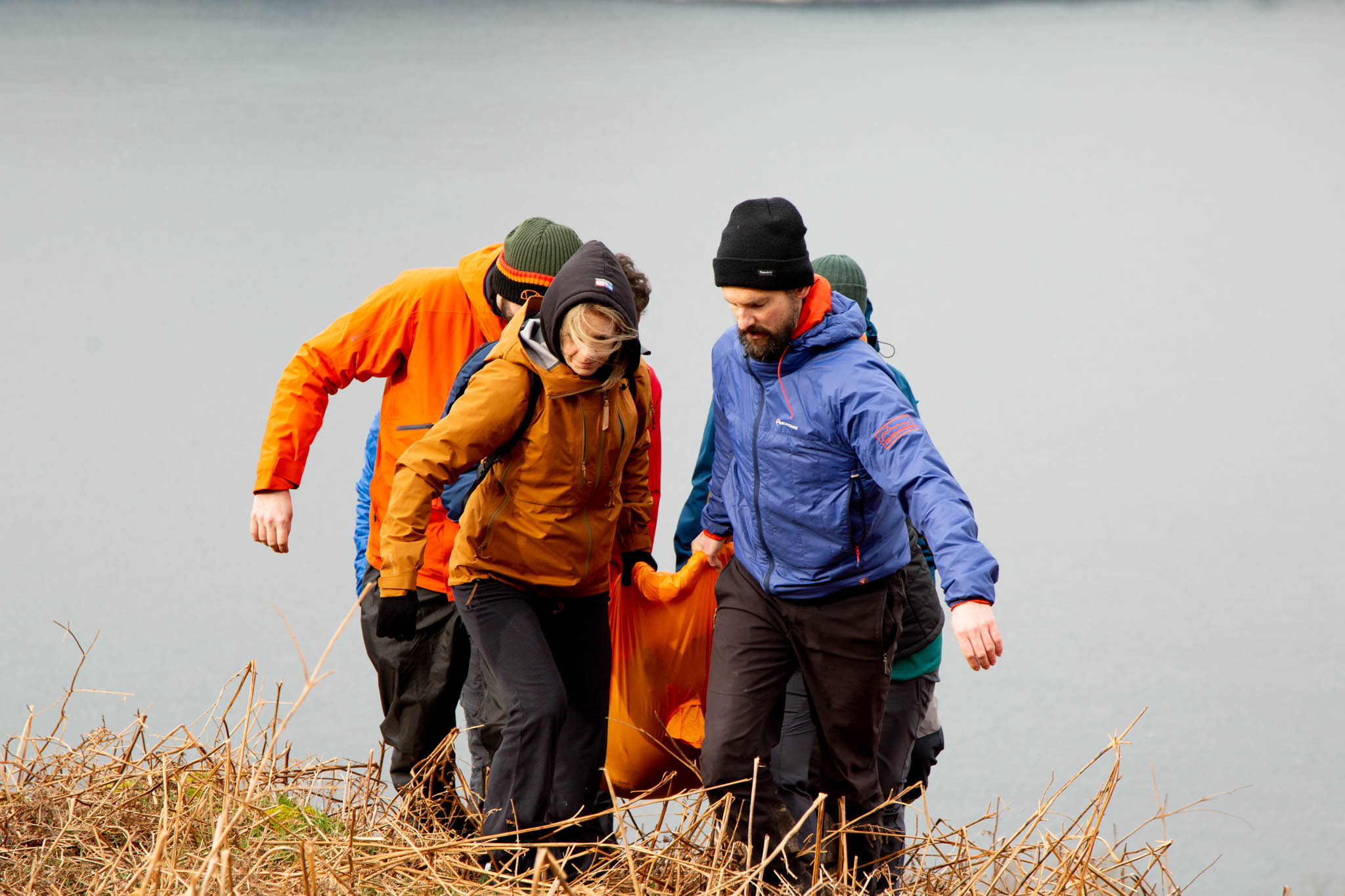
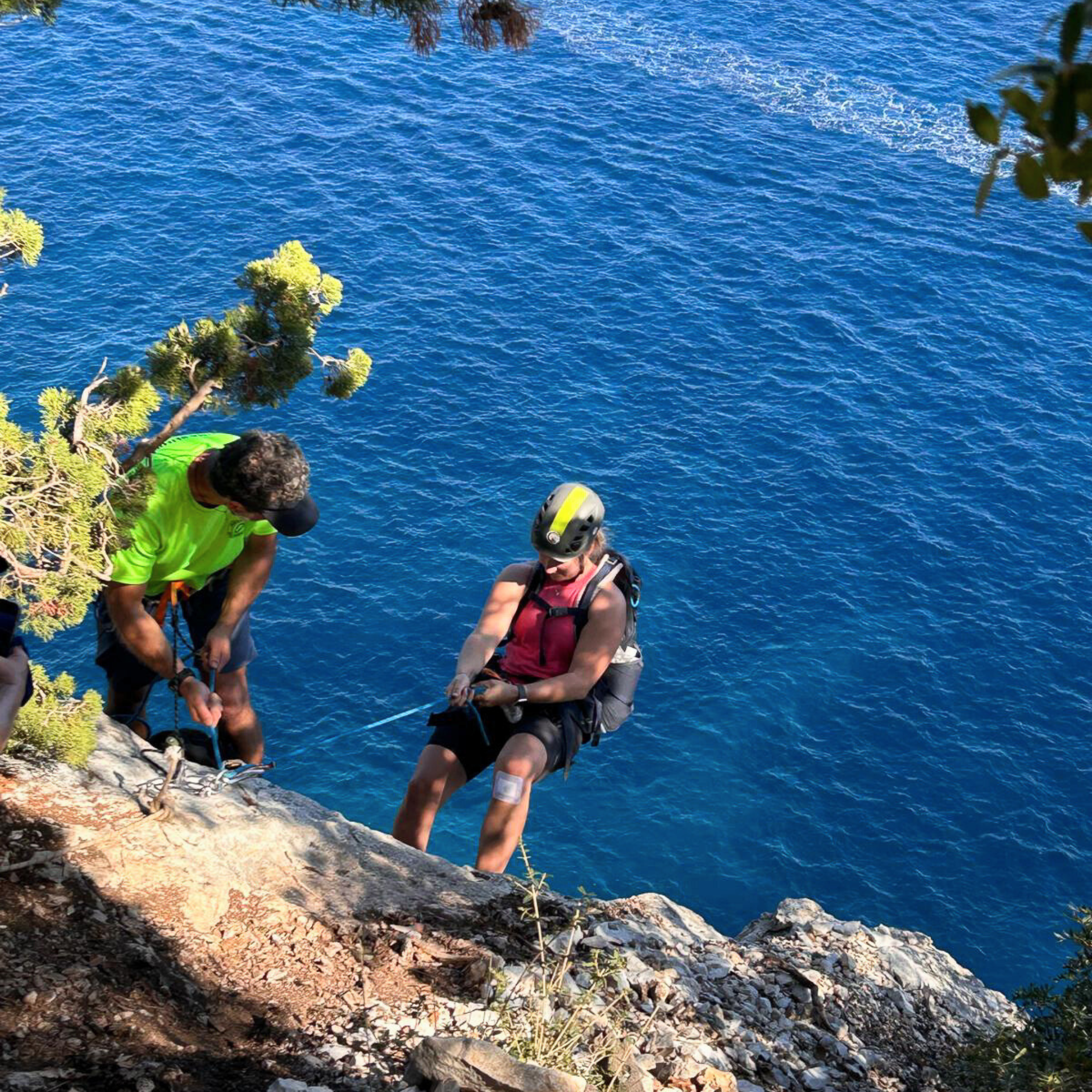
- Mountain rescue or search and rescue teams
- Event medical cover (endurance races, remote events)
- Outdoor leadership or expedition roles
- Voluntary rescue organisations
And these experiences build:
- Situational awareness
- Decision-making under pressure
- Confidence outside controlled settings
3. Develop Environment-Specific Skills
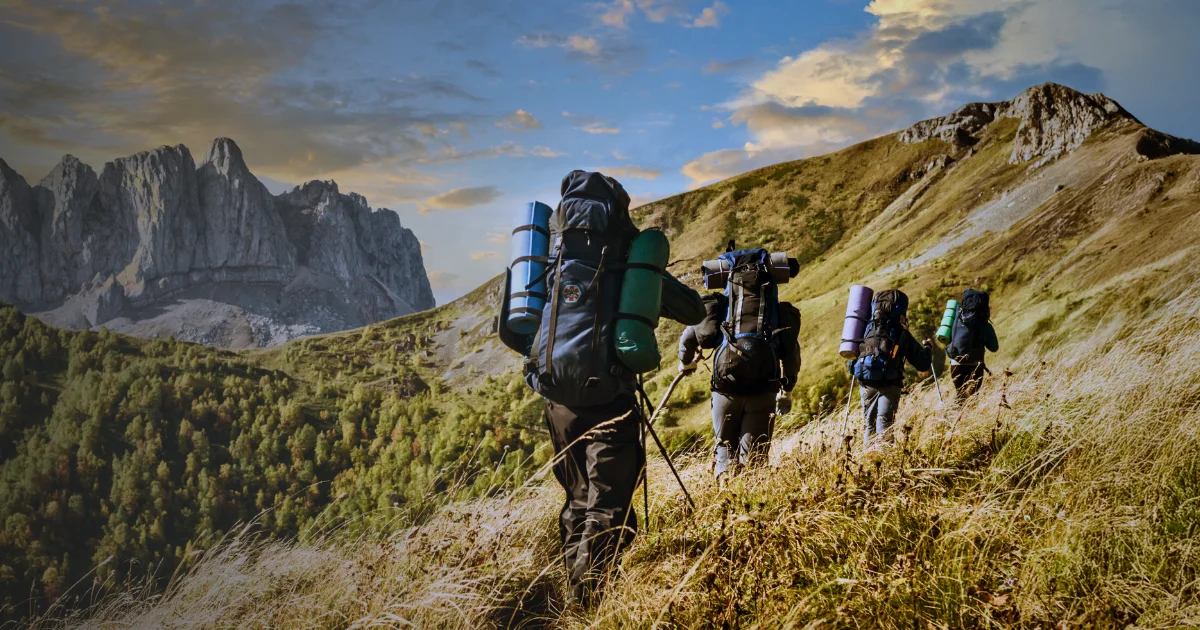
Expedition medicine is as much about the environment as it is about medicine, depending on your interest, this might include:
- Mountain leadership or navigation
- Cold weather or polar survival
- Water safety or dive medicine
- Desert or jungle operations
Because if you can’t operate safely in the environment, then you can’t safely treat others.
4. Invest in Additional Training
At some point, you need to bridge that gap between hospital medicine and real-world application. Fortunately enough, there’s training courses that help you with this.
Expedition & Wilderness Medical Training helps you:
- Apply clinical thinking in resource-limited settings
- Understand risk and decision-making in the field
- Practise realistic scenarios you won’t see in hospital
It’s also where many people realise what the role actually involves (beyond the idea of it) it gives you the opportunity to see what it would be like working in an expedition setting while also being in a controlled environment, allowing you to learn and practice, ready for the real deal.
Expedition & Wilderness Training
Available in the UK, Slovenia, USA and Australia. Build the skills to operate confidently in remote and unpredictable environments.
Explore Courses ›5. Start Small and Build Experience
Most people don’t land a major expedition role immediately.
Instead, they:
- Volunteer for smaller opportunities
- Work local or national events
- Build connections within the industry
As highlighted in the conference careers panel, networking and relationships often open doors more than formal applications
6. Understand the Reality (Not the one you see on social media)
Like many aspects of life, the grass isn’t always greener on the other side, and the perception of what an expedition medic is conveyed as online isn’t always:
- Constant adrenaline
- Back-to-back emergencies
- High-paying roles
In reality:
- Some roles are voluntary
- Work can be sporadic
- You may spend long periods managing low-level issues
And financially? (this is a question that is asked a lot) Income varies widely, especially in humanitarian work, where roles are often unpaid or modestly paid
Do You Need to Be a Doctor to Become an Expedition Medic?
No.
This is a big myth.
Expedition medics come from a range of backgrounds:
- Doctors
- Nurses
- Paramedics
- Physiotherapists
- Advanced clinical practitioners
What matters is:
- Your competence
- Your experience
- Your ability to operate independently
Not just your title.
What Skills Do Expedition Medics Need?
Across the board, the most valuable skills are:
Clinical
- Emergency care
- Trauma management
- Decision-making without diagnostics
Operational
- Risk assessment
- Communication
- Leadership
Environmental
- Navigation
- Survival skills
- Physical and mental resilience
How Do You Get Your First Expedition Medic Role?
This is the part everyone wants a clean answer to… and honestly, there isn’t one.
But common routes include:
- Networking at events and conferences (like our annual conference in Edinburgh!)
- Contacting organisations directly
- Building experience through smaller roles first
- Being proactive and visible in the space
As one of our faculty members put it:
“You often need to put yourself forward and build relationships to access opportunities.”
Training to Become an Expedition Medic
If you’re serious about moving into this space, structured training is one of the most effective ways to accelerate your progress.
It allows you to:
- Test your skills in realistic scenarios
- Understand the realities of remote medicine
- Learn from clinicians actively working in the field
Explore Expedition & Wilderness Medicine Courses
If you’re looking to take the next step, you can explore the full range of Expedition & Wilderness Medicine courses here.
Or explore specific locations:
Slovenia | Plas Y Brenin, Wales | Keswick, Lake District | Corfe, UK | New Hampshire, USA | Sydney, Australia
FAQ: How to Become an Expedition Medic
How long does it take to become an expedition medic?
There’s no fixed timeline. Most people build experience over several years alongside their clinical career.
Do expedition medics get paid?
Some roles are paid, others are voluntary. It varies depending on the organisation and type of work.
Can students become expedition medics?
Not immediately, but students can start building relevant experience early through outdoor skills, volunteering, and training.
Final Thought
If you came here looking for a clear, linear path… we’re really sorry to say this… but it just doesn’t exist.
But if you’re willing to:
- Build your skills
- Gain real-world experience
- Step outside your comfort zone
Then expedition medicine is absolutely within reach… Good luck!
→ Explore our extreme medicine courses
→ Sign up to our mailing list to learn more about extreme medicine.