Expedition Medicine in Practice Course
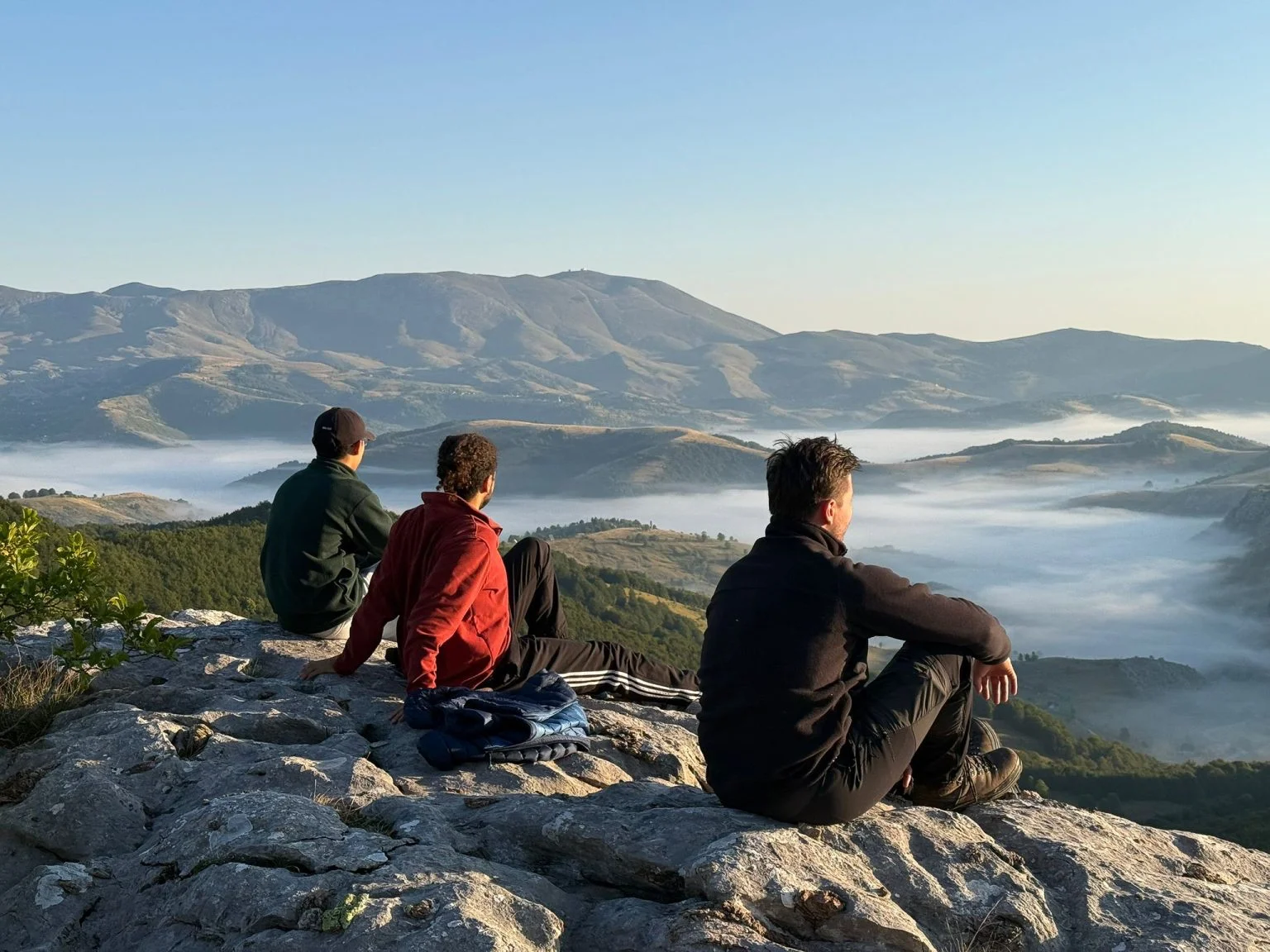
Dinaric Alps, Bosnia and Herzegovina
Applied, field-based expedition medicine in a remote mountain environment
This 6.5-day Expedition Medicine in Practice course is designed for healthcare professionals who already have a foundation in expedition or wilderness medicine and are ready to apply those principles in realistic, high-pressure field conditions.
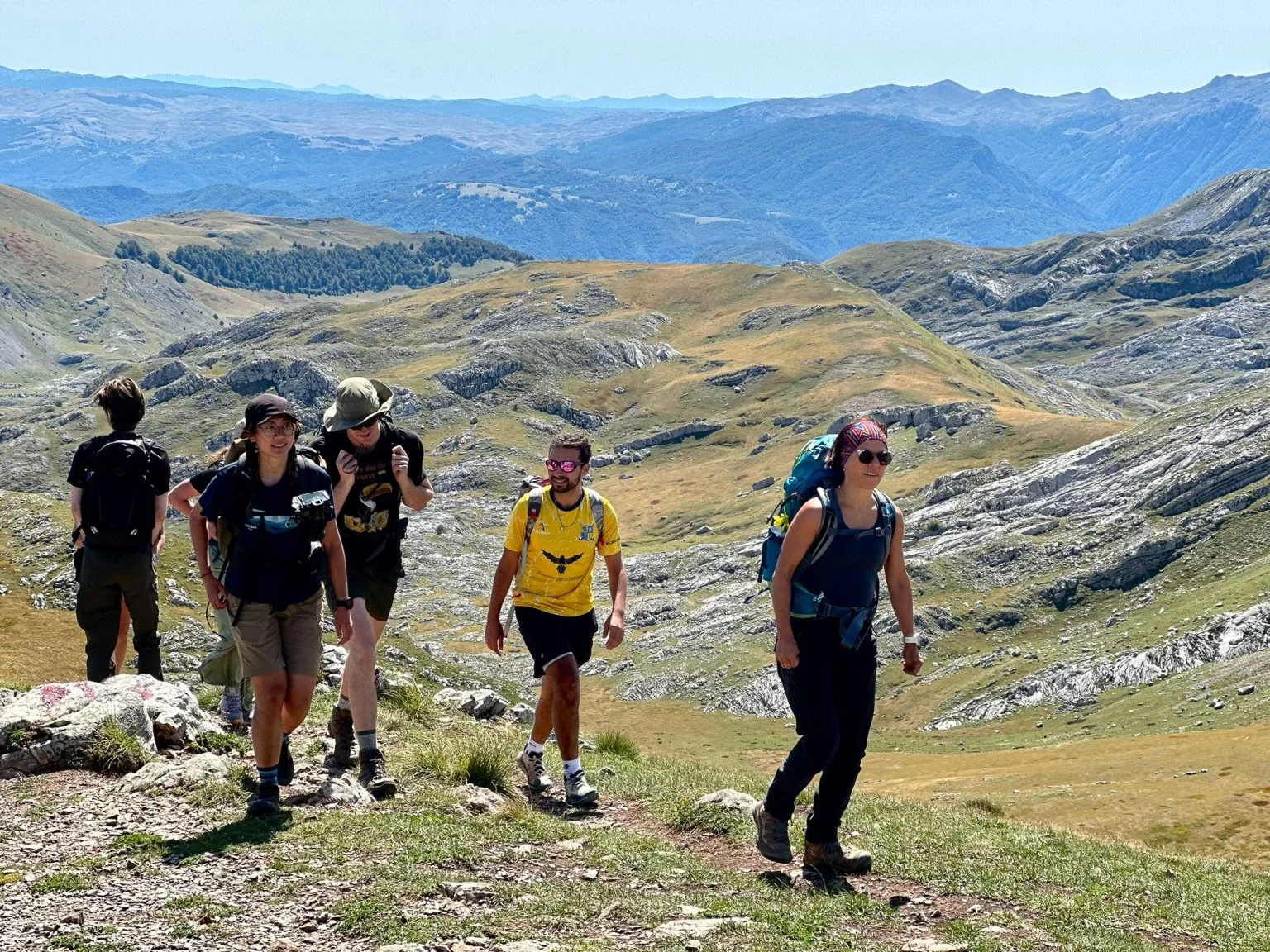
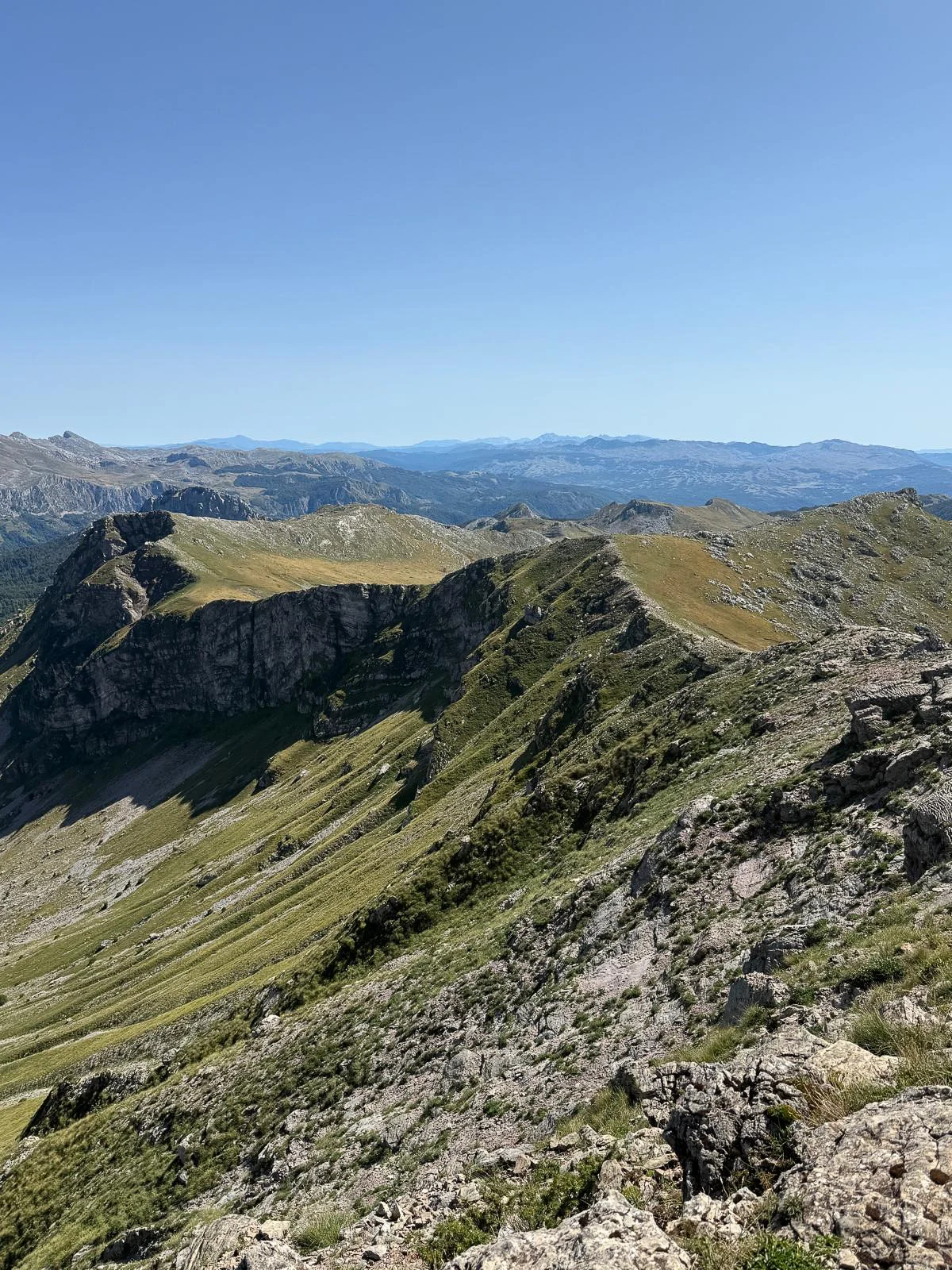
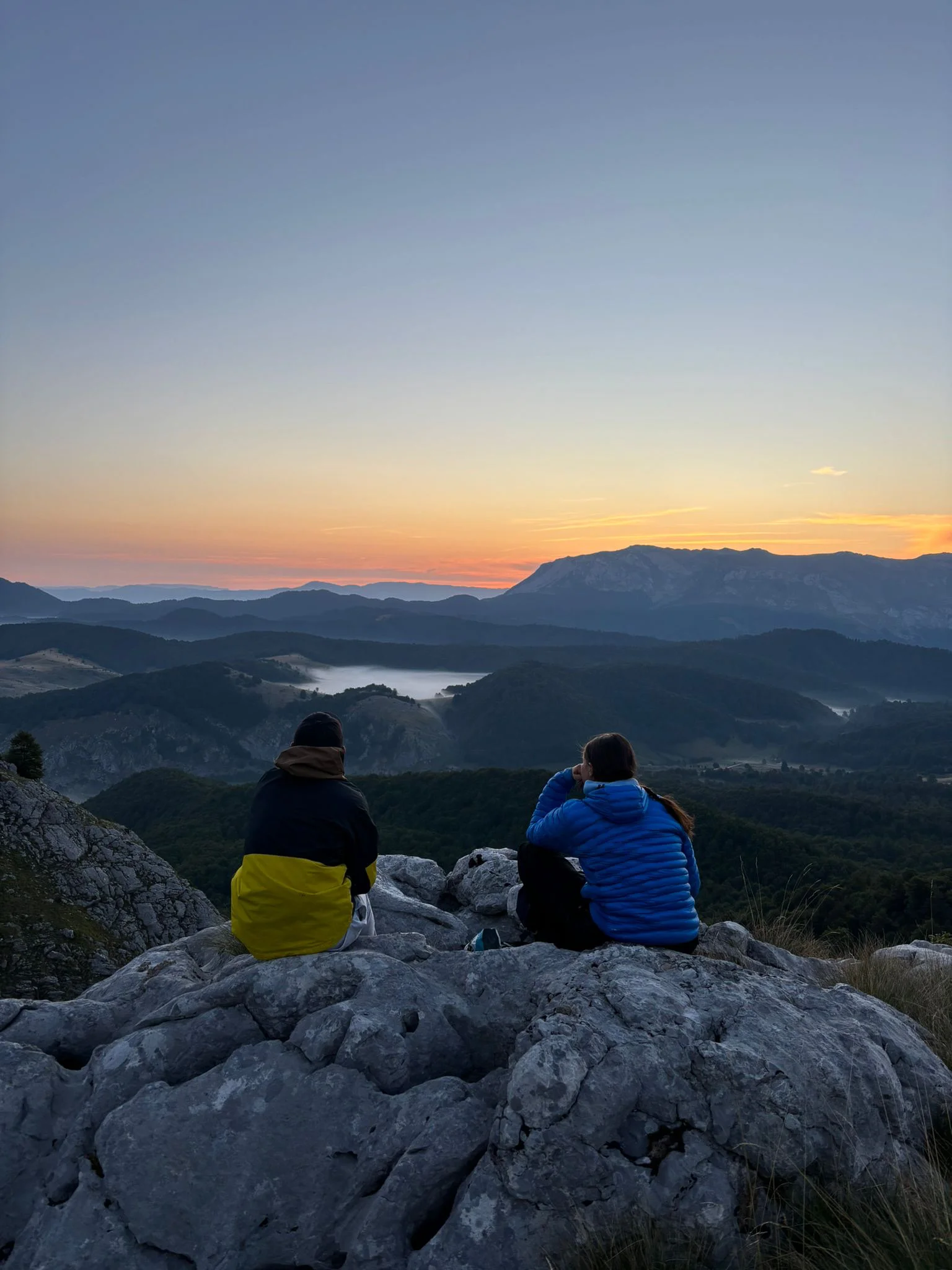
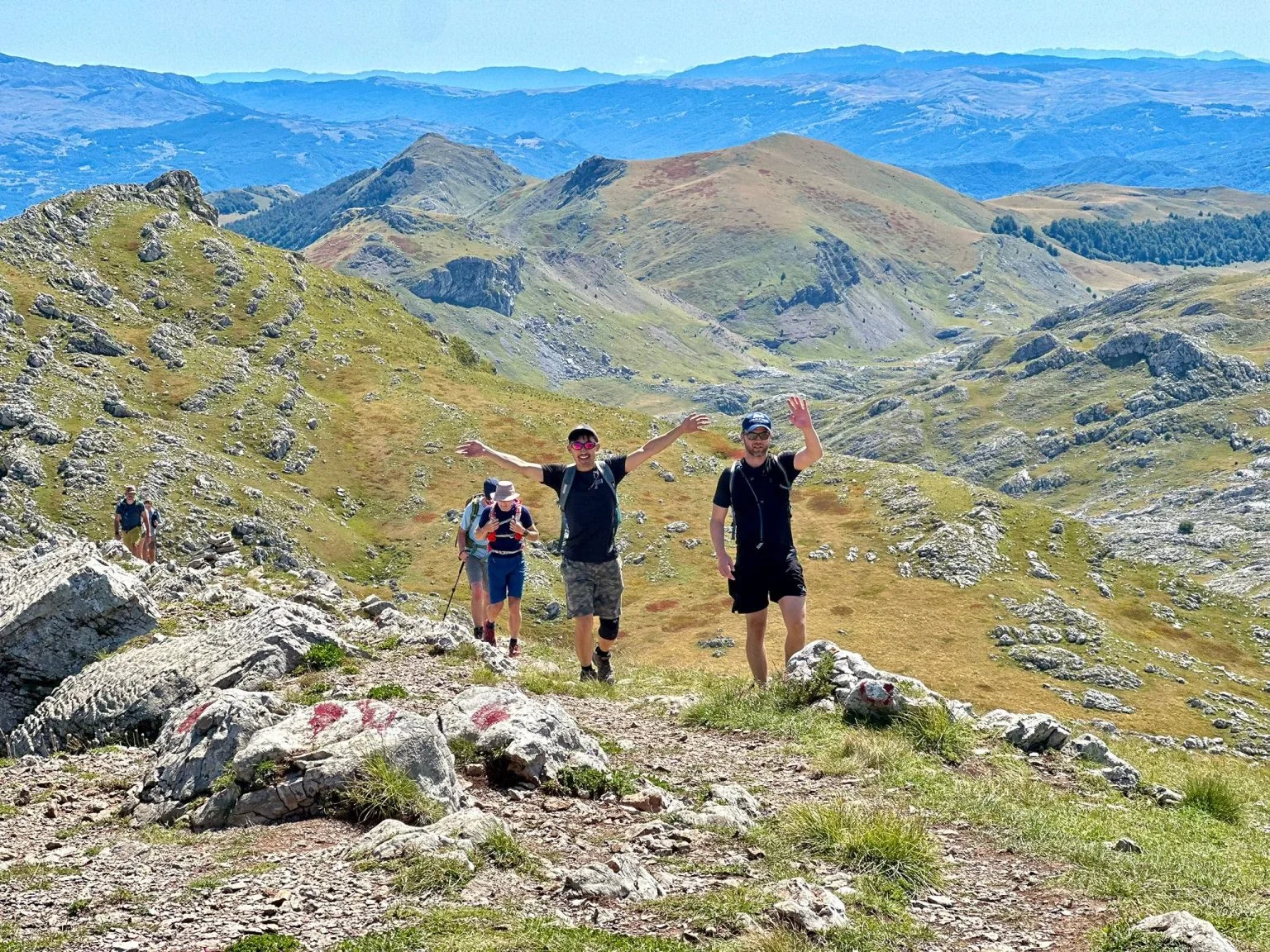
Set in the remote mountain village of Tušila in the Dinaric Alps, the course focuses on clinical decision-making, leadership, and patient care when resources are limited, terrain is demanding, and evacuation is not immediate.
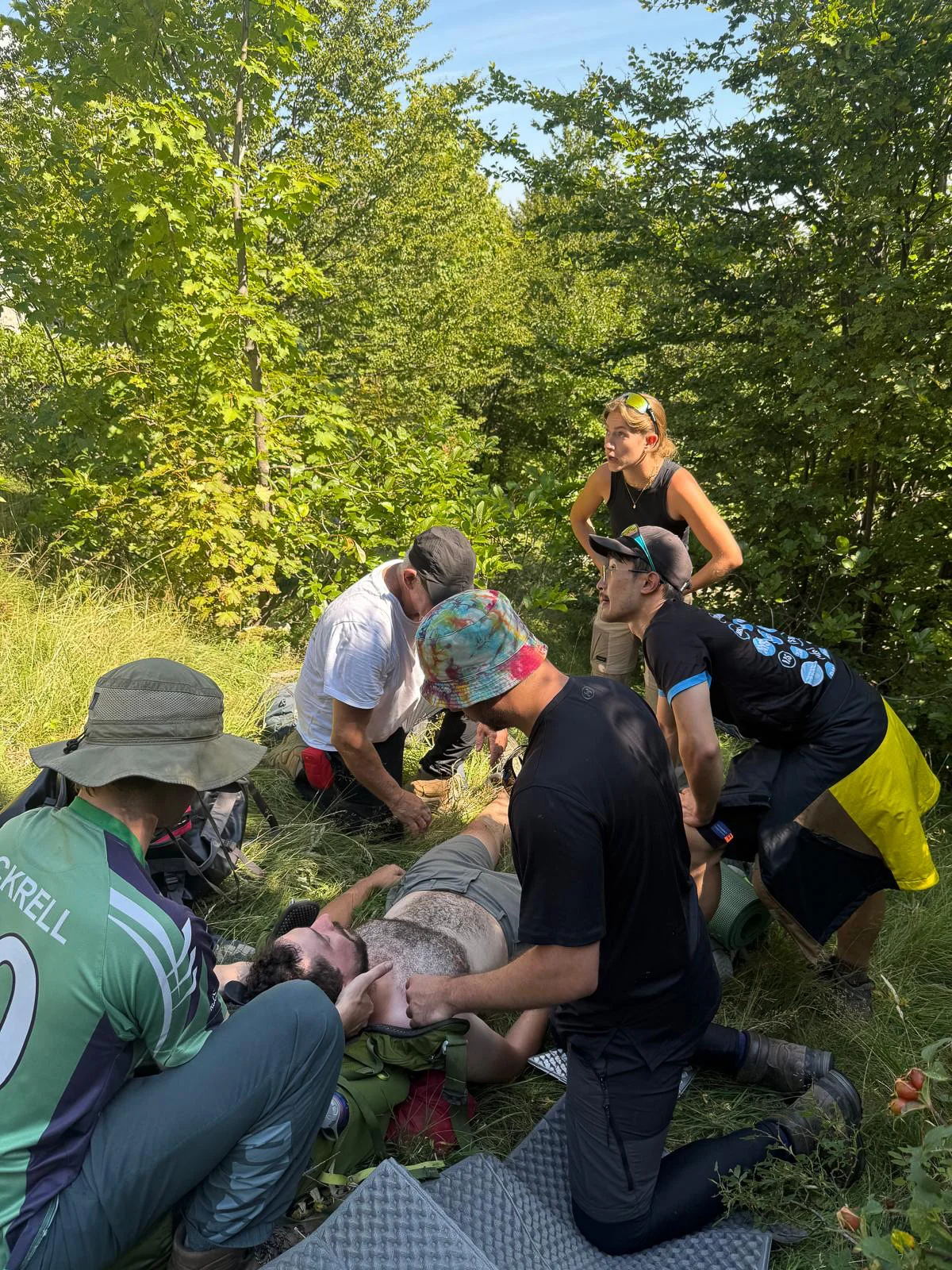
Building on the principles taught in Expedition & Wilderness Medicine, this course shifts the emphasis from theory to practice, embedding medical learning within real movement, route planning, and team-based expedition tasks.
Teaching is grounded in practical scenarios and supported by structured debriefs, helping you develop the judgement, adaptability, and situational awareness required to operate effectively as an expedition medic.
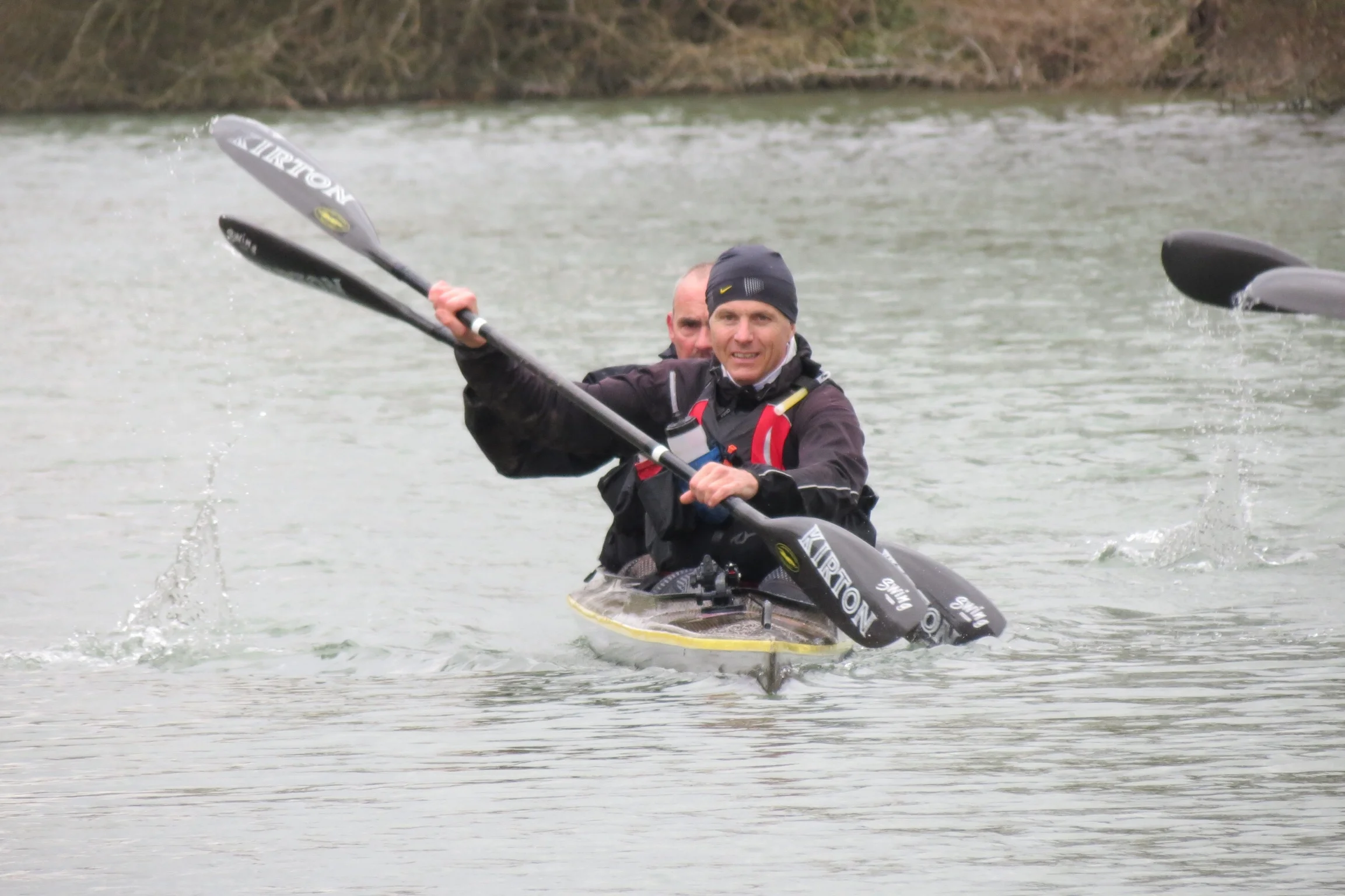
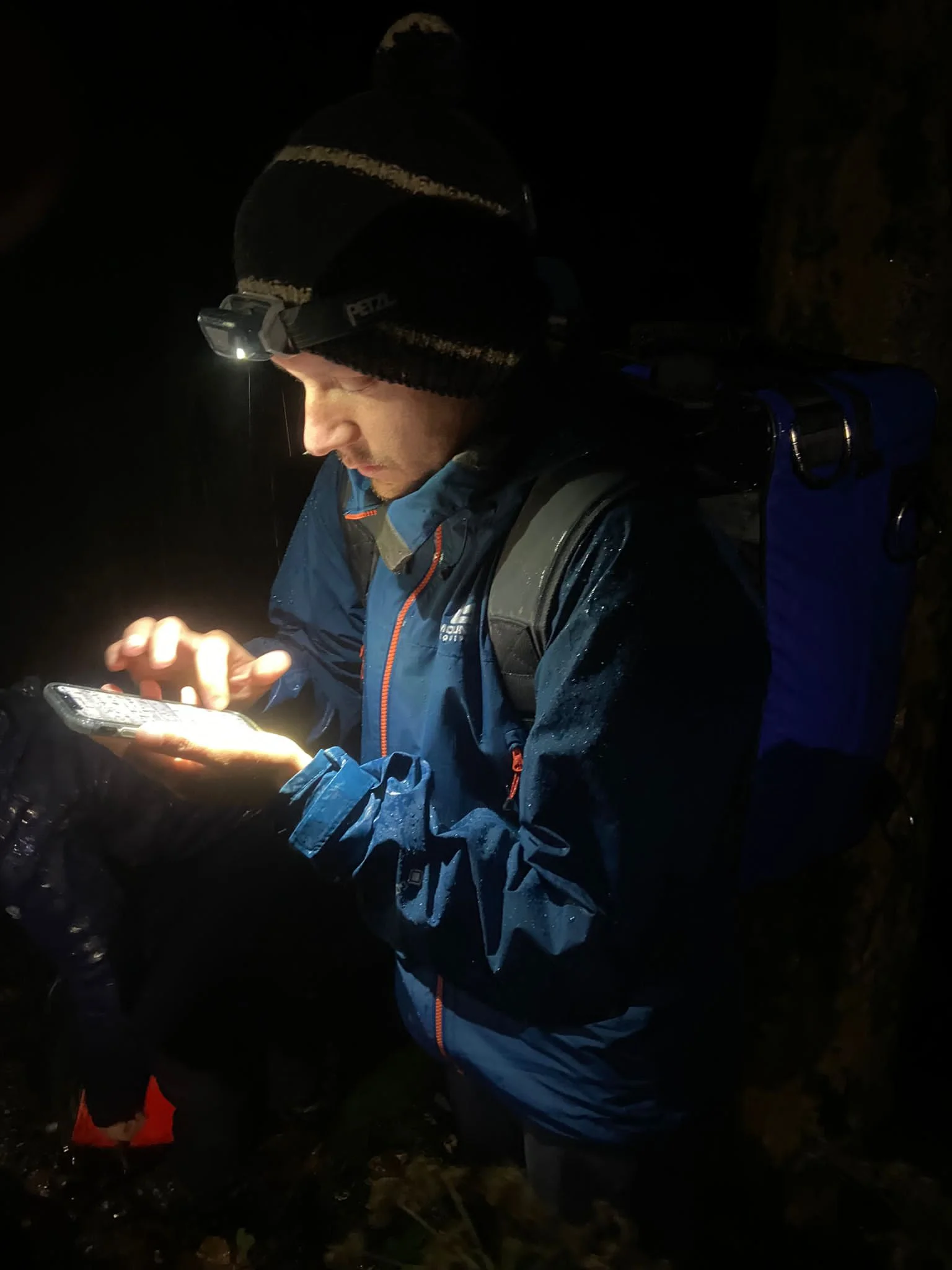
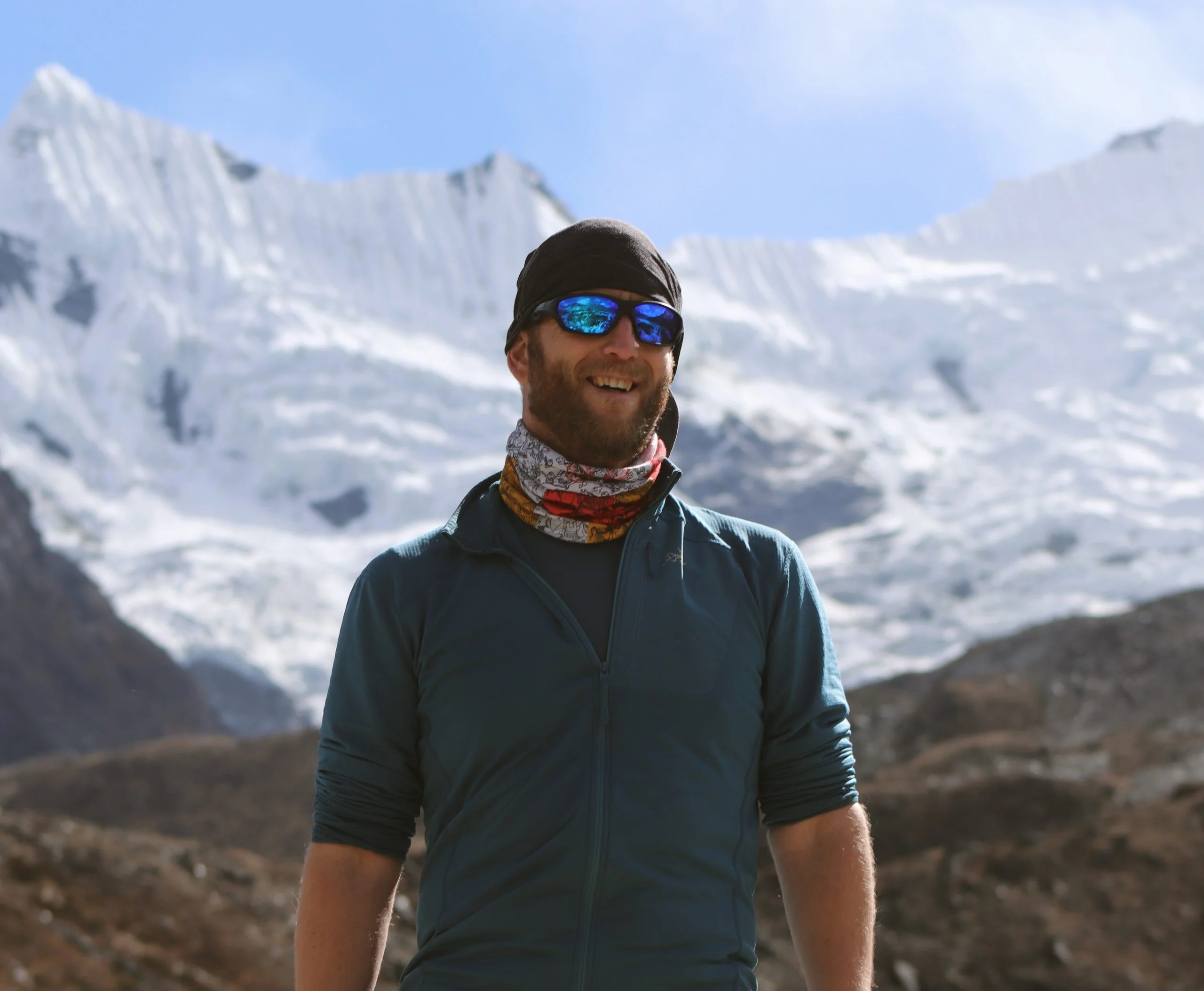
Your Teaching Faculty

Course Content
Fady

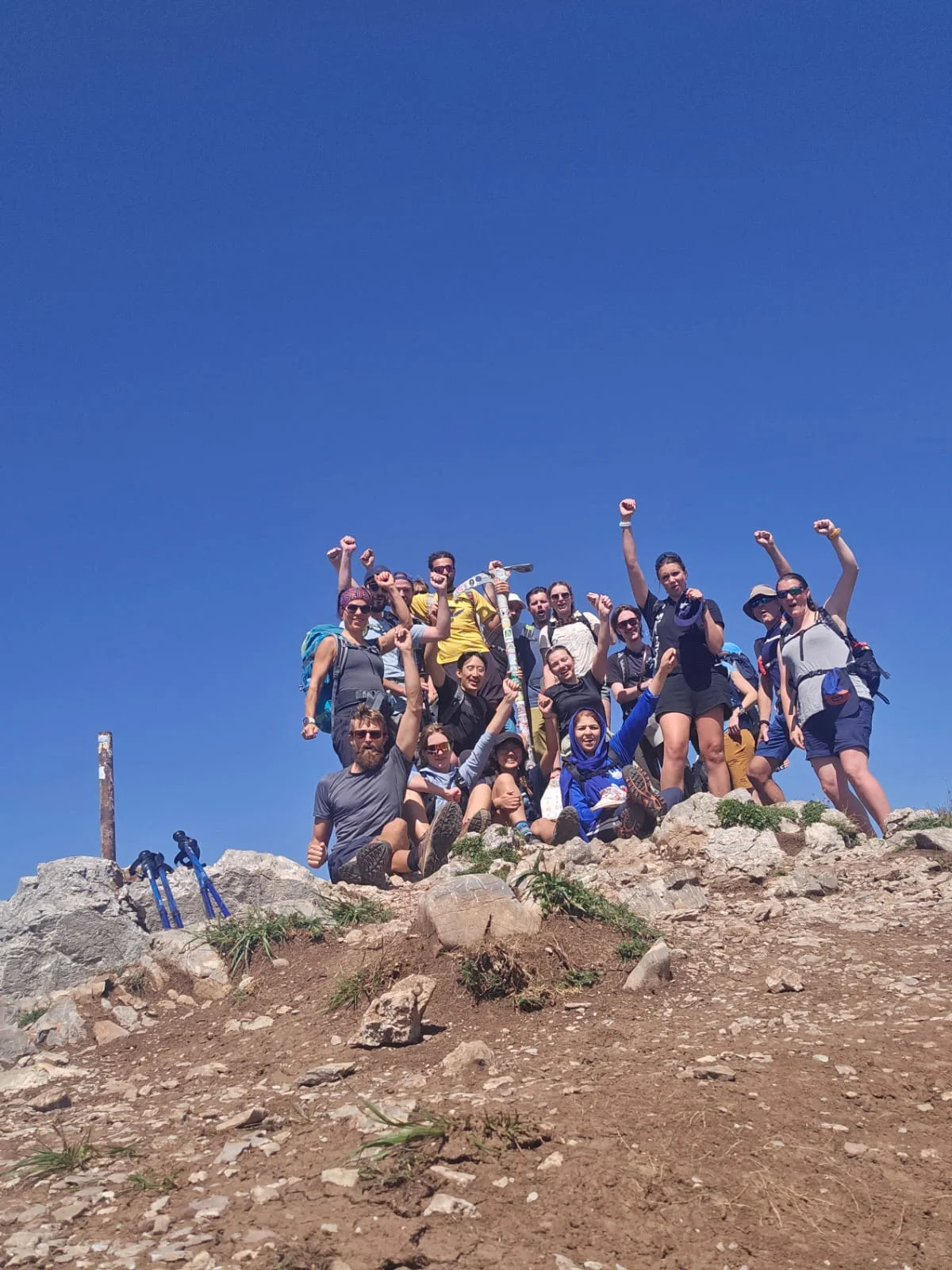
I knew I would enjoy the course, but I didn’t realise just how much. That’s thanks to the incredible kindness and knowledge of the faculty, who helped us build a true community.What started as a way escape from the wards has hopefully become the first step in a career-changing journey.
Karl
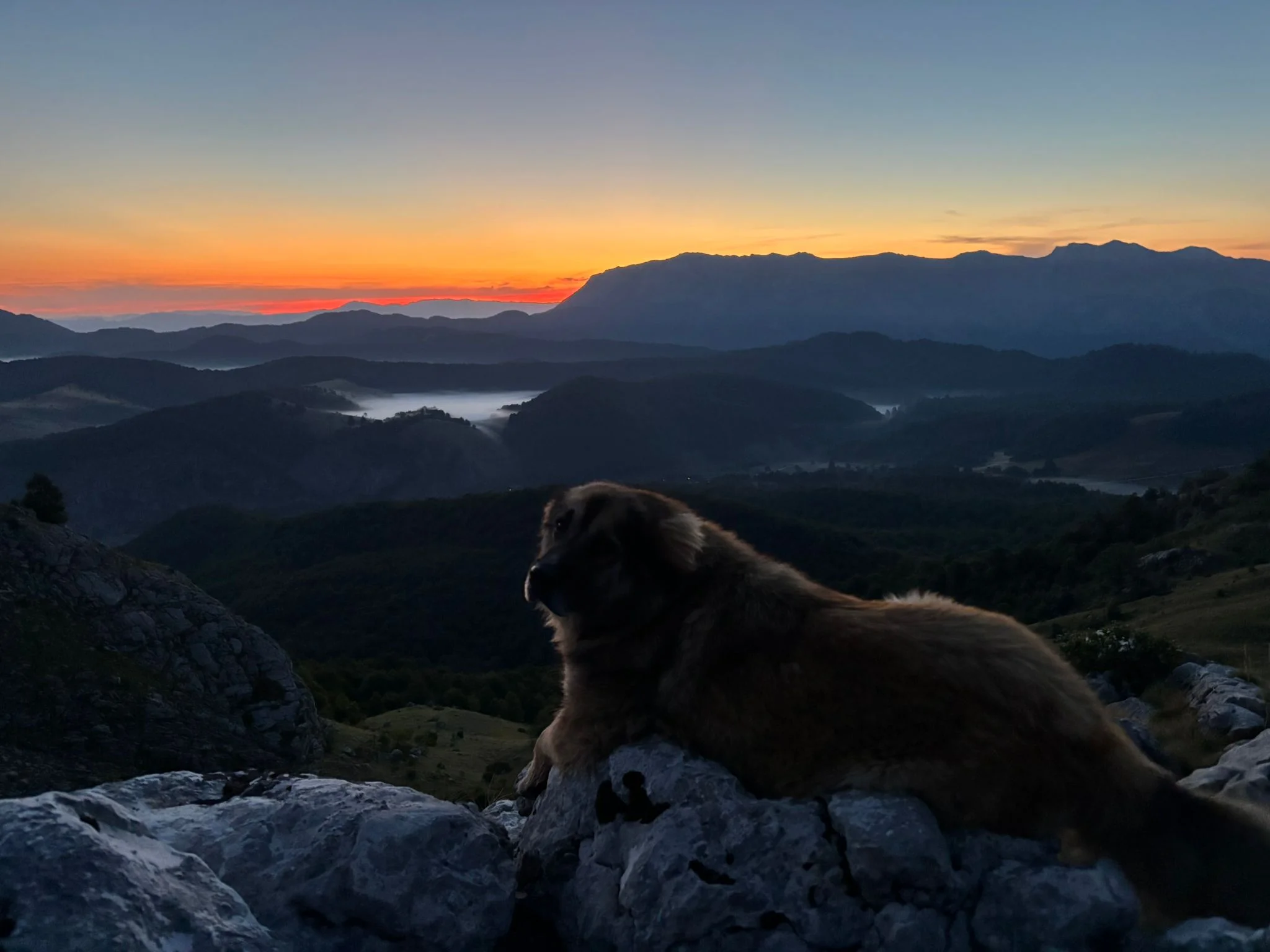
Barry and Gem did a great job and performed in a way during the week where I changed my mind from being a bit let down about the pace of the course in the beginning to just being thrilled to have been there. In the end we all head a unique learning experience from Gem, Barry and each other. Everyone was witty, funny and knowledgeable. There was a lot of respect within the participants and faculty. I want to specially point out that Barry enabled me to reflect on myself and my position within social groups, which exceeded the scope of this course and my expectations by far. I think it enabled me to do personal character development. His feedback was precise and very appreciating. In the end Barry was probably the highlight of the course for me.
Antonina
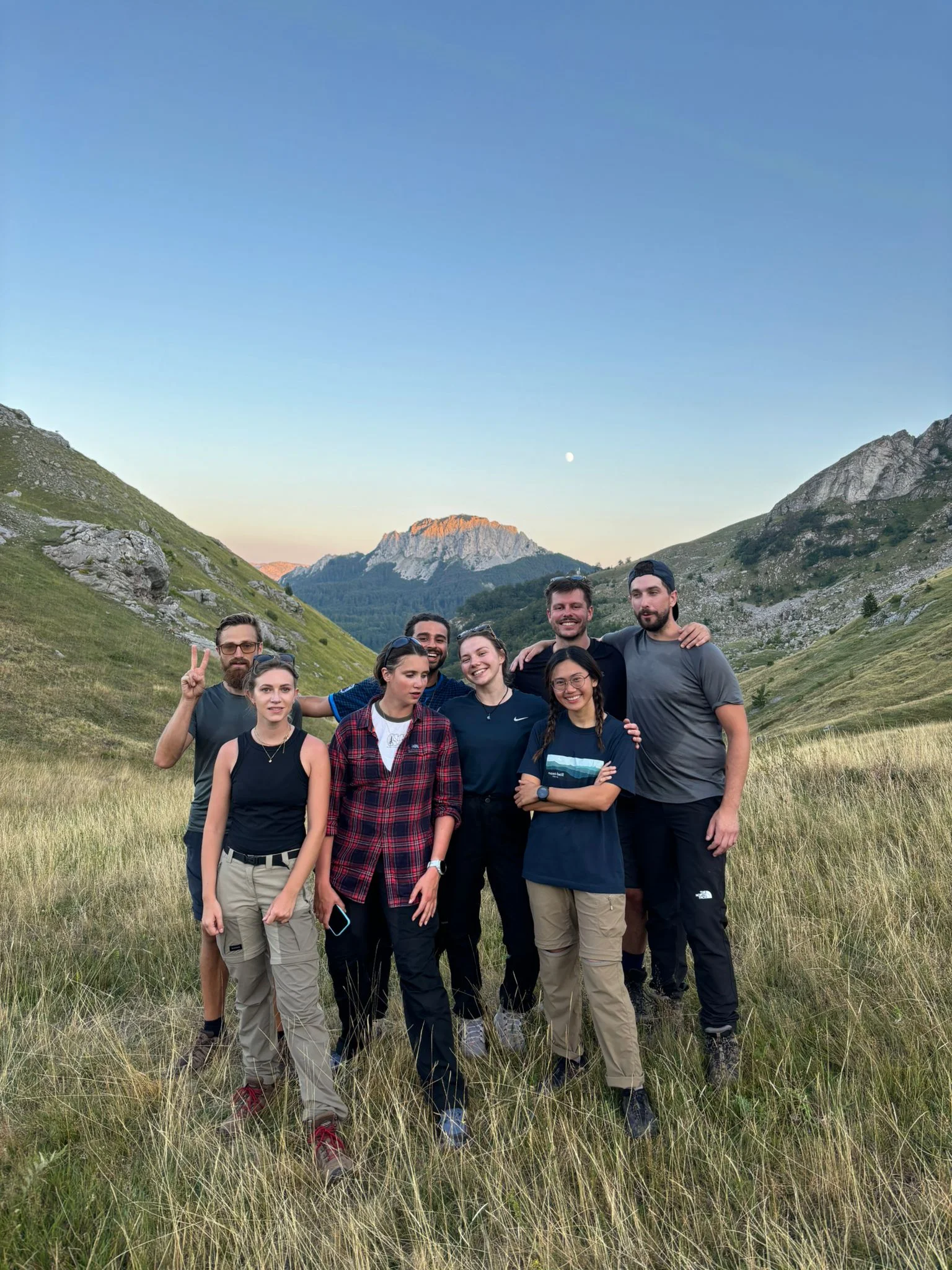
Thank you so much! Barry and Gem were absolutely wonderful, we are so lucky to have them and the group was fantastic, overall it was an incredible experience
Wing
trip of a lifetime, though i did expect it to be more physically challenging

What's Included?
Expert Faculty Teaching
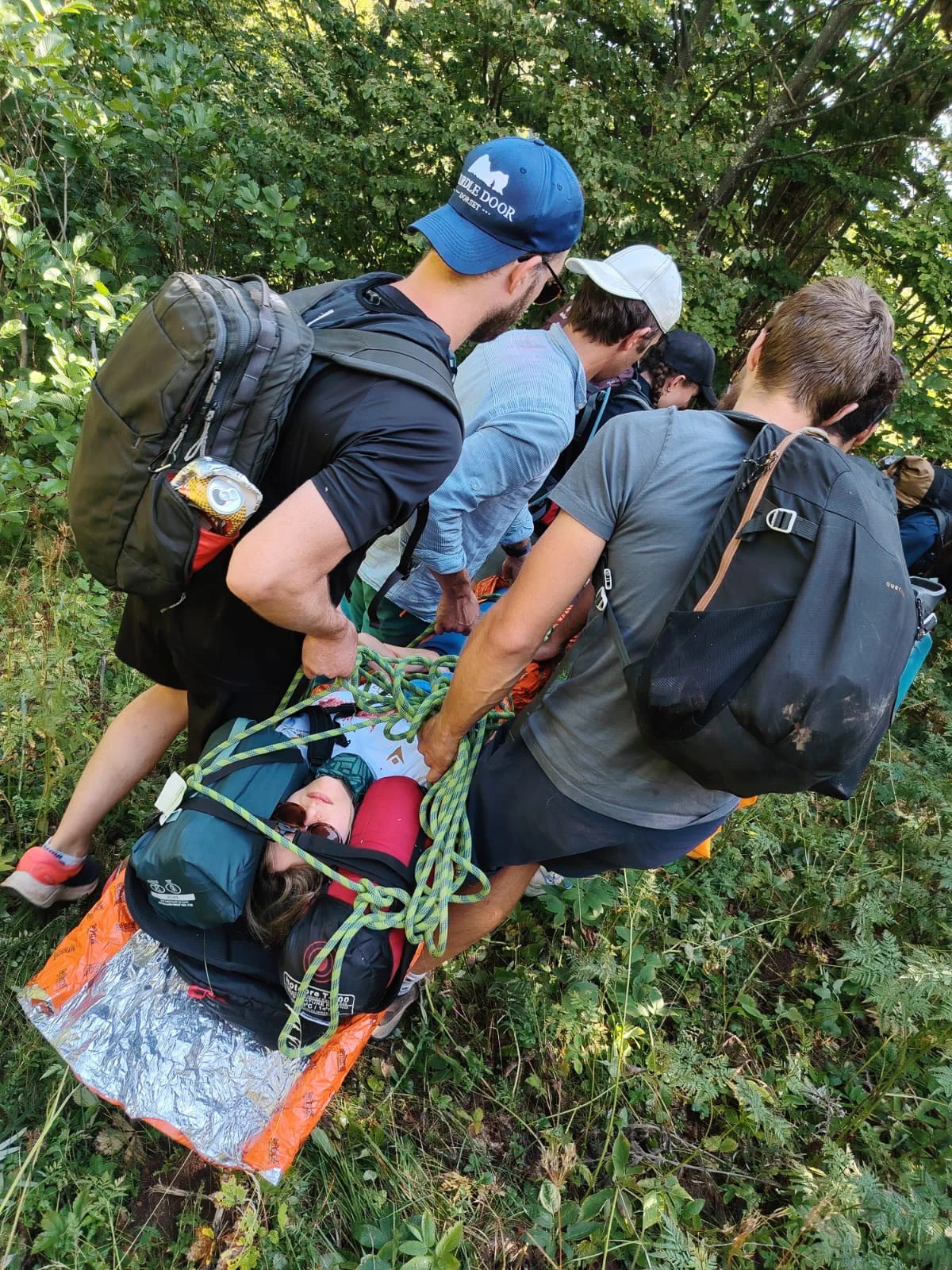
Field-based instruction delivered by experienced expedition medics and clinicians, focused on applied learning rather than classroom theory.
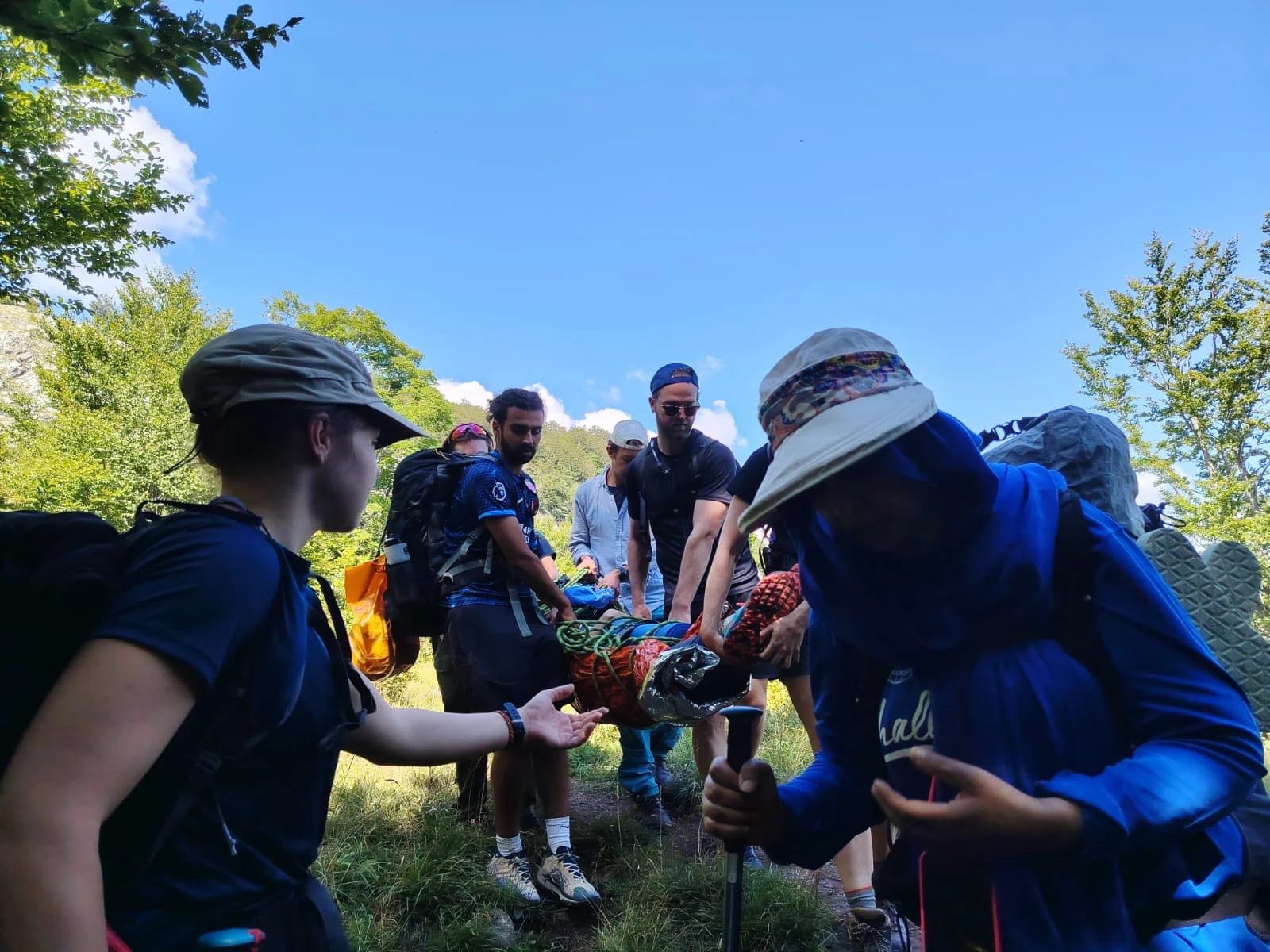
Practical Scenarios and Group Learning
Scenario-based training embedded into daily movement and expedition tasks, supported by structured debriefs and facilitated discussion.

Accommodation and Meals Included
Your course fee includes group transfers to/from Sarajevo, accommodation at a rustic mountain lodge and all meals* during the course, allowing you to stay on site and focus fully on learning.
*excluding drinks from the bar.
Course Certification and CPD
This course has been awarded 28.5 CPD hours by The Royal College of Surgeons of Edinburgh. On completion, you’ll receive a certificate of attendance recognising your training in applied expedition medicine.
Book Now
GBP £1,349.00
Frequently Asked Questions
Is this course right for me?
This course is designed for healthcare professionals and students who want to apply expedition and wilderness medicine principles in realistic field conditions.
It is best suited to those who have completed Expedition & Wilderness Medicine (or equivalent) and are looking to progress their skills through immersive, practical training in a remote environment.
If you’re unsure whether this is the right next step, we recommend using the Course Fit Checker or booking a discovery call.
Do I need previous expedition or wilderness medicine training?
Yes. This course builds on the foundations of Expedition & Wilderness Medicine or similar training. It is not an introductory course and assumes familiarity with basic expedition medical concepts.
What level of fitness is required?
You don’t need to be an elite athlete, but you should be comfortable walking for several hours per day over uneven terrain, potentially carrying a day pack. Some days may involve 8+ hours in the field.
The focus is on applied learning rather than physical performance, but a good baseline level of fitness will help you get the most from the course.
What course content is covered?
This Expedition Medicine in Practice course covers the medical, environmental, logistical, and human factors considerations of working as an expedition medic in mountainous terrain.
Content includes:
- Incident management and CRM
- Scene and patient assessment
- Airway & breathing in wilderness trauma
- Catastrophic bleeding management
- Wilderness wound management and burns
- Wilderness wound closure
- Expedition foot care
- Anaphylaxis management
- Heat illness and hydration management
- Water procurement techniques
- Hypothermia treatment and patient warming
- Environmental risk assessment
- Advanced expedition planning
- Risk assessment and mitigation
- Expedition leadership
- Basic rope skills
- Improvised rescue techniques
- Working with young people
- Mental health in remote environments
- Working in expedition medicine
- Governance for expedition medics
- Medical emergencies on expeditions
Teaching is delivered through practical workshops, field scenarios, and structured debriefs.
What kit do I need to bring?
The comprehensive curriculum and field scenarios are carefully designed to push your limits while mitigating risks.
We take every precaution to keep participants safe by:
- Rigorous gear checks before all expedition days
- Mandatory evacuation insurance policies
- Close coordination with local emergency responders
Kit List
As a minimum, we recommend you bring:
- Waterproof jacket and trousers
- Base layers for top and bottom half check out our blog post to help you find the perfect base layer!
- Mid layers for top (and bottom half if you’re a ‘cold’ person)
- Down or synthetic insulating jacket
- Casual & comfortable clothing
- Hut slippers/sliders/crocs
- Hat, gloves, socks
- Walking boots – approach or light hiking boots are ideal
- Trail shoes
- Sunglasses
- A spare set of outdoor clothing (in case you get wet!)
- 35-45 litre pack
- 2 litre water bottle
- Compass (if you have one)
- Whistle
- Personal toiletries, including a towel
- Ear plugs and eye mask
- Head torch
- Snacks
- Personal First Aid Kit
Optional Additional Kit
- Bivvy Bag
- Sleeping bag to keep you cosy down to -5c or lower
- Roll mat or Thermarest
- Walking poles
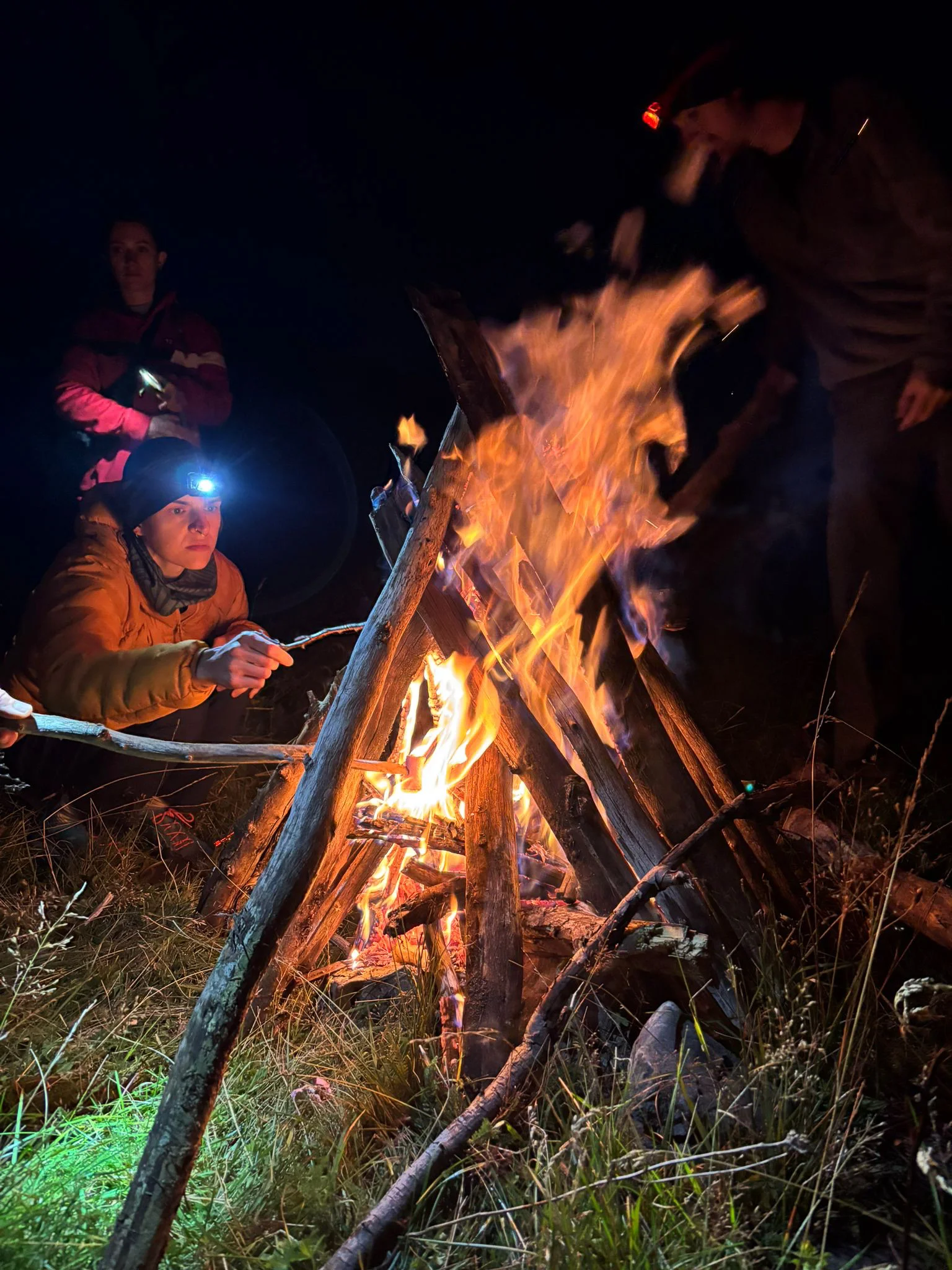
You will be staying in a charming but rustic mountain hut in an isolated village. We recommend planning your kit and luggage accordingly, feel free to bring additional kit, clothing, down duvets and snacks with you. Some days, you will stay close to the hut, other days you will be out for 8+ hours. Please check the weather before travelling and adjust your kit list as required. There are no drying rooms at the hut, we recommend packing additional clothing if the weather looks poor.
Do I need specialist equipment?
No specialist medical equipment is required. All essential safety equipment for planned course activities is provided. Participants are responsible for personal clothing and kit as outlined in the kit list.
Do I need travel insurance?
Yes. Comprehensive travel insurance is mandatory and must cover mountain activity and emergency evacuation. We reserve the right to refuse participation if adequate insurance details are not provided.
What support is available before the course starts?
Ahead of the course, you’ll receive joining information to help you plan travel, arrival, and what to expect on the day. A WhatsApp group is used for this course, we’ll share access details closer to the start date so you can connect with the cohort, ask questions, and coordinate plans.
If you have questions at any stage, the team is happy to help.
I have another question
If you wish to learn more or have any additional questions, we invite you to book a 30-minute discovery call with our team.
→ Click here to book a discovery call.
The call will be with the team who organise our courses and work closely with our medical teaching faculty. They’re best placed to explain what our attendees really get out of attending a course with us.
You can choose between a video or voice call — whatever suits you best.
Register for a time that works for you, and we look forward to speaking with you soon.
Prefer email? Then feel free to contact us.
Your Safety
The comprehensive curriculum and field scenarios are carefully designed to push your limits while mitigating risks.
We take every precaution to keep participants safe by:
- Rigorous gear checks before all expedition days
- Mandatory evacuation insurance policies
- Close coordination with local emergency responders