Jungle Medicine Course



Costa Rica
This Jungle Medicine training course offers an opportunity to learn, operate and survive in one of planet’s most challenging environments.
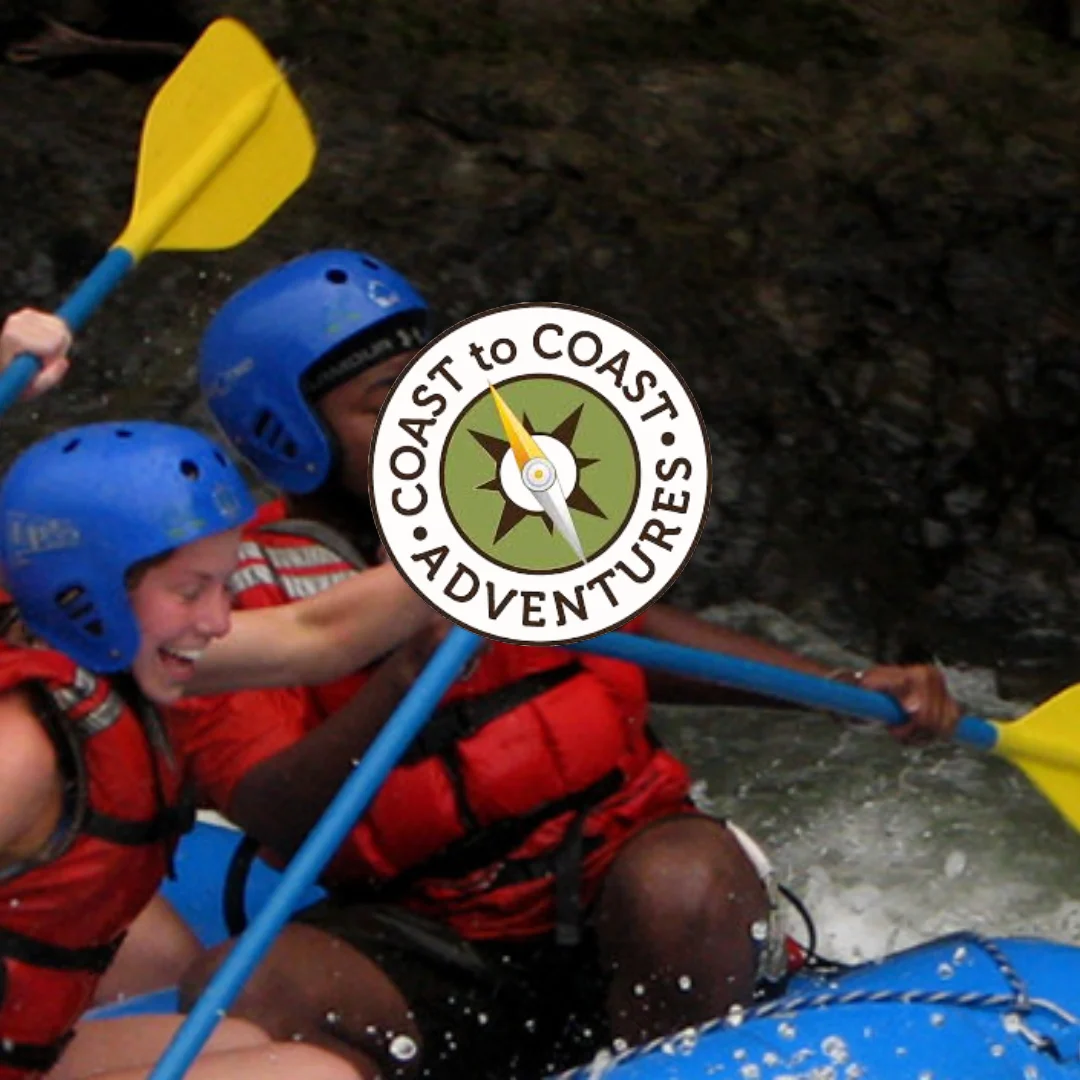
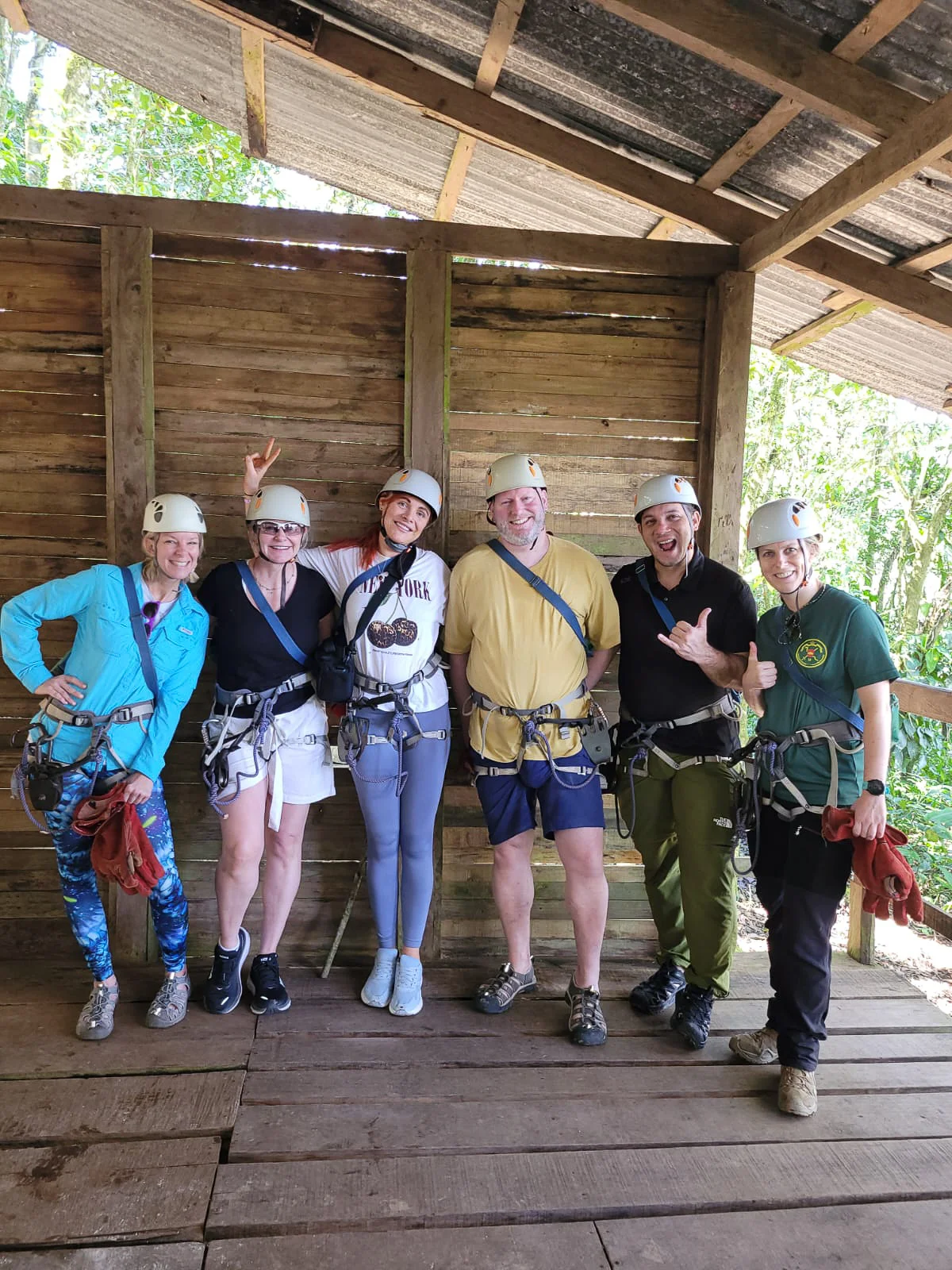
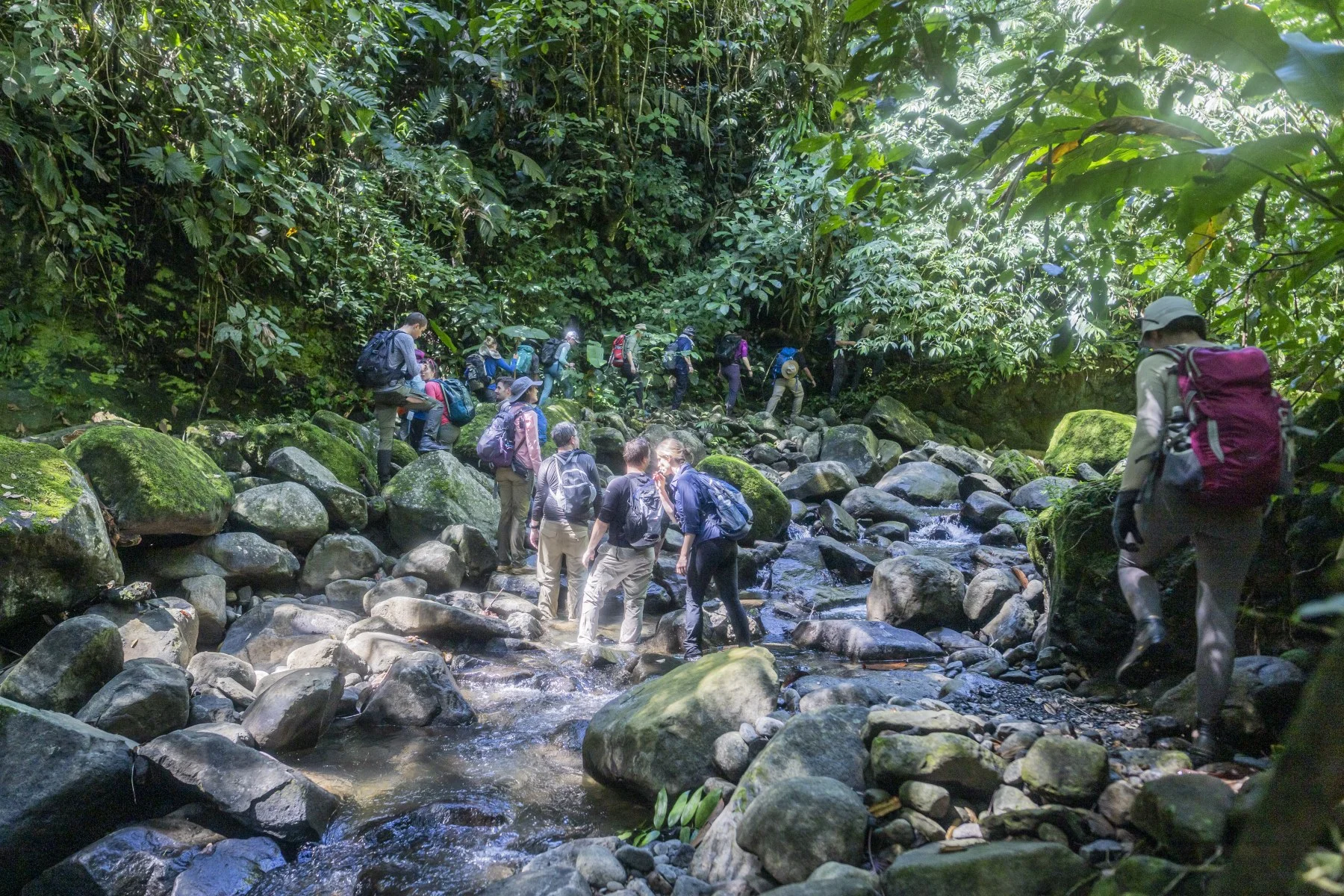
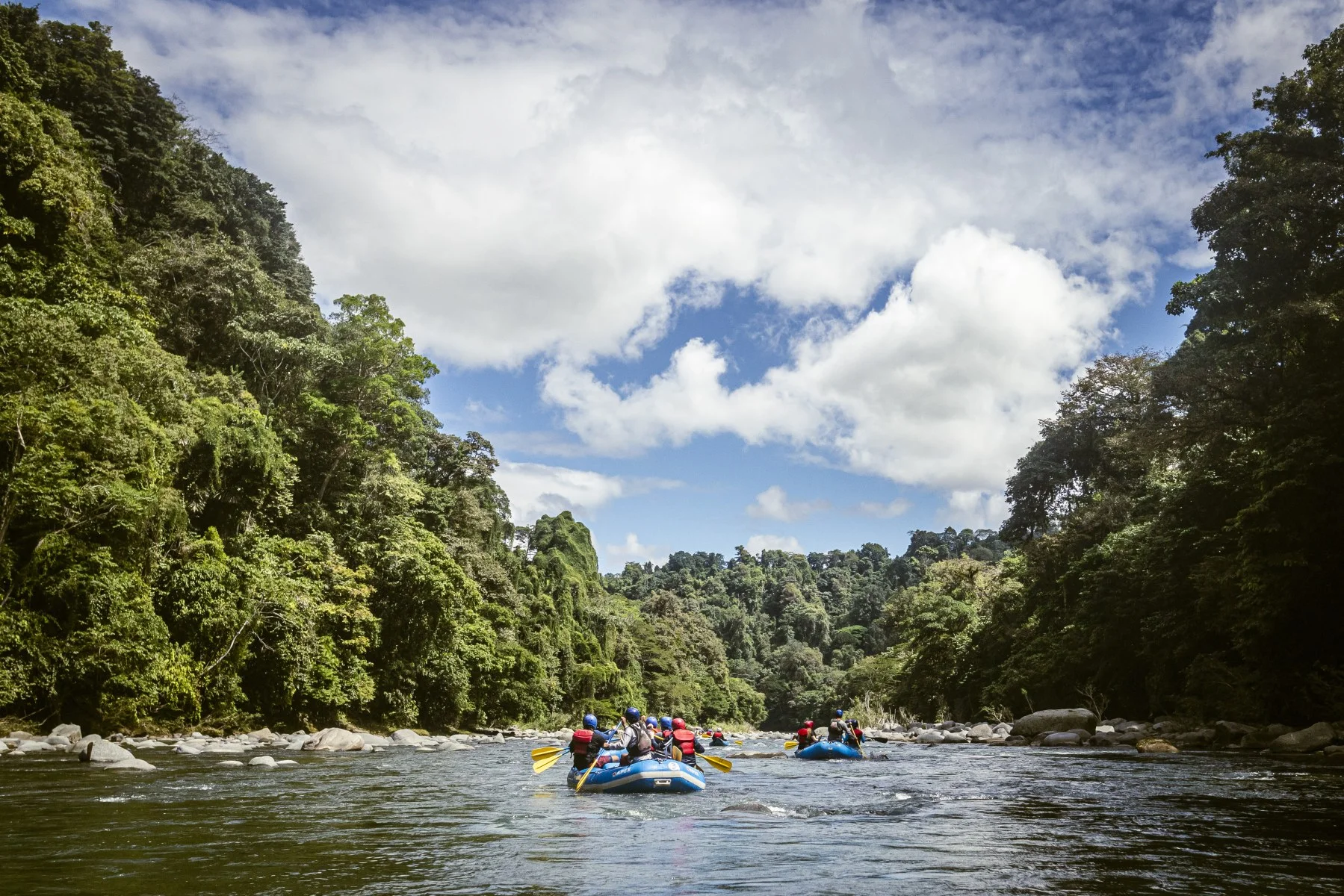
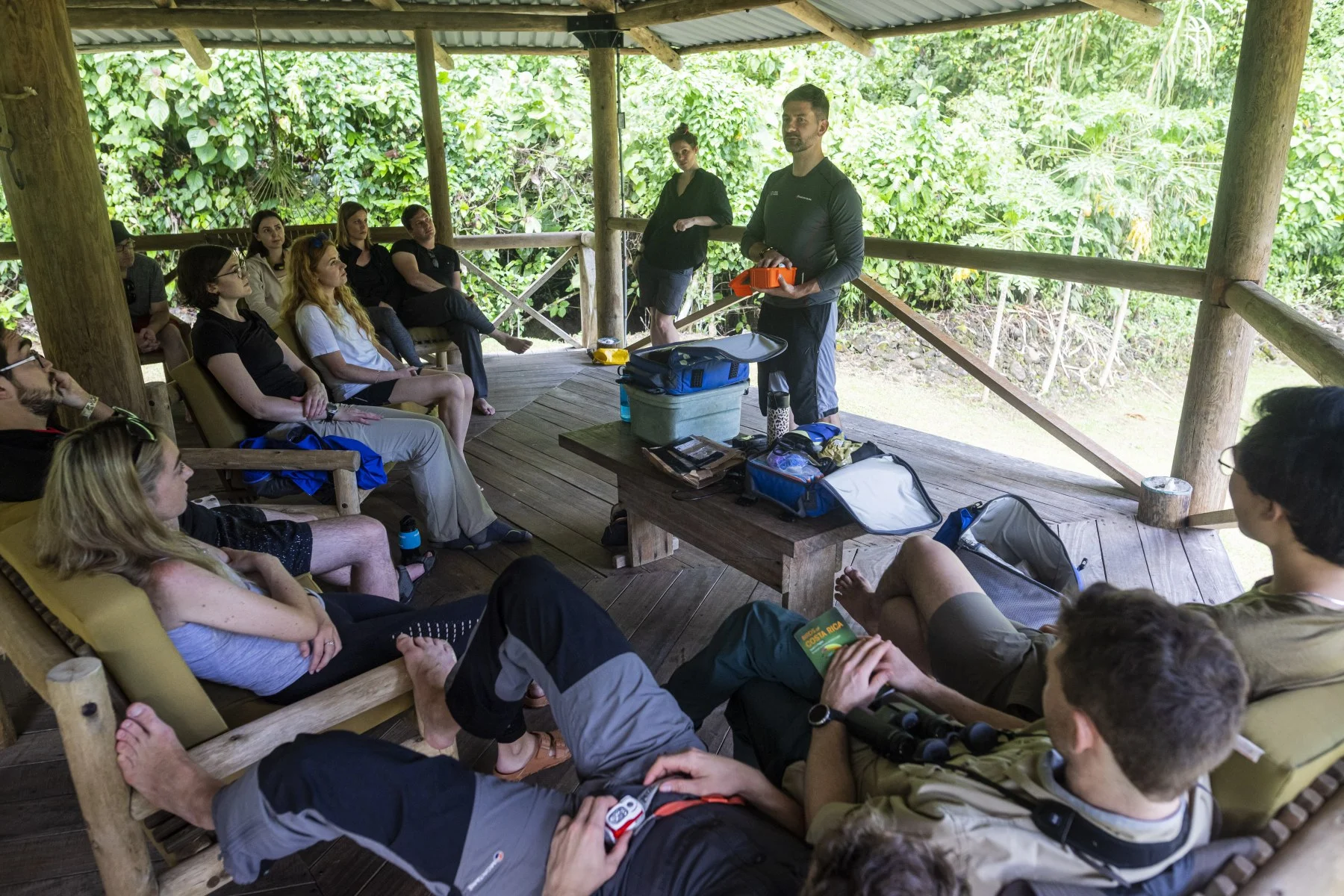
Where practical workshops, simulations, and captivating lectures take place under starlit skies, accompanied by the mesmerising sounds of birds, howler monkeys, and nature’s chorus. As we venture into the heart of the jungle, navigating through thrilling river rafting and trekking expeditions, our teaching seamlessly intertwines with the journey.
Your Teaching Faculty
Modules
Katy

Great instructors & local guides who covered all intended course content & much more – Got a taster for how challenging jungle medicine can be – A relatively small group for a WEM course – allowing for solid learning opportunities – Good vegan food provided
Jamie
Instructors were amazing
Thomas
Thank you very much for an amazing time, it was really great and I will definitely attend more WEM courses. Thanks to the faculty as well, they are a bunch of really experienced people.

Daniel
It was great! Trying to fit the Nepal course in to my schedule now. And the Conservation medicine course, and the Polar one… :)
What's Included?
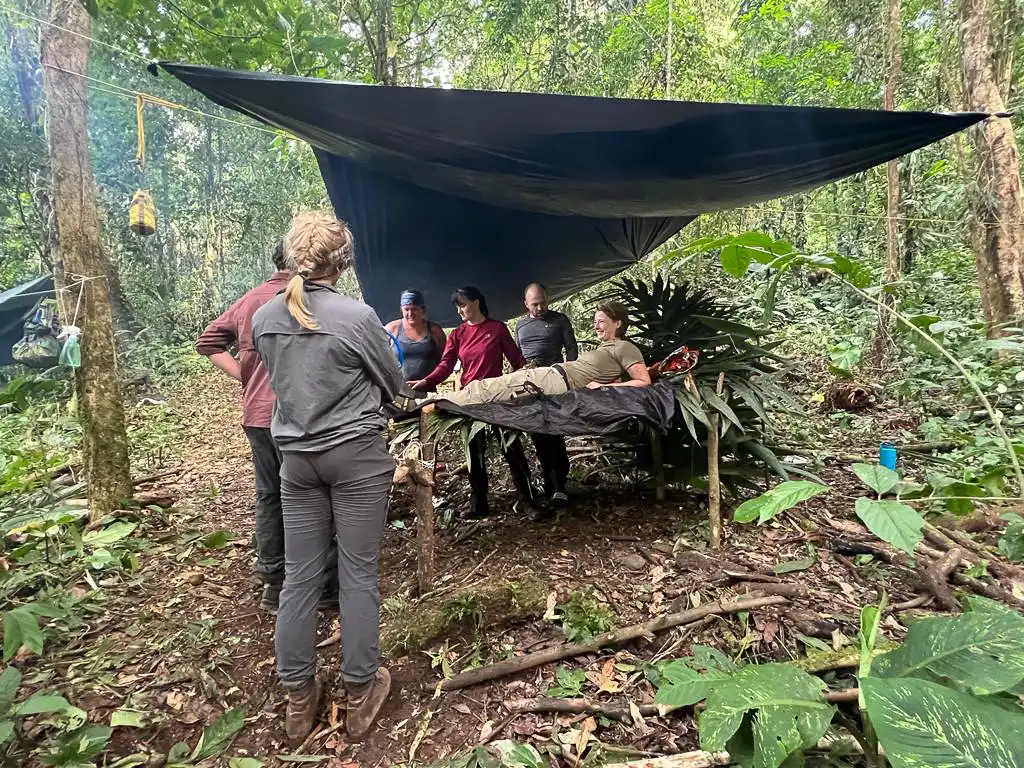
Field-Based Training & Practical Workshops
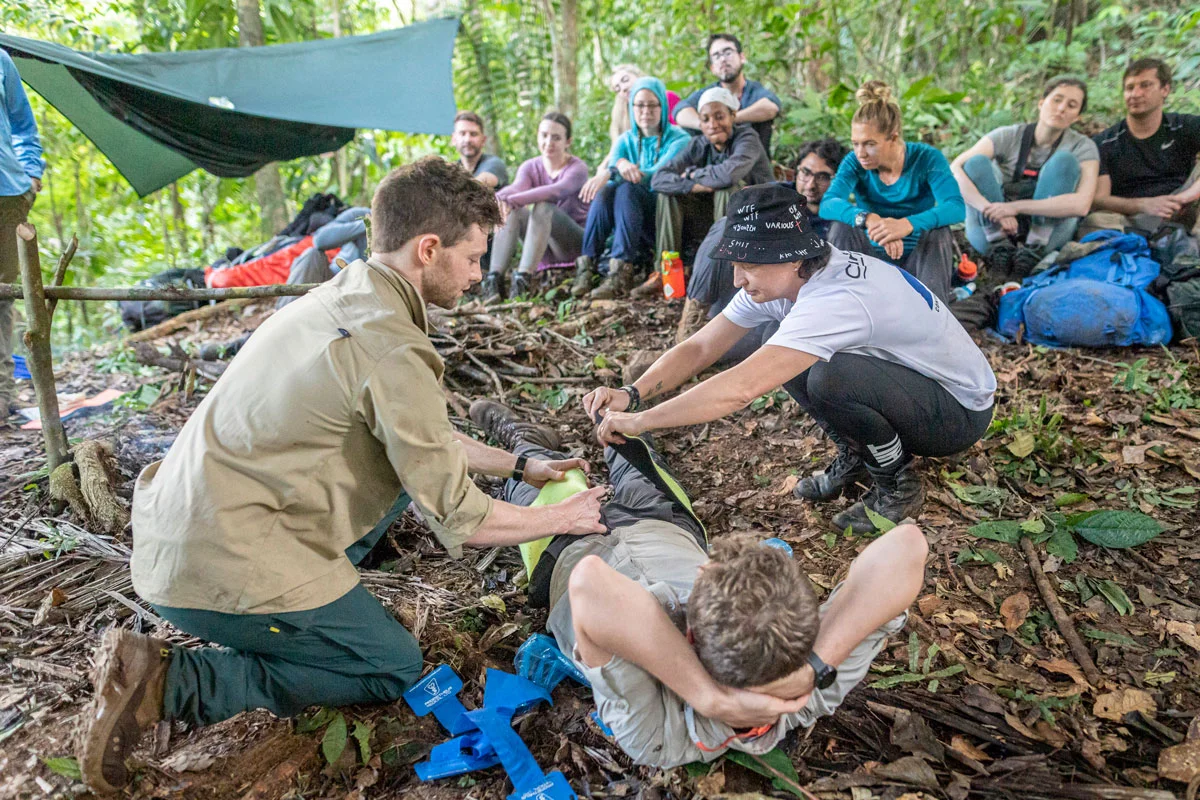
Learning takes place in the rainforest itself, combining focused teaching with practical workshops, simulations, and scenario-based learning. Training is shaped by heat, humidity, terrain, and remoteness, ensuring skills are developed in conditions that reflect real jungle environments.
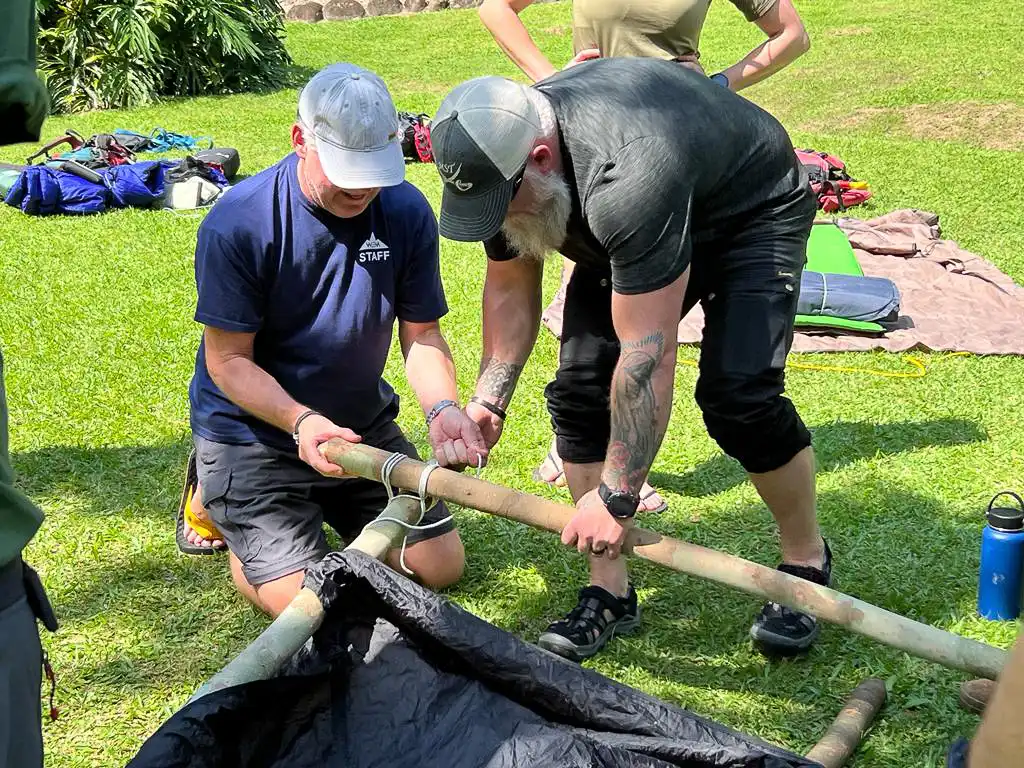
Expert Faculty & Local Expedition Specialists
You’ll be taught by experienced medical faculty working alongside local expedition specialists with deep knowledge of the Costa Rican jungle. This integrated approach ensures clinical learning is grounded in real-world movement, environmental risk, and expedition decision-making.
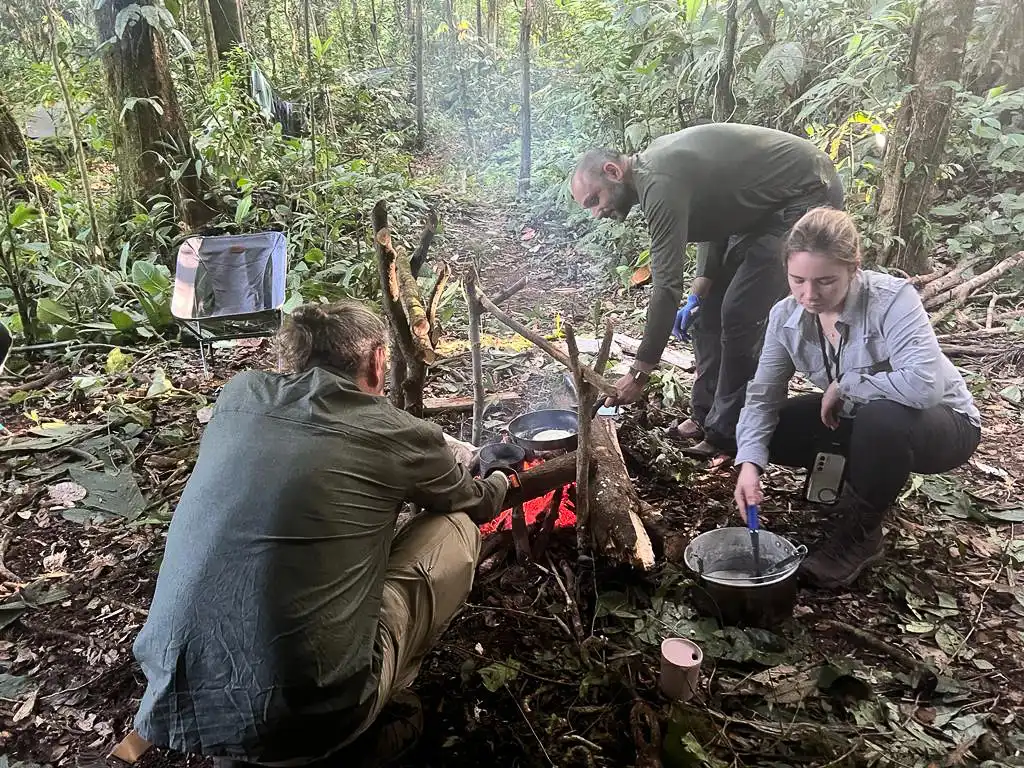
Accommodation, Meals & Expedition Logistics
Your course fee includes accommodation and meals throughout the course, as well as logistical support during river travel, jungle movement, and the expedition phase. From rafting into camp to operating in remote base locations, logistics are managed so you can focus fully on learning.
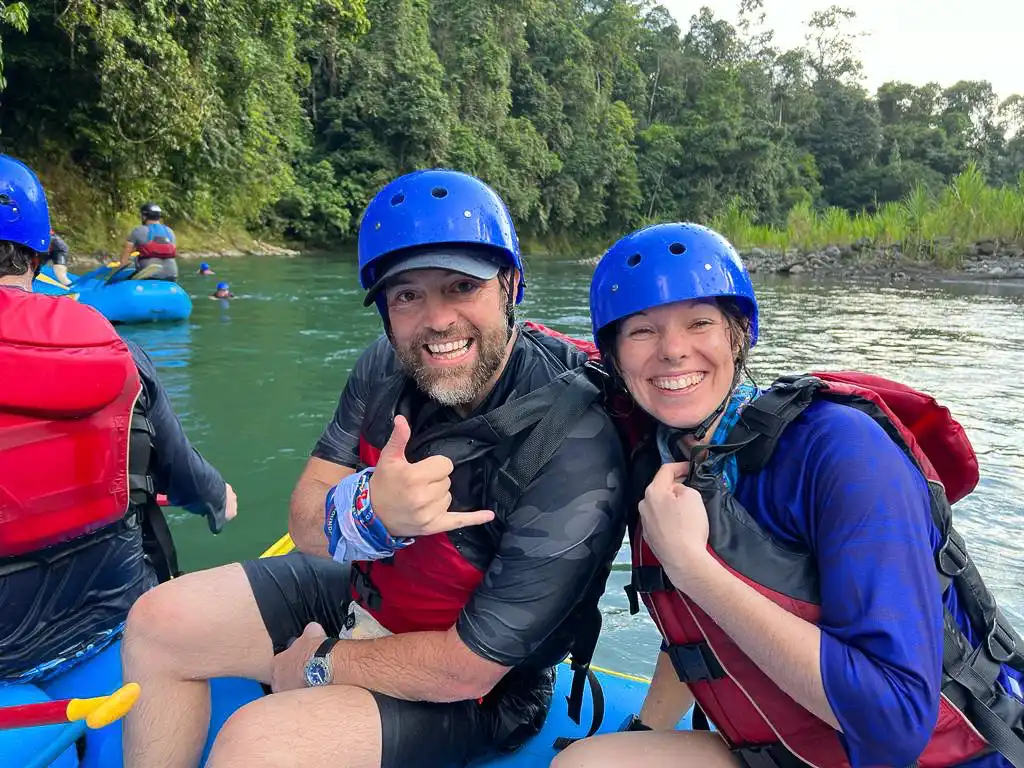
CPD & CME Certification
This course has been awarded 36 CPD hours by The Royal College of Surgeons of Edinburgh and is approved for 30.25 AMA PRA Category 1 Credits™*. Certification is provided on successful completion of the course.
Book Now
GBP £2,595.00
Frequently Asked Questions
Is this course right for me?
This course is designed for healthcare professionals and students who want to apply their clinical skills in tropical and jungle environments. It’s particularly suited to those interested in expedition, wilderness, humanitarian, or adventure medicine. The course focuses on clinical decision-making, adaptability, teamwork, and operating safely in hot, humid, resource-limited settings rather than technical jungle survival alone.
Do I need previous expedition or wilderness medicine training?
It’s recommended that participants have attended an Expedition & Wilderness Medicine course within the last 18 months. The Jungle Medicine course builds on these foundations and applies them to tropical and jungle environments. If you’re unsure whether this is the right next step, we recommend using the Course Fit Checker or booking a discovery call.
What level of fitness is required?
You don’t need to be an elite athlete, but a good level of physical fitness will help you get the most from the course. You should be comfortable walking for extended periods in hot, humid conditions while carrying a pack, as well as taking part in activities such as river crossings, rafting, and jungle trekking. Being physically prepared will allow you to focus on learning rather than fatigue.
What course content is covered?
This Jungle Medicine course covers the medical, environmental, logistical, and human factors considerations of working in tropical and jungle environments.
Content includes:
- Snake and Wildlife Centre visit
- River rafting
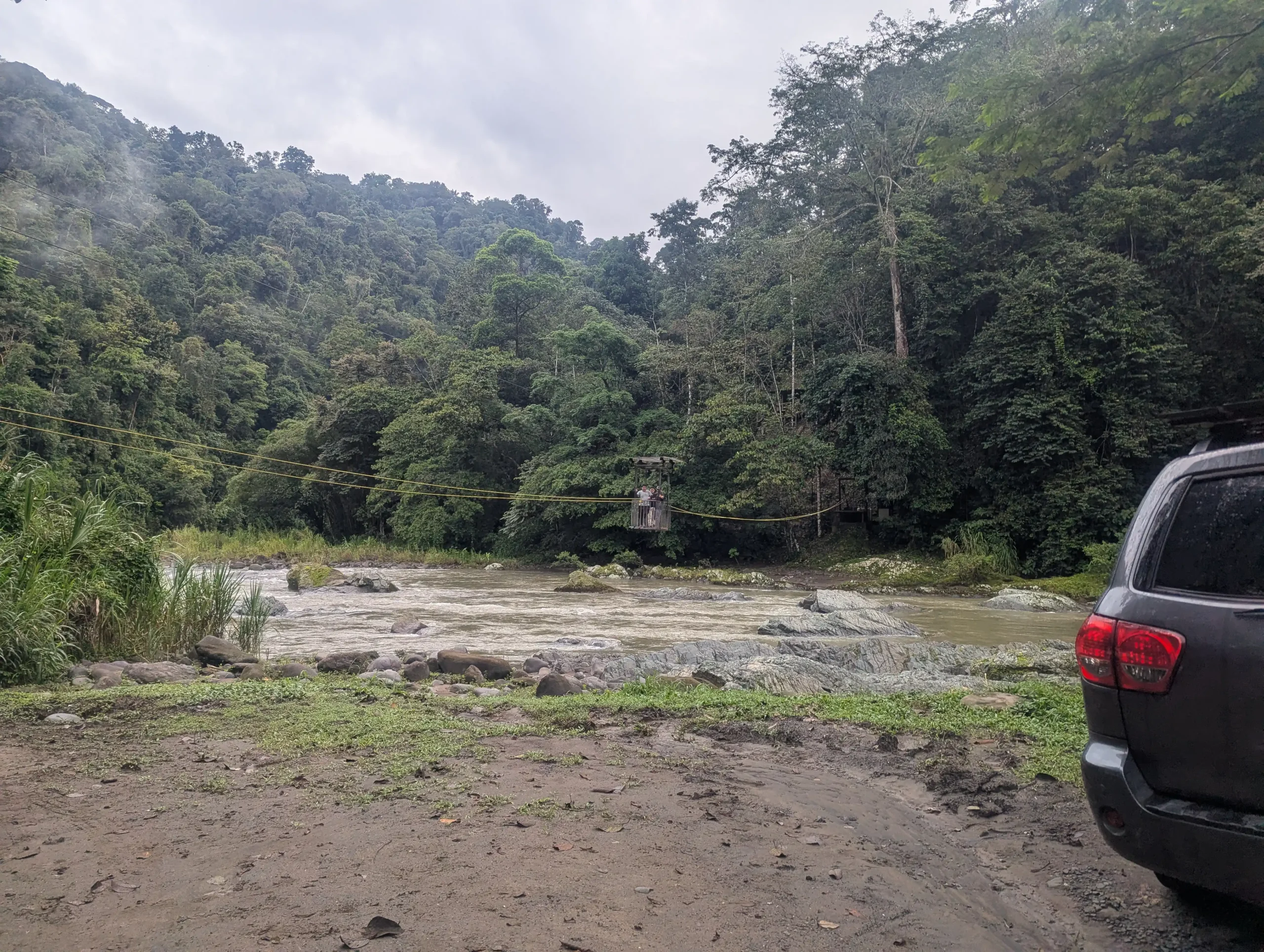
- River crossing and swift water danger awareness
- Tropical medicine
- Jungle/tropical public health
- Bites and stings
- Jungle casevac and med planning
- Heat illness
- Water purification
- Bag pack
- Fire lighting
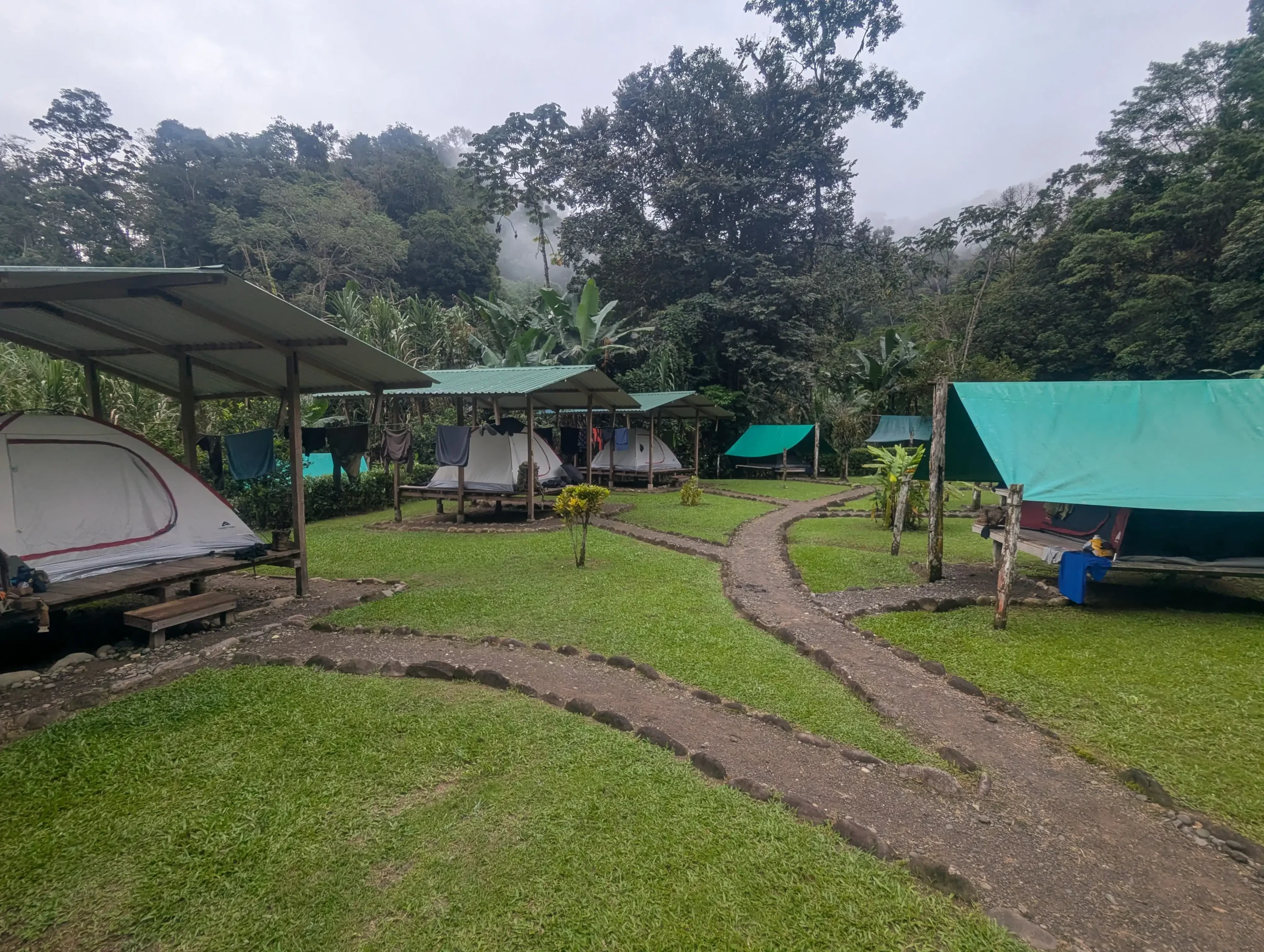
- Camp craft skills
- Hammock and tarp set up, and shelter
- Jungle stretchers and carries
- Safe machete use
- Jungle Comms
- Jungle navigation
- Blisters and footcare
- Skin and tropical dermatology
- Snake bite management
- Medical emergency management in the jungle or tropics
- Prolonged casualty care
Teaching is delivered through a mix of practical workshops, simulations, focused teaching sessions, and a multi-day jungle expedition.
What kit do I need to bring?
Please follow the kit list and bring adequate kit. Jungle environments are hot, humid, wet, and physically demanding, so it’s essential you’re equipped to deal with prolonged humidity, heavy rainfall, river crossings, and minimalist camping conditions.
As a minimum we recommend you bring:
You need to be prepared for heat, humidity, rain, mud, and water immersion. When operating in the jungle you must be fully prepared for rapidly changing conditions and limited opportunities to dry kit. If you have any questions about equipment, just give us a call or send an email.
Packing:
You need a hiking rucksack that is at least 70 litres for the jungle hike. The rucksack needs to be able to fit your personal kit for 2 nights minimalist camping. If you have a large volume sleeping bag, you may need a bigger bag. You will also need to split food and cooking equipment between your team (usually about 6-8 people).
A daysack (20-40litres) is useful for our shorter hike and as hand luggage on the plane. You don’t need a 40L daysack, but don’t buy a new smaller bag if all you have is a 40L, for example. We recommend a day sack of approximately 25L with cover as ideal.
Sleeping:
- 2 season sleeping bag
- If you are someone who gets cold easily, a sleeping bag liner can make your sleeping bag warmer
- 20+ meters paracord or utility cord for erecting shelter and repairs
- Lightweight hammock (the Hennessy Hammock is the best, includes, hammock, mosquito net and tarp/flysheet). If your hammock is not all inclusive you will need a lightweight hammock (fabric not string), a tarp/flysheet, and a mosquito net.
- Small adventure mat (optional) for use when stepping out of your hammock
Jungle trekking:
- Waterproof jacket- useful, however breathable fabrics do not work well in high humidity. Gore-Tex waterproof jackets are the best. When it rains in Costa Rica…it pours.
- Umbrella- optional but surprisingly useful!
- 3 quick-dry long sleeve shirts (safari type shirts or polyester/quick-dry)
- 3 T-shirts (polyester/quick-dry)
- 2-3 pairs of lightweight quick dry trousers
- 4 pairs of socks – at least 4 – but all will get soaking!
- 1 pairs of shorts, lightweight
- 1 lightweight fleece (polyester, quick-dry)
- 1 broad-brimmed hat, 360° ideally, or buff and sun cap is another option
- 1 pair of work gloves (leather garden gloves)
- Jungle boots – NOT walking shoes/trainers, you need ankle support. The US/British military jungle boots are popular but need breaking in and female sizes can be very difficult to get hold of so start looking early! If you cannot find jungle boots, then summer/lightweight walking boots that drain water and are NOT waterproof are a second option
- 1 pair of Teva-type sandals – for rafting and around camp / better with straps if for swimming
- 1 pair of swimming trunks/costume
- 1 quick dry towel/sarong
- Rucksack liners and separate dry bags for equipment (more the better, we will be doing river crossings)
- Rucksack outer – waterproof shell OR everything inside dry bags inside your bag
- You need at least 2 litre water carrying capacity. Options include 2 x 1 litre water bottles, wide-mouthed Nalgene type, or 1 x 2 litre bladder water container such as Camelbak or Platypus. If you are someone who sips away whilst walking in the heat then the water bladder may be a better option for you. But we would still recommend bringing a wide mouthed bottle for around other camp. Cleaning water bladders can also be tricky if you are away for a long period of time (less relevant for this trip).
- Water disinfection – please bring at least 2 different options -we will look at different options and learn about methods of disinfection whilst we are away. 2 methods are always better than 1. Chlorine dioxide, UV sterilisation pen, life straw, Grayl bottle are some options.
Toiletries:
- Biodegradable soaps and shampoo
- Lip balm with SPF / sun block
- Personal toiletries
- Suntan lotion (no less than SPF 20). Many of us use SPF 50.
- Insect repellent, DEET 100/‘expedition’ skin-so-soft bug guard (brilliant – SPF / repellent and water resistant)/ Avon Skin so Soft. You may need to experiment, different people find different products work for them in different places
Cooking and eating:
- Hand gel
- Mess tins x1/bowl/plate – own choice
- Mug – best if it has a top
- Spoon or spork
- Matches, waterproof container (old camera film case) and strike board
- Lighter
- Tinder box equipment if you have one – be careful where you are flying through and what you are allowed to bring
Navigation:
- Compass
- GPS if you have one
- Whistle
Miscellaneous:
- Camera in case
- Binoculars (optional) – there is a lot of bird life and wildlife in Costa Rica
- Sunglasses – and spare pair is a good idea
- Torch – Head torch is best and spare batteries
- Small candle or portable light (optional)
- Solar chargers (optional) – there is no power at the course venue. A better option is portable power packs for charging phones and devices.
Important – Never leave kit preparation until the last minute. Jungle environments are unforgiving of poor kit choices. Prepare well in advance, test your equipment, and review your kit several weeks before departure.
Do I need specialist equipment?
Yes. Some specialist jungle-specific equipment is required, including appropriate footwear, hammock systems, and water purification methods. Guidance on what to bring, what is provided, and what can be sourced locally is included in your joining instructions once booked.
What are the conditions like?
Expect hot, humid, and wet conditions, with temperatures often exceeding those most participants are used to working in. Terrain can be challenging, visibility limited, and access to resources restricted. These conditions form a key part of the learning experience, and faculty will guide you on how to manage yourself, your kit, and patients safely in this environment.
Do I need travel insurance to attend?
Yes. Comprehensive travel insurance is mandatory and must cover the activities undertaken on the course, including rafting, trekking, and emergency medical evacuation. You’ll be required to provide insurance details before the course begins.
What support is available before the course starts?
Ahead of the course, you’ll receive access to a WhatsApp group where you can ask questions, share travel plans, and connect with fellow participants and faculty. Optional pre-course resources are also provided for those who like to prepare in advance.
I have another question
If you wish to learn more or have any additional questions, we invite you to book a 30-minute discovery call with our team.
→ Click here to book a discovery call.
The call will be with the team who organise our courses and work closely with our medical teaching faculty. They’re best placed to explain what our attendees really get out of attending a course with us.
You can choose between a video or voice call — whatever suits you best.
Register for a time that works for you, and we look forward to speaking with you soon.
Prefer email? Then feel free to contact us.
*This activity has been planned and implemented in accordance with the accreditation requirements and policies of the Accreditation Council for Continuing Medical Education (ACCME) through the joint providership of the Wilderness Medical Society (WMS) and World Extreme Medicine. The WMS is accredited by the ACCME to provide continuing medical education for physicians.
The Wilderness Medical Society designates this enduring material activity for a maximum of 30.25 AMA PRA Category 1 Credit(s)™. Each physician should claim only the credit commensurate with the extent of their participation in the activity.
Your Safety
The comprehensive curriculum and field scenarios are carefully designed to push your limits while mitigating risks.
We take every precaution to keep participants safe by:
- Rigorous gear checks before all expedition days
- Mandatory evacuation insurance policies
- Close coordination with local emergency responders