
A few weeks ago, I had the opportunity to join World Extreme Medicine’s Expedition & Wilderness Medicine Course at Plas y Brenin in North Wales. As someone who usually works behind the scenes in marketing rather than out in the field, attending the course firsthand gave me a completely different perspective on what expedition medicine training actually looks like in practice.
The Expedition & Wilderness Medicine course is often the starting point for people entering the world of extreme medicine. It’s designed to build the foundations needed to work safely and effectively in remote, resource-limited environments, while also helping attendees discover which areas of wilderness or expedition medicine they may want to explore further.
Throughout the week, I had the chance to represent WEM alongside the faculty, speak to attendees about why they joined the course, and document the experience through photography and content creation.
What struck me immediately was the pace of the course.
From early morning through to the evening most days, the timetable was packed with lectures, practical workshops, scenario-based learning, and discussions covering everything from human factors and expedition planning to fracture management, wound care, altitude medicine, communications, water sanitation, and tropical medicine, with how much knowledge and skills that are taught over the week, you really get immersed into this world.
The structure of the course makes a lot of sense once you experience it firsthand.
Rather than trying to turn attendees into experts in every environment within four days, the course acts as a gateway into the wider world of expedition and wilderness medicine. It gives people the core skills and understanding needed to operate within an expedition team, while also exposing them to different environments and specialties they may later choose to pursue further.
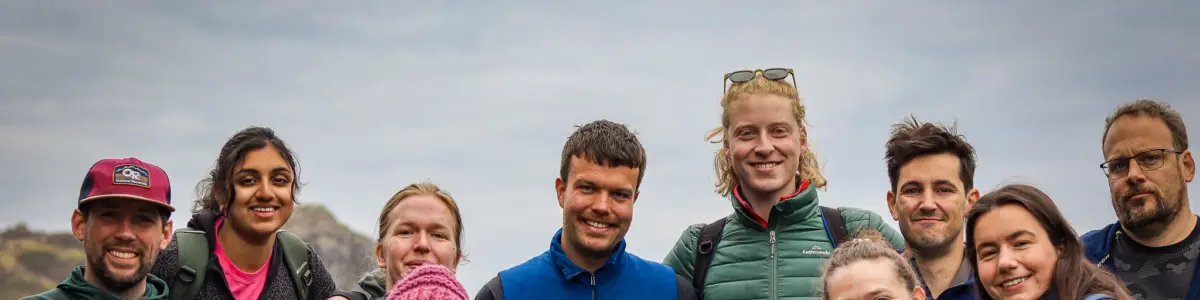
One of the most interesting parts of the week was seeing the diversity of the participants.
There were paramedics, doctors, medical students, vets, mountain leaders, and people with extensive outdoor experience all learning alongside one another. Everyone arrived with completely different backgrounds, which created an environment where people constantly learned from each other, not just the faculty.
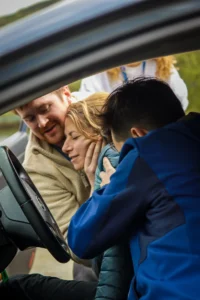
Some workshops naturally played to certain people’s strengths. A road traffic collision scenario might feel familiar to someone working in pre-hospital care, while navigation, rope work, or mountain safety might be second nature to an experienced outdoor leader. That crossover meant people were constantly stepping outside of their comfort zones and learning skills they may never otherwise encounter in their day-to-day careers.
One of my favourite parts of the week was overhearing conversations between attendees after workshops.
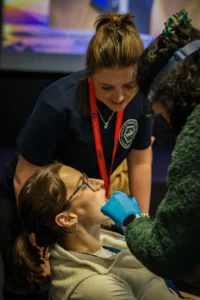
The dentistry session especially stood out to me. I remember hearing people during the session saying how much fun the workshop had been and how they had genuinely never considered dentistry as an important part of expedition medicine before.
Moments like that were really rewarding to witness.
Being able to feed those comments back to the faculty made me appreciate just how much effort goes into designing a course that not only teaches practical skills, but genuinely changes the way people think about medicine in remote environments.
Tuesday’s hill skills day ended up being one of my personal highlights.
Attendees spent the morning outside learning rope systems, knots, improvised carries, navigation, and movement in the mountains. As someone who hadn’t done anything like that since I was younger (during my prime ‘Girls Brigade’ years), it reminded me how valuable practical, hands-on learning can be. Even though I’m not training to become an expedition medic myself, being out in that environment helped many of the lectures and concepts suddenly click into place.
But beyond the medical teaching, one of the most impactful things to witness was the confidence shift across the week.
At the start of the course, many attendees understandably seemed nervous, especially those stepping into unfamiliar territory. By the final scenarios later in the week, people were naturally stepping into leadership roles, communicating more confidently, and operating far more effectively as teams.
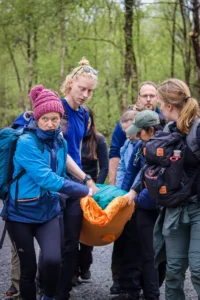
The mass casualty exercise on Thursday really brought everything together.
After days of learning individual skills, attendees were suddenly required to apply them under pressure in realistic field scenarios, the story was that 5 people failed to appear after a early morning off-track run in the woods, attendees were split into teams and it was up to them to assign roles within the group, with someone manning comms over the walkie-talkie, and others leading the group to conduct a thorough search and rescue in the wilderness.
Watching people draw on everything they’d learned throughout the week (the communication, teamwork, casualty management, leadership, and adaptability) made it easy to understand why scenario-based learning is such a core part of expedition medicine training.
One thing I wasn’t expecting was just how strong the community aspect of the course would be.
After the evening lectures (and a few drinks from the bar), attendees starting socialising late into the night, and it was a wonderful sight, seeing attendees having in-depth conversations with our faculty (the ones who have lived those lives as an expedition medic). Networking is often something people always dismiss when looking at course benefits, but it is such an important park of learning. It’s one thing watching a lecture or being taught how to make an improvised stretcher, its another thing building those connections with the people in the industry, being able to share experiences and asking the important ‘how do I become an expedition medic’ question can change a career path of an attendee overnight, do not sleep on the benefits of having these conversations.
It was also wonderful seeing attendees who were strangers at the start of the week talk and make plans after the course ends. Building connections with peers who have similar aspiration’s to you is such a wonderful perk of these courses.
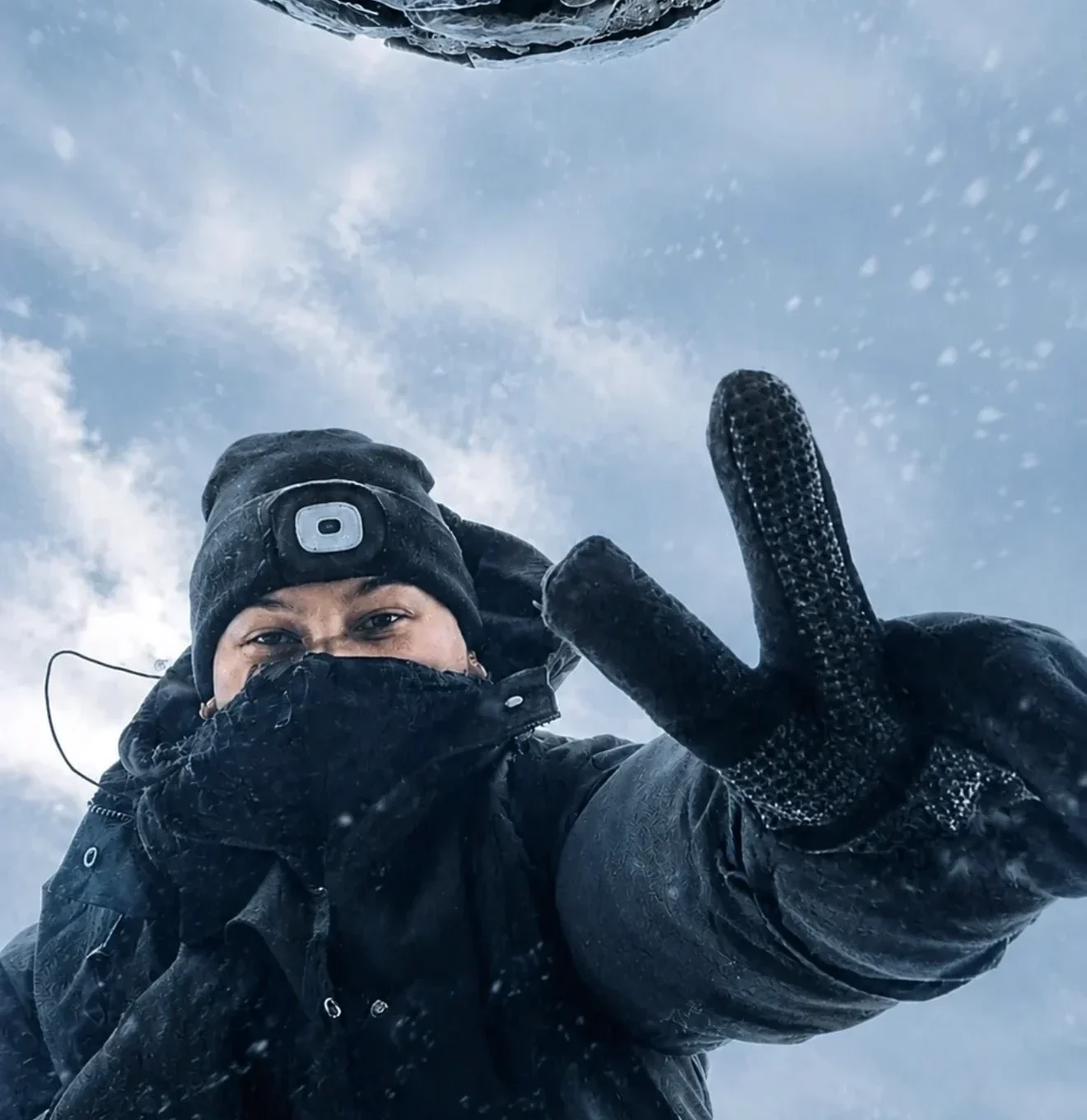
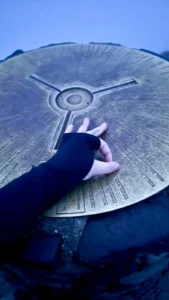
After the course ended, I ended up staying in North Wales for an extra day with the goal of summiting Yr Wyddfa for sunrise on the Friday morning. Staying at the local YHA, I discovered I was sharing accommodation with two attendees from the course. Sitting and talking with them outside of the teaching environment genuinely felt like catching up with old friends rather than people I’d only met days earlier.
What stood out most was hearing how much the course had reignited something in them.
You could see that spark, that well-known excitement to keep learning, and the confidence to pursue opportunities they may not have considered before attending. That’s ultimately what makes courses like this so valuable. It’s not just about clinical skills or expedition planning, it’s about exposing people to new environments, new ways of thinking, and new possibilities for where their careers or interests could go next.
For anyone considering an Expedition & Wilderness Medicine course and wondering whether they’d fit in, my biggest takeaway is this:
You do not need to arrive as the finished product.
The course is designed to challenge you, support you, and introduce you to a completely different style of medicine and teamwork. Whether your background is emergency medicine, general practice, veterinary medicine, the outdoors, or simply curiosity about remote and wilderness healthcare, there is space to learn, contribute, and grow.
And honestly, after seeing it firsthand, it’s very easy to understand why so many people leave wanting more.
→ Courses are also available in the UK, Australia, USA and Slovenia
→ Discover more about World Extreme Medicine