Polar Medicine Course
Norway
Course Dates
- 15 February 2027 08:00 - 21 February 2027 17:00
- 16 February 2026 08:00 - 22 February 2026 17:00
Set yourself a new challenge – extreme cold, polar medicine.
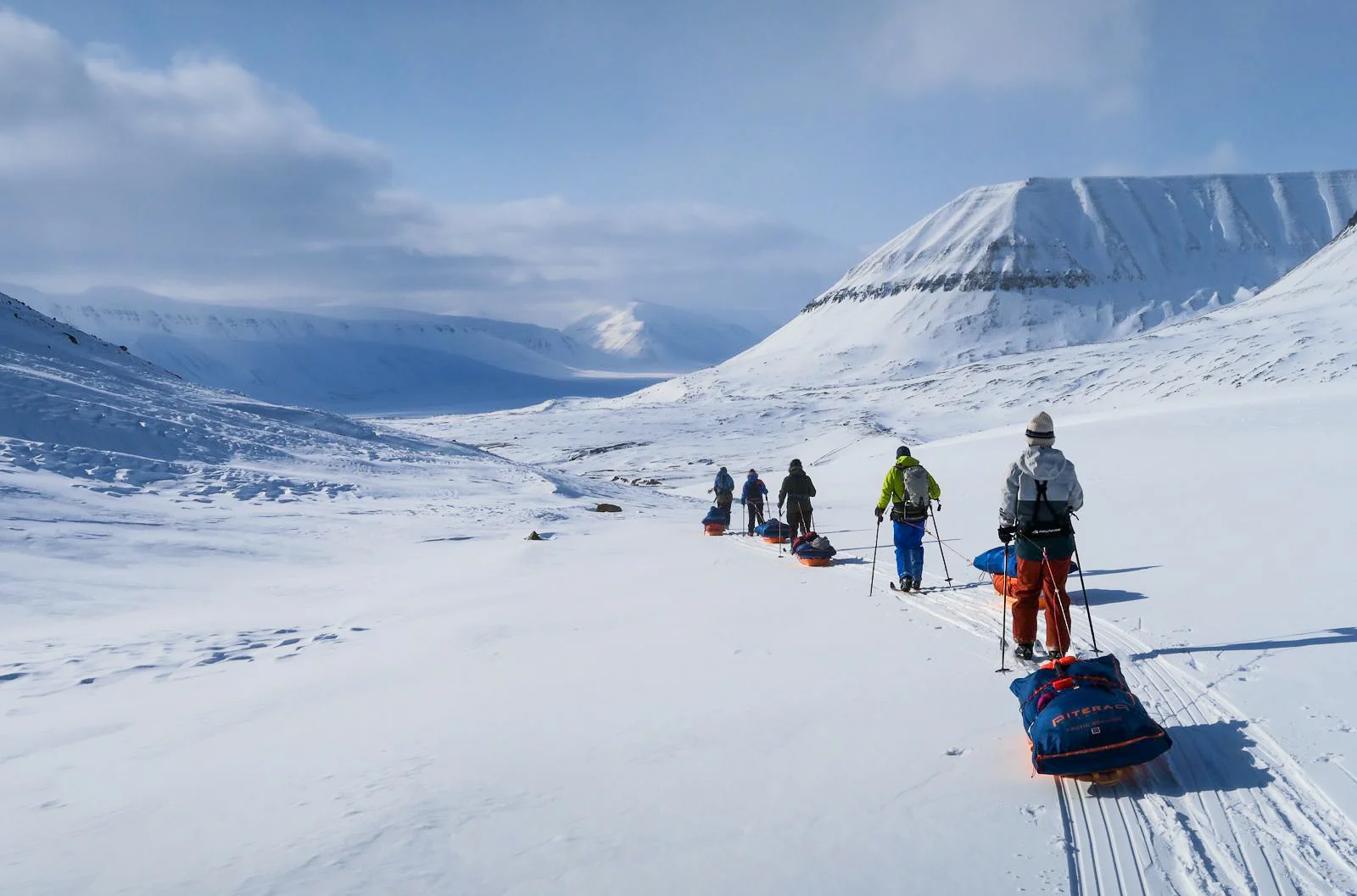
Sub-zero temperatures, isolation, and limited rescue options mean clinical decisions carry immediate consequences. This 7-day Polar Medicine course in Norway places you deep inside the Arctic Circle, where medical care must be delivered in temperatures as low as -30°C, far from roads, infrastructure, or rapid evacuation.
Through a combination of focused teaching, practical workshops, and a multi-day polar expedition, you’ll develop the judgement, resilience, and leadership required to manage patients and teams in one of the world’s most unforgiving environments. This is polar medicine as it’s practised in reality – where systems are stripped back and performance matters.
Your Teaching Faculty
Modules
Victoria

Jamie and Chris were a real joy and so experienced to have as instructors and the guides (Kaspar and Sveta) were experts in their fields. The quality of the staff was amazing and genuinely felt in the company of very accomplished people
Claire
The faculty really went the extra mile to make this course fantastic and to ensure we learnt the most we could so a huge thanks to them
Joe
Excellent course and faculty, thanks!
Omar
The tour guide Casper and Bjorn were exceptional. Thought me a lot and always looked after our safety and comfort. The host Oscar was very hospitable and caring. Our tutors Wayne, Renee and Roger were very knowledgeable and always made sure we were looked after well.
What's Included?
Field-Based Training & Polar Expedition
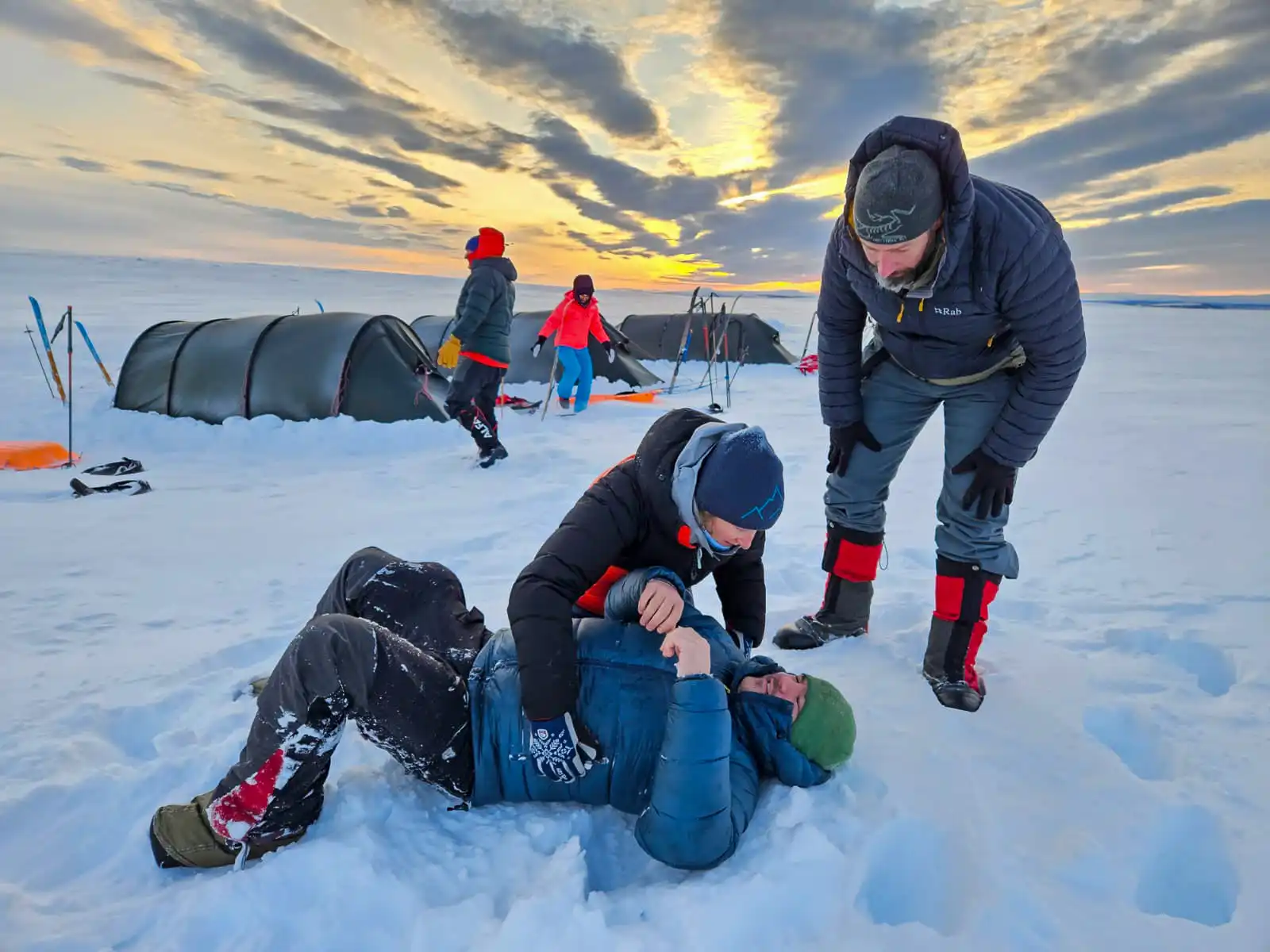
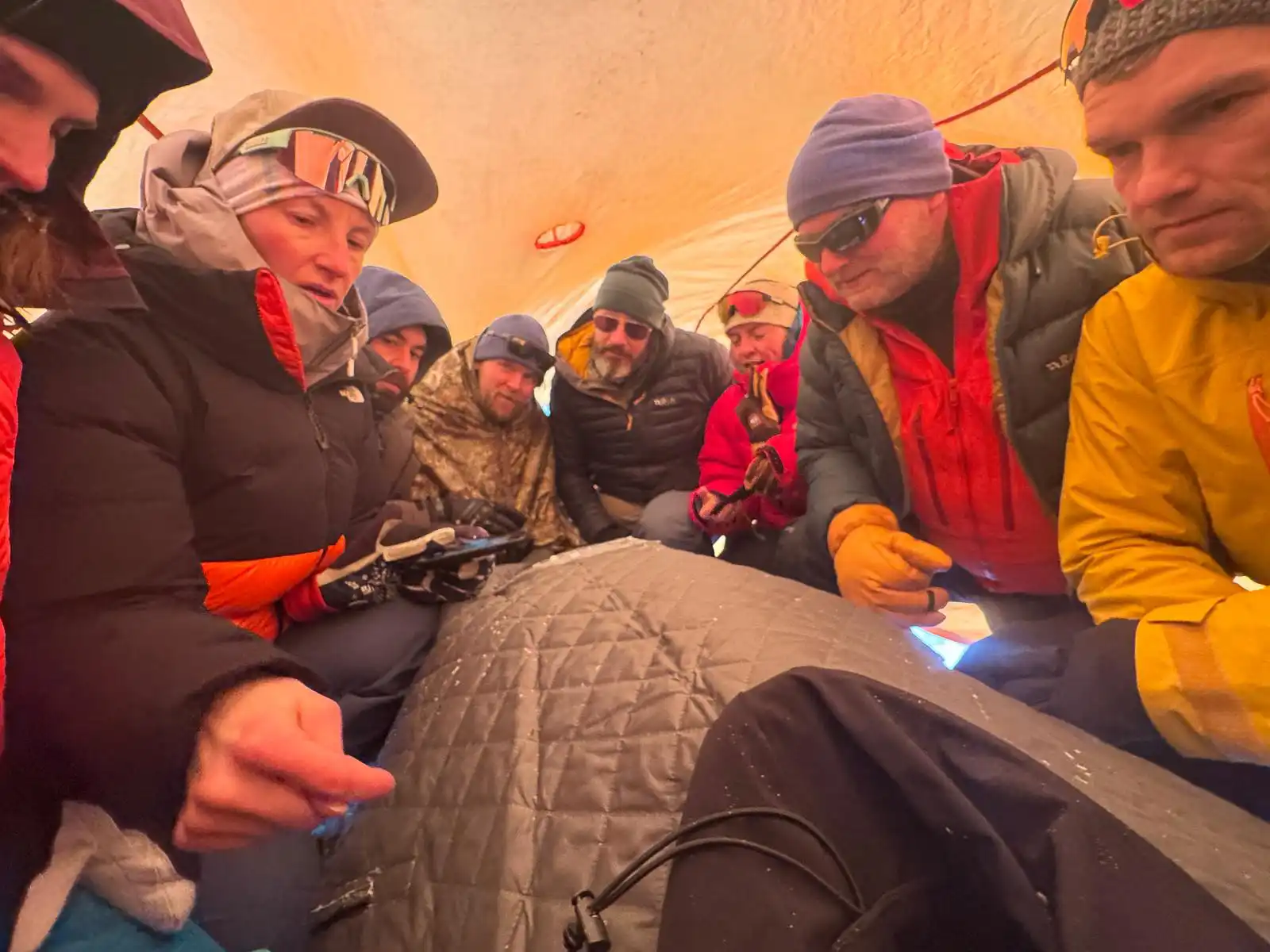
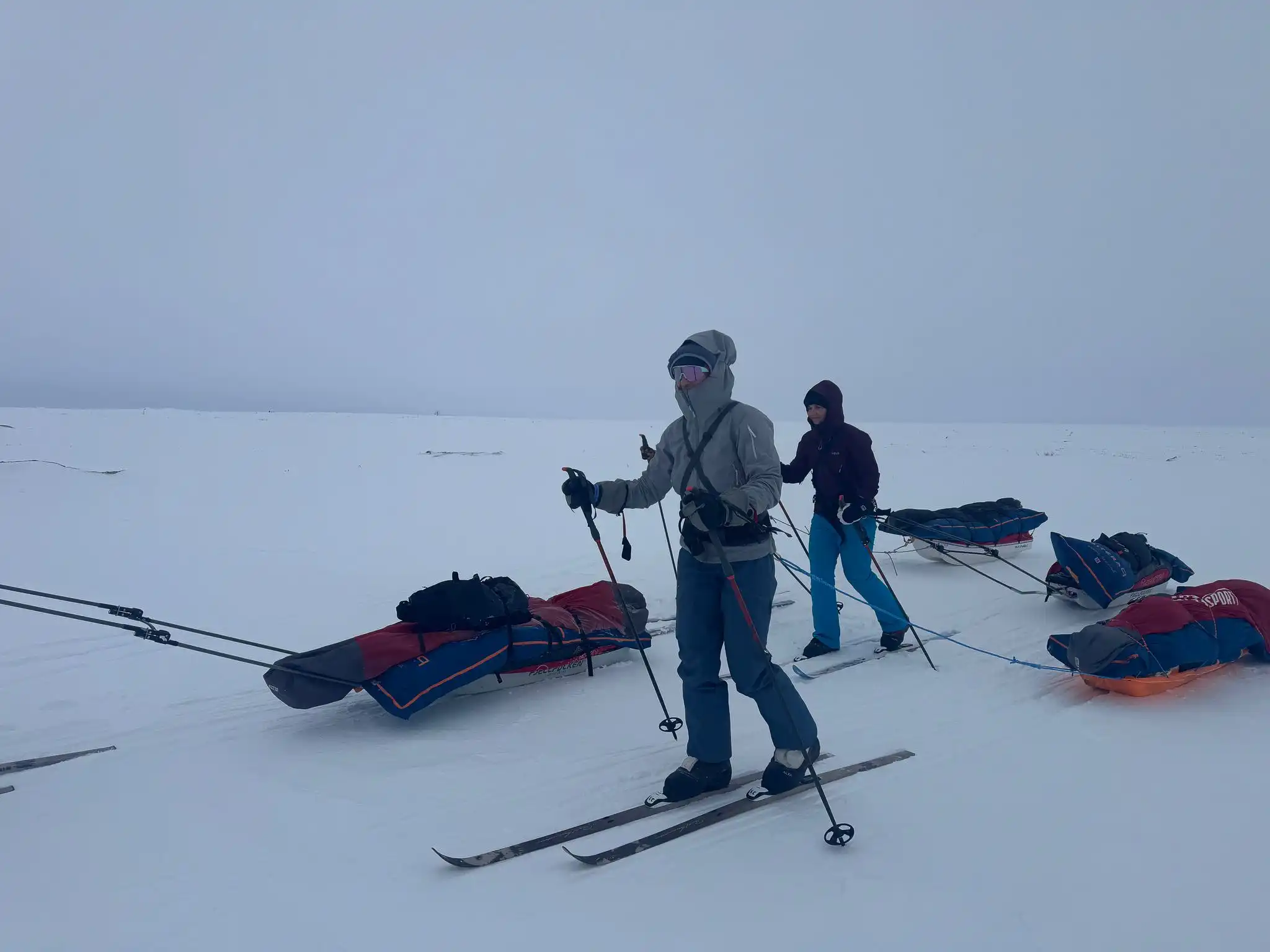
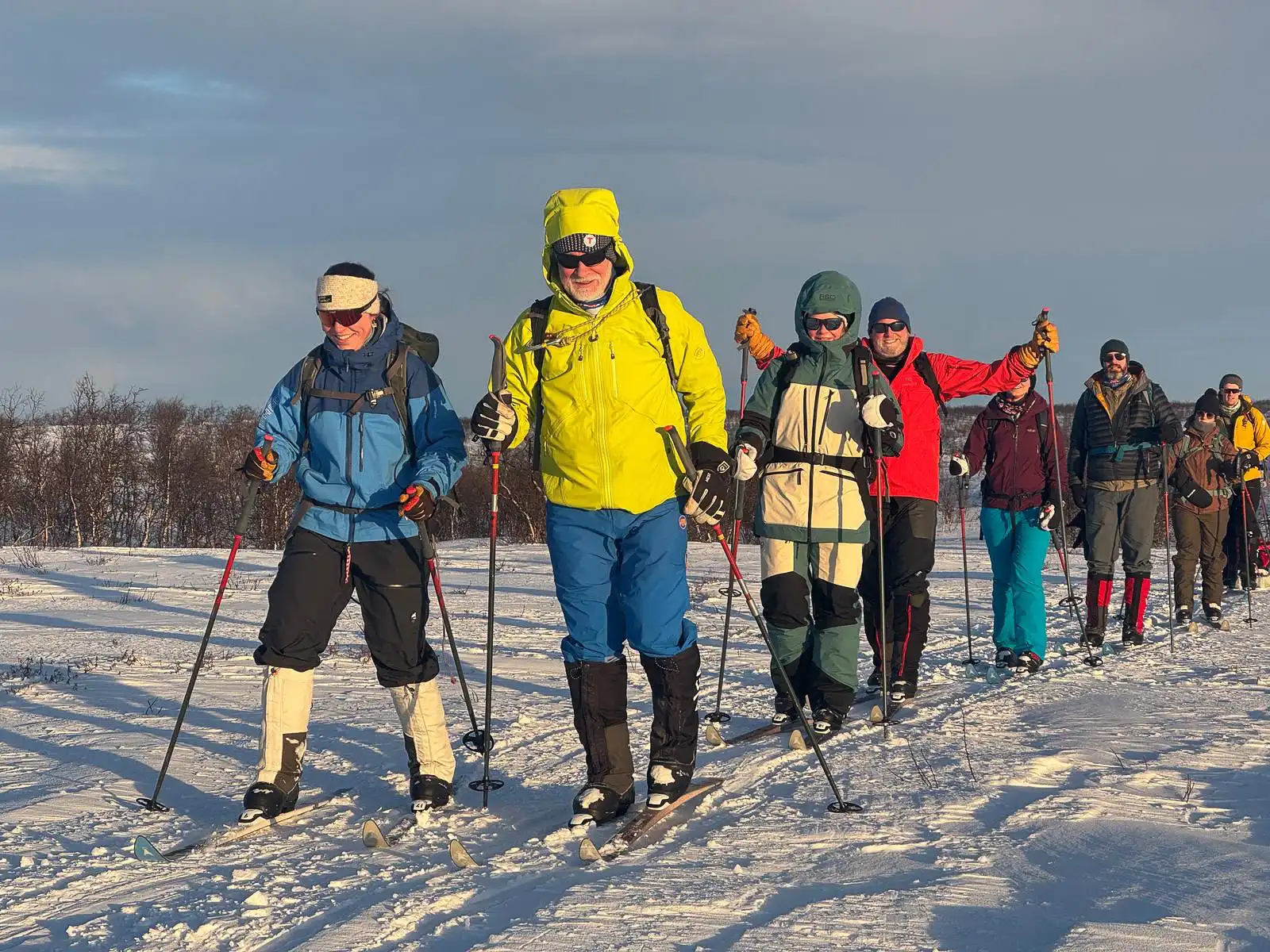
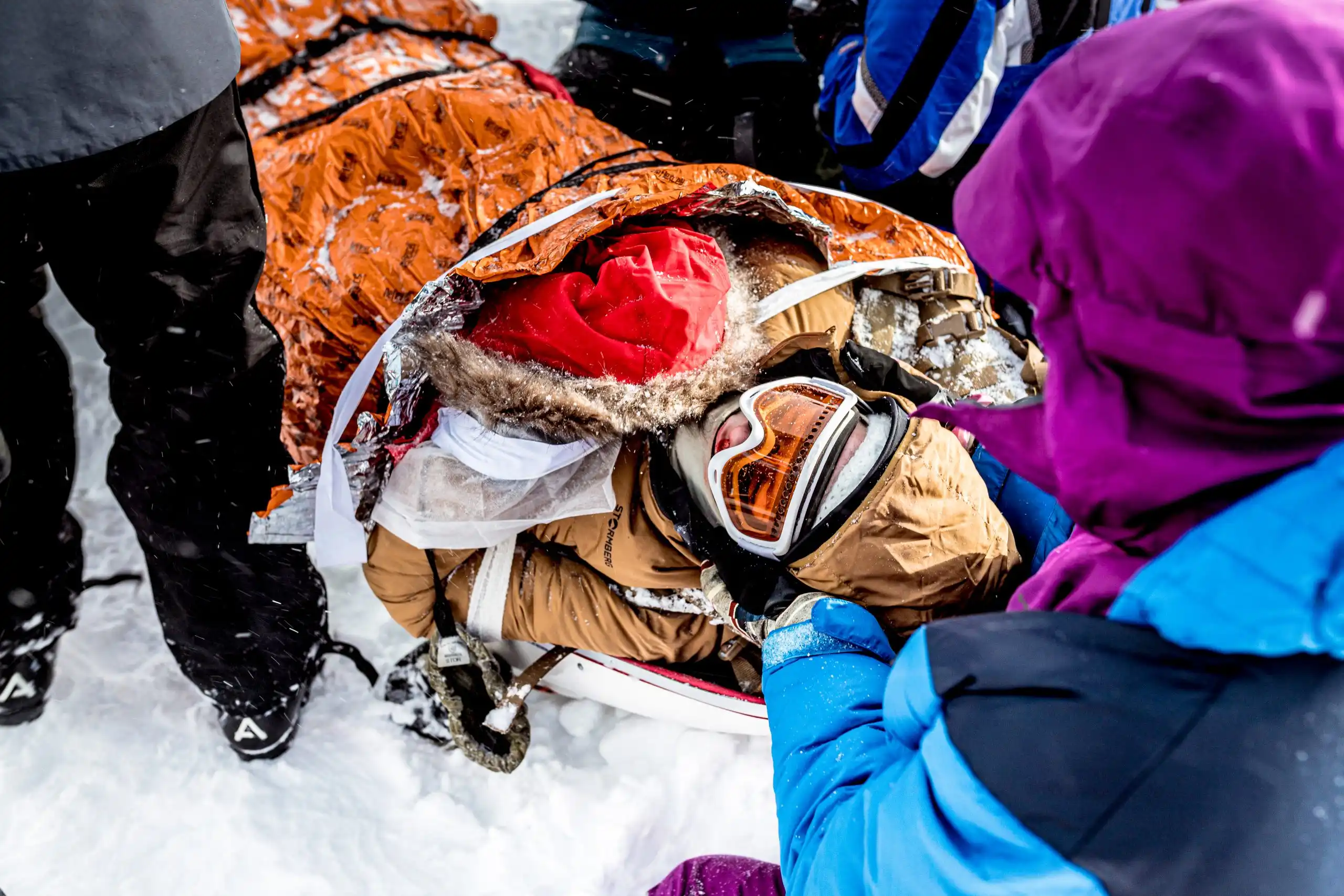
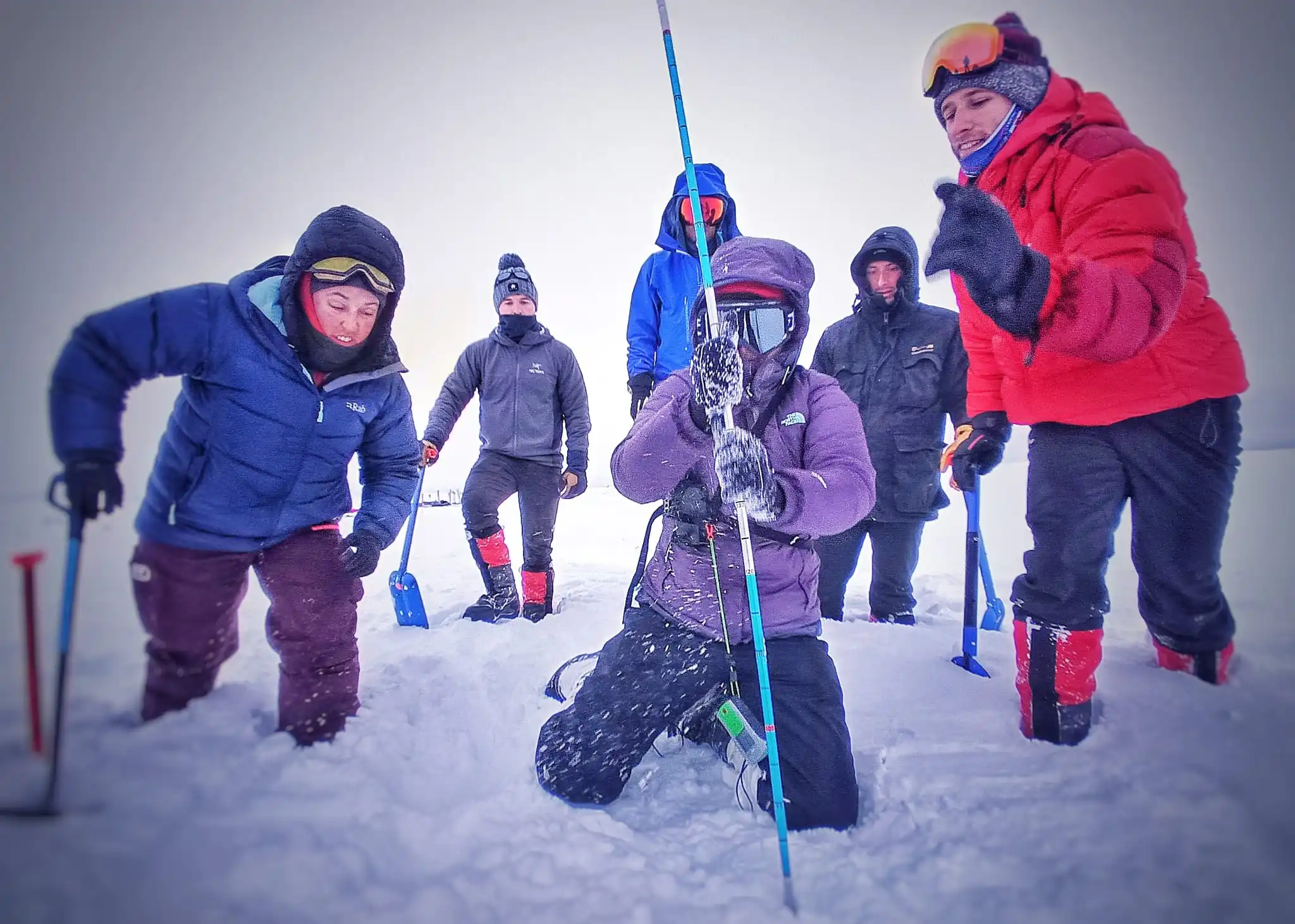
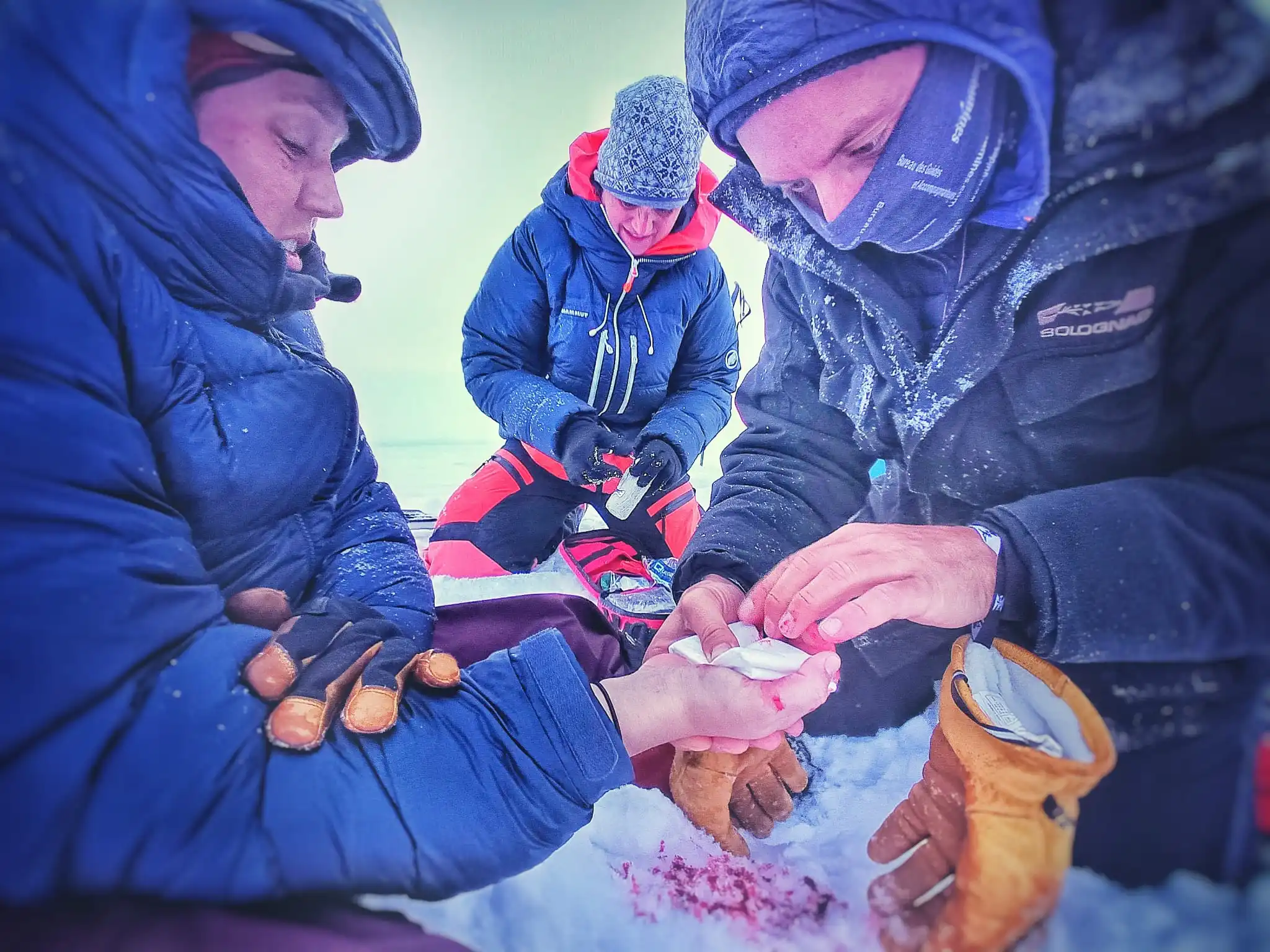
Training is delivered through hands-on workshops, scenario-based learning, and a multi-day polar expedition. You’ll learn by operating directly in Arctic environments, where cold, terrain, and isolation shape every decision.
Expert Faculty & Local Polar Guides
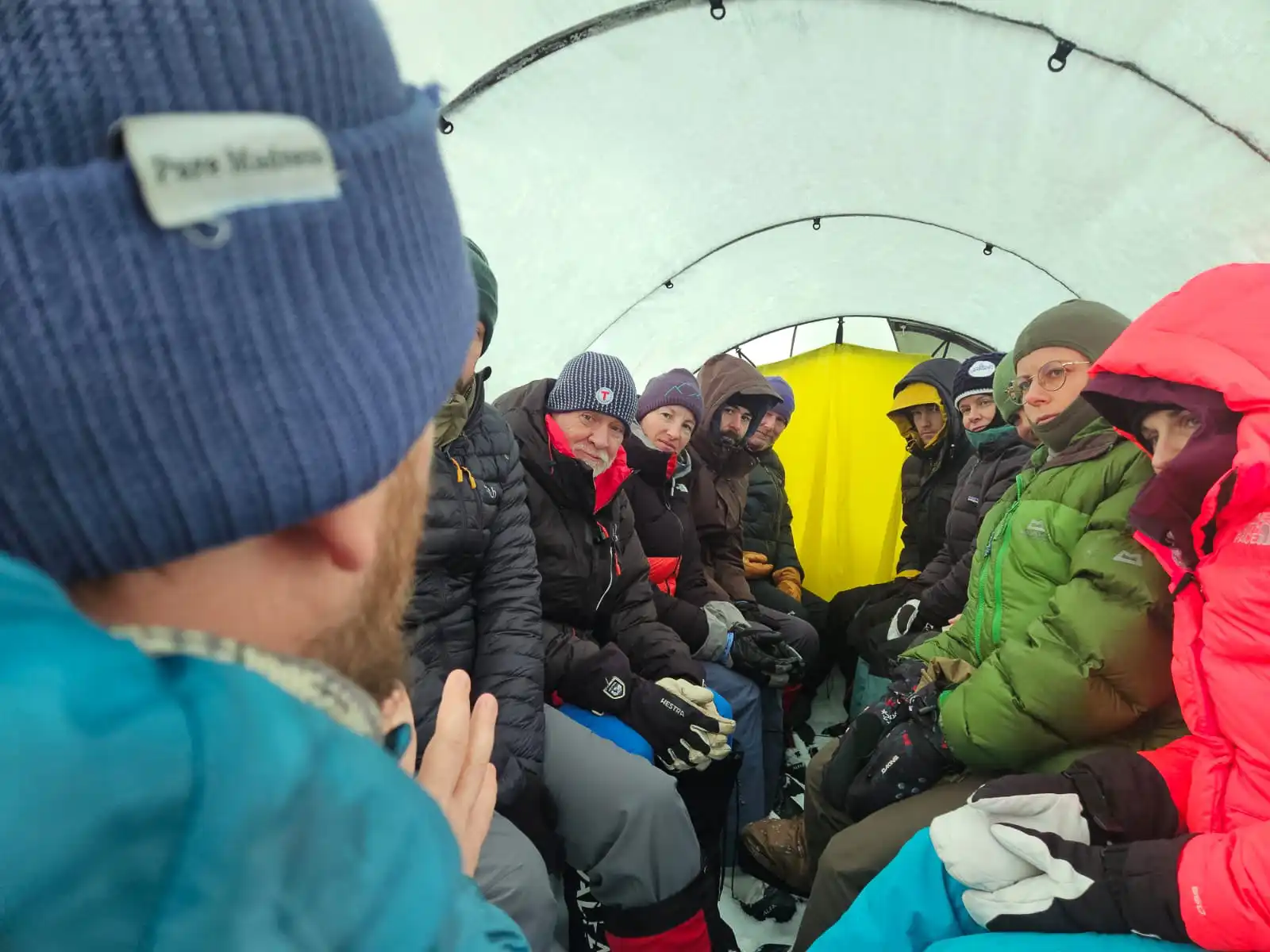
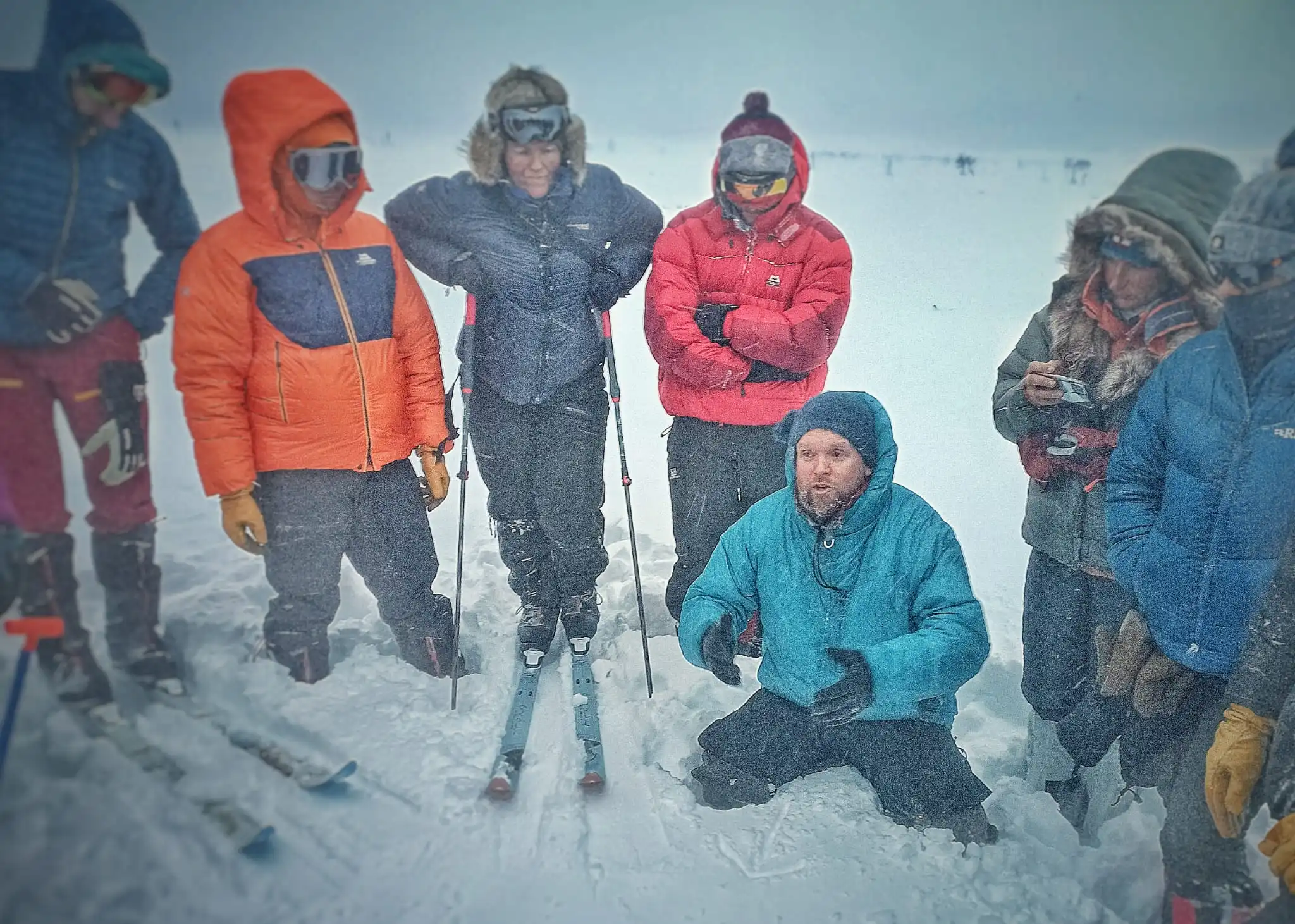
You’ll be taught by experienced expedition medics alongside expert local guides who live and work in Norway’s extreme winters. This integrated approach ensures learning is grounded in real-world polar movement, risk management, and survival.
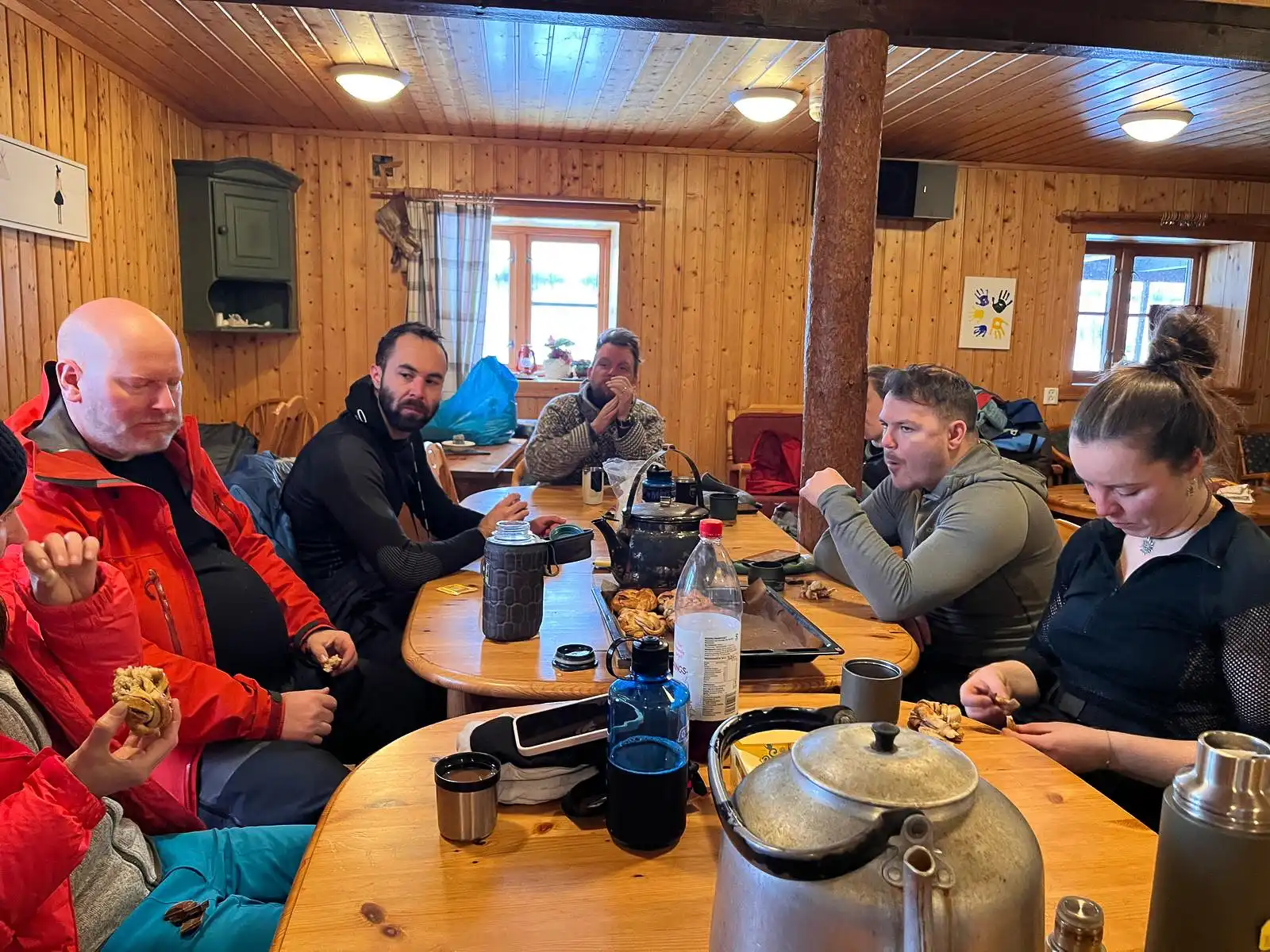
Accommodation, Meals & Expedition Logistics
Your course fee includes accommodation and meals throughout the course, including time at the remote Ravnastua Mountain Lodge and during the expedition phase. All in-country transport and logistical support are provided, allowing you to focus fully on learning and performance.
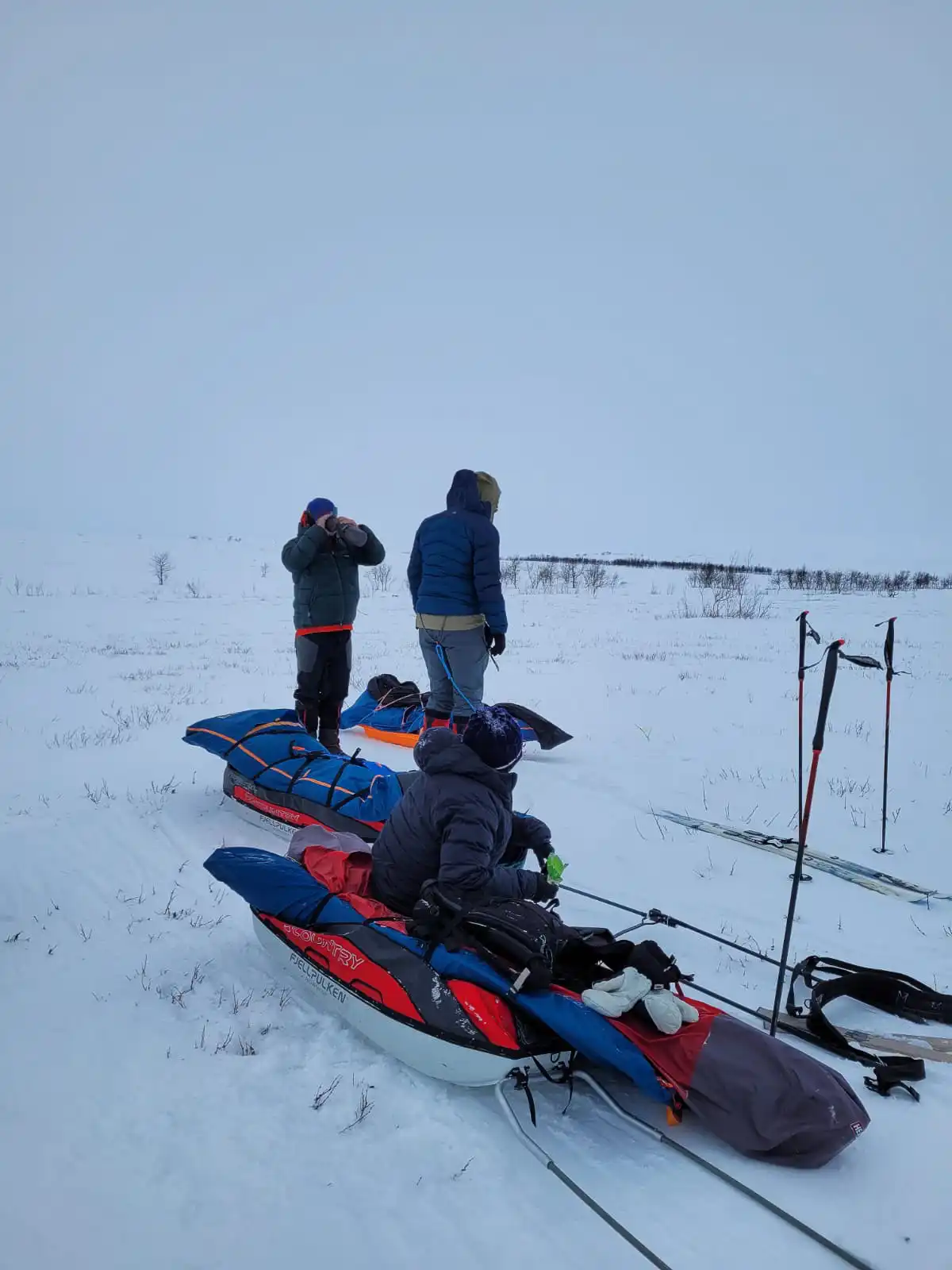
Specialist Equipment & Course Support
Skis, snowshoes, and hauling equipment are provided, along with a WEM care package containing essential items required for the course.
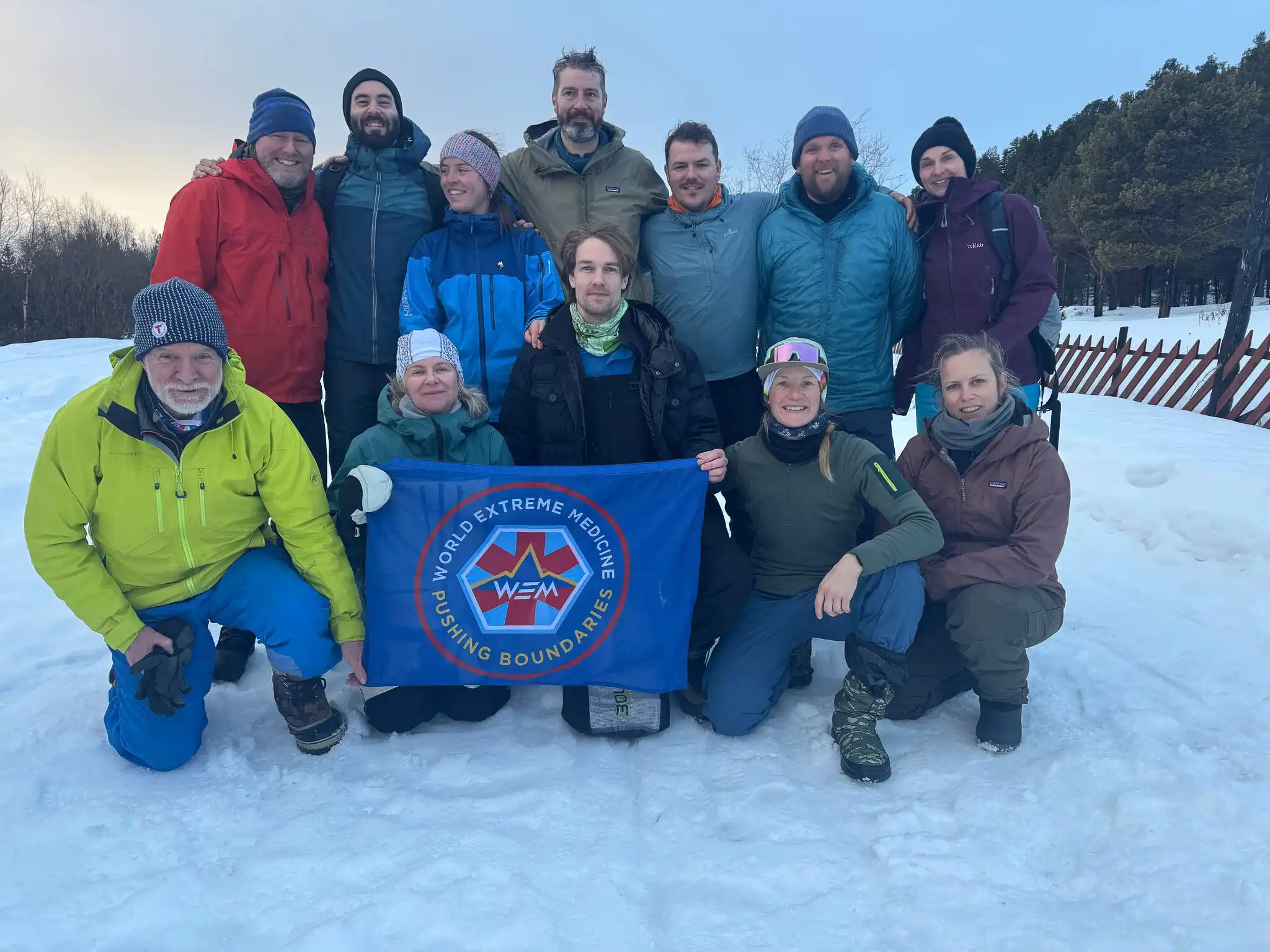
CPD Hours & Certification
This course has been awarded 37 CPD hours by The Royal College of Surgeons of Edinburgh. On completion, you’ll receive a certificate recognising your training in polar and extreme cold-environment medicine.
Book Now
Price range: GBP £3,199.00 through GBP £3,295.00
Frequently Asked Questions
Is this course right for me?
This course is designed for healthcare professionals and students who want to apply their clinical skills in polar and extreme cold environments. It’s particularly suited to those interested in expedition, wilderness, humanitarian, or remote medicine.
The course focuses on clinical decision-making, leadership, teamwork, and operating safely in severely cold, remote settings, rather than technical polar travel or expedition skills alone.
Do I need previous expedition or wilderness medicine training?
It’s recommended that participants have previously attended an Expedition & Wilderness Medicine course.
The Polar Medicine course builds on these foundations and applies them to extreme cold, Arctic environments. If you’re unsure whether this is the right next step for you, we recommend using the Course Fit Checker or booking a discovery call with the team.
What level of fitness is required?
You don’t need to be an elite athlete, but a good level of physical fitness will help you get the most from the course.
You should be comfortable moving over snow and uneven terrain while wearing cold-weather clothing and carrying kit, as well as taking part in activities such as ski or snowshoe travel and expedition days. Being physically prepared will allow you to focus on learning rather than fatigue.
What course content is covered?
This Polar Medicine course covers the medical, environmental, logistical, and human factors considerations of working in polar and extreme cold environments.
Content includes:
- Introduction to Polar Medicine
- Equipment and Clothing for Cold Weather Environments
- Hypothermia
- Cold Water Immersion
- Frostbite and Cold Injury
- Pre-Expedition Medical Screening
- Common Polar Medical Conditions
- Risk Assessment
- Medical Kits for Polar Environments
- Managing Trauma and Medical Emergencies
- Wound Care
- Medical Scenarios and Simulation
- Pulks and Kit Hauling
- Tents and Camps
- Kitchens and Stove Lighting
- Navigation
- Weather
- Terrain and Route Finding
- 3-Day Polar Expedition
Teaching is delivered through a mix of practical workshops, simulations, focused teaching sessions, and field-based expedition learning.
What kit do I need to bring?
Please follow the kit list and bring adequate kit. Polar environments are extremely cold, remote, and unforgiving, with temperatures potentially dropping as low as -30°C, so it’s essential you’re properly equipped to manage prolonged cold exposure, wind, snow, and limited shelter.
You need to be prepared for severe cold, wind, snow, and rapidly changing Arctic conditions. Appropriate layering, insulation, and extremity protection are critical. If you have any questions about equipment, just give us a call or send an email — we’re very happy to advise.
As a minimum we recommend you bring:
Outer layers
-
Shell jacket – windproof and breathable (Gore-Tex or eVent recommended). This must not be an insulated ski jacket.
-
Shell trousers or salopettes with venting zips. These must not be tight over base layers to reduce cold injury risk.
Insulation layers
-
Down or synthetic insulated jacket (thicker is better, ideally with a hood)
-
Down or synthetic gilet
-
Insulated shorts, trousers, or skirt (strongly recommended for camp and rest periods)
Base layers
-
Two sets of long-sleeve base layer tops (wool or synthetic, one mesh recommended)
-
Two sets of base layer leggings (wool or synthetic, one mesh recommended)
Fleece layers
-
Fleece top (hooded preferred). Many participants bring both a lightweight and a heavier fleece.
-
Fleece tights or trousers (mid-weight, close fitting)
Feet
-
Warm expedition-weight socks (minimum two pairs)
-
Liner socks (minimum two pairs)
-
Insulated camp booties or tent shoes
-
Warm winter boots for travel to and from the hut
-
Gaiters (essential unless your trousers have proven built-in gaiters)
Head and face
-
Ski goggles with good UV protection
-
Sunglasses (Category 3 or 4, wrap-around or side shields)
-
Buff or polar buff
-
Beanie hat
-
Balaclava (optional)
Hands
-
Liner gloves
-
Fleece gloves (1–2 pairs)
-
Thick insulated gloves (ski-style)
-
Very warm mittens (sized to fit over gloves)
-
Leather work gloves (useful around camp)
Sleeping system
-
Sleeping bag rated to at least –25°C
-
Insulated sleeping mat (4-season minimum, inflatable and/or foam)
-
Sleeping bag liner
-
Optional bivy bag for snowhole use
Sleeping bags and mats can be rented locally if required. Full details are provided once booked.
Eating and drinking
-
Wide-mouth Nalgene bottles (2–3 recommended)
-
Thermos flask and mug
-
Cutlery (spork or spoon)
-
Small container for food
Other essential items
-
Day rucksack (30–45 litres)
-
Large duffel bag for transport
-
Head torch with spare batteries
-
Compass and whistle (GPS if you have one)
-
Personal toiletries
-
Sunscreen and lip balm with SPF
-
Hand warmers
-
Personal first aid kit
-
Power pack / portable charger
-
Cash in Norwegian Krone (for optional sleeping system hire)
A full, detailed Polar Medicine kit list is provided ahead of the course and should be followed carefully.
Important – Never leave kit preparation until the last minute. Polar environments are unforgiving of poor kit choices. Prepare well in advance, test your equipment, and review your kit several weeks before departure.
Do I need specialist equipment?
Yes. Some specialist cold-weather equipment is required for this course.
Items such as skis, snowshoes, and hauling equipment are provided as part of the course. Guidance on what personal equipment to bring, what is provided, and what can be hired or sourced locally is included in your joining instructions once booked.
What are the conditions like?
Expect very cold, Arctic winter conditions, with temperatures potentially dropping as low as -30°C.
Conditions can include snow, wind, limited daylight, and remote terrain with restricted access to external support. These conditions form a core part of the learning experience, and faculty will guide you on how to manage yourself, your kit, and patients safely in extreme cold environments.
Do I need travel insurance to attend?
Yes. Comprehensive travel insurance is mandatory and must cover the activities undertaken on the course, including polar travel and emergency medical evacuation.
You’ll be required to provide insurance details before the course begins.
What support is available before the course starts?
Ahead of the course, you’ll receive access to a WhatsApp group where you can ask questions, share travel plans, and connect with fellow participants and faculty.
Optional pre-course resources are also provided for those who like to prepare in advance.
I have another question
If you wish to learn more or have any additional questions, we invite you to book a 30-minute discovery call with our team.
→ Click here to book a discovery call.
The call will be with the team who organise our courses and work closely with our medical teaching faculty. They’re best placed to explain what our attendees really get out of attending a course with us.
You can choose between a video or voice call — whatever suits you best.
Register for a time that works for you, and we look forward to speaking with you soon.
Prefer email? Then feel free to contact us.
Your Safety
The comprehensive curriculum and field scenarios are carefully designed to push your limits while mitigating risks.
We take every precaution to keep participants safe by:
- Rigorous gear checks before all expedition days
- Mandatory evacuation insurance policies
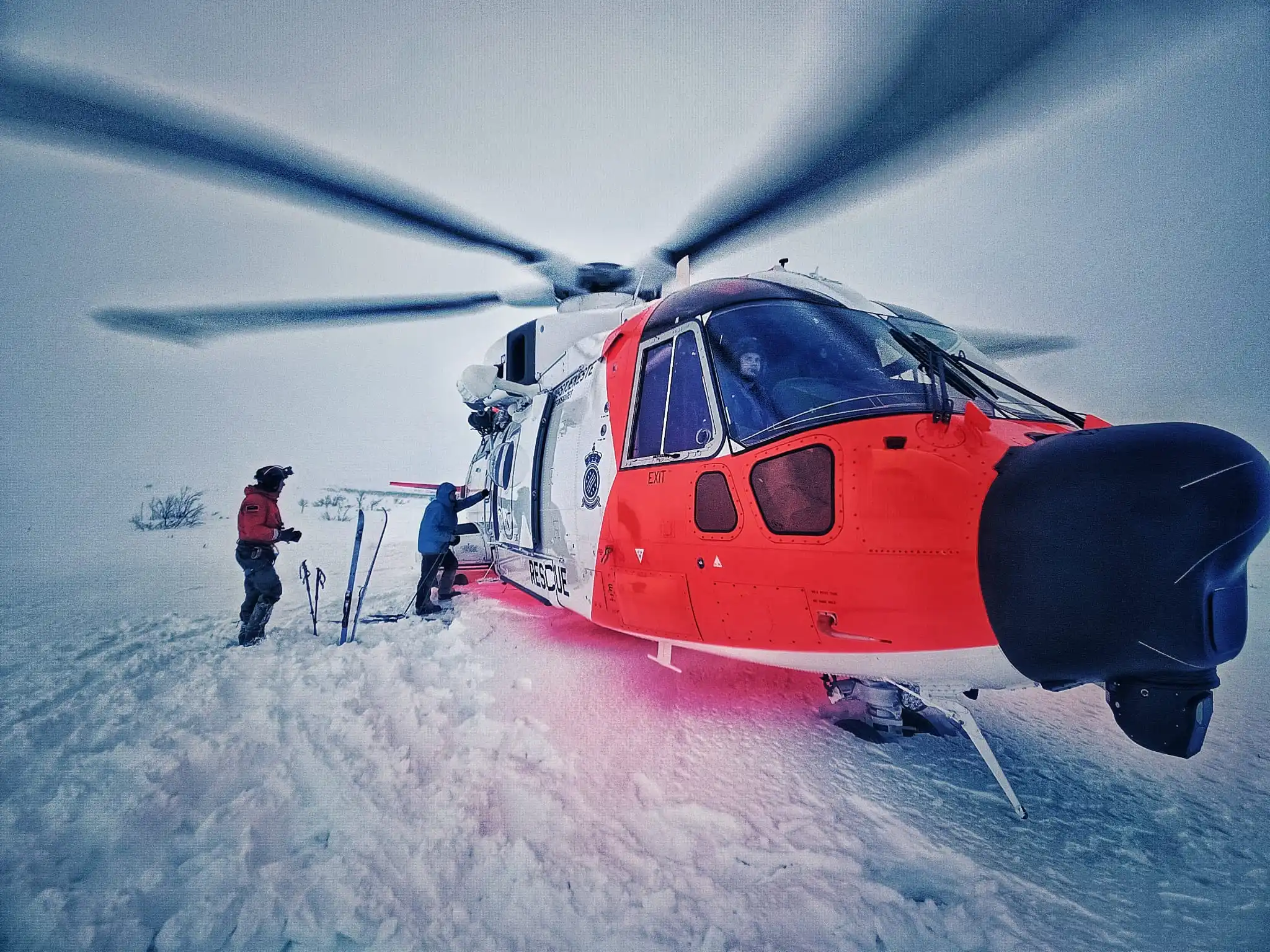
- Close coordination with local emergency responders