Selvaggio Blu Expedition


Sardinia
An eight-day expedition combining wilderness medicine education with one of Europe’s most demanding and spectacular coastal treks.
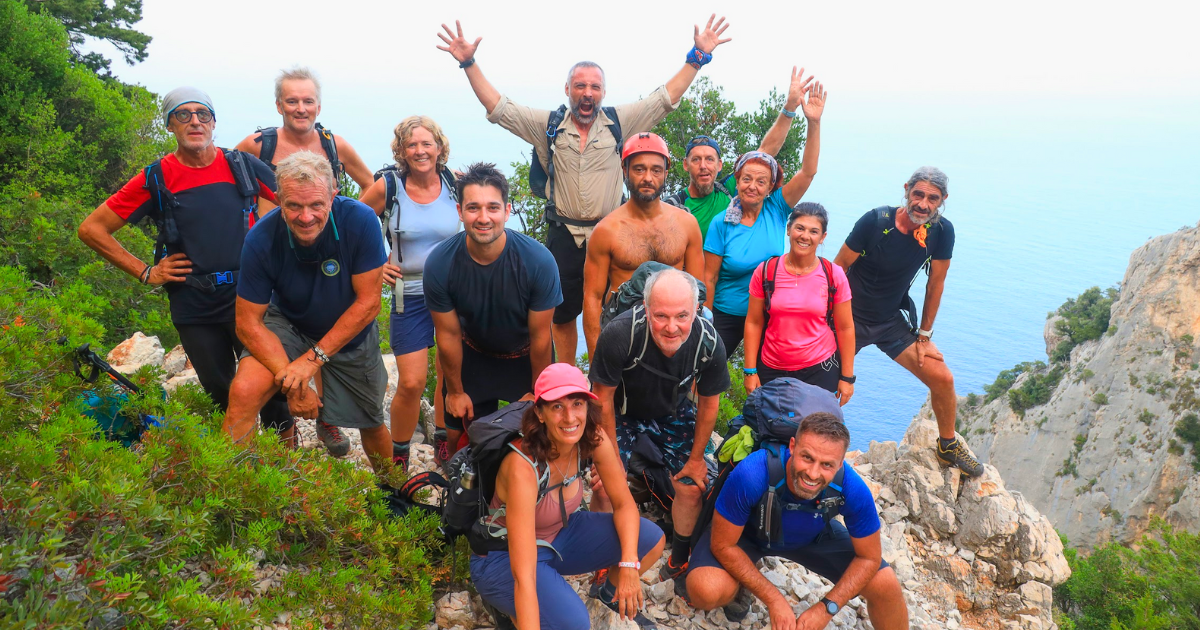
Selvaggio Blu is a true expedition, not a classroom course. Set along Sardinia’s dramatic limestone coastline, this expedition focuses on applying expedition medicine principles in context, using the environment, equipment, and conditions you are operating within.
Across eight days of trekking, camping, and remote coastal travel, you’ll develop the clinical judgement, leadership, and decision-making skills needed to manage health, illness, and injury in austere, resource-limited expedition settings.
Teaching is fully embedded into the expedition itself. Medical learning happens on the trail, in camp, and during real-time problem solving, reflecting how care is delivered when evacuation is delayed, resources are finite, and the environment shapes every decision.
The principles covered are directly applicable to expedition medicine, wilderness deployments, and prolonged activity in hot, remote, and exposed environments.
Your Teaching Faculty

Course Content
Jared

Laura is a rockstar! Wealth of knowledge and great instructor.
Ivan
Just amazing. Big thanks to Luca, Laura and Mathias

Moa
Keep being awesome!

Winford
Thanks for a great course!

What's Included?

Expert Faculty Teaching
Medical teaching delivered throughout the expedition by experienced expedition clinicians, integrated into daily trekking, camp routines, and real-time decision-making rather than classroom-based sessions.

Expedition Delivery and Local Guiding
Professional local guides, route access, trekking fees, and logistical support required to safely complete the Selvaggio Blu trail.

Group Transfers, Accommodation, and Meals
Accommodation and meals are included throughout the expedition, including refuge accommodation and nights spent camping along the route. Transfers to/from the site and trekking fees are also included in your course fee.

CPD Hours and Course Certification
This course has been awarded 15 CPD hours by The Royal College of Surgeons of Edinburgh. On completion, you’ll receive a certificate recognising your expedition medicine training.
Book Now


GBP £2,699.00
In stock
Frequently Asked Questions
Is this course right for me?
This expedition is designed for healthcare professionals and students who want to apply their clinical knowledge in a real expedition setting. It’s suited to those interested in expedition medicine, wilderness medicine, and leadership in remote environments.
You don’t need previous technical climbing experience, but you do need a good level of fitness, comfort with multi-day trekking, and a willingness to engage fully with expedition life.
If you’re unsure whether this is the right course for you, we recommend using the Course Fit Checker or booking a discovery call.
Do I need previous expedition or wilderness medicine training?
No formal expedition medicine qualification is required. However, this is a physically demanding expedition and best suited to those who already have some experience with long days outdoors, hiking, or endurance activity.
If you have completed Expedition & Wilderness Medicine (or similar), you may recognise some concepts, but this expedition focuses on applying skills rather than teaching fundamentals in a classroom setting.
What level of fitness is required?
This is a challenging expedition. Daily trekking averages 6–8 hours, with up to 1,200m of ascent and descent on tougher days. Terrain includes exposed scrambling, via ferrata sections, rope work, and coastal paths.
You should be comfortable with multi-day trekking and sustained physical effort. No technical climbing experience is required, as guides manage all rope systems.
What course content is covered?
Medical teaching is integrated throughout the expedition and includes:
- Expedition and daily planning
- Leadership
- Risk assessment
- Medical screening, advice and planning
- Public health and camp management
- Hydration
- Communications and evacuation
- Common wilderness medical issues
- Foot care and minor injuries
- Wilderness trauma care
- Fracture management and joint reductions
- Heat-related illness
- Immersion and drowning
Teaching is delivered through group discussion, scenario-based learning, and real-time application during the expedition.
What kit do I need to bring?
This is a remote, multi-day expedition. You must be fully self-sufficient with personal kit. A detailed kit list is available below and should be followed carefully.
You are responsible for bringing all personal equipment required for trekking, camping, and medical self-care.
- Lightweight trousers x 1
- Lightweight shorts x 2
- Lightweight technical t-shirts x 3-5
- Zipped fleece top x 1
- Waterproof jacket x 1
- Warm clothes for the evenings
- Buff or scarf
- Hat
- Sun glasses
- Underwear x 6
- Trekking socks
- Swimwear
- Light towel
- Trekking shoes or boots (with hard sole)
- Water shoes (optional)
- Walking poles (optional)
- Camping chair -small (optional)
- Day pack – min 30 litre
- Duffel bag – min 60 litre
- Dry bags
- Tent or bivvy kit
- Sleeping bag – check weather forecast to see what season bag you will need
- Sleeping bag liner
- Travel pillow (optional)
- Climbing harness
- Via ferrata kit
- Helmet
- Spork / cutlery
- Plate / mess tin
- Cup / flask
- Water bottles min 3L total capacity
- Water bladder (optional)
- Head torch
- Power bank, charger, travel adaptors
- Travel documents, passport, visa
- Insect repellent
- Suncream (min SPF30)
- Toiletries
- Toilet paper
- Biodegradable bags
- Lighter
- Hand sanitiser
- Wet wipes
- Ear plugs
- Snacks bars (optional)
- Electrolytes
- Medication (double quantities)
- Ibuprofen, Paracetamol and other appropriate analgesia
- Immodium
- Antiseptic wipes / spray
- Gauze pads
- Vaseline
- Betadine or similar
- Zinc oxide tape
- Crepe or cohesive bandage
- Triangular bandage
- Compeed and/or moleskin
- Plasters and steristrips
- Oral rehydration tablets or powder
Do I need specialist equipment?
Yes. This expedition requires personal technical equipment including a harness, via ferrata kit, helmet, tent or bivvy system, and appropriate trekking footwear. Please review the full kit list carefully.
What are the conditions like?
Typical daytime temperatures range between 20°C–30°C, with strong sun exposure and occasional wind. Night-time temperatures range between 12°C–19°C. Rain is rare but possible. High exposure, scrambling, and technical sections are part of the route.
Do I need travel insurance to attend?
Yes. Travel insurance with mountaineering and expedition cover is essential. You must have appropriate insurance in place to participate.
What support is available before the expedition starts?
You’ll receive joining instructions ahead of the expedition, including final logistics, meeting points, and preparation guidance. A WhatsApp group is used, details will be shared before departure.
If you have questions at any stage, the team is happy to help.
I have another question
If you wish to learn more or have any additional questions, we invite you to book a 30-minute discovery call with our team.
→ Click here to book a discovery call.
The call will be with the team who organise our courses and work closely with our medical teaching faculty. They’re best placed to explain what our attendees really get out of attending a course with us.
You can choose between a video or voice call — whatever suits you best.
Register for a time that works for you, and we look forward to speaking with you soon.
Prefer email? Then feel free to contact us.
Your Safety
The comprehensive curriculum and field scenarios are carefully designed to push your limits while mitigating risks.
We take every precaution to keep participants safe by:
- Rigorous gear checks before all expedition days
- Mandatory evacuation insurance policies
- Close coordination with local emergency responders