

One of the most common questions we’re asked by healthcare professionals who want to step beyond traditional roles and work in crisis, disaster, or low-resource environments is “how to get into humanitarian medicine?”
But the reality is there is no single pathway, and certainly no quick answer.
What there is, though, is a pattern, and if you understand it; you can start building your way into the field with far more clarity.
So, what is Humanitarian Medicine?
Humanitarian medicine is healthcare delivered in environments where systems are disrupted or overwhelmed, resources are limited, and decisions carry immediate and real-world consequences.
That might mean working in:
- Conflict zones
- Disaster response settings
- Refugee and displaced populations
- Fragile or developing healthcare systems
And importantly, it’s not just about emergency response. As many experienced clinicians highlight; long-term recovery, rehabilitation, and public health work are just as critical as the initial crisis response.
Who Can Work in Humanitarian Medicine?
One myth we see online all the time is that only doctors can do this kind of work, but in reality, humanitarian teams are made up of:
- Nurses
- Paramedics
- Physiotherapists
- Surgeons
- Dentists
- Public health specialists
And often, those from non-traditional backgrounds bring just as much value.
As one panel contributor from our Humanitarian Medicine Careers Panel (and the World Extreme Medicine Conference) put it, nurses and allied professionals are often “active members of the team… doing health education, supporting across disciplines, and becoming essential to delivery on the ground.”
What Qualifications Do You Need?
You don’t need to have already worked in a disaster zone to qualify for a role in the humanitarian sector, but you do need a solid foundation.
Typical starting points include:
- Clinical training (medicine, nursing, paramedicine)
- Exposure to emergency or acute care
- Interest or experience in global or public health
But to be more specific, many professionals strengthen their applications with:
- Diplomas in tropical medicine or tropical nursing
- Courses in expedition or wilderness medicine
- Additional leadership or management experience
Why management? Because humanitarian work is often less about individual clinical care and more about coordinating systems, teams, and responses.
How Do You Actually Get Into Humanitarian Medicine?
The million-dollar question…
From real-world experience, the pathway usually looks like this:
1. Choose Your Direction (Don’t Apply Blindly)
One of the biggest mistakes is sending your CV to every organisation and hoping for the best.
A better approach would be to:
- Identify organisations you align with
- Understand their values and operational style
- Speak to them directly
As one experienced clinician shared:
“I called them up and said… this is me, but I’m not ready yet… what should I be doing?”
Organisations requirements can differ, but actually understanding what an organisation needs shortcuts years of guessing, it allows you to understand how to build your experience and skills up to be the ideal candidate.
2. Build the RIGHT Experience (Not Just MORE Experience)
There’s a common frustration that comes from many sectors…
“You need experience to get experience.”
But relevant experience doesn’t have to mean overseas deployment straight away.
You can build it through:
- Emergency medicine or pre-hospital care
- Working with underserved populations locally
- Volunteering in migrant or community health projects
- Search and rescue or outdoor leadership
As highlighted in the panel, starting locally is often overlooked, but highly valuable.
Course attendee turned faculty member Aisha Malik started her path in humanitarian medicine by being a clinical lead for a hotel housing 250 asylum seekers in the UK (you can read her story here).
3. Take a Humanitarian Medicine Course
We might be biased on this one, but for good reason!
Humanitarian medicine training is a great place to test the waters in the field in a controlled environment. You get to learn the fundamentals of what it takes, what to expect, and learn directly from people who have worked in this field for years.
These kinds of courses introduce:
- Resource-limited decision-making
- Public health frameworks
- Triage and prioritisation under pressure
- Operational and logistical realities
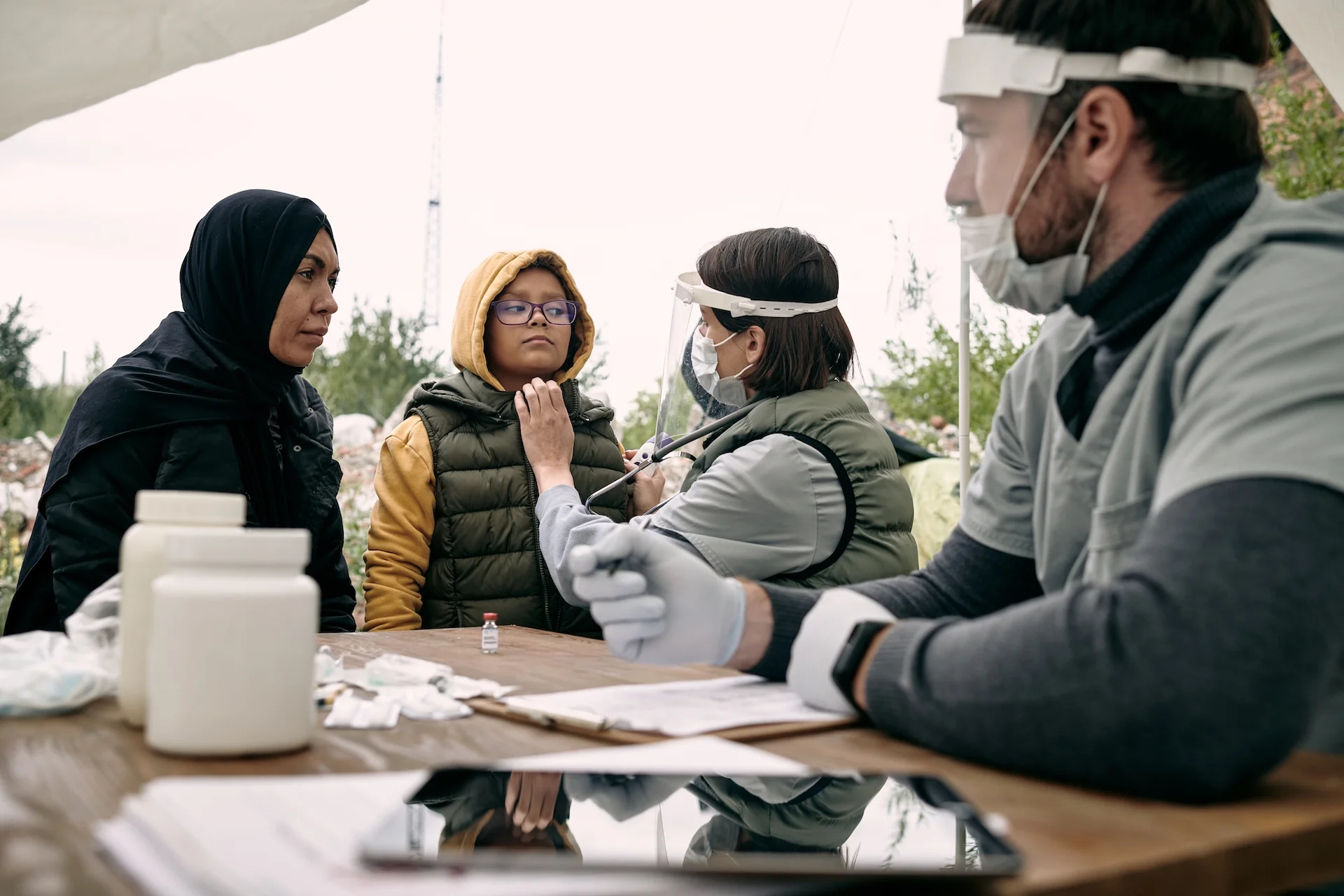
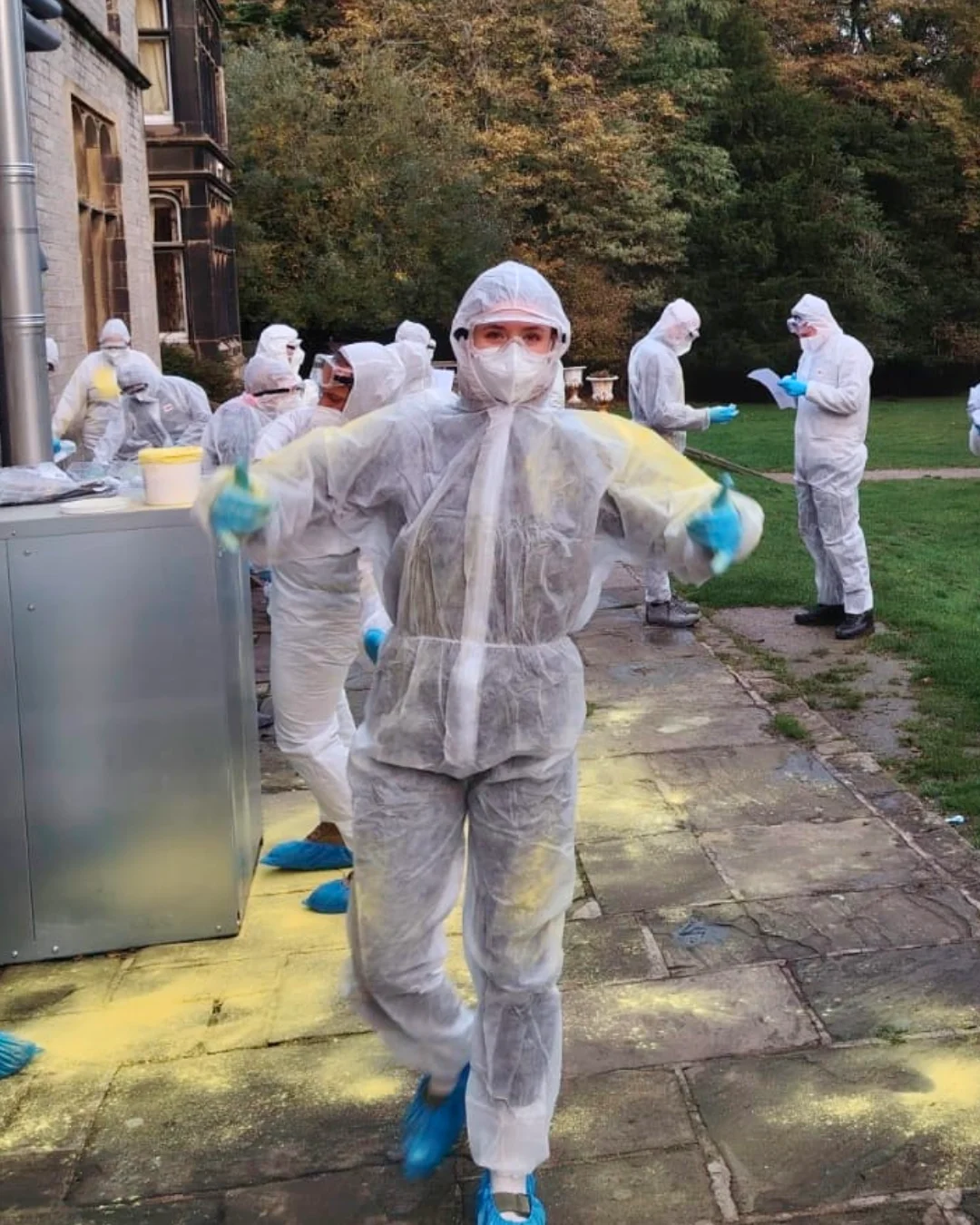
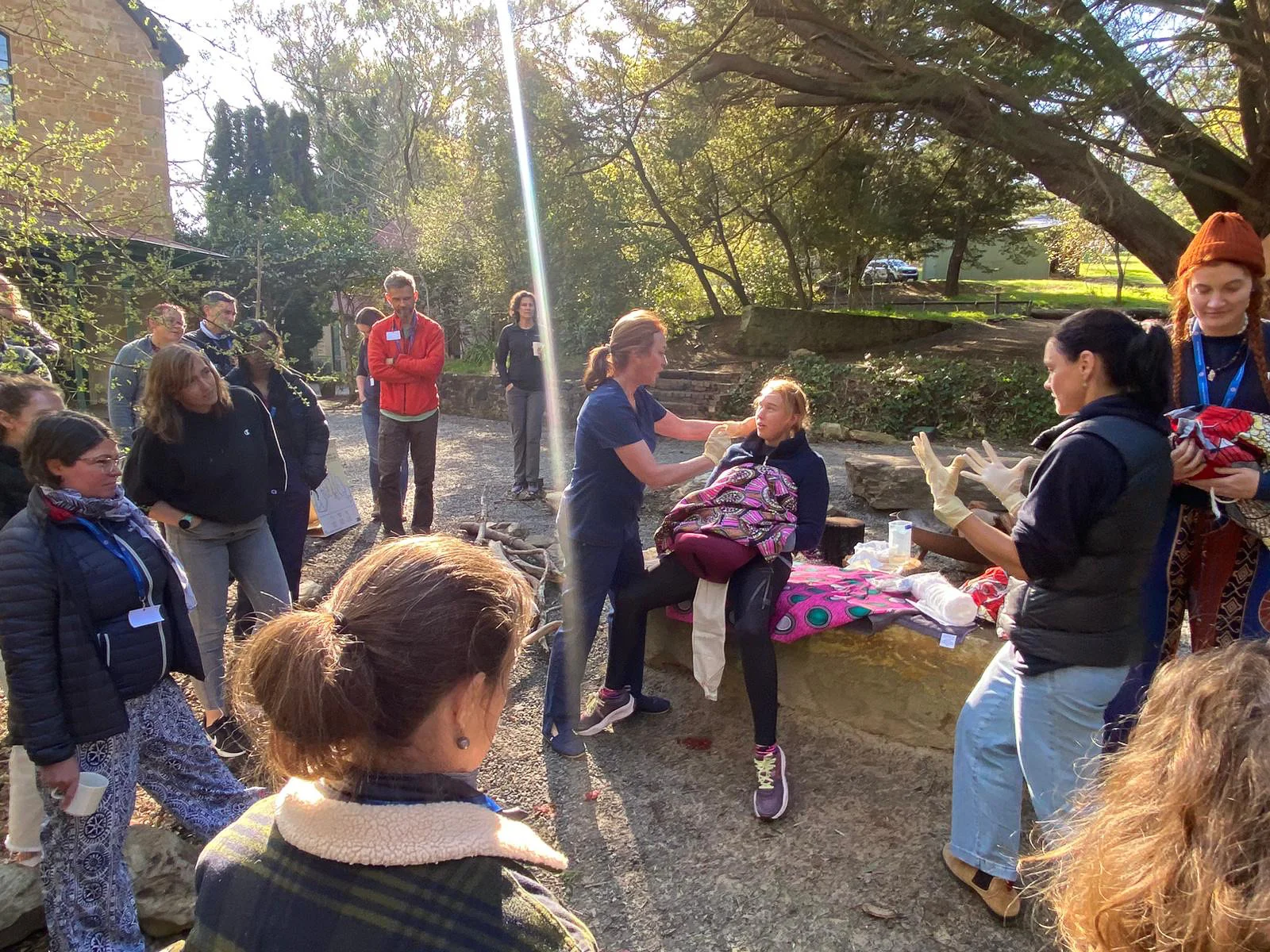
Programmes from organisations like World Extreme Medicine are designed to simulate these environments before you step into them for real.
Another perk of these kinds of courses is the networking opportunities. From our courses alone, we have seen many past attendees utilise the new connections and skills they’ve made and gone into the career path they always wanted.
Build your pathway into humanitarian healthcare
Explore Humanitarian Medicine training in the UK and Australia. Designed for healthcare professionals and students looking to understand how care is delivered in crises, disaster response, and resource-limited environments.
Learn through expert-led teaching, case discussions, and real-world frameworks grounded in humanitarian response.
4. Build Relationships (This Matters More Than You Think)
If there’s one consistent theme from experienced professionals, it’s this: Humanitarian medicine is a relationship-driven field.
“It’s a really tight-knit world… the people you know are the people you invite.”
That means:
- Attending courses and conferences
- Staying in touch with peers and faculty
- Being persistent (without being unbearable… but slightly annoying helps)
5. Be Prepared for Rejection (and Keep Going)
Getting into humanitarian work rarely happens quickly.
“It took me two years to get my spot.” as one of our panelists stated.
Consistency is what sets people apart:
- Following up
- Asking for feedback when you aren’t successful in the application (and using it as a foundation to build on your skills)
- Reapplying
- Showing long-term commitment
What Skills Do You Actually Need?
This is where expectations often don’t match reality as humanitarian medicine isn’t just clinical.
You need:
Adaptability
Working without standard pathways or full resources.
Decision-making under pressure
Often with incomplete information.
Communication and cultural awareness
Across languages, systems, and expectations.
Self-sufficiency
One panel insight summed it up well:
“Are you going to be an asset… or a hindrance?”
How Do You Choose the Right NGO?
As mentioned before; don’t apply blindly to every NGO vacancy there is out there, you need to make sure it’s a good fit for you. When applying for roles, make sure you’re asking the right questions regarding their operations and processes.
From the field, key considerations include:
- Do they practice evidence-based medicine?
- Do they track outcomes and follow-up?
- Do they provide training (e.g. hostile environment awareness)?
- Do they have clear evacuation and contingency plans?
And crucially:
“If they can’t explain their evacuation plan, DO NOT GO.”
Can You Make a Career in Humanitarian Medicine?
Another big question we’re asked: “Is humanitarian medicine a career?”
The honest answer: yes…but rarely in a straight line.
Most people (including many of our faculty) build a portfolio career, combining:
- Clinical work (e.g. NHS or equivalent)
- Periodic deployments
- NGO or global health roles
Funding also varies; some roles are paid, but many early opportunities are self-funded.
As shared in the panel, early career stages can involve significant personal investment:
“For the first few years I was not being paid, and often enough was couch surfing, but honestly? Those experiences shaped my career.”
Is Humanitarian Medicine Right for You?
Before you commit to this career, ask yourself:
- Are you comfortable working without full support systems?
- Can you operate outside your comfort zone safely?
- Are you motivated by long-term impact, not just short-term experience?
Because while the idea of humanitarian work is appealing and is glamorised, the reality is:
It is complex, demanding, and not always what people expect.
Your Next Step Into Humanitarian Medicine
There’s no single route into humanitarian medicine.
But there is a pattern:
- Build your foundation
- Gain relevant experience
- Learn how systems work in crisis
- Stay persistent
- Build relationships
And over time, those steps start to connect.
If you’re serious about entering this field, the next step isn’t a guessing game, it’s getting closer to the reality of it.
That might mean:
- Building relevant experience
- Speaking to professionals already working in the space
- Or starting with structured training
Explore Humanitarian Medicine Courses
If you want to understand how humanitarian healthcare actually works in practice, exploring a dedicated course is one of the most effective starting points.
→ Explore Humanitarian & Disaster Medicine courses with World Extreme Medicine
→ Book a discovery call and talk it through with the team.
→ Sign up to our newsletter to keep up to date on exclusive content and news.